
Standup comic/ actor/ writer/ director Woody Allen was born on November 30, 1935 in the Bronx, NY. To celebrate his 90th birthday, Video Days returns to his third decade of work this month with ten films from the master filmmaker.
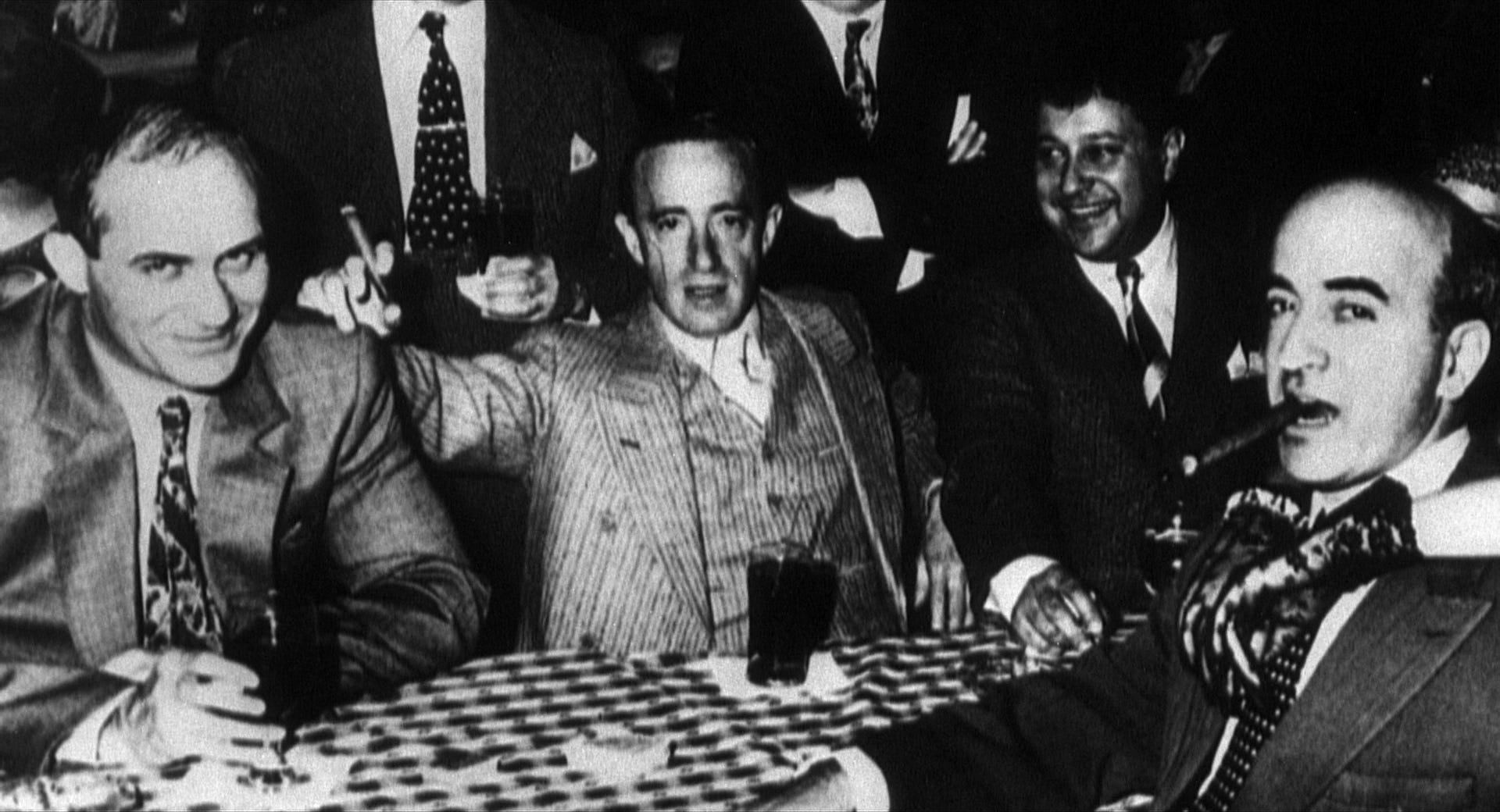
ZELIG (1983) piles on artifice to tell what could’ve been a small, authentic story about a man who–unsure of himself–goes to extreme lengths to blend in, until he meets a woman who forces him to settle on one identity. Framed as a mockumentary and fabricating fake newsreel footage which insert the man amongst the celebrities of the late 1920s and early ‘30s, this short film concept is at best experimental filmmaking, stretching its run time by telling jokes that are tedious, jokes that haven’t aged well, and jokes that bury any characters might’ve blossomed.
Writer/ director Woody Allen’s initial notion for what became his eleventh film was a comedy about a man who adapted his persona to fit whatever environment he found himself in. A freak of evolutionary biology, the man could also adapt his physical characteristics to mirror those around him (men anyway, not women). Allen imagined it as a contemporary story steeped in psychology, his main character working in public television. The first couple of pages he wrote were a traditional narrative, In Woody Allen By Woody Allen, the 2005 book of conversations with author Stig Björkman, Allen elaborated, “Then I thought, it would be very interesting to present him as an international phenomenon and that his story should be told in a very documentary way, as though this was a famous international figure. And that’s how it took shape. It was a long and hard film to do, but great fun.” Allen took a cue from Time Was …, a series of HBO specials which debuted in November 1979 and featured host Dick Cavett taking viewers through the 20th century one decade at a time, beginning in the 1920s. Cavett was inserted into archival footage via rear projection, like a television weatherman. Allen would take this technique a step further by having his character pose with celebrities. For a setting, he chose the era of his parents: the end of the Roaring Twenties and beginning of the Great Depression.
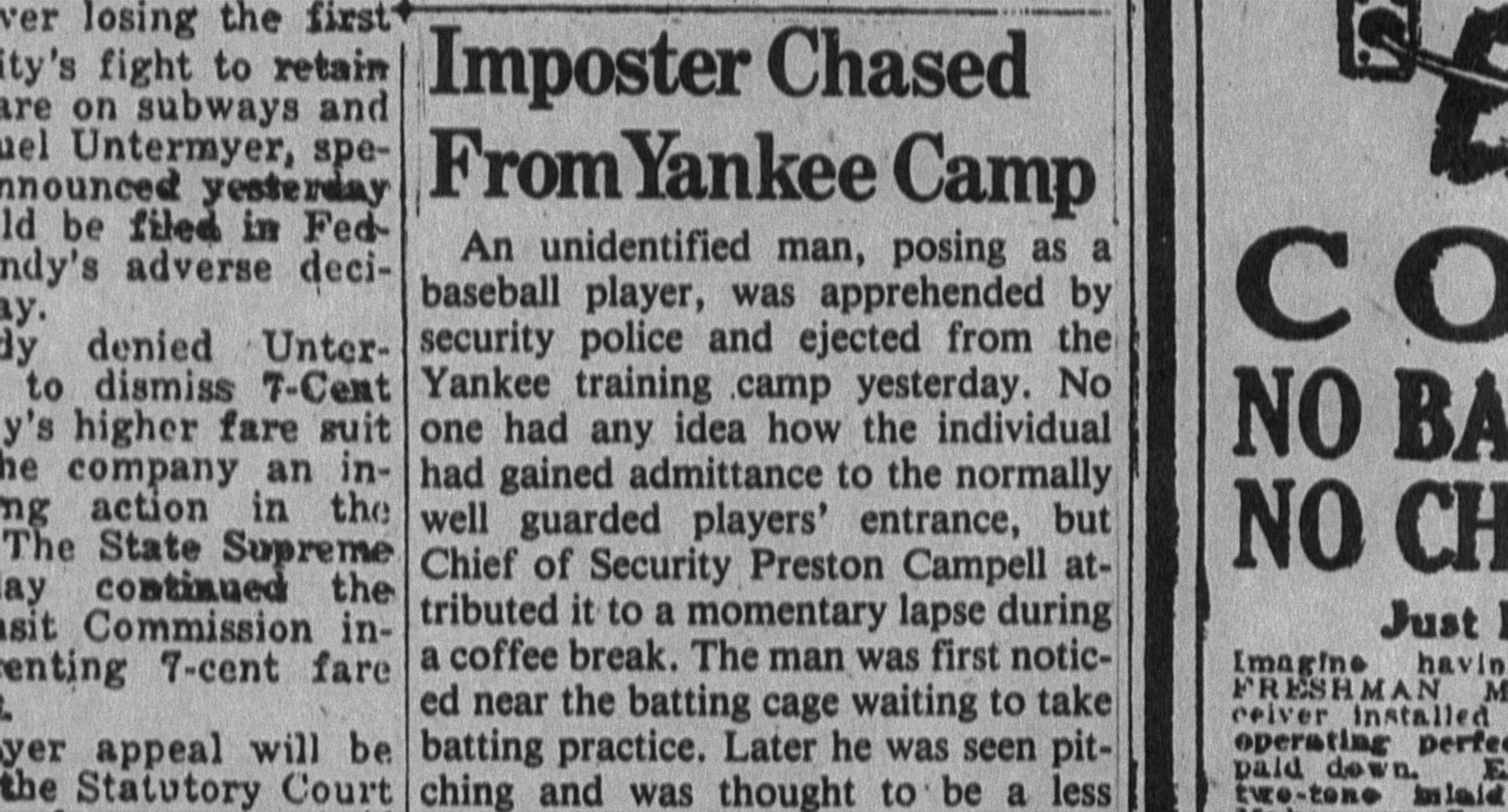
The name “Leonard Zelig” sprung to Allen’s mind early in his writing process. He generated at least one draft of his faux documentary before studying newsreel footage from the 1920s and ‘30s and augmenting his script with historical record. Accustomed to settling on the title of a film in post-production, Allen’s script proceeded untitled. Working titles included The Cat’s Pyjamas and The Bee’s Knees, 1920s slang, as well as The Changing Man, which became the title for his movie-within-a-movie. Allen even considered Identity Crisis and Its Relationship to Personality Disorder. (He would shoot several title cards before settling on Zelig). Written as his follow-up to Stardust Memories (1980) with plans to shoot in 1981, Orion Pictures was busy budgeting the experimental project and Allen found himself with enough idle time–two weeks–to write another screenplay, a small, summer-themed comedy. Allen would cast and shoot his tenth and eleventh films–A Midsummer Night’s Sex Comedy (1982) and Zelig–at the same time, using the Rockefeller Estate in Pocantico Hills, New York as a primary location for the former and to pick up scenes for the latter. For Zelig, Allen chose Mia Farrow to play psychiatrist Dr. Eudora Fletcher, named after a grade school principal whose name Allen was more fond of than the woman, while the writer/ director took on the role of her patient, the enigmatic Leonard Zelig. Allen doubled down by casting himself and Farrow in his summer comedy, which co-starred Julie Hagerty and Tony Roberts and would arrive in theaters first, in July 1982, to be roasted by critics as one of Allen’s more forgettable efforts.
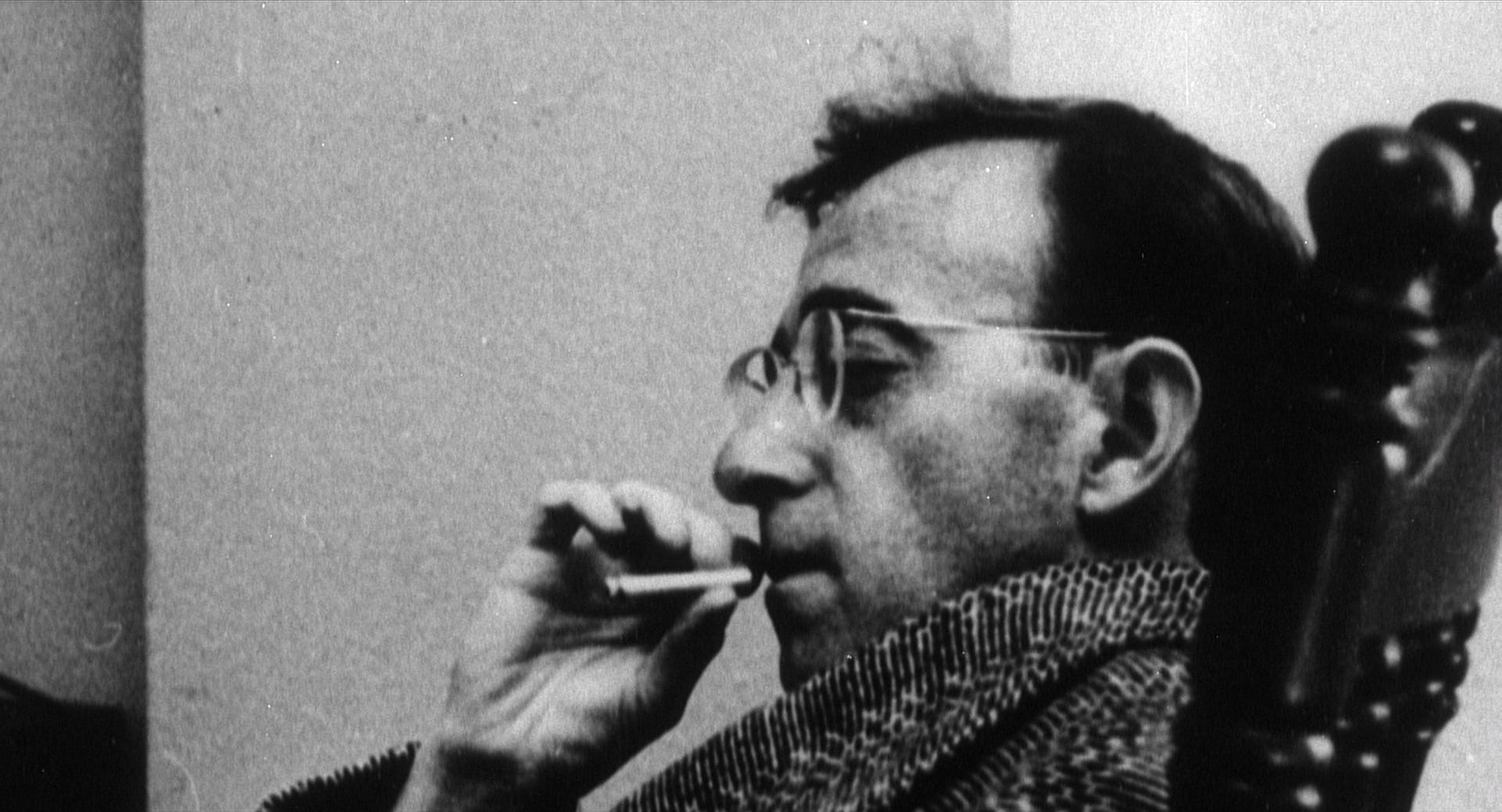
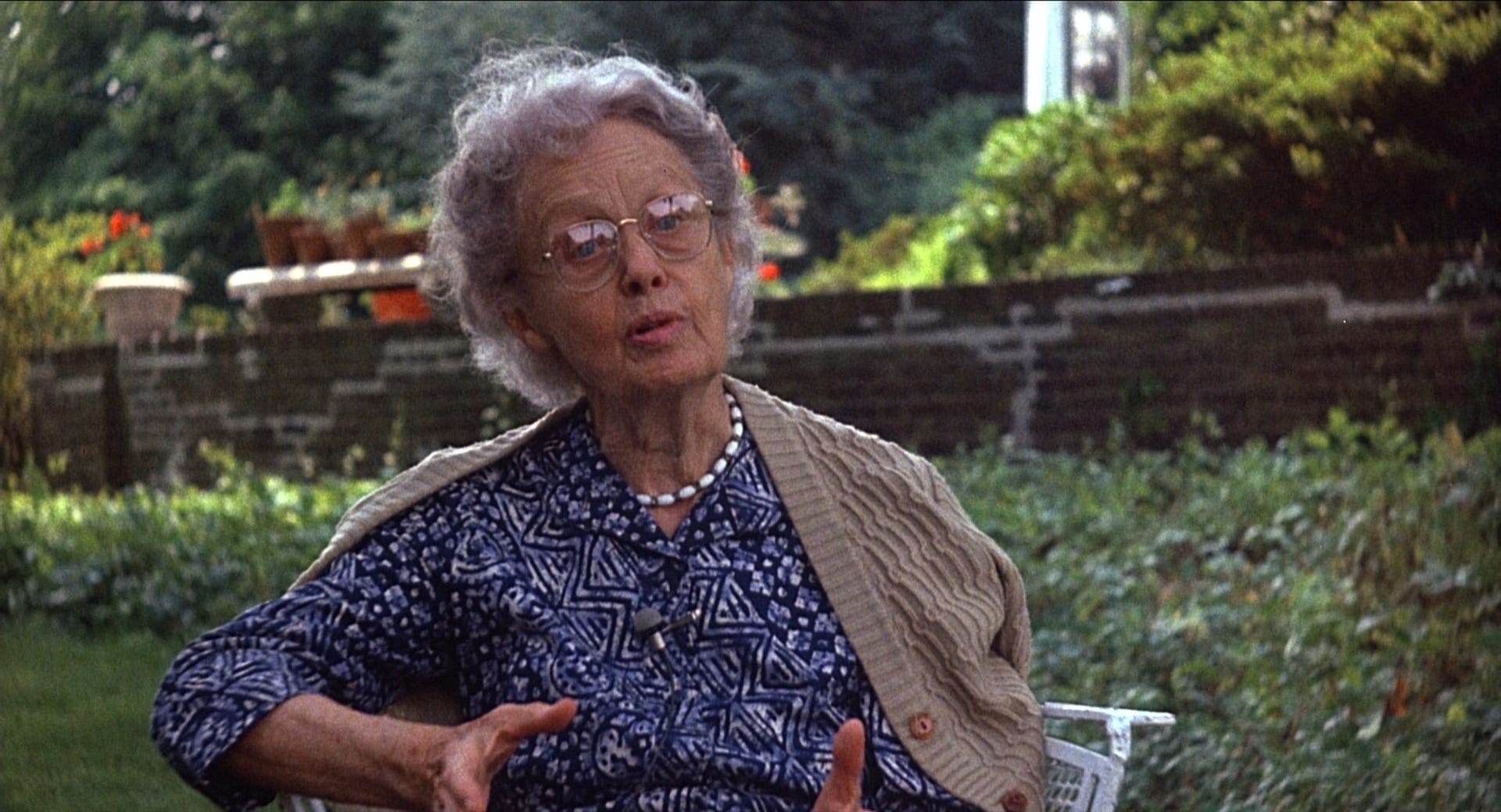
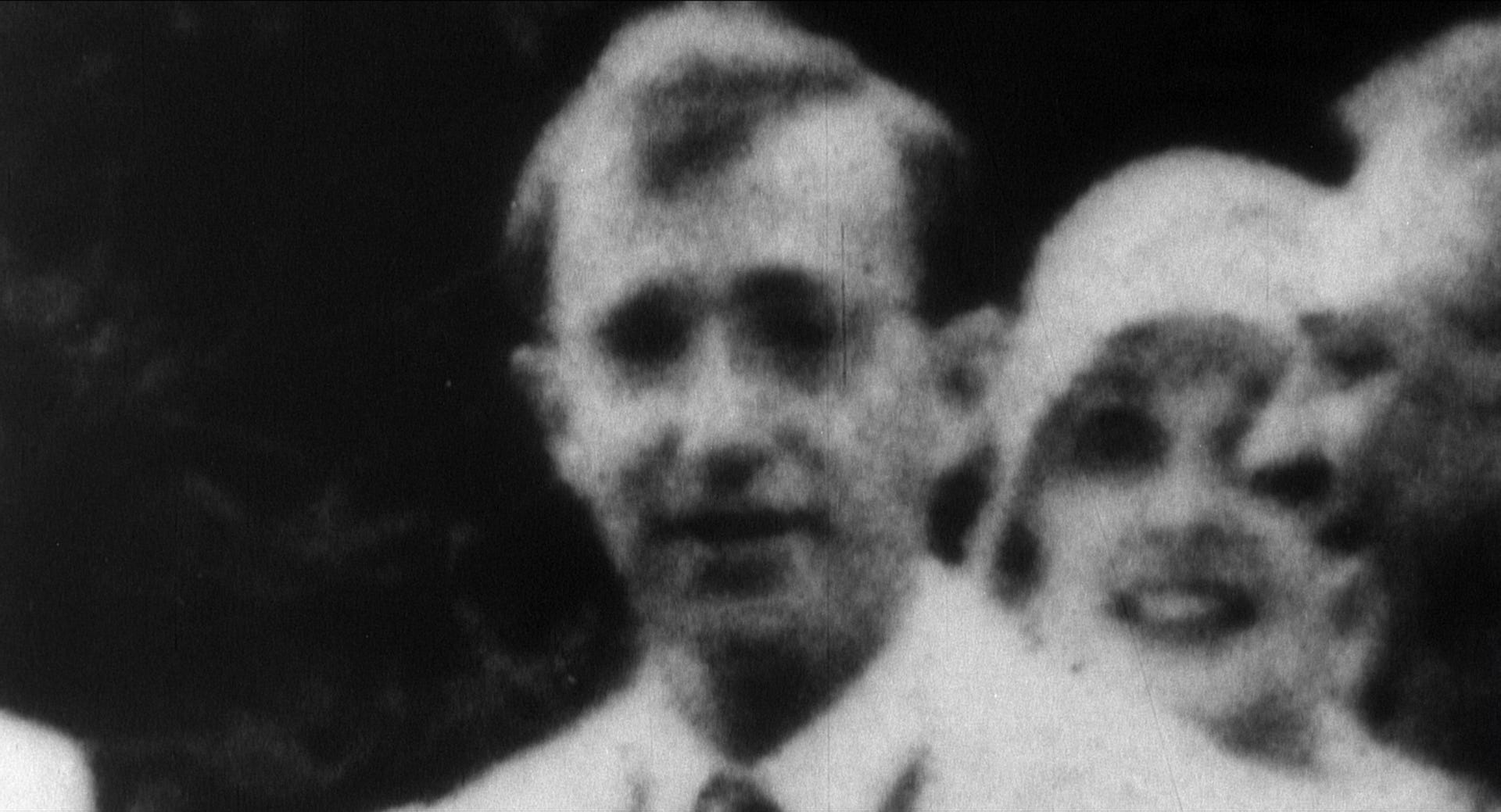
Woody Allen’s Fall Project 1981 commenced filming in November of that year. Much of the newsreel footage was recreated, cinematographer Gordon Willis utilizing lenses from the 1920s as well as old camera and sound equipment. Mattes were used to recreate the flickering light of early black and white film, and the negative was scratched to give it an archival look. Though the gag was used only a handful of times, shots which inserted Zelig into newsreels (alongside Babe Ruth or Josephine Baker) were shot against a blue screen at Kaufman Astoria Studios in Queens. Post-production stretched over a year, with nine months of editing. This was comparable to Reds (1981), in which Warren Beatty and his co-director Elaine May spent a year in the cutting room honing an epic that would run 195 minutes. Perhaps spoofing Reds, Allen inserted witnesses into his film too–writers Susan Sontag, Irving Howe, Saul Bellow–pontificating on the cultural impact of Zelig. Given to rewriting, reshooting and sometimes recasting his films after viewing an assembly, Allen determined the narration of Academy Award and Grammy Award winning actor Sir John Gielgud too grand for a pseudo-documentary. He replaced Gielgud with Patrick Horgan, a TV veteran who’d appeared on everything from Daniel Boone to Star Trek. Accustomed to scoring his films with his personal record collection, Allen hired jazz composer and arranger Dick Hyman to compose an original score. In addition to emulating the arrangements of artists like Jelly Roll Morton and Paul Whiteman, Hyman wrote music and lyrics for six songs, working from titles that Allen cooked up, like “Chameleon Days” or “You May Be Six People, But I Love You.”
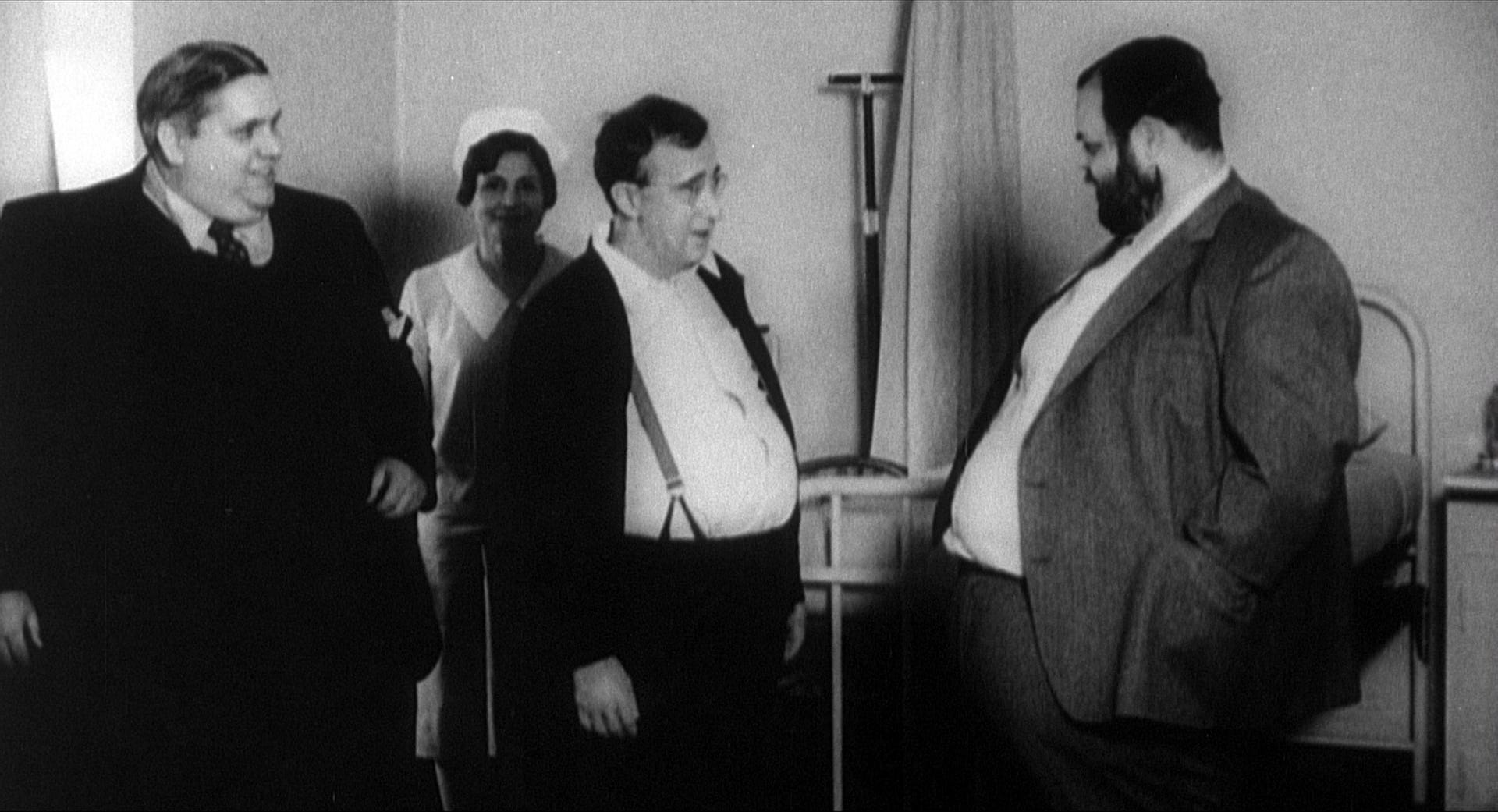
Zelig opened in limited release in New York on July 15, 1983. At the time, few could name a film that combined narrative fiction and documentary fact in convincing fashion, and some critics gave Woody Allen the most laudatory reviews of his career. Gene Siskel and Roger Ebert split. Siskel opened his review in the Chicago Tribune by writing, “Woody Allen’s new film is yet another major disappointment from one of our greatest comedians and most dedicated, individualistic filmmakers. Ever since the stunning success of Annie Hall and Manhattan, Allen has appeared snake-bitten by his fame and popularity and has turned out one navel-contemplating piece after another …” Siskel gave Zelig two out of four stars. Writing in the Chicago Sun Times, Ebert opened his review by qualifying his praise. “Woody Allen’s Zelig represents an intriguing idea for a movie, and has been made with great ingenuity and technical brilliance. That’s almost enough. In fact, if Zelig were only about an hour long, it would be enough, but the unwritten code of feature films requires that it be longer, and finally there is just so much Zelig that we say enough, already.” Ebert gave it three out of four stars. Orion expanded Zelig to 242 screens on October 14, where it spent one weekend among the top ten grossing films in the U.S., competing with Sean Connery as James Bond in Never Say Never Again, the Baby Boomer ensemble The Big Chill, and the summer’s hits–Mr. Mom, Risky Business, Flashdance, National Lampoon’s Vacation, Return of the Jedi, Trading Places–still doing business in mid-October. Zelig would be nominated for two Academy Awards: Best Cinematography (Gordon Willis) and Best Costume Design (Santo Loquasto).
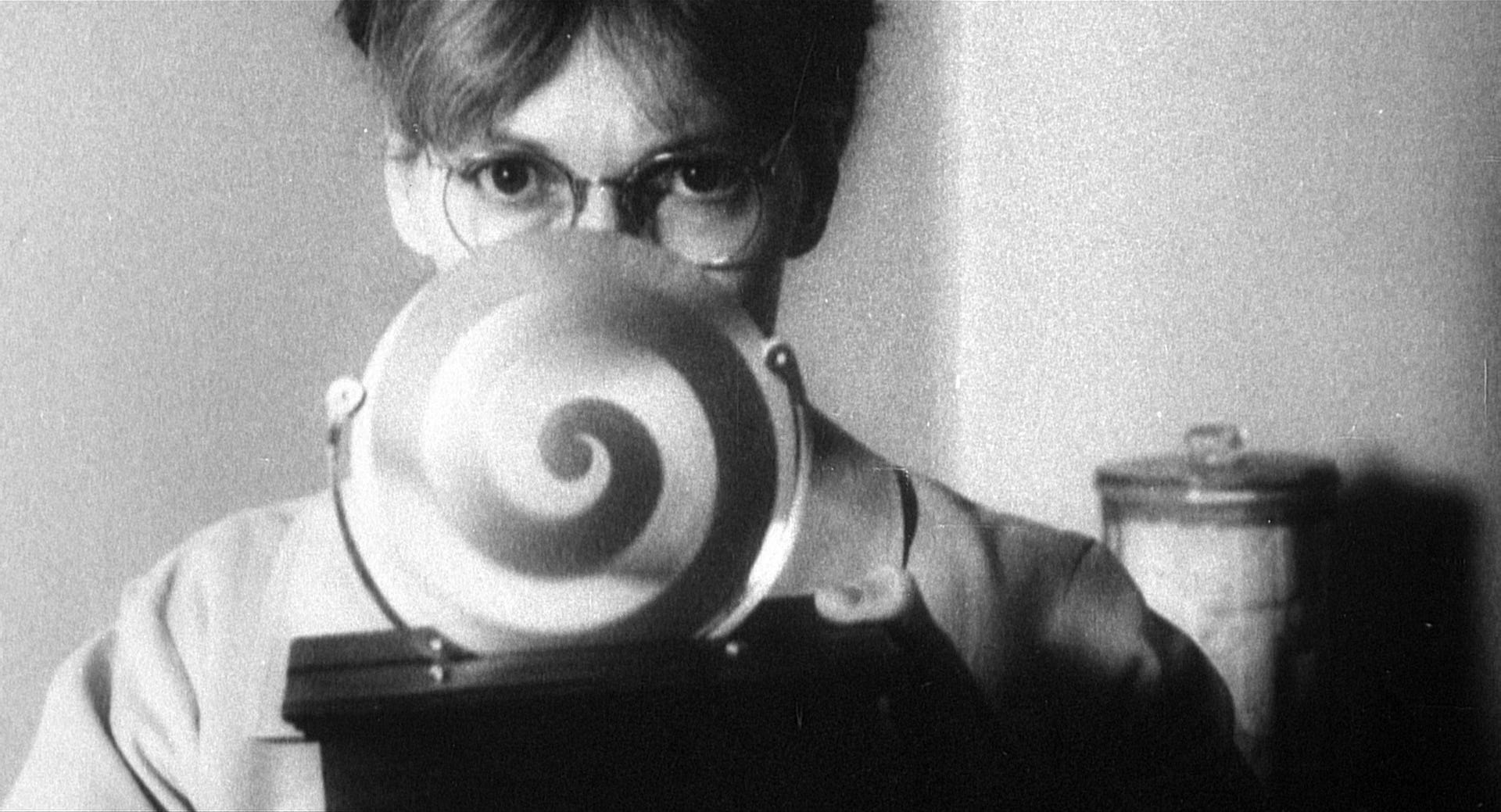
Just as Woody Allen took what Dick Cavett had done in his HBO specials–inserting himself into history–director Robert Zemeckis and Industrial Light & Magic would pick up where Allen left off with the blockbuster Forrest Gump (1994), and no appraisal of Zelig can ignore that though a conventional narrative, Forrest Gump is a much more creative variation on this idea. Gump is a character many of us have met, and if not, the filmmakers make us feel like we know him by the end of their 142-minute epic. Gump doesn’t witness history, he participates in it, changing the lives of those he comes in contact with. Tom Hanks delivers a career performance, modeled after the child actor who plays Gump as a boy. Forrest Gump is funny, poignant, and however many gears it yanks to manipulate the viewer, ends with a compelling message about the fickleness of fate. Absolutely none of this applies to Zelig, which is more about newsreels or earnest documentaries than creating a character, doesn’t contain anything in the way of performance or humor that have aged well, and at 79 minutes, is the shortest film Woody Allen would make. It could have come in at 39 minutes without abridgement.
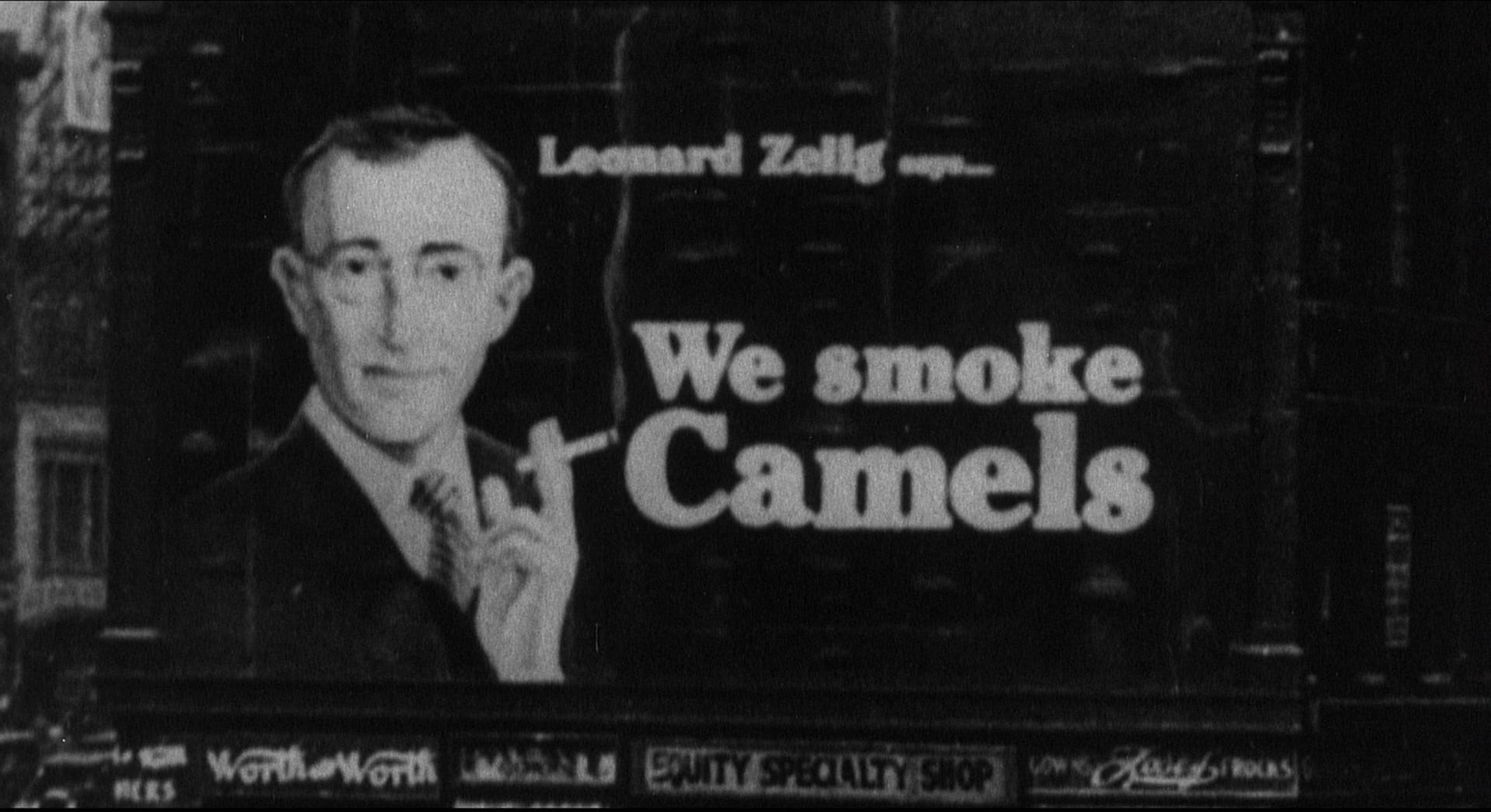
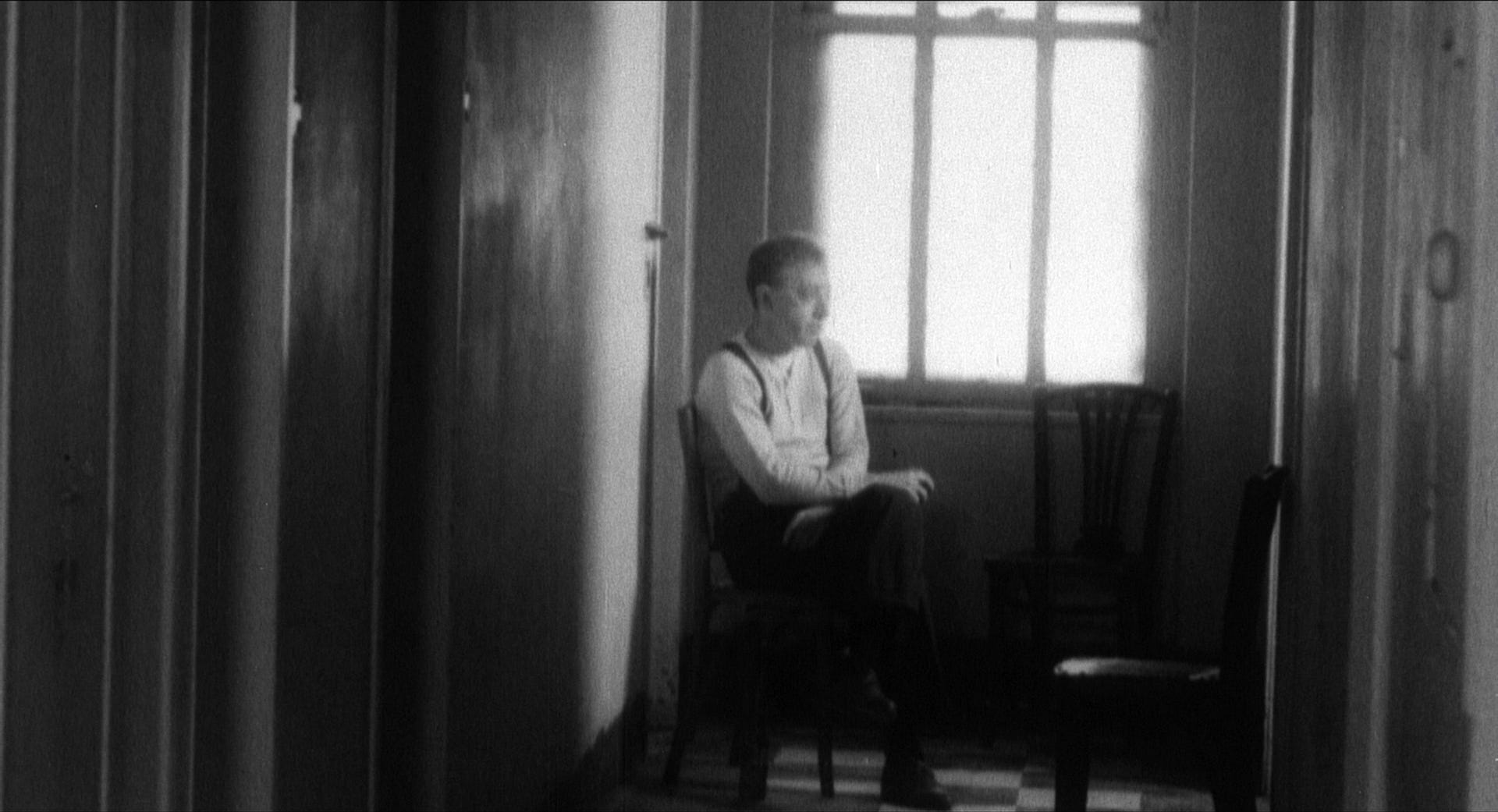
At best, Zelig is unusual. While movies catering to Baby Boomers and each generation since are too numerous to name, Allen makes an original choice by diving into the pop culture of the Lost Generation, the era of his parents, with their artists, athletes and political leaders. F. Scott Fitzgerald, Clara Bow, Jack Dempsey, Calvin Coolidge, Herbert Hoover, Fanny Brice, William Randolph Hearst, Charlie Chaplin, Bobby Jones and Adolf Hitler join Babe Ruth and Josephine Baker as themselves in Zelig, but Allen neither cherishes or litigates the lost era that led to the Great Depression. He doesn’t humanize its major figures. His dopey script–a big regression from the depth of Annie Hall and Manhattan–settles for jokes, with a generic narrator telling Zelig quips or telling Zelig observations, none of which are even funny. A narrative film about Zelig and Dr. Fletcher that took place in a hospital would’ve been vastly more compelling than the mockumentary that keeps Allen and Farrow’s characters at such a phony remove. While no film lit by Gordon Willis is less than a marvel of light, the magic Allen occasionally attempts by allowing Zelig to brush shoulders with celebrities is wasted on a one-joke premise in which neither his fictional characters nor the real ones are rounded into real people.
Woody’s cast (from most to least screen time): Patrick Horgan (narrator), Woody Allen, Mia Farrow, John Rothman, Stephanie Farrow
Woody’s closing credits music: “I’ll Get By (As Long As I Have You),” Ben Bernie and His Hotel Roosevelt Orchestra (1928) / “Chameleon Days,” performed by Mae Questel, composed by Dick Hyman (1983)
Video rental category: Comedy
Special interest: Mockumentary