
Tremors
Horror comedy western too weird to market too much fun to forget

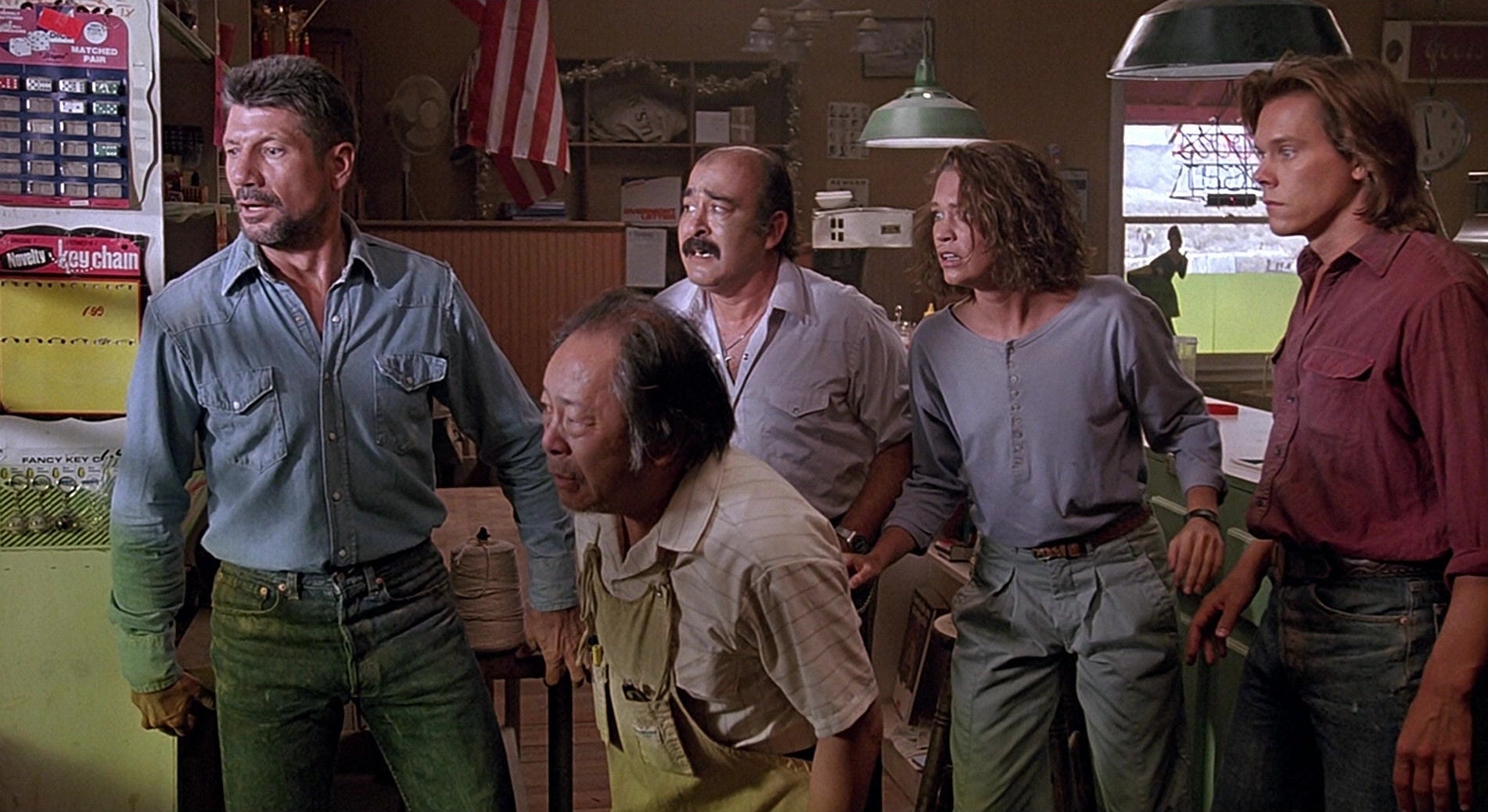
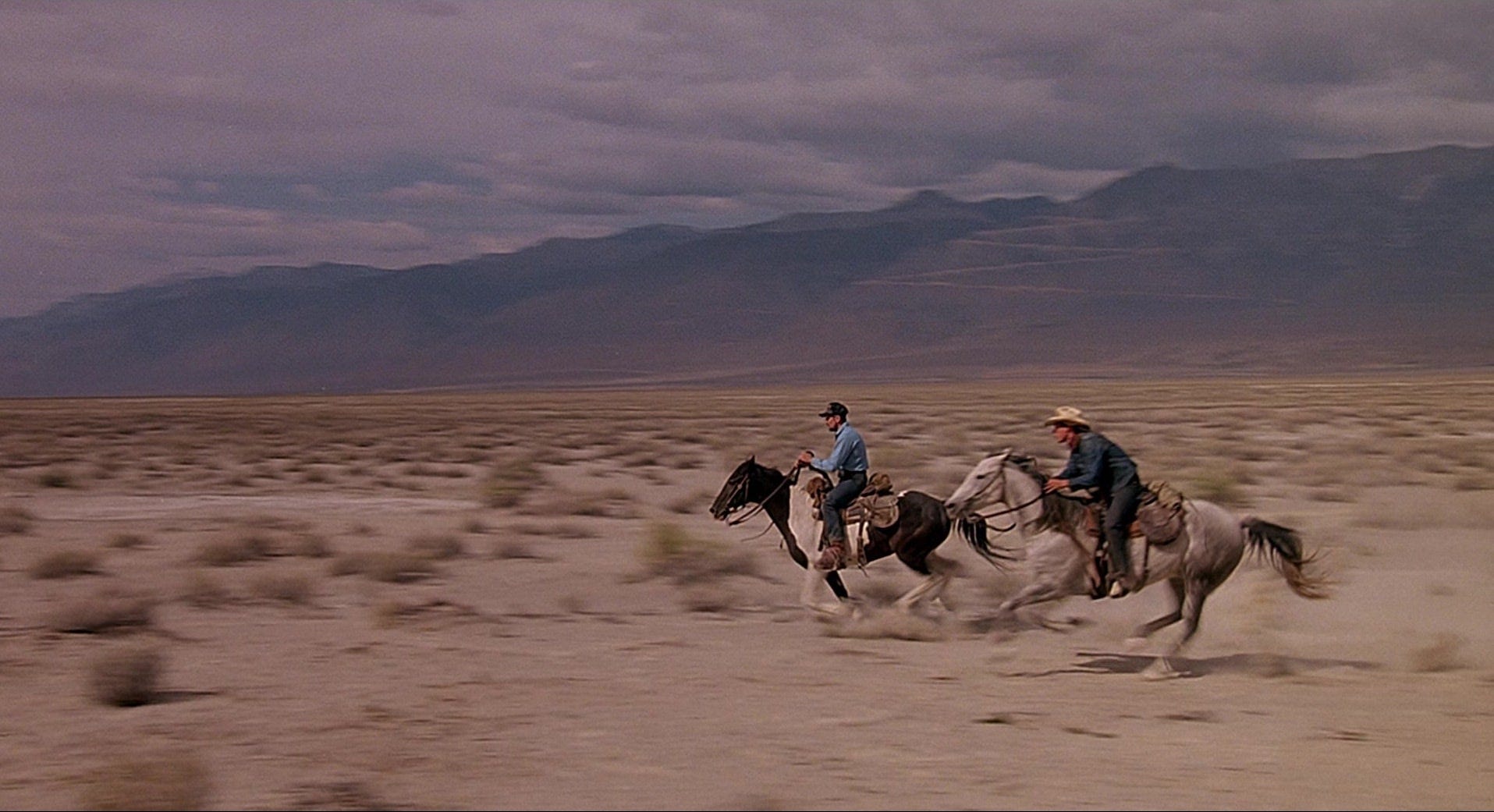
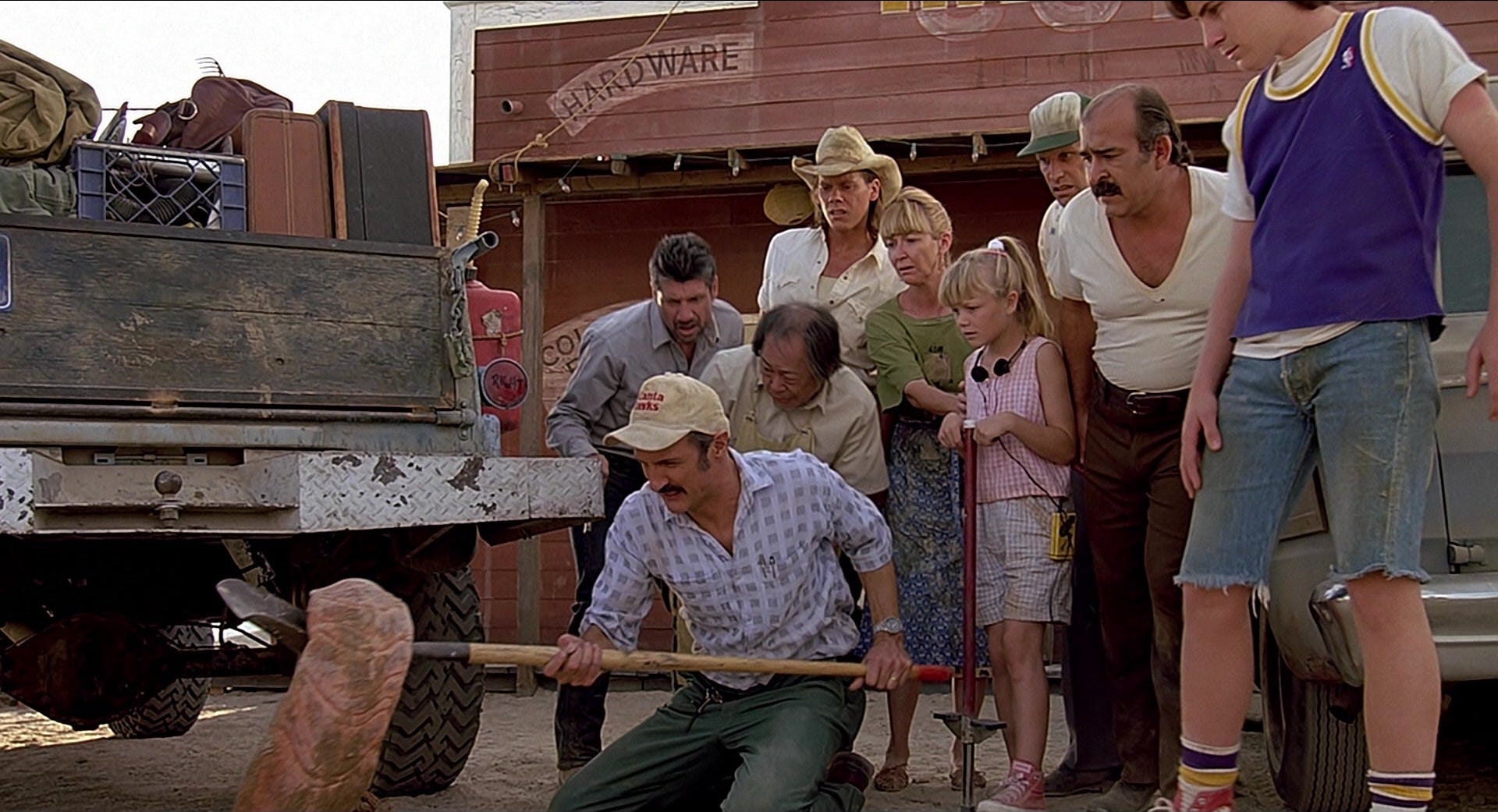
TREMORS (1990) is a horror movie on horseback. Set in the present day, it embraces western motifs, outfitting them in libertarian values. These include the joys of living off-grid, reliance on neighbors in the absence of civil authority, and self-sufficiency as a way of life. It’s shot through with a spirit of adventure. Characters battle giant carnivorous worms, not with brawn or brain, but with community. The magic word necessary to move the rock the film was trapped beneath was ‘video,’ which is where the picture found the audience it couldn’t in theaters.
Brent Maddock and Steven Seth Wilson met on the campus of the University of Southern California. Its film program had graduated George Lucas and John Milius, but in the early 1970s, the department was housed in what had been a horse barn erected during the First World War. Maddock had started making movies with his father’s 8mm film camera as a child. A fan of physical comedy, he’d broken his neck performing a stunt for a student film when he was 19. Maddock earned his BA from Colgate University in New York, and drove to Los Angeles to attend grad school. Wilson had made the same trip, not immediately after college, but following a two-year stint in the army, where he’d edited educational films for Uncle Sam. On a tour of the rustic film department, Maddock saw another student in the courtyard, sitting beside a large briefcase. It was Wilson. “I drove to L.A., walked in and met my writing partner. If I’d known that, it was like, ‘Oh, I don’t need to go to film school, we’ll just start working.'”
Wilson was born in Oklahoma but had moved around, attending high school in Hawaii. Despite his obsession with filmmaking — specifically, the monster movies of stop-motion animation pioneer Ray Harryhausen — Wilson briefly chose psychology as a major. That changed when his father, a psychologist, visited him early in his first semester. Wilson recalled, “He said … ‘Wow, this makes no sense. You’ve been making movies in the backyard for ten years. What’s going on?’ And he went to my advisors, and he said, ‘Do you have anything like film or movies or television?’ And he changed my whole course schedule.” A fellow Trojan named Ron Underwood experienced the same uncertainty about his future. He discovered filmmaking while a junior high school exchange student in Sri Lanka. Enrolling in pre-med courses at Occidental College, Underwood lasted six weeks before he transferred to USC to study film, befriending Maddock & Wilson in the old barn. Underwood applied to the American Film Institute as a producing fellow, and upon graduation, carved out a living as a director of educational films. With Brent Maddock serving as film editor and S.S. Wilson, as he’d be credited, supervising the special effects, Ron Underwood directed a short titled Library Report, about a teenager whose robot helps her write a term paper. Its enthusiastic response convinced the filmmakers that a feature-length screenplay about a robot, paired with their short, might finance a movie they could make themselves. Maddock & Wilson got to work on a script, which they titled Short Circuit.
A writer Maddock had met at an Advanced Screenplay Workshop in the UCLA Extension program mentioned that he knew the son of David Foster. He'd heard that the producer of Caveman (1981) and The Thing (1982) was looking for a script about a robot. When Foster offered to take Short Circuit off the market, Maddock & Wilson secured interest from three competing agents to represent the sale. One of the agents was named Nancy Roberts. Her background was business administration, and in 1982, she’d founded a talent agency without a single client. In a phone call to Maddock & Wilson, Roberts expressed her enthusiasm for their script. Meeting the agent, the screenwriters were impressed by how well she understood what they’d written. In May 1985, Roberts negotiated the sale of Short Circuit to Foster for $360,000, more than he’d initially offered. Maddock & Wilson had written it for their college friend to direct, but Underwood, with no feature film experience, was passed over in favor of John Badham, director of Blue Thunder (1983) and WarGames (1983).
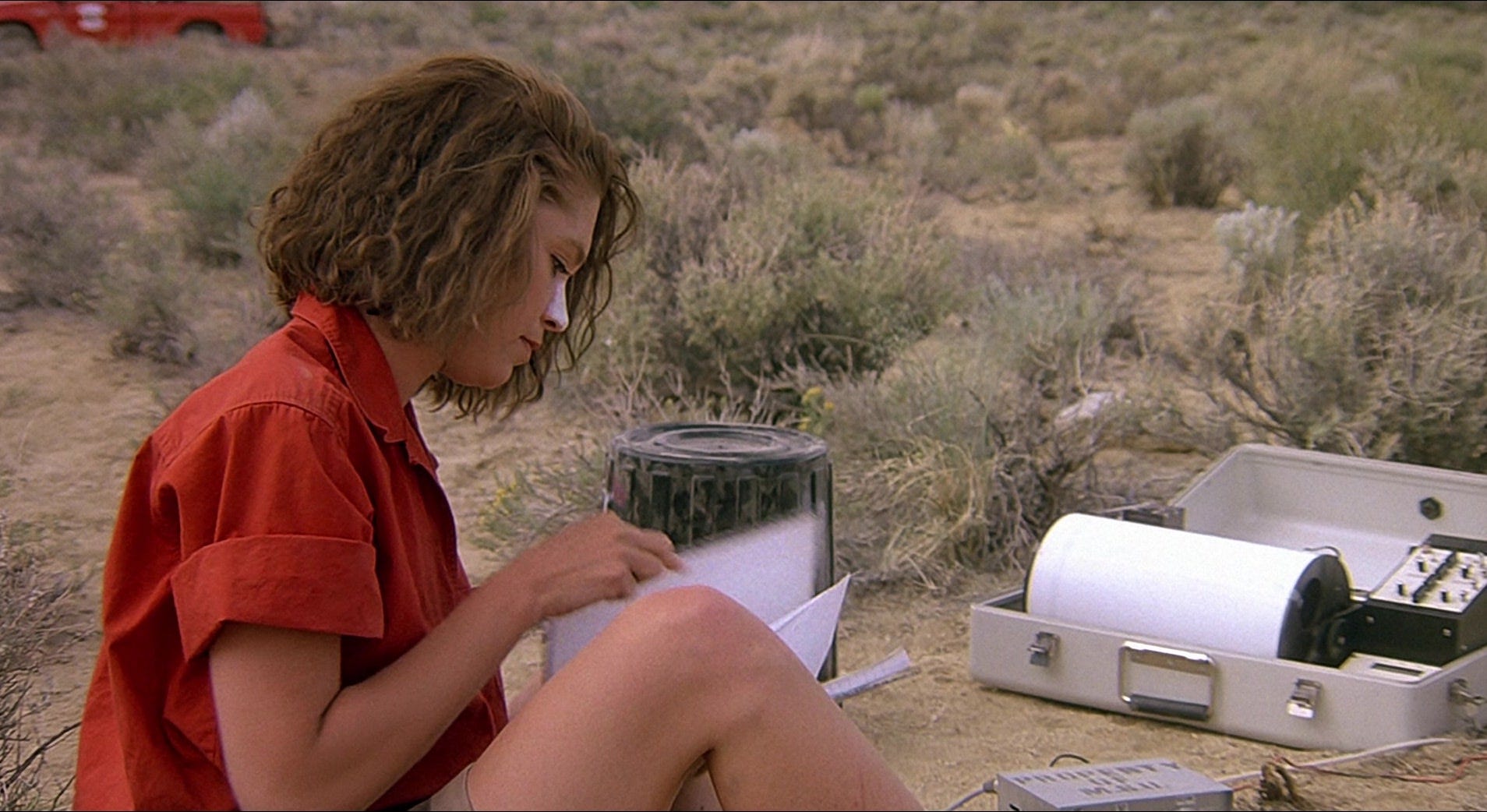
Under Roberts' guidance, Maddock & Wilson took off as a screenwriting tandem. Amblin Entertainment hired them to write various drafts of *batteries not included (1987) and The Land Before Time (1988), as well as a project titled Ghost Boy that Amblin washed its hands of and was rewritten by others for Bill Cosby as Ghost Dad (1990). Complaining to Roberts about their lack of creative control—which included watching Short Circuit 2 (1988) spiral into disappointment—Maddock & Wilson received advice they might not have wanted to hear: Write another original screenplay, and this time, attach yourselves as producers. They began digging through scraps of paper for an idea to develop. Wilson recalled, “One of my early jobs was working ... as a film editor on this big navy base in the desert. And on weekends I would hike around the base and just hang out in the desert. And there were these big mushroom-like rocks, very much like ones we used in the movie. And one day I said, ‘Wouldn’t it be interesting if there were some creature that could move through the sand as if the sand were water and I couldn’t get off this rock?’” Roberts thought this “monster in the ground” idea, which Wilson had labeled Land Sharks, held the most potential of anything her clients had shared with her. Meanwhile, Underwood had directed an ABC Weekend Special, a live-action/stop-motion adaptation of Beverly Cleary’s children’s novel The Mouse and the Motorcycle (1986) and its sequel, Runaway Ralph (1986), earning a Daytime Emmy Award nomination for the latter. He was Maddock & Wilson's only choice to direct Land Sharks.
Whether it was wariness about a first-time director, the clash of genres, or both, every company they approached turned down Land Sharks. Maddock, Wilson and Underwood regrouped and committed their pitch to a three-to-four-page treatment. That too was rejected. Roberts, who represented Underwood, recalled, “Brent, Steve, Ron and I had a meeting, and I said, ‘I’ve done everything I can to get this to people who should get this movie, but they don’t — you’re going to have to write it. And you’re going to have to write it on spec. If you want to do this movie, they won’t get it unless it’s on the page.’” Maddock & Wilson agreed to turn down paying work to bet on their own ideas. They lived twenty to thirty miles apart and collaborated on the script using early personal computers and dial-up modems. A 120-page script took ninety minutes to transmit over a phone line, unless a phone call interrupted the file transfer and forced them to start over. While their characters were being chased by monsters, the writers were fighting off calls from telemarketers. It took six months before Roberts was able to pry something loose from her clients. She recalled, “I kept waiting for the script and one day I said, ‘I don’t care where you are in this script, I’m going to send the Script Police to your houses, and whatever you have, they are going to pick up. And you’re going to bring it in to me and I want to read it so I can see if we have a movie.’” Maddock & Wilson considered titling their screenplay Graboids. That made their project sound more like a Saturday morning cartoon than a movie. They settled on Beneath Perfection, a play on the name of the fictional Nevada town where their story took place. One year after their meeting, the team had dialed in a script.
Maddock’s forte was character, with a knack for writing physical comedy, while Wilson was adept with story and loved monster pictures. They’d conceived Beneath Perfection as a homage to the science fiction movies of the 1950s, in which radiation, outer space, experimentation, or Mother Nature unleashed giant, voracious monsters on the population. Deciding on the appropriate tone took time. Maddock recalled, “The question then is: What is it? Is it a drama? Is it a tragedy? Is it a comedy? Do we want it to be scary? And you have to constantly remind yourself of those, ask yourself those questions. So what we did is we wrote a number of drafts of this. ... Looking at the script you go ... ‘There are some really funny gags, some funny stuff.’ And we wondered, ‘Is that going to make you take the creatures less seriously? Are they going to be less of a scare? Because nobody’s taking them really seriously’ ... So we went through and we did something we rarely do with a script: we made it less funny.”
Script in hand, Roberts went looking for a producer with a track record in science fiction and horror. She found one in Gale Anne Hurd, the producer of The Terminator (1984) and Aliens (1986). Roberts recalled, “The reason Gale was important is because she was a writer and a creator … And I just felt that ultimately, either Gale or someone like her needed to come on board because you have to have a senior force like that to vouch for the director. Particularly a director who only has an afterschool special which is not even remotely in the tone of the script that he has been attached to direct … Studios are not going to give away even ten million dollars unless they have some sort of guarantee that it’s okay.” Hurd and her company, Pacific Western Productions, were producing pictures like the low budget supernatural horror film Bad Dreams (1988). It marked the feature directorial debut of Andrew Fleming. Once Hurd boarded Beneath Perfection, Ron Underwood had her full support. Wilson elaborated, “And the studio was like, ‘What? We’re going to hand off this movie to a guy who’s only directed films for schools and libraries?’ And Gale looked at the movies: ‘Guy’s a filmmaker. Don’t worry about it.’”
Gauging the market for Beneath Perfection, Roberts zeroed in on James Jacks, senior vice-president of production at Universal Pictures. Jacks’ first screen credit came as the executive producer of Raising Arizona (1987), the first studio-backed film by the Coen brothers. Roberts recalled, “At that time, Universal was kind of a wonderful place … In fact, the studio system wasn’t layers and layers of suits. There were a lot of really passionate people in the studio jobs. They really loved movies. And they fought for movies, and Jim was one of them. Universal was in my opinion very fortunate to have hired him.” In addition to the vote of confidence from Hurd, Underwood needed an ally at the studio to get the job. He recalled, “I was just so reserved for what they expected as a director, so they were kind of worried about it, because I’d never made a film before. I’d been doing children’s television.” After a meeting with the studio brass that had not gone well, Jacks pulled the rookie director aside for a huddle. “He said: ‘Just jump around, and jump up the coffee table, and they’ll respond to that.’ … Through Jim Jacks’ coaching I came in, jumped around and they greenlit the movie.”
Universal agreed to acquire Beneath Perfection as a negative pickup, purchasing the film from Pacific Western upon completion at a production budget just short of $12 million. By comparison, Gale Anne Hurd’s epic production The Abyss carried a price tag of $43–47 million. (A competing deep sea thriller, Leviathan, also released in 1989, cost between $22–25 million to produce.) Assuming the role of executive producer, she assembled a crew. Director of photography Alexander Gruszynski had lit Bad Dreams. Like Hurd, line producer Ginny Nugent had gotten her start as assistant to Roger Corman, the prolific low-budget producer whose B-movies had launched the directing careers of Martin Scorsese, Jonathan Demme and Ron Howard, and given Hurd her first shot at producing. She’d brought Nugent along, promoting her to associate producer on Bad Dreams. Creature effects designers Alec Gillis and Tom Woodruff Jr. met Hurd while they were all getting their start with Corman on Battle Beyond the Stars (1980). After they joined Stan Winston Studios, Gillis and Woodruff worked with Hurd on The Terminator and Aliens.
Stan Winston had informed his workshop that they would turn their attention to projects Winston would direct. Considering this a lateral move, Gillis and Woodruff launched their own company, Amalgamated Dynamics Inc., in 1988. They were waiting for their first job when Hurd phoned that she was sending them a script they were going to love. The creatures in Maddock & Wilson's screenplay were evoked more than they were described. In their draft dated 6/12/1988, the moment a graboid first appears read: “Now it opens its mouth—but it’s like a grotesque flower, boney plates spreading open like petals, revealing a huge, slimy, fleshy, oozing orifice! And inside the mouth, a ghastly multi-tentacled tongue!” Gillis dove in. “There was a conversation, 'What are they? Are they prehistoric? Are they alien?' We liked the ambiguity—the script never answered the question as to what their origins were. So that gave us a lot of freedom to start designing … Steve Wilson, Brent Maddock, Ron Underwood and Nancy Roberts were great partners in the design process because we just saw things automatically in the same way. We wanted it to be biologically feasible and reality-based. So Tom and I would bring these nature books to meetings and everybody would page through them, put Post-It marks on images of creatures we liked—and what the director doesn't respond to is every bit as valuable as what the director responds to.”
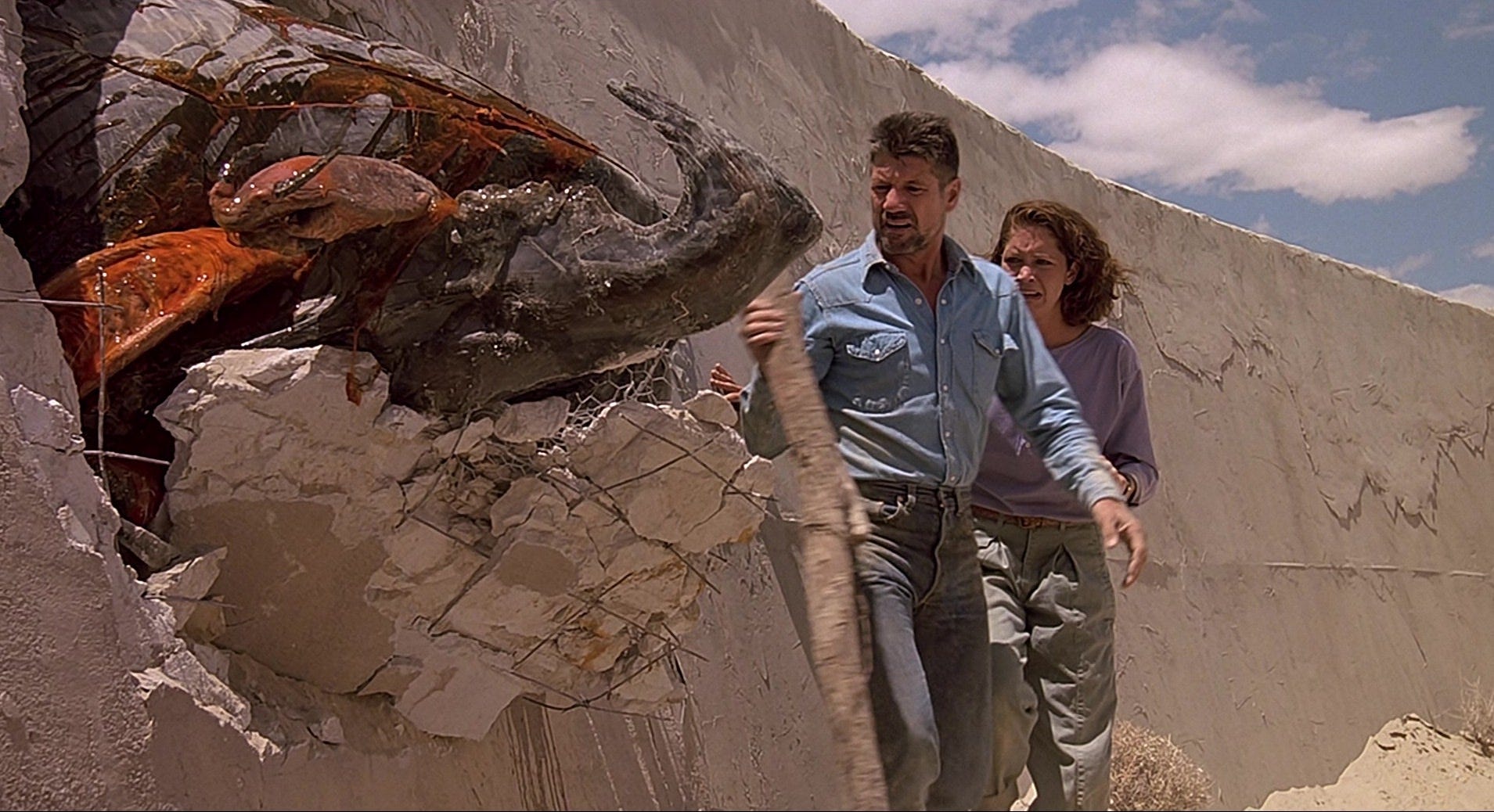
It fell to ADI to design, build and operate graboids that would perform both on a soundstage and out in the desert. Gillis recalled, “One of the first ideas Tom and I had, we were kind of smitten by the heads of snapping turtles, which did survive into the look of the finished graboid, that hooked sort of thing. But something some snapping turtles have that is pretty neat is that they can draw their heads back into this pile of flesh around them as sort of extra protection. So we thought that would be cool, if they ram up and they’re just sort of like, you don’t know what this thing is, it’s just like a giant muscle that comes up and this head extrudes out from inside this flesh.” Then came Hurd’s reaction. Gillis continued, “And we did some sketches and Gale said, ‘This is not going to be a movie about giant dicks chasing people through the desert.’ And we were like, ‘I guess it does sort of look like that, doesn’t it?’ So we circumcised the worms, and exposed the head of the worm … She was correct. She said, ‘I showed this drawing to the women in the [office]. There's no way we're making a movie like this.’ So we learned our lesson and were grateful to Gale for that observation.” ADI built four graboid heads and one thirty-foot body, as well as quarter-scale puppets, which miniature effects artists Robert and Dennis Skotak animated for shots requiring more movement.
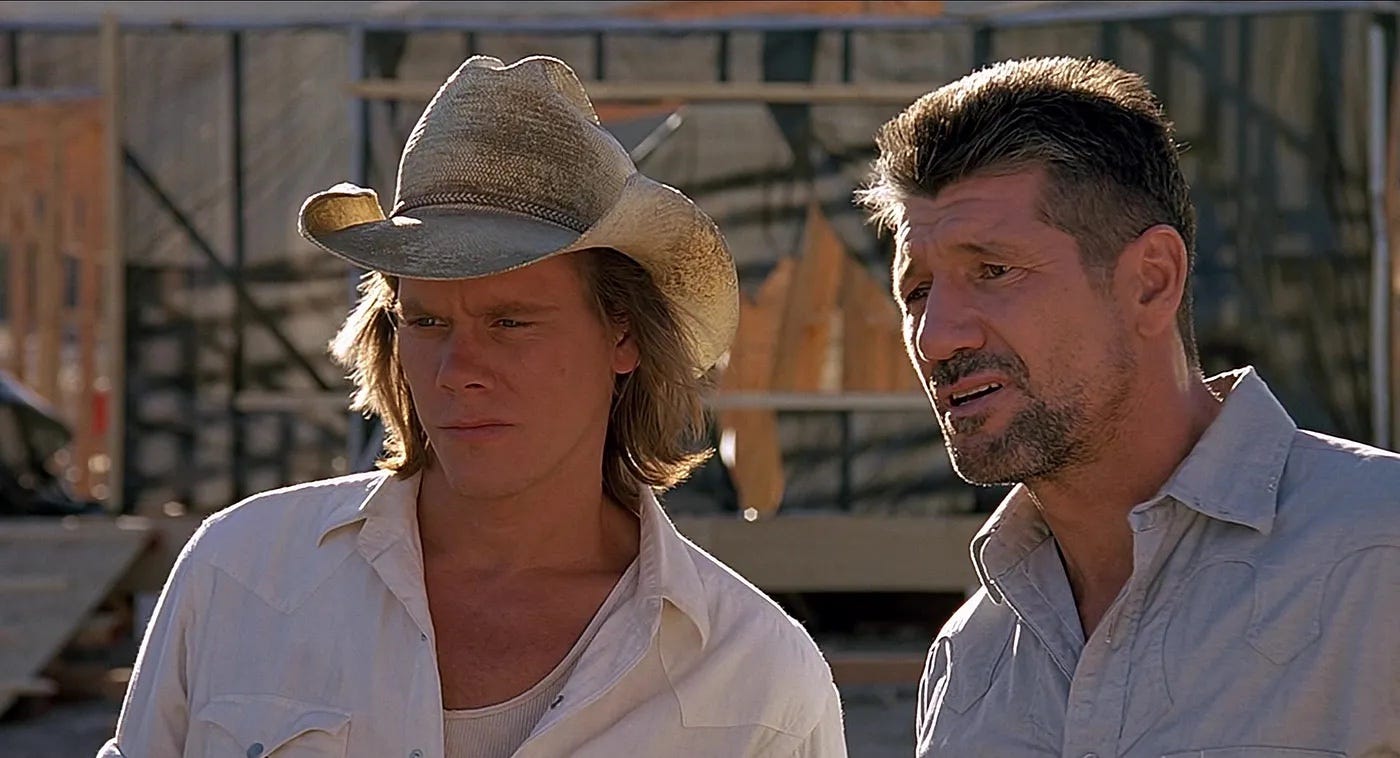
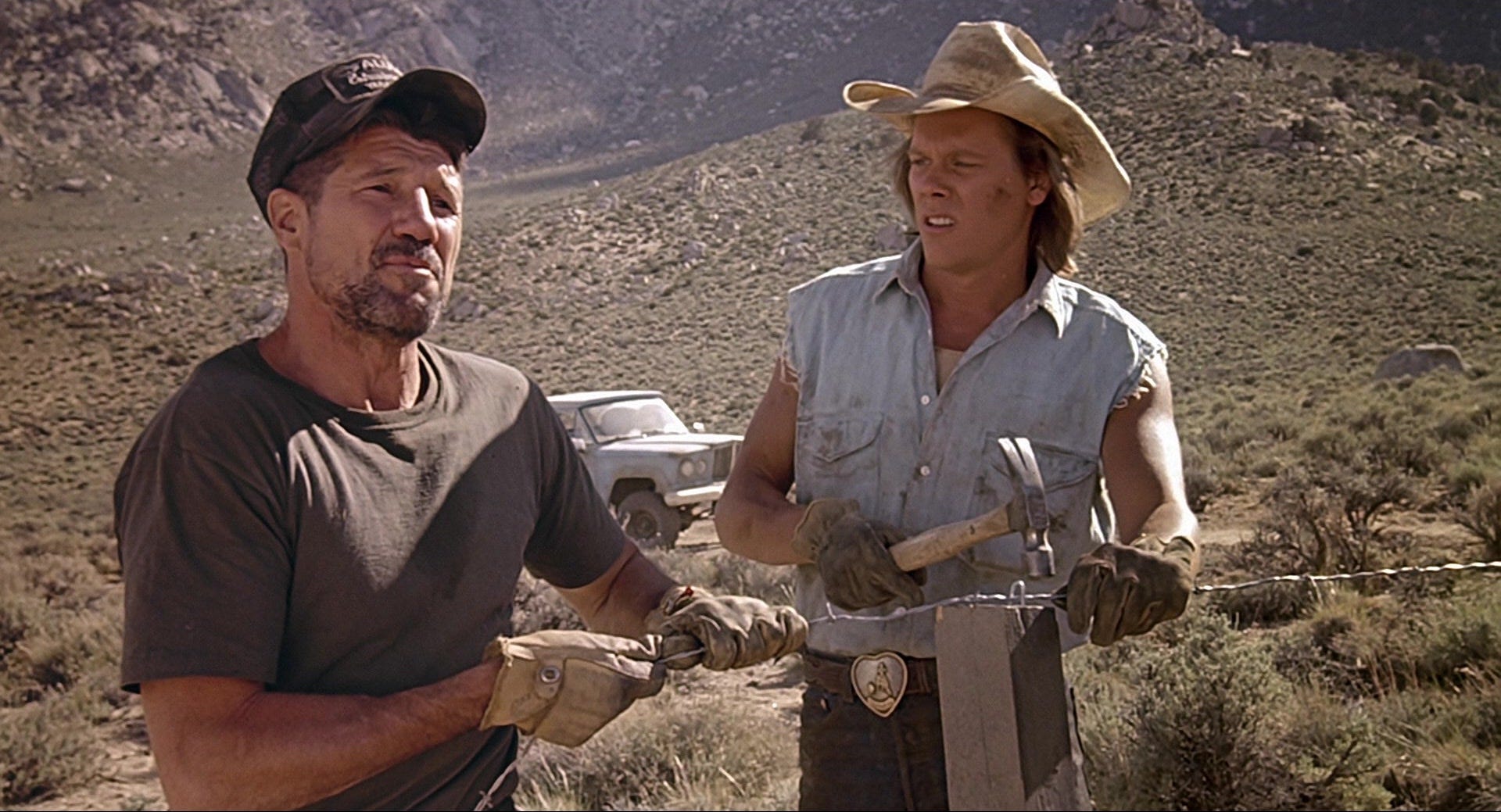
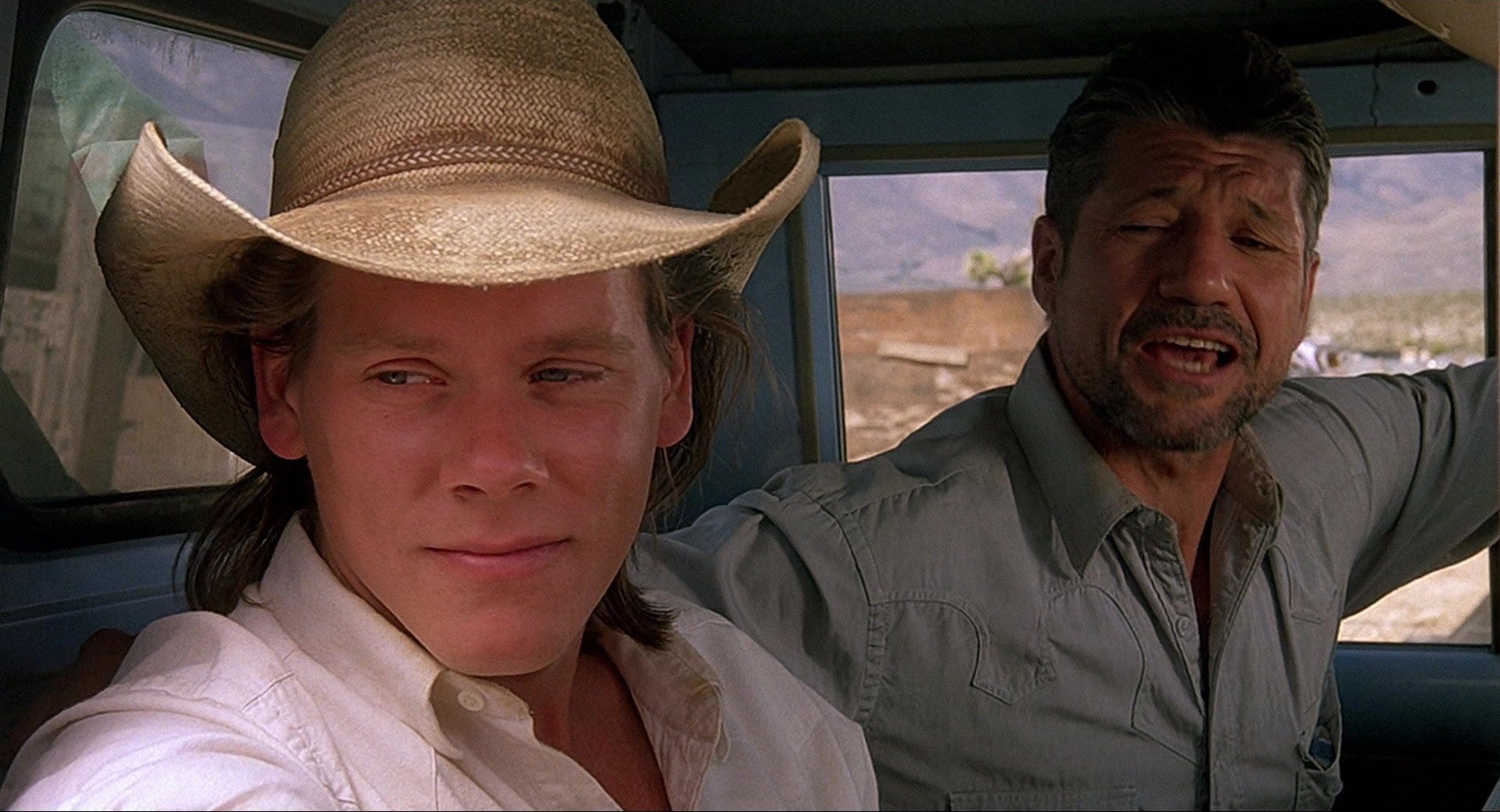
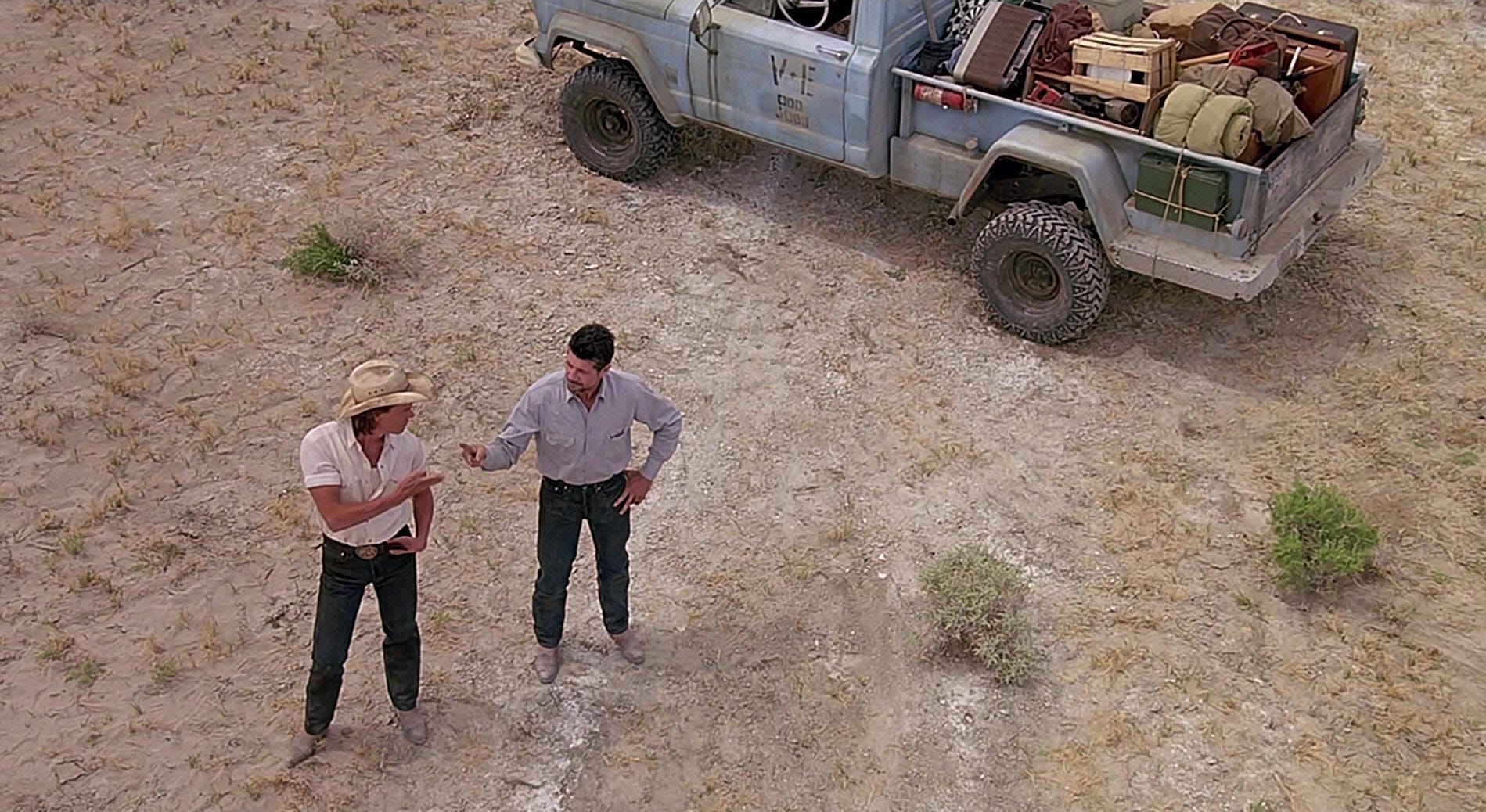
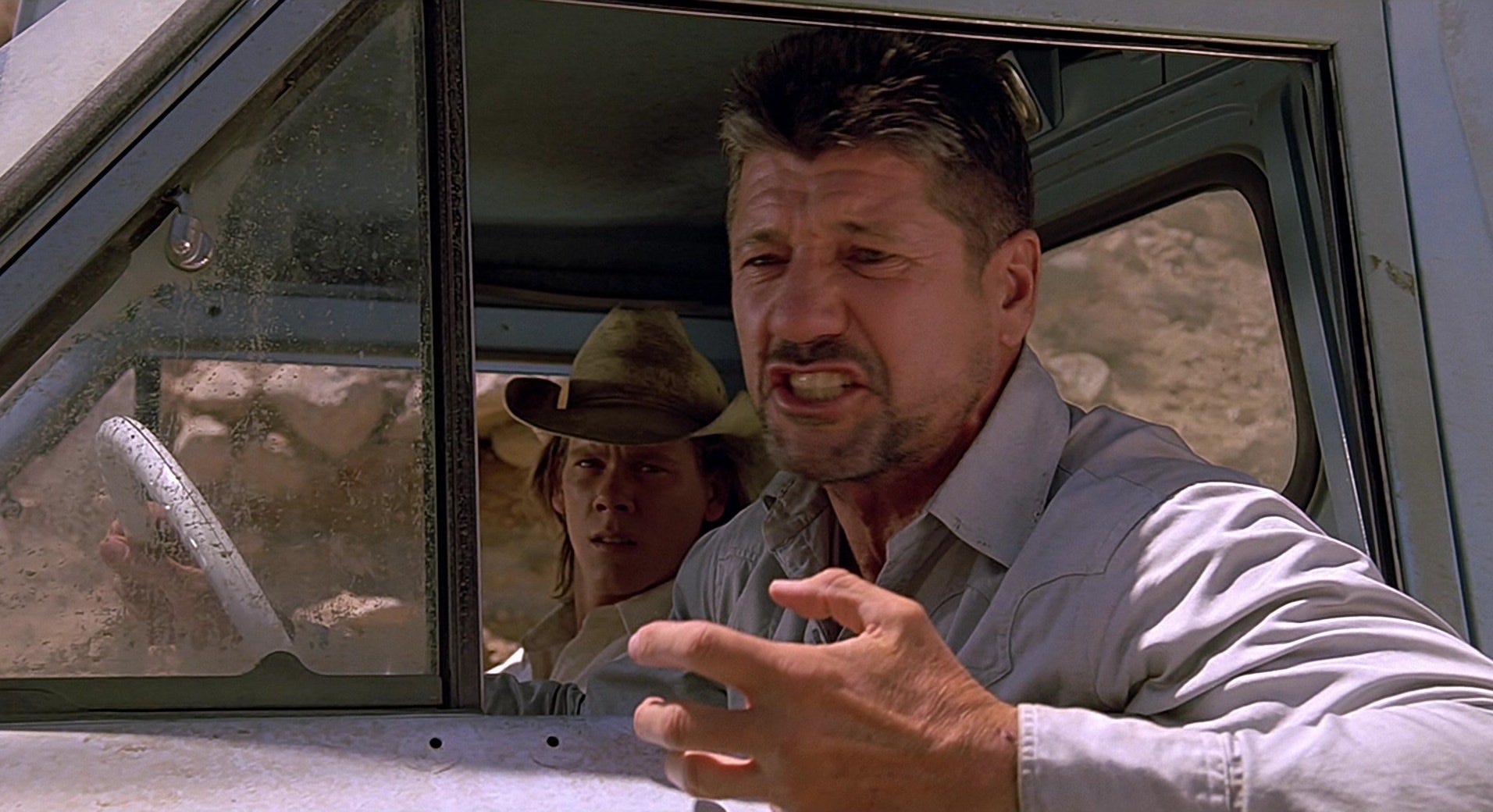
Kevin Bacon and Fred Ward were cast as handymen Valentine McKee and Earl Bassett. Ward had served in the U.S. Air Force before turning to acting. His supporting roles in The Right Stuff (1983) and Swing Shift (1984) seemed written with Ward’s modest swagger in mind. His versatility had established him as a screen actor. Bacon had broken through as a film leading man in Footloose (1984) but had since starred in a string of commercial failures. Quicksilver (1986) was rejected by critics and audiences, White Water Summer (1987) orphaned by its studio, and the release of She’s Having A Baby (1988) delayed eight months. Bacon recalled, “I was feeling at a real kind of low point careerwise. I suffer from the actor’s curse which is I always think that every single job I do is my last. And after Footloose came out, I had a series of leading roles that just all bombed. Just kind of one after another after another after another. And I felt like my career was really close to ending. And my wife was pregnant with our first child. And my mother had also been diagnosed with cancer. And I was at a sort of terrified point in my life … and I saw the bank account dwindling and was feeling a lot of financial and kind of personal pressure. So when my agent called me up and said that there’s this movie … It’s kind of a horror movie but it’s sort of funny. And it’s about giant worms underground. And I was like, ‘Oh my god, my career is in the toilet.’”
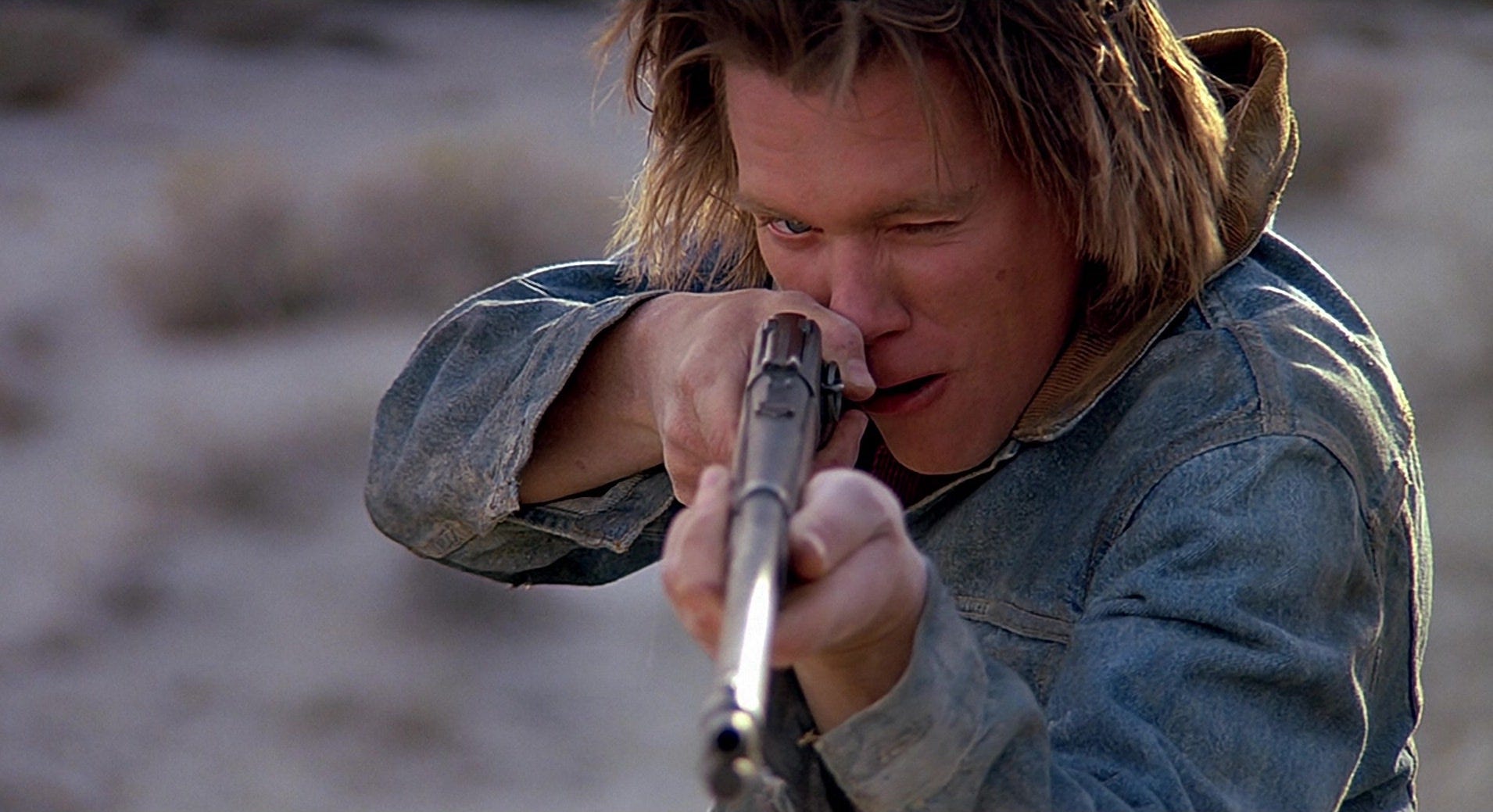
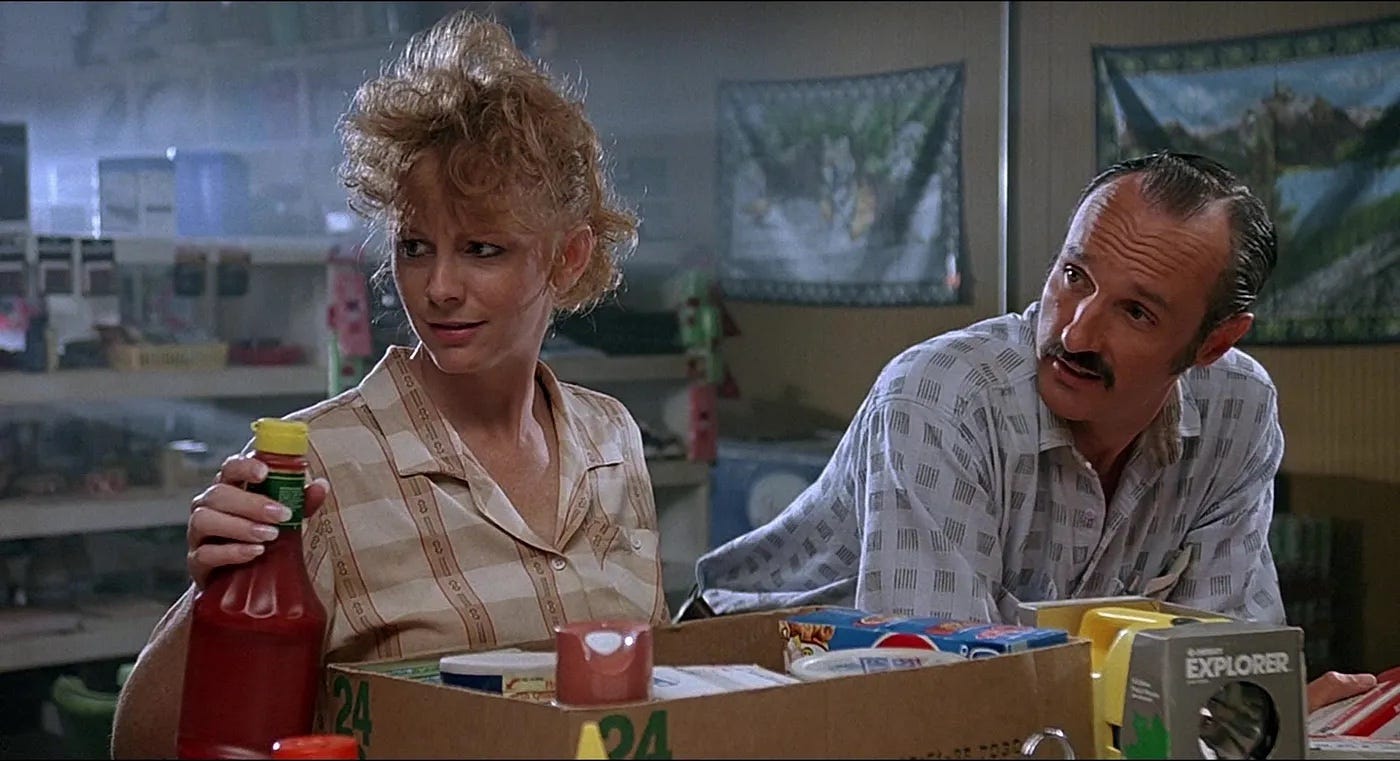
The script by Brent Maddock & S.S. Wilson wasn't what Bacon expected. “Usually if you write the lead like a lead guy, he’s either super smart or super street smart or he’s a real badass or he’s got super powers or something. What I really liked is Val, he’s just not that smart a guy necessarily. And he’s not successful and he doesn’t have super powers and he’s really not that much of a badass … and so I really responded to that. So signing on was sort of a combination of really, really needing to work, and really feeling like I needed to work, and also seeing that there was possibly something I could do with this guy.” Joining Bacon and Ward were Finn Carter as seismologist Rhonda LeBeck, Victor Wong as Walter Chang, owner of Perfection's only business, and Michael Gross and Reba McEntire as survivalists Burt and Heather Gummer.
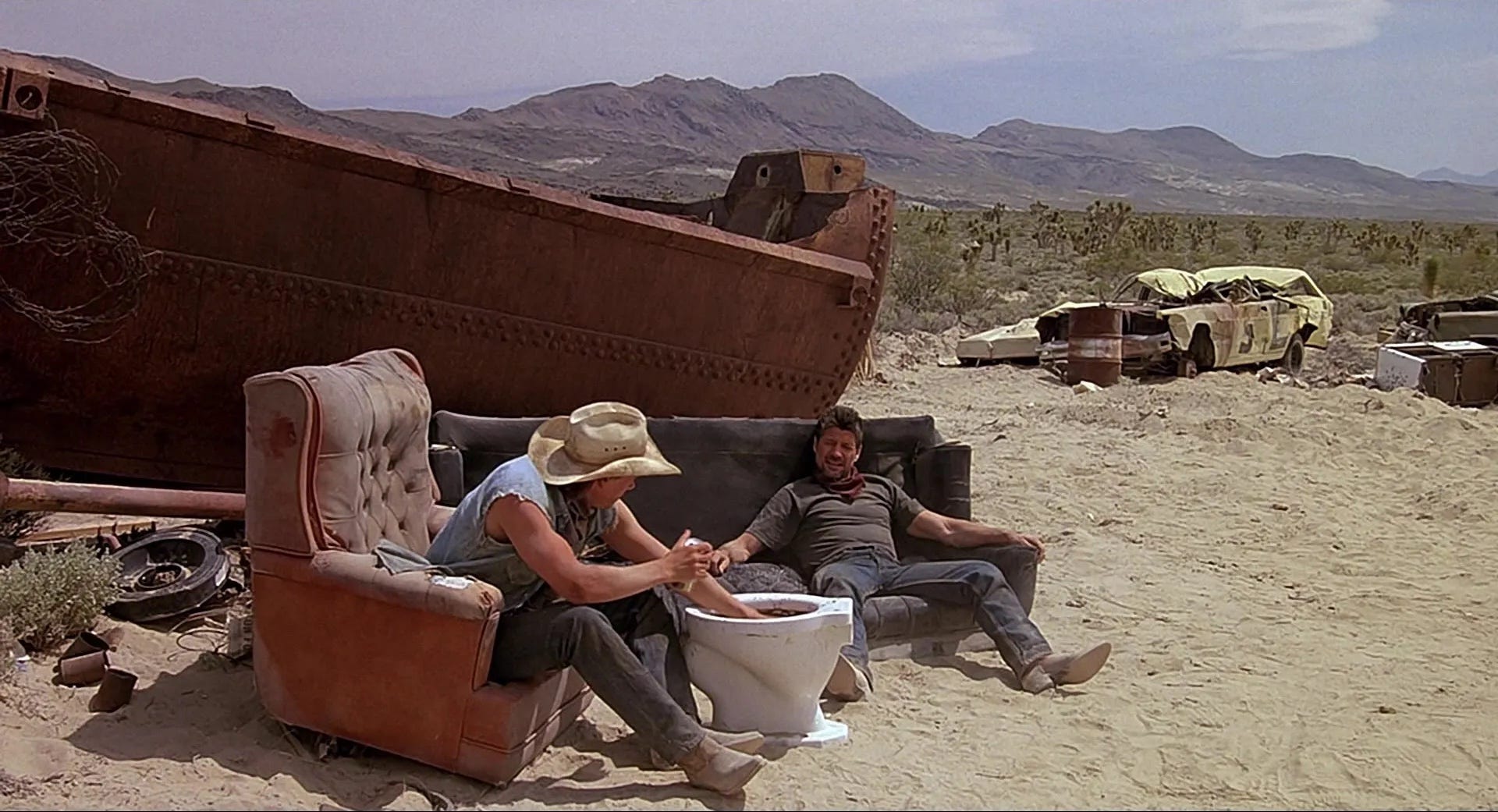
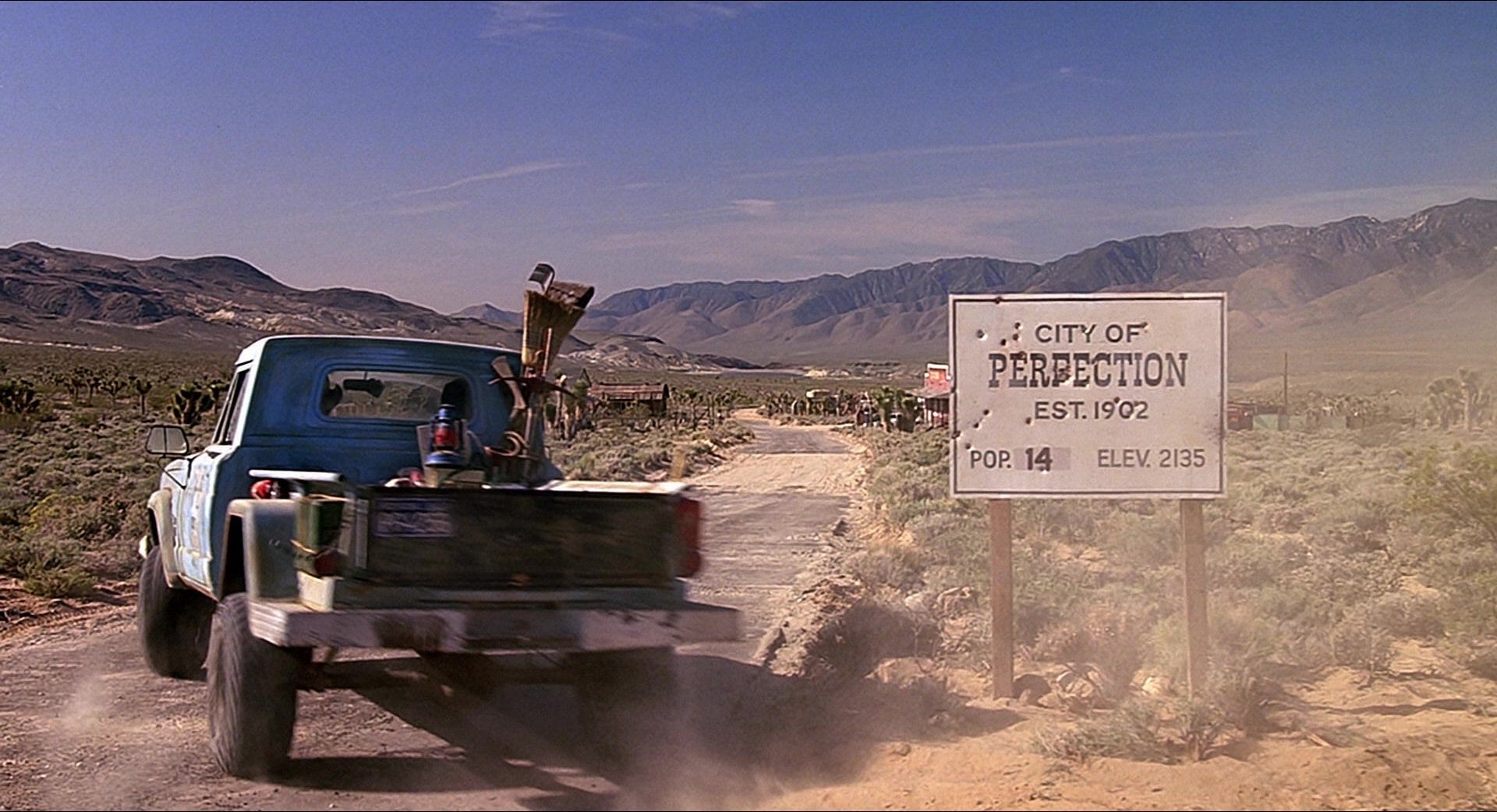
The production designer from Bad Dreams, Ivo Cristante, spent two months building Perfection at a site east of Olancha, California. Once shooting was complete, his sets would be taken down, and nothing remains of the location today except sand and sagebrush. For the sequence S.S. Wilson had dreamt up while hiking in the desert not far from where filming would take place, Cristante constructed a rock formation in Alabama Hills Recreational Area. The high desert terrain had drawn filmmakers of pictures like High Sierra (1940) and Bad Day at Black Rock (1955). A three-hour drive from Los Angeles on the eastern side of the Sierra Nevada Mountains, the remote locations required the cast and crew to be lodged in the town of Lone Pine for several weeks prior to returning to L.A. for interior shooting. Beneath Perfection went into production in April 1989 as Dead Silence, a working title that Hurd had suggested. Having produced Aliens in England and much of The Abyss underwater in two massive tanks located at an abandoned nuclear power plant in South Carolina, she was better prepared for the challenges ahead than those making their first feature film. Wilson recalled, “All movies have their difficulties, but choosing to shoot in the desert, in broad daylight, in the dirt, with monsters and machinery that was susceptible to the dirt and forever breaking down was really hard. And then on top of that, the desert did not cooperate, in the sense that we had snow on some days, we had hail on some days, and then later in production we had 105, 110 degree days.”
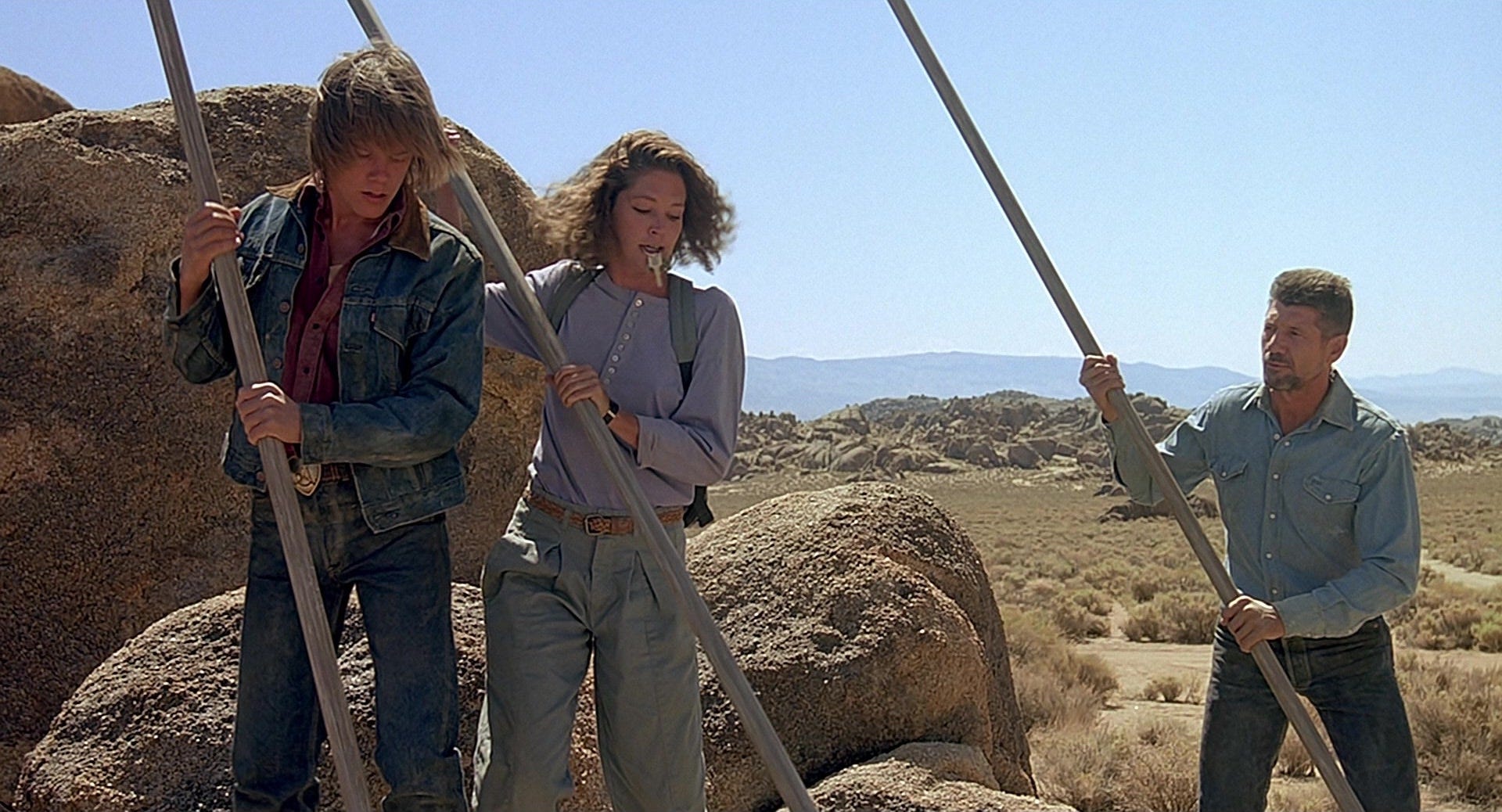
According to Wilson, who heard the story second-hand, when studio chairman Tom Pollock received a crew jacket, he not only threw it across the room, but was adamant the movie not be titled Beneath Perfection. The studio chose a title more befitting a monster movie: Tremors. Maddock & Wilson had written a scene in which, like many science fiction films before it, an extraterrestrial object is found having crashed into the desert. The supplemental scene was intended as insurance in case their plot required clarification, but department heads hated it so much it was never shot. The studio took longer to satisfy. Underwood recalled, “Universal was going through the purchase by Matsushita at that time. And earthquakes are such a big thing in Japan. It was the studio's idea to name it Tremors to make it sort of tie into earthquakes ... So they wanted us to shoot a new opening where an earthquake happens and that unleashes creatures from the core of the earth. We didn't want to do it, but our agent advised us that the studio was very adamant about it. So we did it to the best of our ability.” The scene involved a graboid emerging from a fissure to attack a coyote. According to Underwood, a test audience so rejected it on grounds of animal cruelty that Universal dropped the scene, which probably would’ve survived had the filmmakers selected a victim with two legs instead of four.
Tremors opened January 19, 1990, on 1,472 screens in the U.S. At best, critics were amused. Neither Gene Siskel nor Roger Ebert reviewed it in print, but delivered a split decision on their television program. Siskel stated, “There are elements in Tremors that are great fun. The idea of making giant worms kind of credible villains is funny enough by itself, and Fred Ward in particular is a solid, slightly goofy presence in the picture, but I can’t really recommend Tremors. Some of it goes an awfully long way.” Ebert disagreed. “I liked it enough to recommend it, just barely, but I did like it that much. I thought Kevin Bacon did a good job, and I loved the married couple of Michael Gross and Reba McEntire who are survivalists who have a basement full of hundreds of high-caliber weapons and they empty every gun in their arsenal into one of those worms, including an elephant gun until they finally blow it up. I thought those characters were funny, and I enjoyed the film.” Writing for the Los Angeles Times, Michael Wilmington also had a good time. “Maddock and Wilson, who wrote the Short Circuit movies, are keyed in to small-town rhythms and sensibilities and, though they’re imitating hack writers here, at least they’re trying to be clever hacks. And they are. They’re also well served by the cast in general and by Underwood, who keeps everything loud, fast and shiny. There’s even a genuine battle of wits going on between the humans and the worms.”
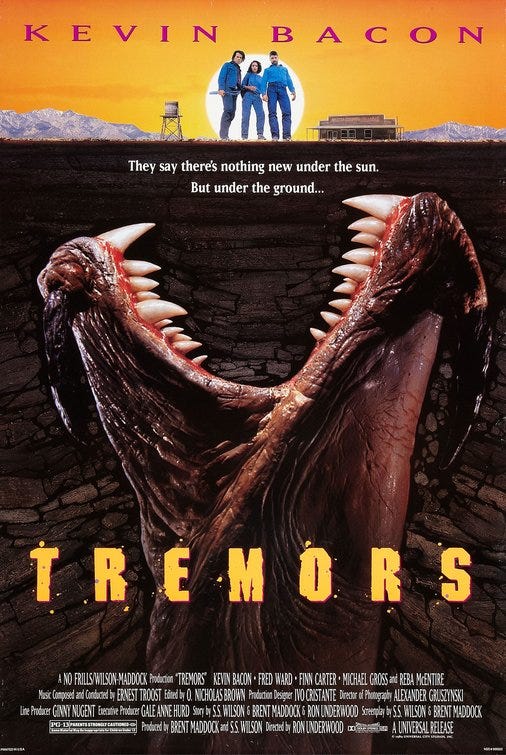
Opening among box office hits expanding their release for awards consideration like Driving Miss Daisy, Born on the Fourth of July, and Steel Magnolias, Tremors fell between the cracks — too goofy for horror fans, too scary for date-night comedy crowds. It spent three weekends among the top ten grossing films in the U.S. before dropping out of sight. Wilson blamed Universal. “The marketing department — who did not see it until it was finished — said, ‘Good heavens, what do we do with this? Is it a monster movie or a comedy? We just don’t know how to sell this!’” Bacon recalled, “The original poster I guess when you look at it now it seems like it was really cool, but I don’t know if it quite told the story about the fact that the movie had a certain tongue-in-cheek kind of attitude to it … So for whatever reason, people really didn’t go. I remember going to the premiere, I think the premiere was in Westwood, and you can just feel the studio’s not really behind it, that it’s probably not going to get any kind of love from the critics, and the chances are, from my standpoint, ‘Yep, here we go. I’m in another bomb.’ And that’s exactly what it was.”
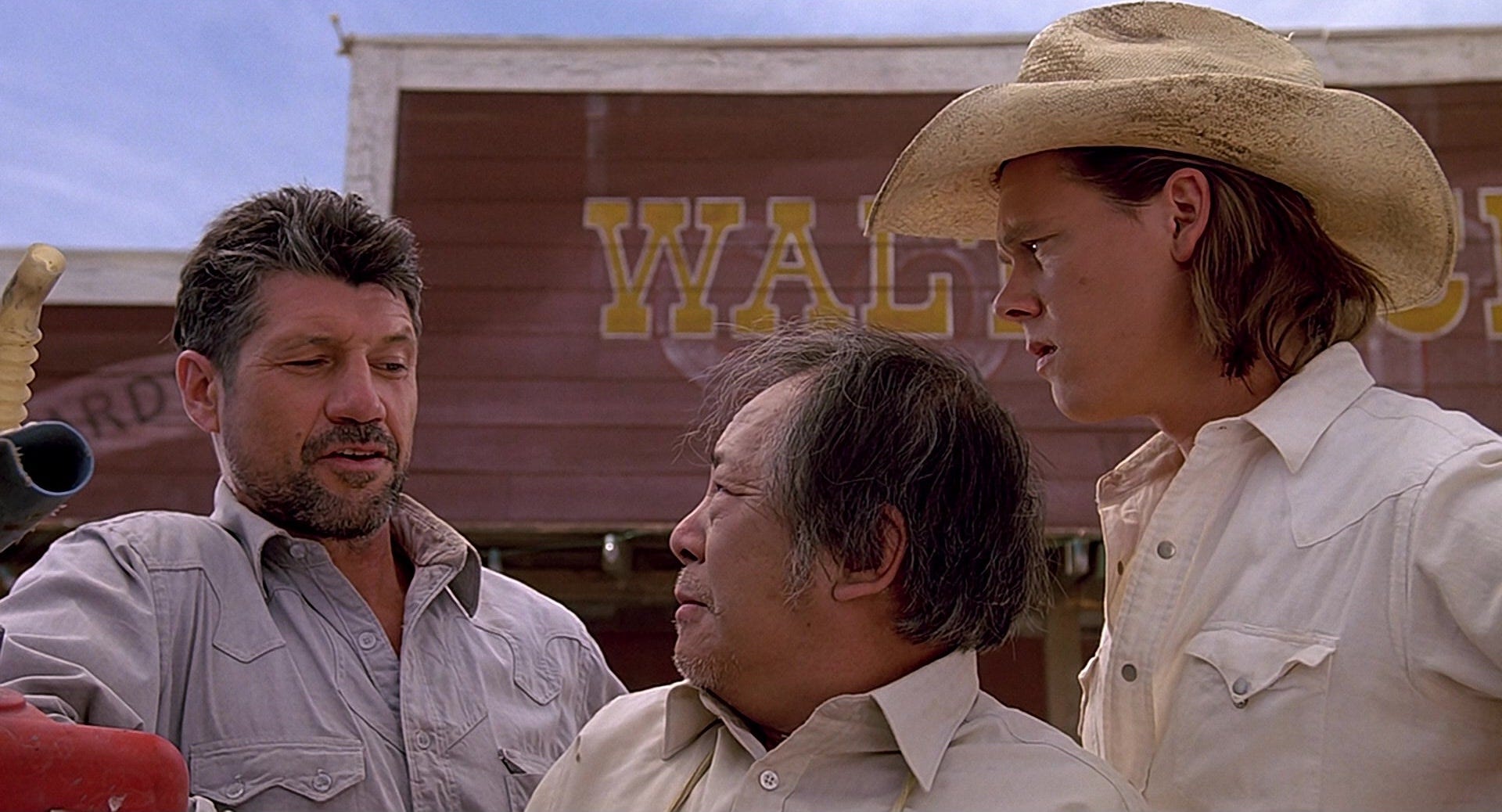
Underwood recalled, “It was so different that that audience didn’t come out on opening weekend … It was released Friday and the executive Jim Jacks, who was a big supporter of the film, called the next morning and said, ‘Ron, we just can’t support the film, unfortunately.’” Debuting on home video in July 1990, Tremors began generating positive word of mouth it hadn’t been given time to build in theaters. The tape became a huge seller. So many units shipped that Universal Pictures Home Entertainment pressed Maddock & Wilson for a sequel. Unable to interest Bacon in reprising his role, their choices were a direct-to-video sequel produced for a third of the original film’s budget, or no sequel at all. The educational film market Maddock & Wilson had apprenticed in gave the filmmakers the training they would need to crank out more Tremors for the small screen, fast and cheap. Produced by Nancy Roberts and directed by S.S. Wilson, Tremors 2: Aftershocks (1996) saw Fred Ward and Michael Gross return to battle more graboids. Bacon did come around to recommending Tremors to his eight-year-old son, Travis. The boy reported back that he loved Tremors 2 — the one his old man had nothing to do with.
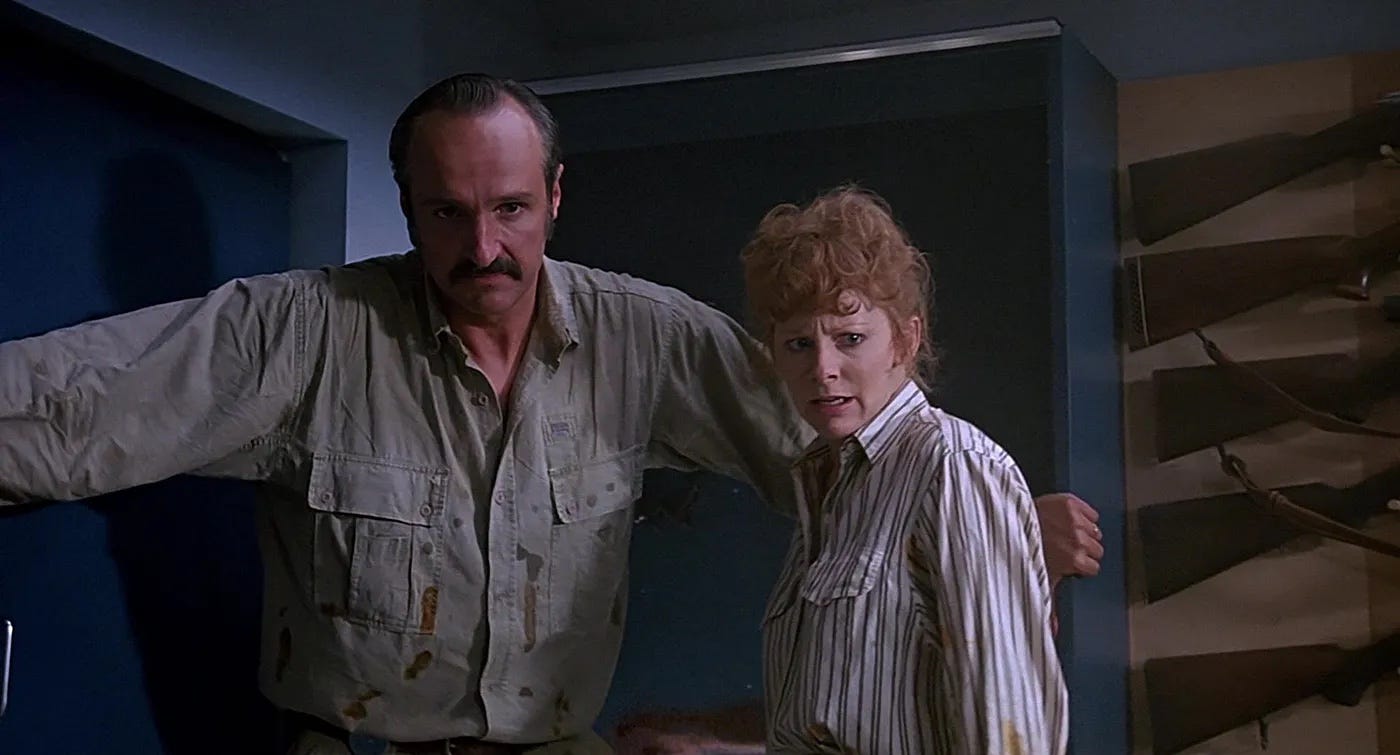
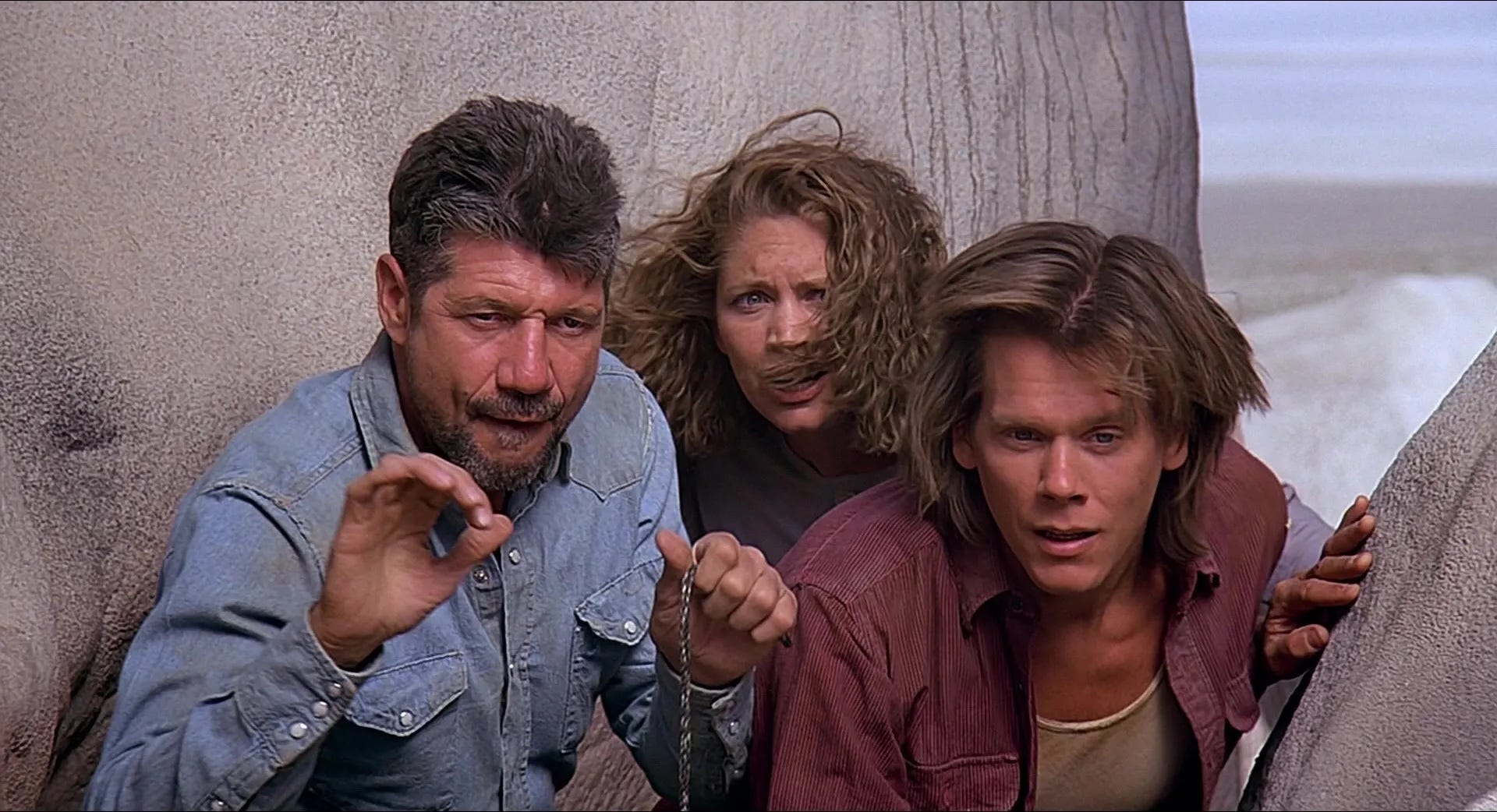
The categorical confusion that dogged Tremors from its birth as a pitch to its quick death in theaters is the reason the movie has endured. The cosmic dread of being pulled under the ground and digested by a giant worm is necessary to ground comedy that would be at home in an Abbott & Costello picture. Let’s take the film’s standout sequence, in which a graboid bursts into Burt and Heather’s armory. The horror is that the hungry graboid keeps coming after its prey. The joke is that its prey are a couple who’ve been waiting to exercise their Second Amendment rights. The most squeamish moment in the movie doesn’t involve creatures at all, but is a comic one, with Val and Earl distracted emptying a septic tank. In a laugh-out-loud moment, Chang appraises a graboid appendage attached to Val and Earl’s Jeep and asks the boys how much they want for it. While the creatures are given mass and menace in a three-ring circus of practical effects by ADI, it’s the well-timed levity of Maddock & Wilson’s script that sticks. Both the horror and comedy are stabilized by the film’s western motifs. The Sierra Nevada backdrop is worth every penny, lending Tremors a frontier look, bright and open, something few horror movies or comedies embrace. The contemporary western sensibility became a calling card for Ron Underwood, who was immediately offered the job of directing City Slickers (1991) by Castle Rock Entertainment.
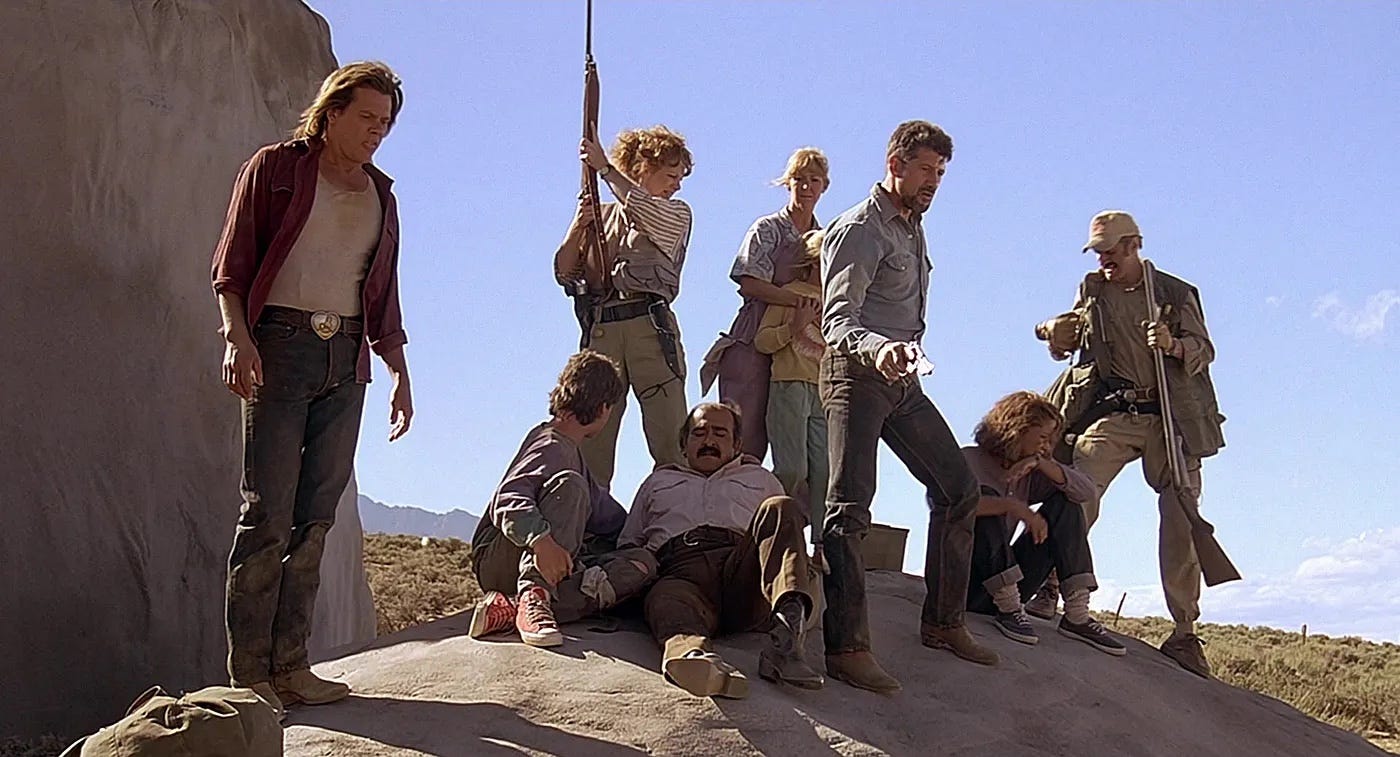
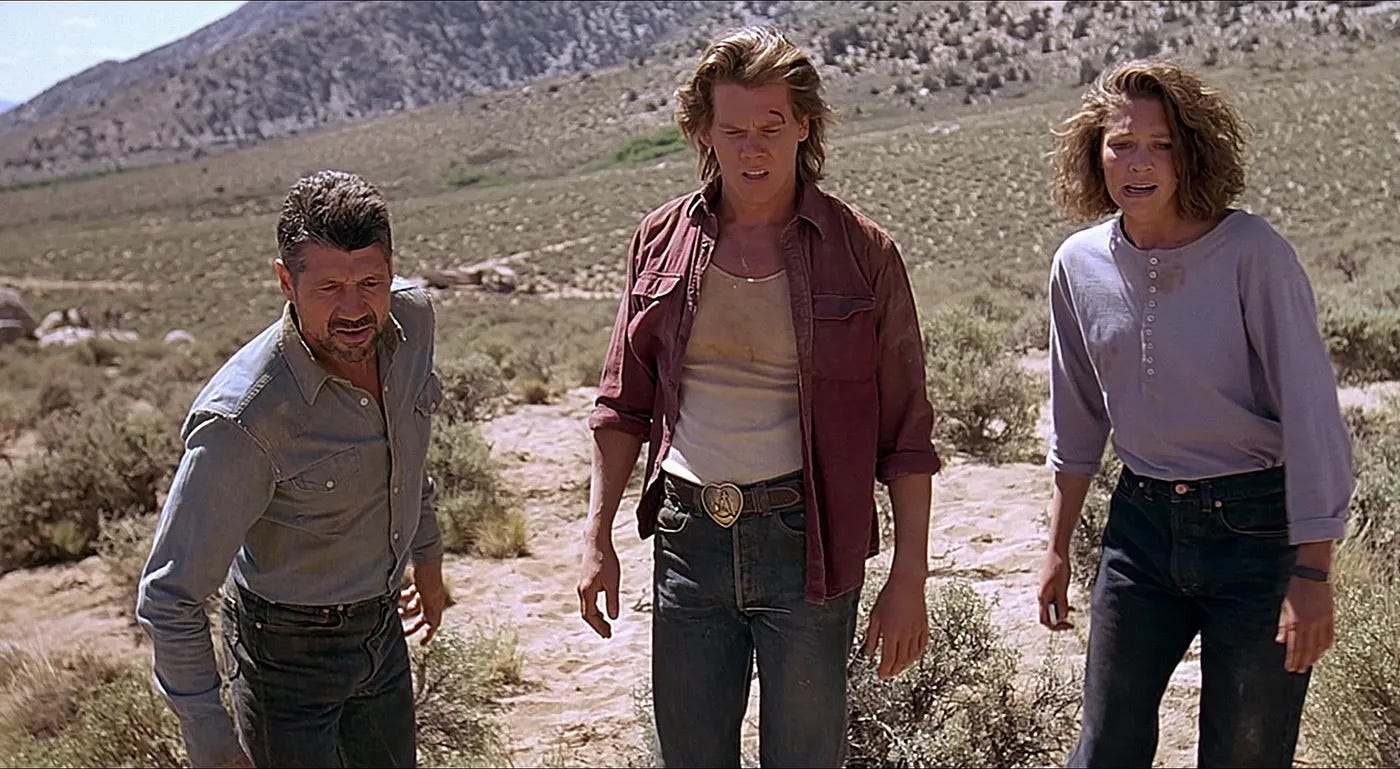
Unlike most monster pictures, Tremors lopes out of the gate, its characters and atmosphere worthy of an indie film titled Beneath Perfection. The movie does without the lawmen or scientists usually summoned to corral creatures. Since no one has ever seen a graboid before, Finn Carter’s character isn’t required to stand in front of a chalkboard or deliver much exposition. Instead, the viewer knows as much as Val and Earl do. The conceit that two grown men who play Rock Paper Scissors are all that’s standing between us and extinction is the best joke in the movie. Alien (1979) pitted space truckers against alien organisms, but handymen had never been pressed into action against movie monsters. Val and Earl draw the biggest shit job in the history of the town. Kevin Bacon and Fred Ward are as skilled as any actor at blending into an ensemble, and together, they strike a lived-in chemistry. Reba McEntire’s comedic instincts suggest she’d been acting as long as Bacon and Ward. In fact, this was her first role. She’s also a grounding presence in the film. While its category remains up for grabs, Tremors is about survival of the most connected, and it thrives in its human ensemble. This includes Bobby Jacoby as a smarmy teenager Jason Bateman might have been too expensive to play. The more the picture leans into its cast and its frontier look and feel, the kookier and more exciting it is.
Video rental category: Horror
Special interest: Doomsday Preppers
The production history in this article is sourced to an article by Blake Harris published in slashfilm on July 24, 2020 and to Tremors: Making Perfection, a series of retrospective interviews with the film’s principals in 2020.