

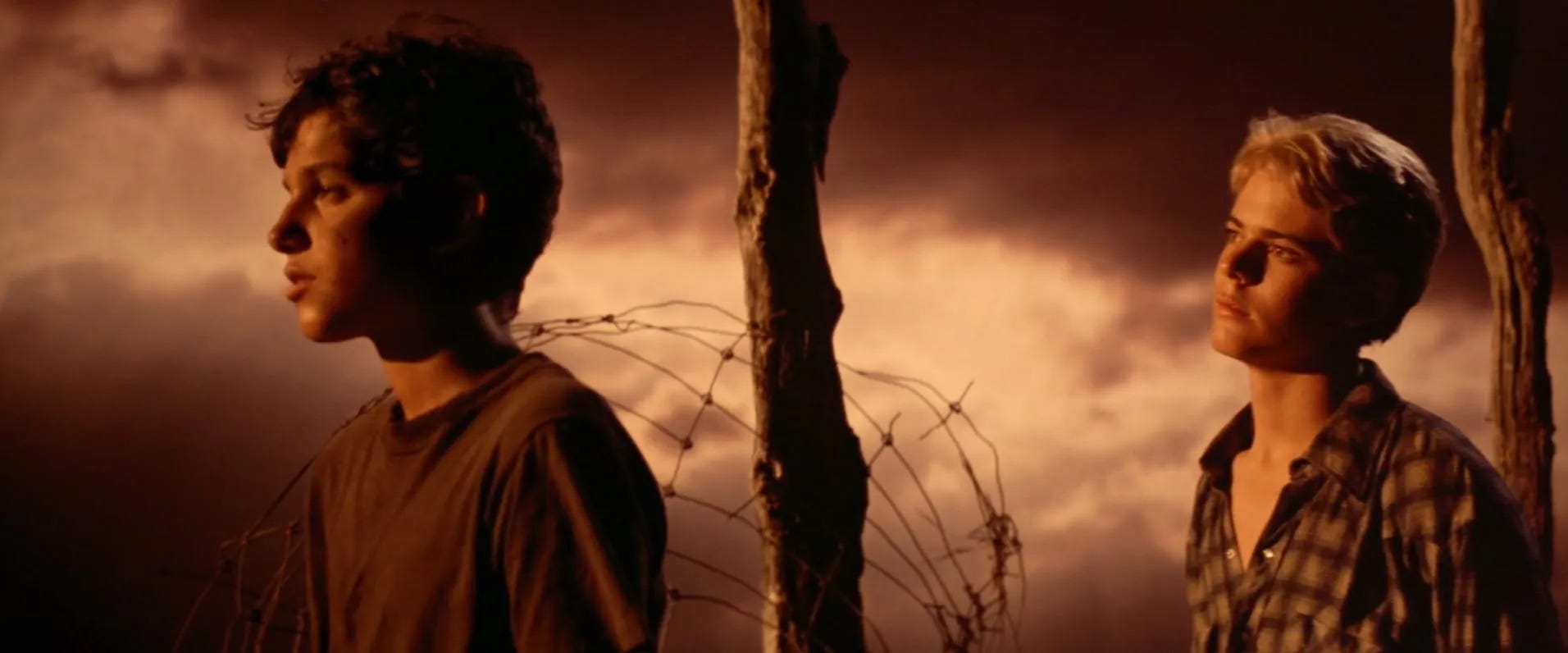
THE OUTSIDERS: THE COMPLETE NOVEL (2005), as THE OUTSIDERS (1983) became known after it underwent a director-approved makeover for the DVD market twenty-two years after its theatrical release, maintains remarkable fidelity to a book whose fans might have welcomed a more complicated examination of youth. What’s hard to dispute is the excitement on screen, with an all-time cast, and a director who hadn’t been this delicate with his characters in some time.
Susan Eloise Hinton was born and raised in Tulsa, Oklahoma. Known by family and friends as “Susie,” she grew up in a working class neighborhood on the north side of town, where her father was a door-to-door salesman and her mother worked an assembly line. Hinton started writing in the third grade, about horses and cowboys mostly. She completed a novel in the sixth grade, then another, filing both manuscripts in a drawer. By high school, Hinton assumed her third novel would end up in the same place. In the preface to her short story collection Some of Tim’s Stories, the author recalled, “If you were through the animal books and you weren’t ready for an adult book, there was nothing to read except Mary Jane Goes To the Prom or Tommy Hits a Home Run. I couldn’t find anything that dealt with teenage life as I was seeing it, so in one sense I wrote it just to have something to read.” Hinton started writing The Outsiders at the age of 15. (Encountering skepticism that a fifteen-year-old could write a successful novel, Hinton started telling people she wrote it at sixteen. Her publisher bumped that up to seventeen). The Outsiders follows Ponyboy Curtis, a 14-year-old orphan who lives with his adult brother Darry and older brother Soda Pop in present day Tulsa. Tensions between the working class “Greasers” and the high society “Socs” escalate into tragedy as Pony Boy makes the transition from adolescence to adulthood.
In an interview with George Lang published April 29, 2012 in The Daily Oklahoman, Hinton said of The Outsiders, “When I first started writing it, it was about forty pages long, single-spaced type, when I got through with it, and I just wrote it over and over and over again, adding more details, filling it out, basically. So the draft the publisher saw was about my third time through it.” Hinton was so focused on writing that her schoolwork suffered, and by the time she completed The Outsiders her junior year at Will Rogers High School, the author had a D in creative writing. She’d given a classmate named Donna Bachmann several of her short stories in order for Donna’s mother to read and critique them. Evelyn Bachmann was an author working on her first children’s book (Tressa, to be published by Viking Press in 1966). When Donna brought Hinton’s manuscript for The Outsiders home (the original and only copy), her mother shared it with a friend named Elizabeth Allen, who’d published a young adult novel titled The Loser in 1965. Using her daughter and her son, the latter of whom was not an avid reader, as a focus group, Allen noted how engrossed they were by Hinton’s story. She passed the manuscript to her agent Marilyn Marlow of Curtis Brown Ltd. in New York. The agent wrote to Hinton, “I think you’ve captured a certain spirit. I’ll see what I can do.”
Random House passed, but did issue an encouraging rejection. Marlow’s next buyer, Viking Press, said yes. Hinton’s contract arrived by mail on the day she graduated high school, which her mother had to co-sign because the author was under 21. Viking suggested Susan adopt “S.E. Hinton” as her pen name so male readers couldn’t ignore her as easily. Published in 1967, The Outsiders kept its author shrouded in mystery. No mention was made of her gender, no photos or biographical data were on the book jacket, and Hinton did not participate in press. Elizabeth Allen knew the editor for young adult books at the Saturday Review and after writing to her on Hinton’s behalf, an endorsement for The Outsiders appeared in the weekly magazine. Royalties helped pay Hinton’s tuition at the University of Tulsa. She graduated with a teaching certificate, but quickly realized that education was not her calling. Hinton married her college sweetheart, who she’d met in biology class her freshman year, and he urged her to continue publishing: That Was Then, This Is Now reached bookstores in 1971, Rumble Fish in 1975 and Tex in 1979. Fan mail, most of it from teenage readers, piled up. Some wrote to Hinton for advice, others for a date. Many of the letters were addressed to Ponyboy Curtis. Realizing The Outsiders meant something personal to young people, Hinton resisted offers to option the film rights.
Jo Ellen Misakian arrived in Central California by way of Oklahoma, specifically, the town of Allen, and by the early seventies she was running a small school library at Lone Star School composed of around 4,000 books. Misakian made an effort to read titles she was unfamiliar with in her search for fiction she could recommend to students. The junior high school boys were difficult to reach. Other than Durango Street by Frank Bonham, Misakian knew of no books that really spoke to them. When she started reading The Outsiders, the librarian felt she might have found a winner. She began a quiet campaign on behalf of S.E. Hinton’s young adult novel, one faculty member at a time. A couple of years later, one of the teachers commented that The Outsiders would make a good movie. Misakian turned to two students who spent a lot of time in the library, Kristi Bishop and Esmerelda Martinez, the latter of whom had read the book in third grade on the school librarian’s recommendation. Merely looking for a way to promote the library and encourage reading, they decided to circulate a petition advocating for The Outsiders to be made into a movie. Over 100 of the school’s 347 students co-signed the petition.
The librarian phoned a columnist at the Fresno Bee and asked for the name of a director who might best translate The Outsiders to film. The columnist suggested Misakian contact Lloyd Shearer, arts and entertainment editor of Parade magazine. Shearer directed the librarian to write S.E. Hinton. No one seemed to have an opinion on a director, and Hinton never wrote back. Misakian ultimately came across a review of a movie titled The Black Stallion (1979) in Newsweek magazine which credited the filmmakers for sticking closely to the novel by Walter Farley. The movie was produced by Zoetrope Studios, with Francis Coppola as executive producer. Utilizing reference materials at the Fresno County Public Library, Misakian found a business address for the filmmaker in New York, and wrote him a letter. Dated March 21, 1980, it read: Dear Mr. Coppola: I am writing to you on behalf of the students and faculty at Lone Star School. We hope you will take the time to consider our request. We are all so impressed with the book The Outsiders by S.E. Hinton that a petition has been circulated asking that it be made into a movie. We have chosen you to send it to. In hopes that you might also see the possibilities of the movie, we have enclosed a copy of the book. We feel certain that if you will read the book you will agree with us. Thank you for your time.
According to Fred Roos, Coppola’s producing partner, the Academy Award winning screenwriter (for Patton, The Godfather and The Godfather, Part II), director (The Godfather, Part II) and producer (Coppola’s third Oscar for The Godfather, Part II) received unsolicited material all the time, usually at his office in Los Angeles, where it was placed the slush pile. Misakian’s parcel should’ve been buried there too, but by happenstance, Coppola and Roos were in New York when it arrived there by mistake. Coppola opened the parcel himself, and brought its contents to the attention of his producer. In an article by Aljean Harmetz published in the New York Times on March 23, 1983, Roos shared his initial assessment of Hinton’s work by admitting it “looked like the book was privately printed by some religious organization.” After weeks of carrying the paperback around, he decided to give its first ten pages a read on a flight. Getting past its horrendous cover, Roos finished The Outsiders and agreed with Jo Ellen Misakian that it would make a good movie.
In the summer of 1980, Fred Roos reached out to Teresa Wilkerson, a Tulsa native who the producer had met while casting Dillinger (1973) in Oklahoma. She didn’t know S.E. Hinton, but knew people who did. Wilkerson was able to arrange dinner in Tulsa between Hinton and her husband, and Roos and another producer for Zoetrope named Gray Frederickson, with Wilkerson attending as well. The author was dubious about optioning the film rights to The Outsiders and unimpressed by Francis Coppola’s awards. What got her attention was The Black Stallion. Hinton owned horses, and had not only seen the movie, but was impressed by how faithfully it followed the book. Zoetrope was so strapped for cash as costs escalated and investors bailed on Coppola’s latest picture One From the Heart (1982) that instead of meeting Hinton’s option fee of $5,000, Roos and Frederickson offered $500 as a down payment. The Outsiders would be developed on the cheap. By November 15, 1980, Roos had commissioned Kathleen Rowell, a UCLA grad with two unproduced spec scripts and a teleplay for a movie of the week, to adapt The Outsiders. She volunteered to pose as a high school student to research whether Hinton’s observations on teenage life still applied. Rowell was 29. To direct, Zoetrope settled on a 39-year-old filmmaker named August Cinquegrana, whose documentary short Goodnight Miss Ann (1978) had been nominated for an Academy Award.
Cinquegrana began auditioning actors, as well as consulting with Rowell on the script, a second draft of which Zoetrope mailed to Jo Ellen Misakian, who Roos and Zoetrope’s VP of production Lucy Fisher wanted to keep involved throughout pre-production. The public school librarian convened a table reading of Rowell’s script among students at Lone Star, and according to Misakian, many shared their misgivings. “So, brave me, I took the script down to Fred Roos and said, ‘We don’t like this.’ That’s why he sent it to us. He wanted to know what the kids thought of it, right? But often Hollywood turns these great books into something less than what they are. It said in The Black Stallion advertisement I had seen that the movie stuck very close to the book. That was our criteria. That was what we wanted. Too many times, you see a book turned into a movie and they lose the magic of the book. That’s what we didn’t want to happen.” Coppola agreed. Commenting for the same article in the New York Times as Roos had, the director shared, “The results seemed too much soap opera. So the book fell into a bin with three or four other projects.” Months later, Zoetrope was mired in bankruptcy as One From the Heart headed for a cataclysmic commercial failure. Faced with a decision to get out of the film business or get back to work, At 17, Coppola had worked as a counselor at a summer drama camp in the Poconos, and the prospect of directing a dozen actors who were either teenage or close to it held tremendous appeal. Working in Tulsa would also get Coppola out of L.A. as his dream of Zoetrope was being sold off. Casting director Janet Hirshenson summarized, “Get out of town. Go make a movie. That’s what we did.”
Coppola began by adapting a script himself. According to Lucy Fisher, the filmmaker thought that he might be able to input Hinton’s book into a computer that would format a faithful screenplay, but long before LLMs, this proved futile. Instead, Coppola reached out to S.E. Hinton, who had misgivings about Kathleen Rowell’s draft as well. The author stated, “Francis had me in to work on the screenplay with him. What he had done is he took a paperback book and he cut pages out of it and he outlined the character descriptions in one color and the interior thoughts in one color and then the dialogue in another color and kind of cut it all up and he had somebody paste it together. Francis wrote the screenplay and said, ‘Will you cut it for me?’ I said, ‘I will, Francis, but I’ll warn you that I’m a ruthless cutter.’ Here I am reading this stuff that I wrote when I was in high school and I thought, ‘Here is my chance to make it better.’ And so, once in a while, I would change a line of dialogue and he would read it. He had no problems with any of the cuts I made, but he said, ‘Susie, is this just like it was in the book?’ And I said, ‘No, Francis, but it’s better, really.’ He said, ‘We are making this movie for the readers of the book, so we are going to keep it the way it was.’” (A draft of The Outsiders dated March 1, 1982 was credited to Francis Coppola, triggering the Writers Guild of America to convene an arbitration, in which three anonymous screenwriters studied Rowell and Coppola’s drafts to conclude that Kathleen Rowell merited sole credit for the screenplay).
With a script he was satisfied with, Coppola’s preference was to self-finance The Outsiders, as he had Apocalypse Now and One From the Heart, giving him ownership of his film. He employed Jim Halsey, manager of The Oak Ridge Boys and a Tulsa native, to arrange a dinner with investors Halsey knew in the oil and gas industry who might be interested in financing a major motion picture to be shot in Oklahoma. The pitch landed at the worst possible moment in the energy sector, with the price of crude oil plummeting, layoffs looming and the industry adopting the mantra “Stay Alive ‘til ‘85.” Lucy Fisher had accepted a job as a VP of worldwide production at Warner Bros. Pictures, and though the liquidation of Zoetrope had resulted in its assets being sold off, The Outsiders was one of two projects she set up for financing and distribution at the Burbank studio (an adaptation of the children’s novel The Secret Garden by Frances Hodgson Burnett would be made at Warner Bros. with Roos as a producer and Coppola as an executive producer in 1993).
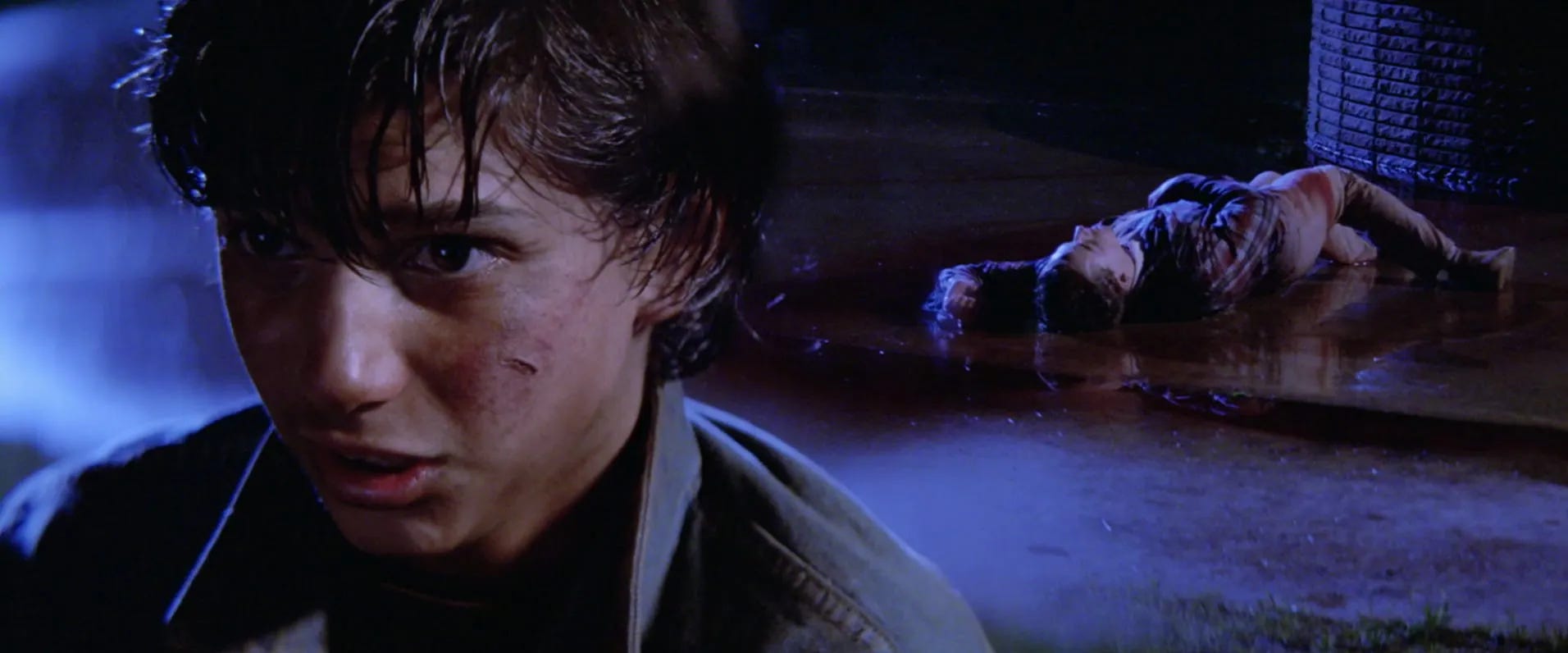
Janet Hirshenson had read a number of actors for roles in The Outsiders when August Cinquegrana was directing. Several months later, Fred Roos phoned to let her know Coppola now directing and wanted to start shooting in a month. Coppola’s son Gio videotaped many of the auditions, the best of which Hirshenson and Gio would submit to Roos and the best of those the three of them would submit to Coppola. From the start, Roos had Matt Dillon and Ralph Macchio in mind. Dillon had been featured in three movies, all of them good — Over the Edge (1979), Little Darlings (1980), My Bodyguard (1980) — and had wrapped his first leading role, in an adaptation of S.E. Hinton’s novel Tex (1982). Macchio had been a cast member on the fifth and final season of the TV series Eight Is Enough. Dillon was seen by some as the closest embodiment to James Dean among his peers, while Macchio had a sensitive quality paired with credibility that his character could be a victim of bullying. (The appraisals of both actors would be on the money, Dillon going on to star in The Flamingo Kid and Macchio in The Karate Kid in 1984).
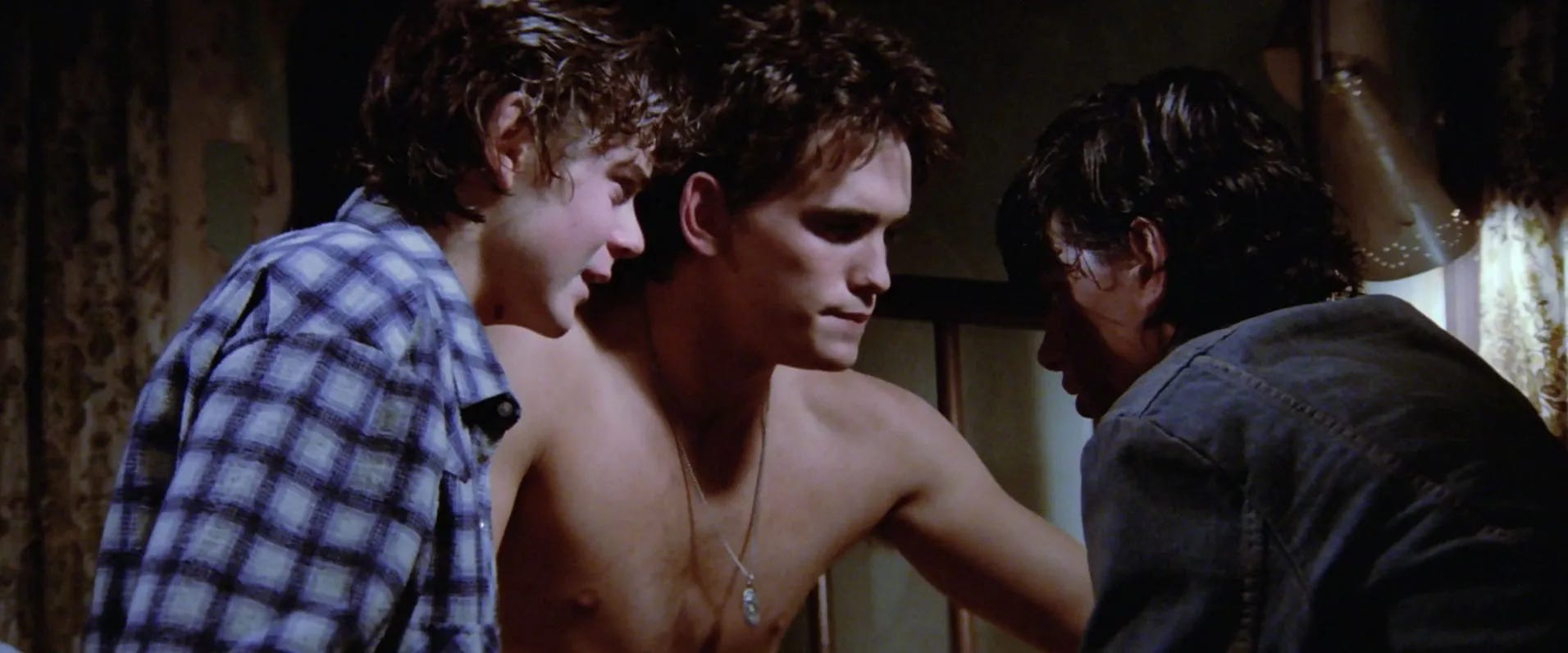
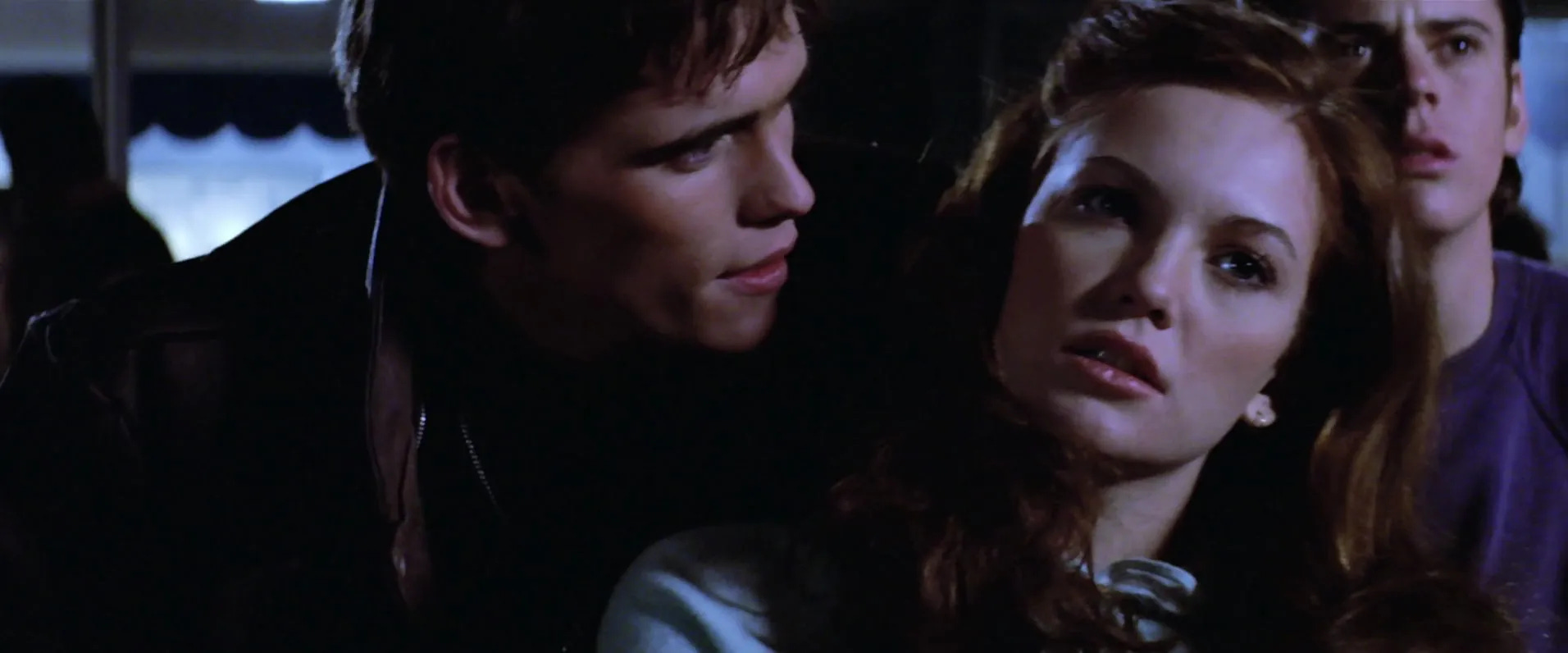
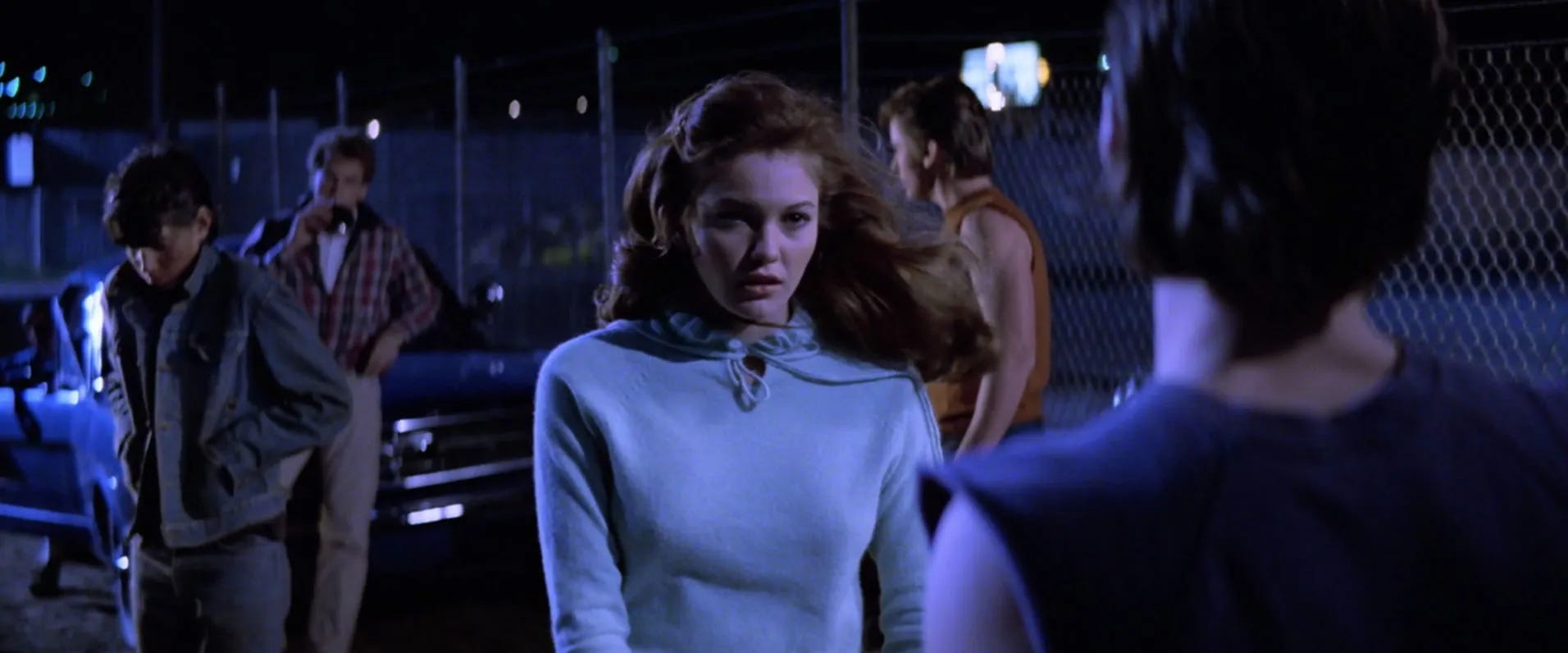
Coppola convened what became a mythic casting session in Los Angeles, with some sixty finalists broken into small groups to take turns performing different characters. Dennis Quaid remembers Kevin Costner, Mickey Rourke and Bruce Willis being there — none of whom would be cast — along with Matt Dillon and Tom Cruise who would. The latter had one film role, in Taps (1981), to his credit. Kate Capshaw, Helen Slater and Catherine Mary Stewart vied for either of two roles for young women in the show. Like Dillon and Macchio, Fred Roos had Diane Lane on his radar, on the basis of a romantic comedy titled A Little Romance (1979) she’d co-starred in at age 13. Lane was cast as Cherry Valance, a redheaded cheerleader who becomes an intermediary between the Greasers and the Socs. On the basis of an exploitation movie Janet Hirshenson had cast titled Skatetown U.S.A. (1979), Roos had called a meeting with an actor/ dancer named Patrick Swayze. Hirshenson barely remembered Swayze, and now in his mid-twenties, he seemed too old for The Outsiders, but Hirshenson’s business partner Jane Jenkins sent her a tape of Swayze’s dancing and with the role of Darry uncast, Swayze won the part.
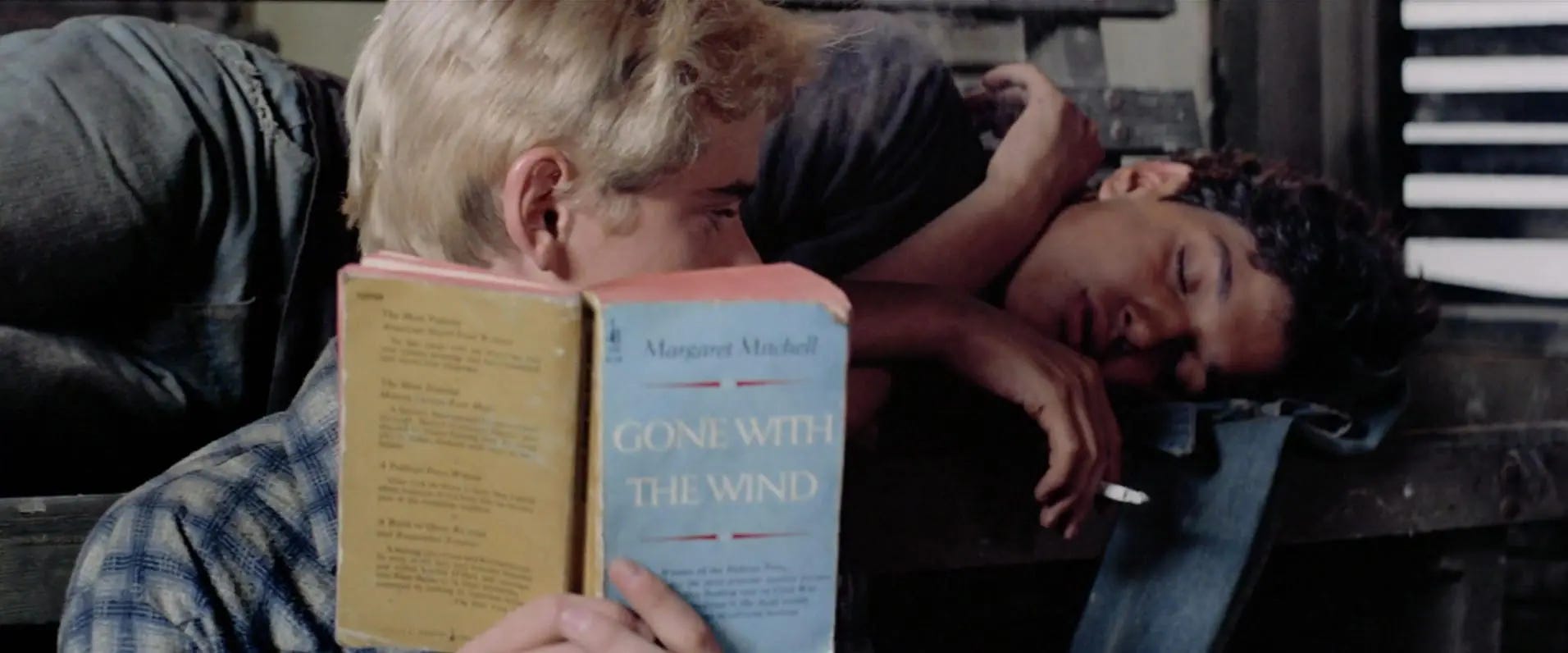
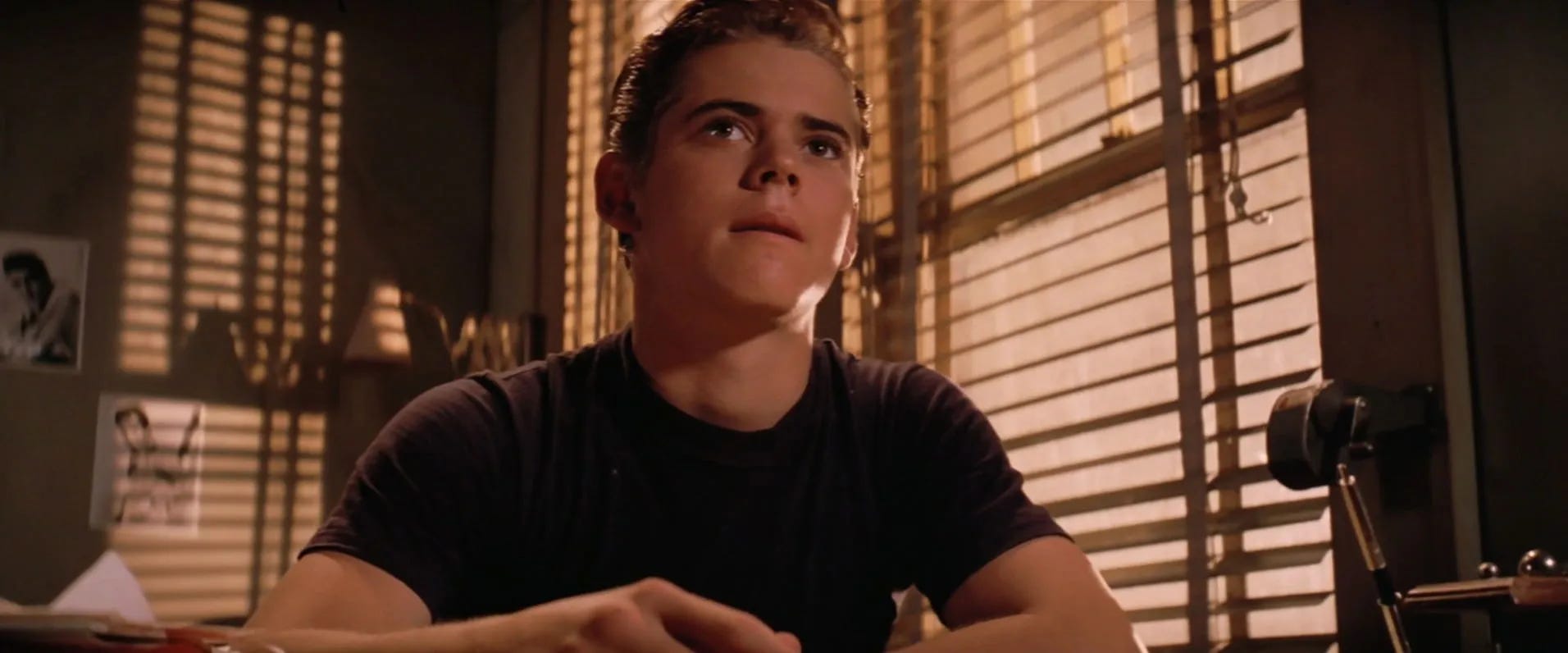
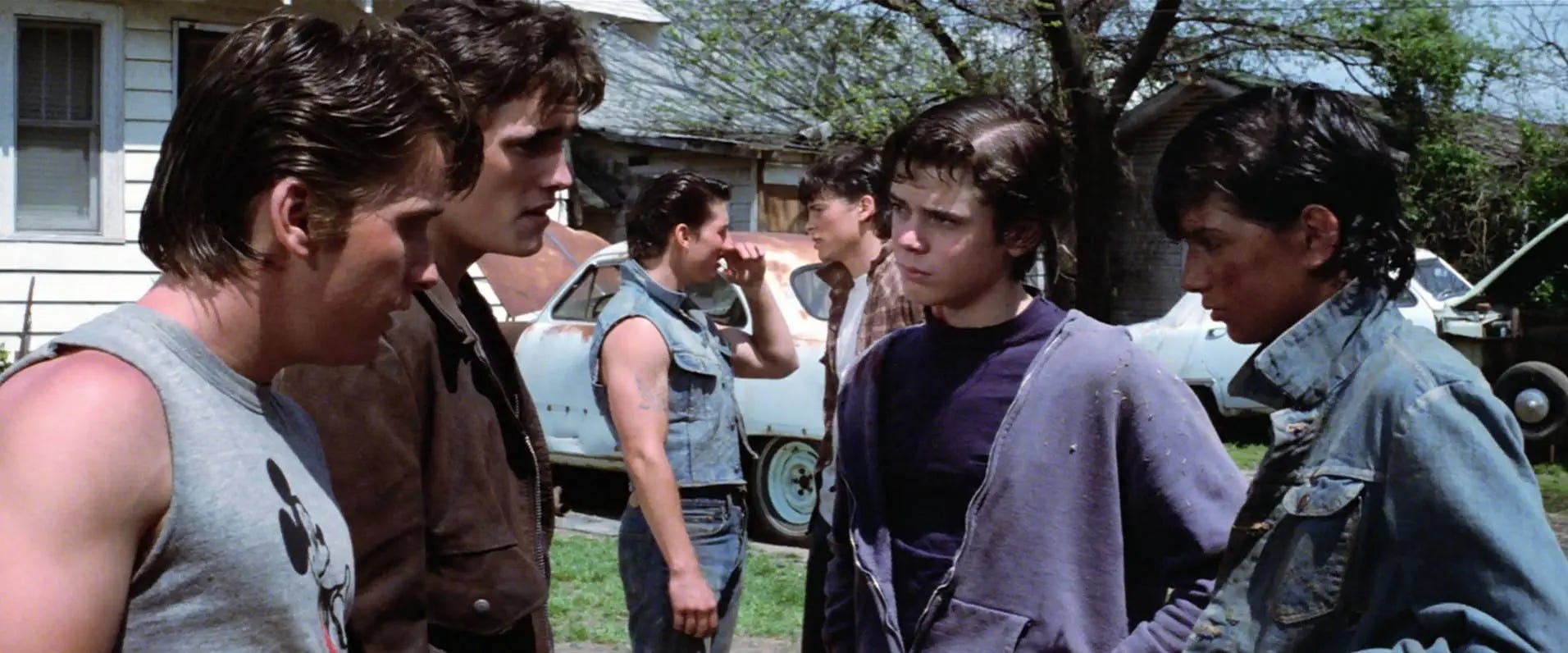
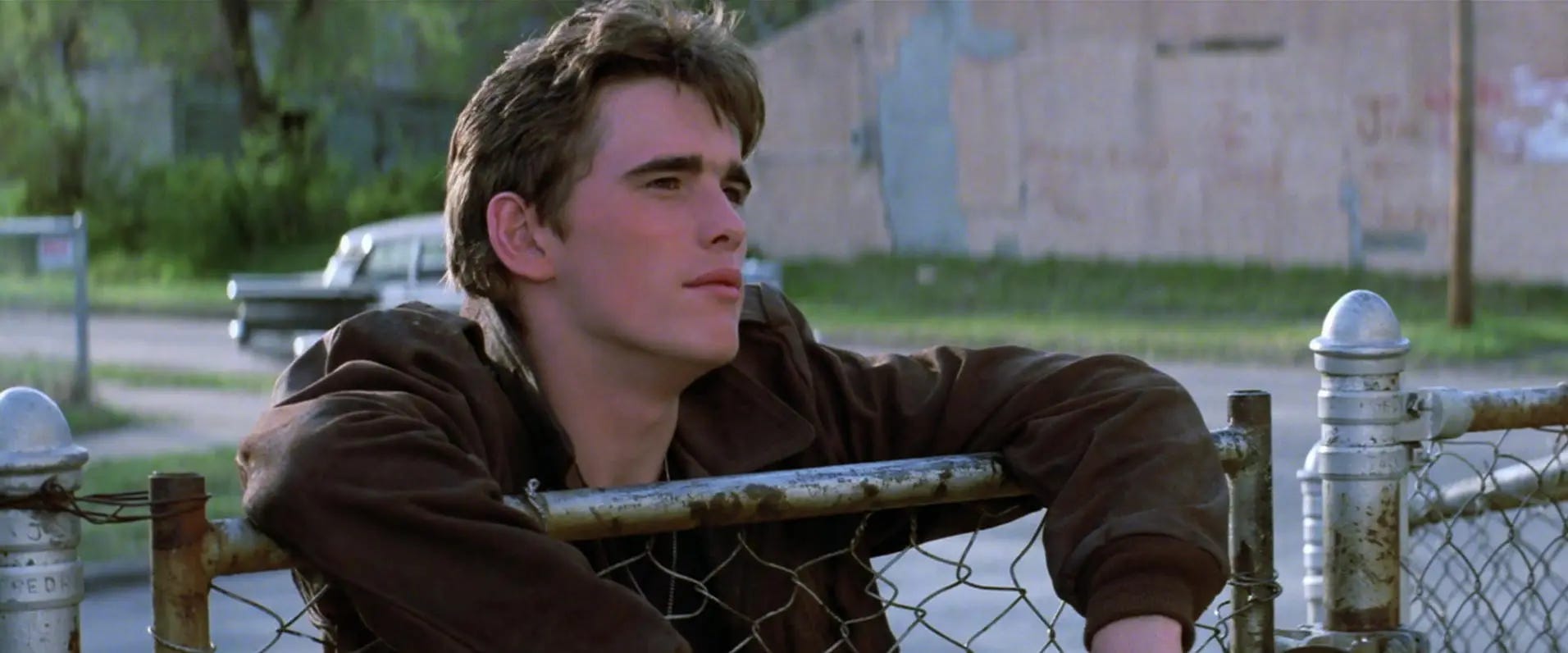
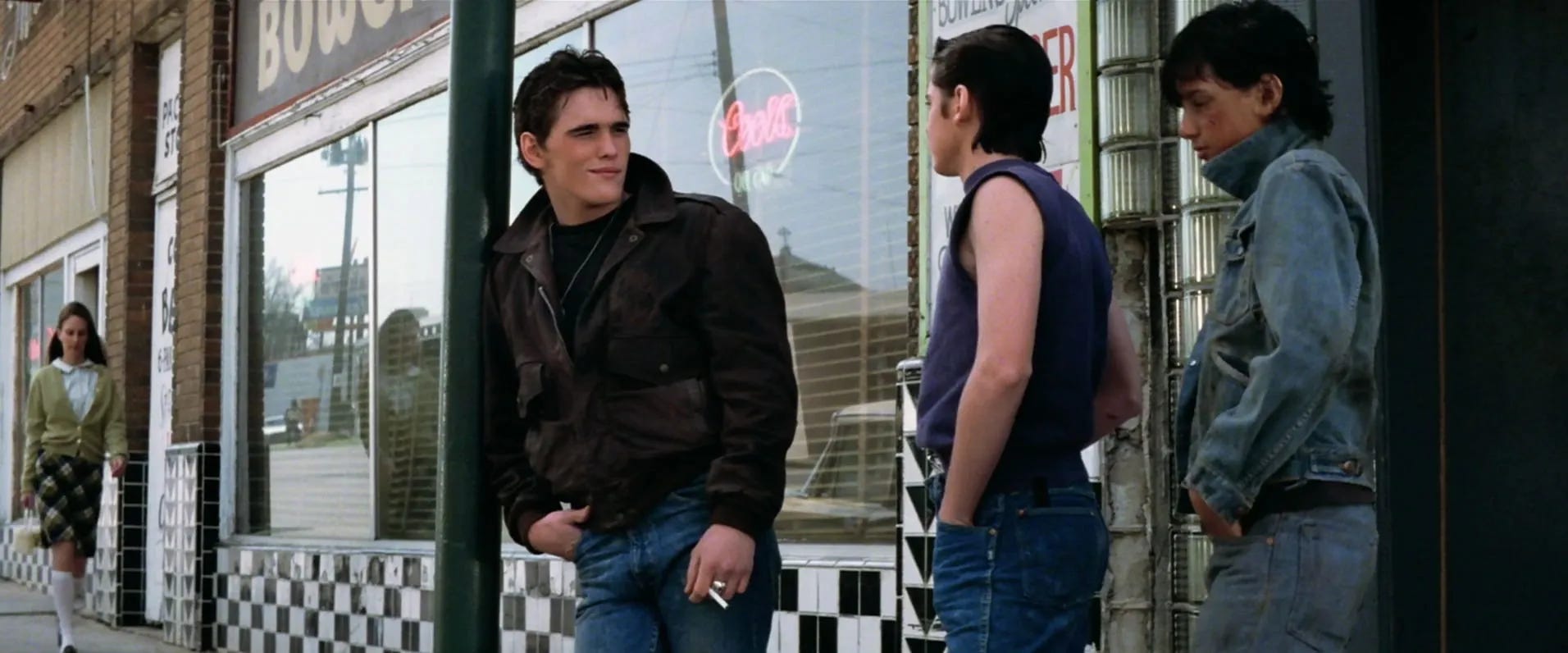
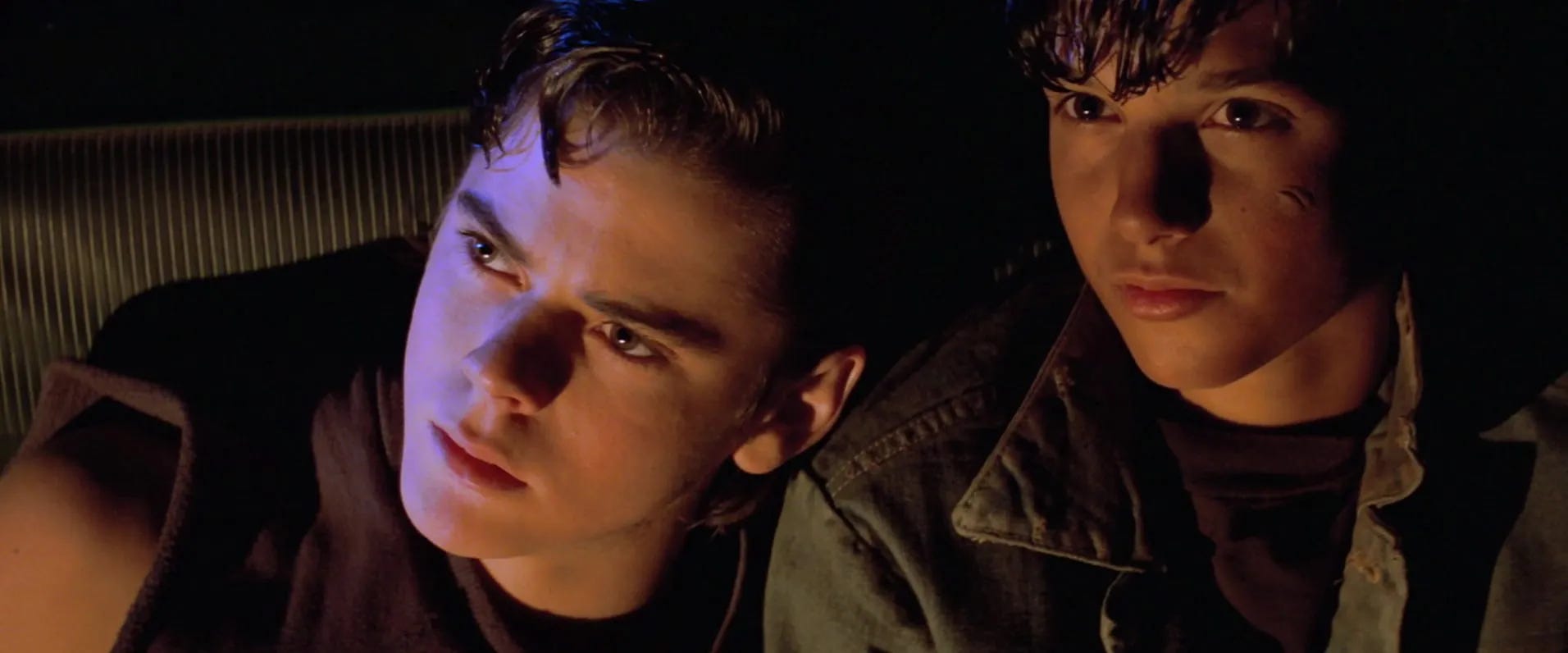
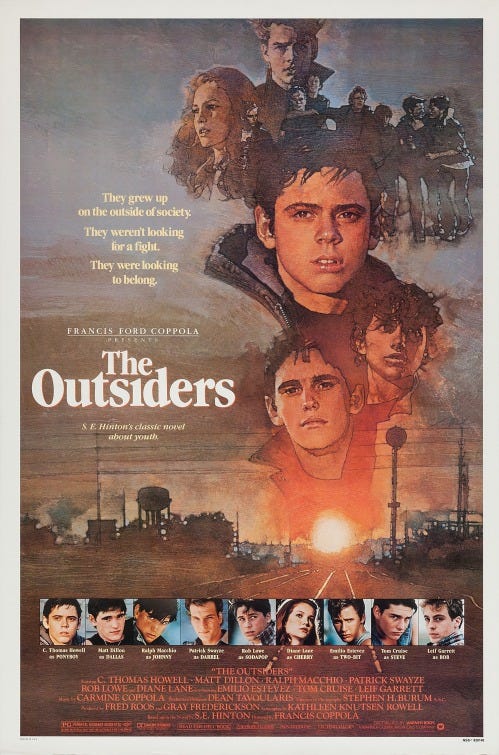
Joining Matt Dillon (as Dallas Winston, an ex-con who serves as a surrogate older brother to Pony Boy), Ralph Macchio (as Pony Boy’s friend, Johnny Cade) and Patrick Swayze as Darry Curtis were Rob Lowe (as Soda Pop Curtis), Emilio Estevez (as Two-Bit Matthews) and Tom Cruise (as Steve Randle). The last remaining Greaser to be cast would be Pony Boy. Due to the physical nature of the part, Coppola reached out to stunt coordinator Buddy Joe Hooker for recommendations on a “stunt kid” he could coach to act. Hooker knew a stuntman named Chris Howell, who’d gotten his start as a professional bull rider, and whose son Tommy had acting experience. Credited as C. Thomas Howell, he’d landed a part in Steven Spielberg’s upcoming E.T. The Extra Terrestrial (1982) based on his ability to ride a bike. En route to meet Francis Coppola, Howell’s father handed him a pack of cigarettes to rehearse how to pantomime smoking. Howell was competing in junior rodeo and figured he’d follow in his father’s footsteps to become a stuntman. He was cast as Pony Boy Curtis in The Outsiders instead. With shooting set to begin in the Tulsa area in late March 1982, two weeks of rehearsals began in what had been Lowell Elementary and Junior High, shuttered in 1978 and leased by the filmmakers as a production hub.
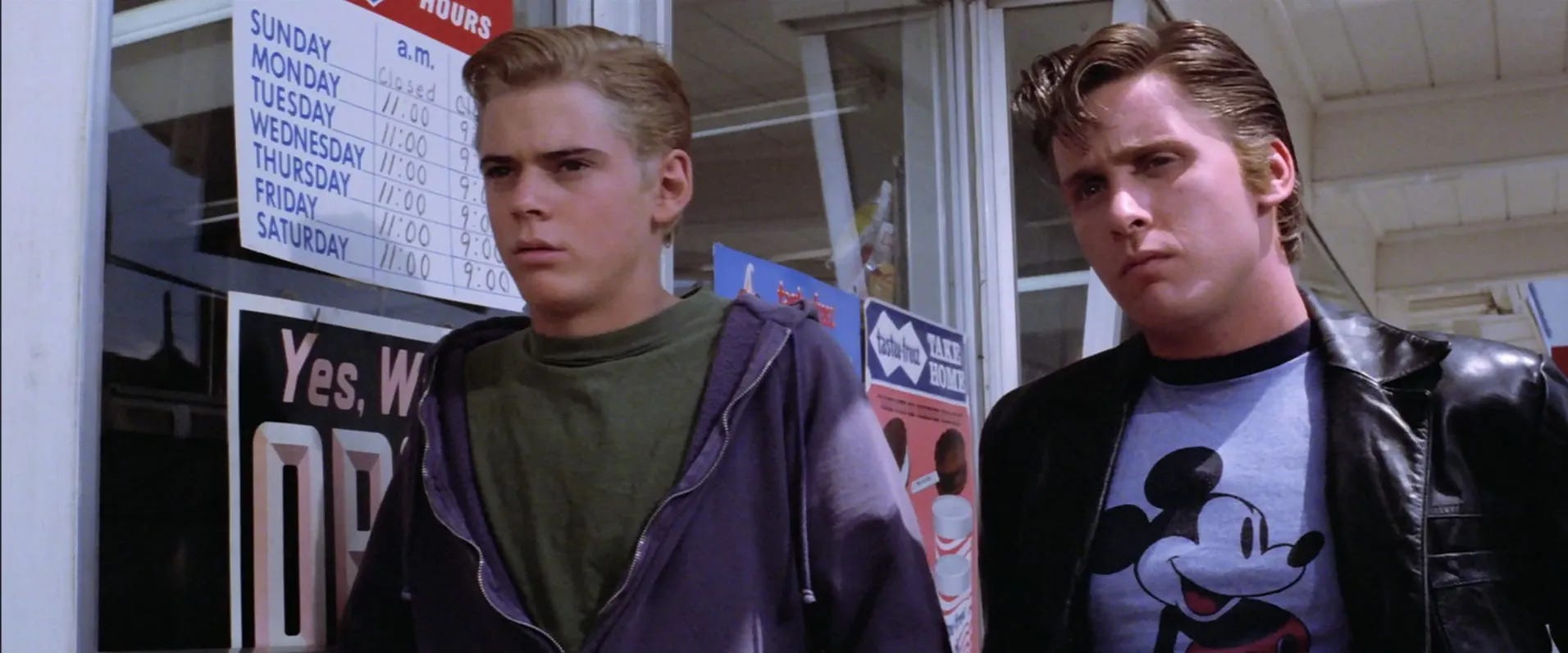
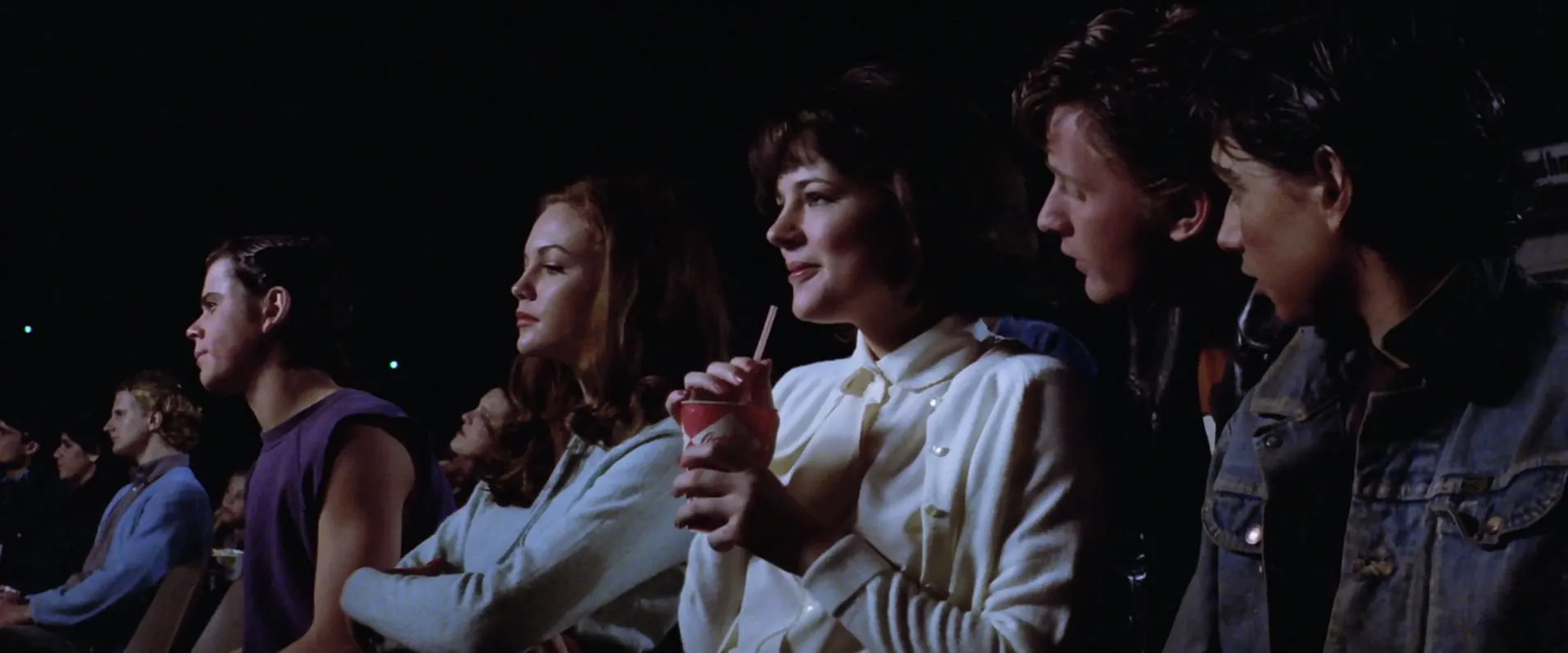
Contradicting stories she’d heard about how Hollywood treated writers, S.E. Hinton was invited to help Coppola run rehearsals in Tulsa, working with the cast on their characters. Her role earned Hinton an additional credit as special consultant to Francis Coppola. Many of the locations were so close to Lowell Elementary that when the director asked Hinton if she wanted to see the house he’d settled on for the Curtis boys, he put the author in the basket of his bicycle (along with sixty pounds of camera equipment) and biked there. Johnny Cade’s house, the park, and the rumble lot were also filmed within walking distance of the production hub. The drive-in theater sequence was shot at the Admiral Twin, renamed such in 1955 after a second screen was added to what had opened four years earlier as the Modernaire Drive-In. For the scene in which Pony Boy and Johnny are assaulted in the park, a prop fountain was constructed and placed over a sprinkler in Crutchfield Park, dismantled when shooting was completed so kids wouldn’t be tempted to re-enact the violence. The old church where Pony Boy and Johnny lay low was found halfway between the towns of Skiatook and Hominy, the art department building a steeple to make a deserted house in the countryside appear to be a church.
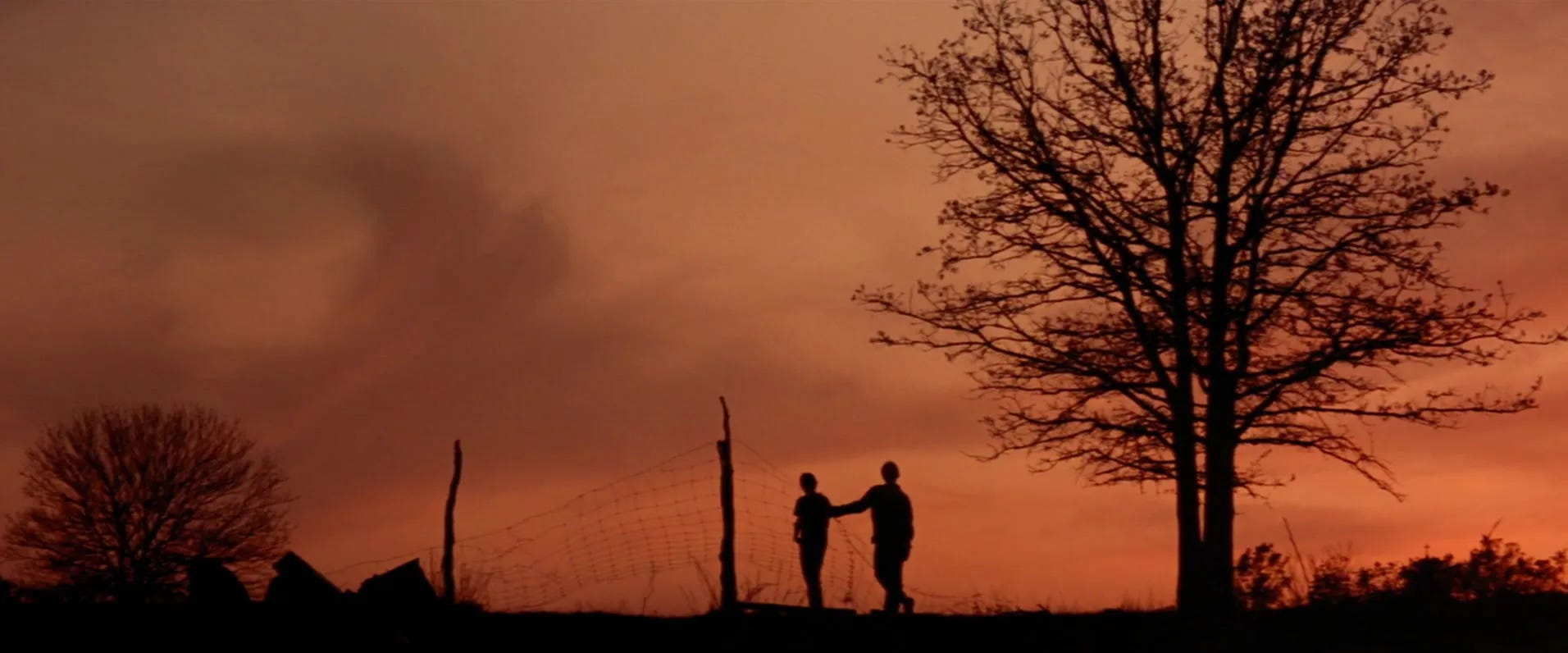
Stephen H. Burum, who directed second unit on Apocalypse Now and served as director of photography for a Zoetrope production titled The Escape Artist (1982), was hired to light The Outsiders. Coppola was specific in asking the cinematographer for a romantic and colorful look, telling Burum he wanted Gone With the Wind (1939). Coppola deployed what had come to be referred to as the “Silverfish,” a customized Airstream trailer which functioned as the director’s mobile production lab, allowing him to direct remotely behind a bank of video equipment, or in a Jacuzzi or next to the cappuccino machine if he chose to. Coppola mused, “Movies have always been thought of in three stages. There’s pre-production, production, then post-production, where you actually put the movie together. The whole point of our system is to make it possible to do all that at once — cheaper, faster, and better. Someday, for example, we’ll be making movies with no sets at all. We’ll work with only a stage. And it will look totally realistic.” Coppola further defied precedent by keeping his film camp in Tulsa to make another movie, seemingly on the fly. He optioned S.E. Hinton’s novel Rumble Fish, adapted a screenplay, and with financing and distribution by Universal Pictures, shot the film back-to-back with The Outsiders using some of the same cast (Matt Dillon, Diane Lane, Tom Waits) and crew. Opening seven months after The Outsiders, Coppola described Rumble Fish — shot in black and white with some color — as “an art film for teenagers,” loading up an A+ cast that included Mickey Rourke, Nicolas Cage, Christopher Penn, Vincent Spano, Larry Fishburne, Diana Scarwid and Dennis Hopper.
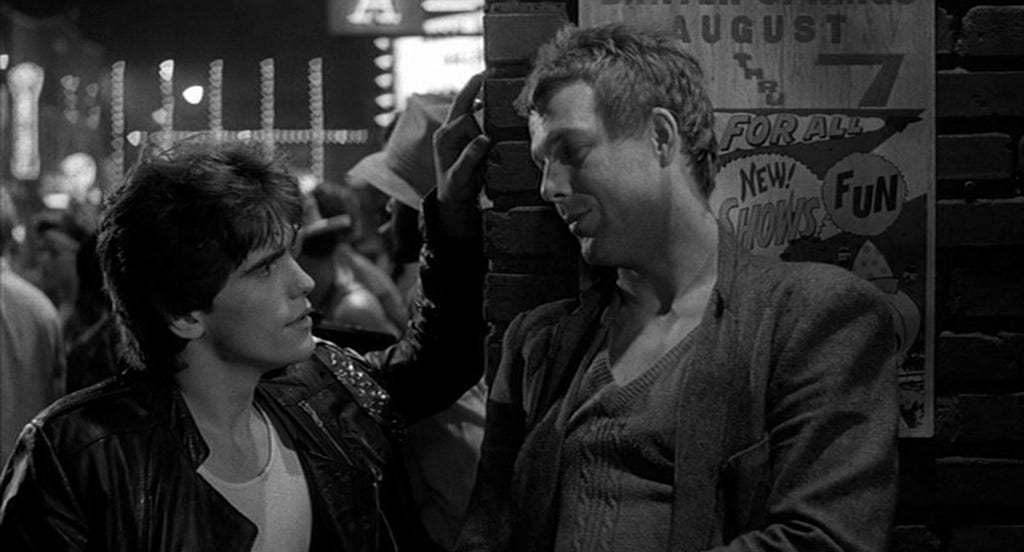
Warner Bros. held a screening of The Outsiders at Lone Star School, flying out Matt Dillon, Ralph Macchio, C. Thomas Howell and Patrick Swayze, and arranging for a crew from Today to cover the event for morning television. Coppola went even further, demonstrating his gratitude by inserting a title card before the opening credits of his film dedicating it to librarian Jo Ellen Misakian and her students (in The Complete Novel, this dedication has been moved to the end credits). The Outsiders opened March 25, 1983 in the U.S., in 829 theaters. Critics leaned positive. Gene Siskel wrote in the Chicago Tribune, “Many youngsters get left behind, many more are branded by parents and teachers and friends and finally themselves as second-rate. This is a sober view of youth, and it is the subject of Francis Coppola’s strangely beautiful new film, The Outsiders, based on a bestselling novel by S.E. ‘Susie’ Hinton. The result is a film about the teenage years that ranks in its own lyrical way with Rebel Without a Cause and American Graffiti. Only an extremely abrupt ending prevents The Outsiders from being even more satisfying than it is.” Siskel gave the film 3 ½ stars out of 4. Writing in the Chicago Sun-Times, Roger Ebert offered a more sober assessment: “It’s unfortunate that Francis Ford Coppola’s The Outsiders opens on the same day as Bad Boys. That makes the contrast all the more dramatic between the high-energy realism of Bad Boys and Coppola’s stylized, over-careful, deadening approach to somewhat similar material.” Ebert gave the picture 2 ½ stars out of 4. In the pages of LA Weekly, Ginger Varney added, “The Outsiders could be considered a kid’s picture and that’s at whom the publicity’s aimed, but I thoroughly enjoyed it because here was a world no adult ever leaves completely behind. Adolescence, as I vaguely remember it, required exactly the kind of conformity demanded of these characters.”
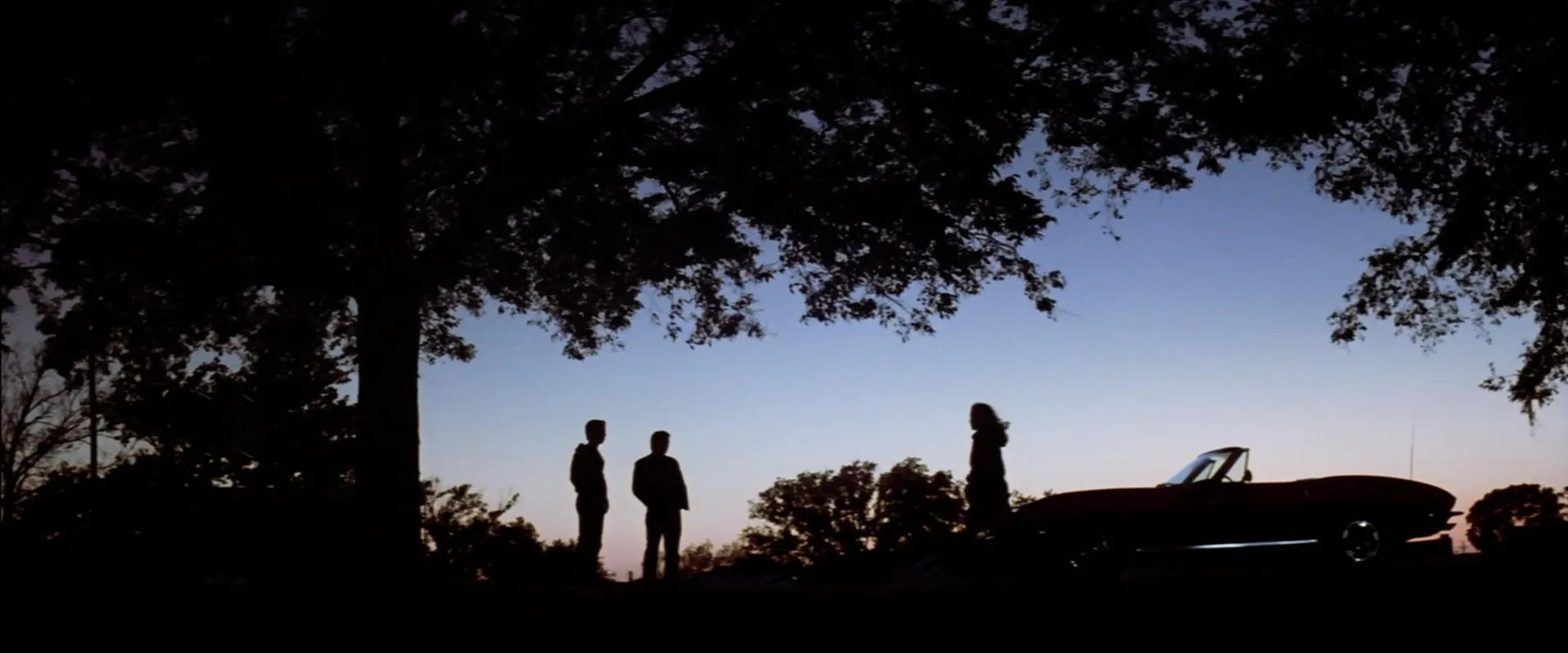
In the words of Rob Lowe, The Outsiders wasn’t “a hit-hit.” The film was unceremoniously kept out of the #1 spot at the box office by a Porky’s rip-off titled Spring Break, but spent six, nearly seven weekends among the top ten grossing films in the U.S., a commercial success given its budget. Coppola’s return to his theater roots launched every young actor in his cast to stardom. Matt Dillon fulfilled his promise and with Drugstore Cowboy (1989) was in the same sentence with Sean Penn and Nicolas Cage as the actors of their generation. After Patrick Swayze and C. Thomas Howell were reunited in Red Dawn (1984) and Grandview U.S.A. (1984), Swayze became a star in Dirty Dancing (1987), while Howell rattled off lead roles a handful of pictures: Secret Admirer (1985), The Hitcher (1986), Soul Man (1986). In Tulsa, Diane Lane was already rehearsing guitar for her next picture, Streets of Fire (1984), which she followed with forty plus years as a film leading lady, including an Academy Award nomination for Unfaithful (2002). Ralph Macchio was briefly one of the most popular actors of his generation, with Crossroads (1986) bookended by two hugely popular Karate Kid movies. Rob Lowe weathered several critical and commercial failures as well as publicity gaffes in the eighties to a career that has paced Lane’s as a supporting actor. While in Tulsa, Emilio Estevez was writing an adaptation of S.E. Hinton’s That Was Then, This Is Now (1985), his father Martin Sheen having optioned the novel for his son, and Estevez would branch from acting into writing and directing. Tom Cruise headed to Chicago for the lead in a comedy titled Risky Business (1983), and by late summer, was on his way to superstardom.
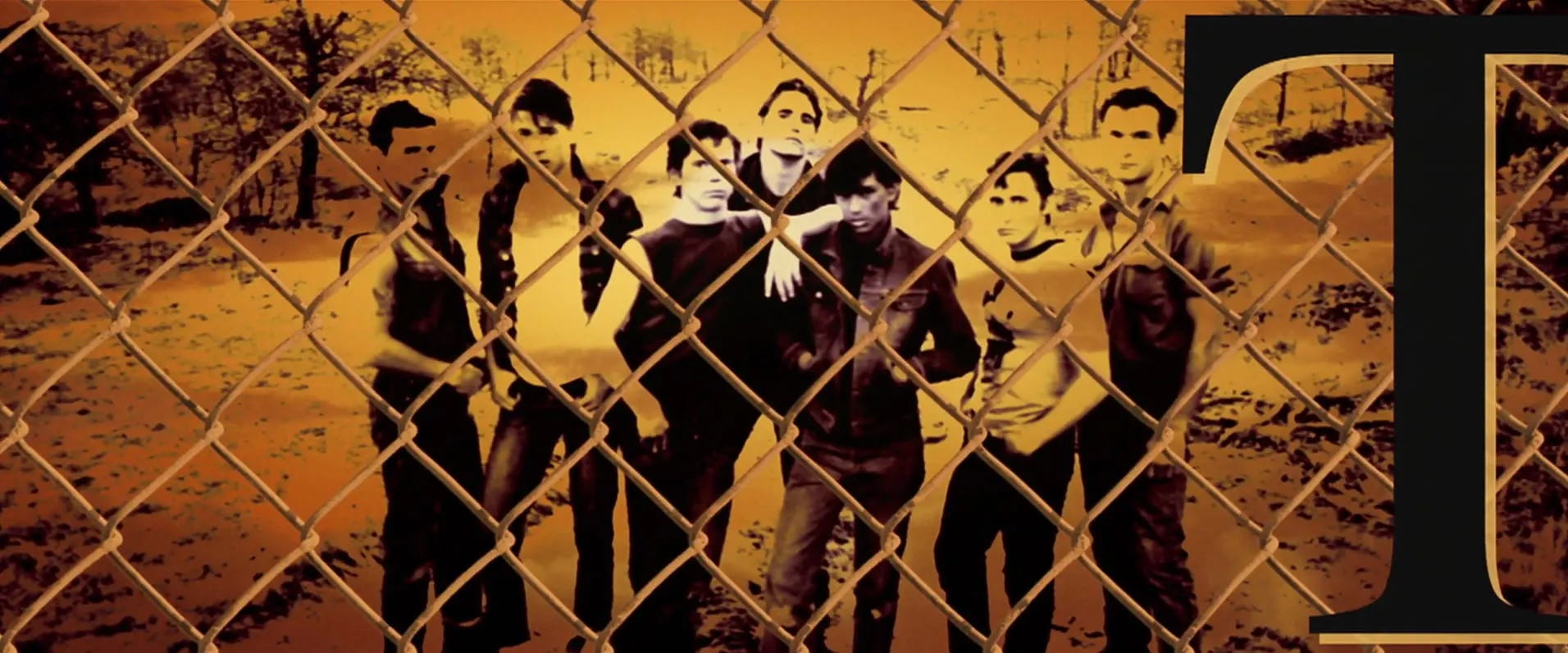
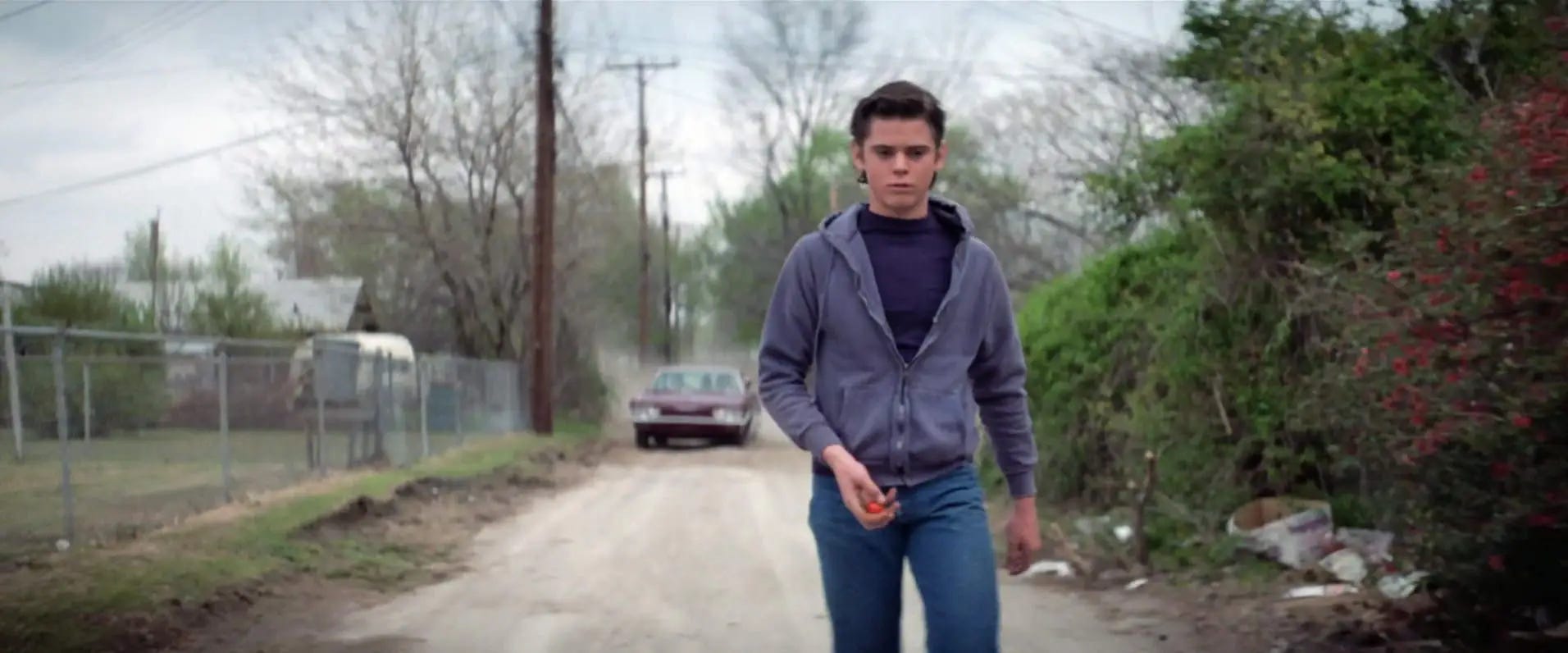
After restoring 49 minutes to Apocalypse Now for a director’s cut in 2001, Francis Coppola was approached by Warner Bros. to do something similar with The Outsiders for the DVD market. The director, who admitted that fans of the book had often asked him why so much of it was missing from the 91-minute theatrical version, restored roughly 19 minutes to The Outsiders: The Complete Novel in 2005. The first 11 minutes are completely new, the Greasers now given a much more theatrical introduction as Pony Boy walks home from a matinee and is attacked by a carload of Socs. A new climax begins with Pony Boy, Cherry and Randy making statements in court that award Darry custody of his brother. Outside school, Pony Boy then crosses paths with Cherry, who true to her word, has to ignore him in front of her peers. With end credits, The Outsiders: The Complete Novel runs 115 minutes. Coppola made major changes to the soundtrack, removing much of the music his father Carmine Coppola scored, replacing this operatic sound with period rock ‘n roll: “Real Wild Child” by Jerry Lee Lewis, “Lend Me Your Comb” by Carl Perkins and six tracks by Elvis Presley, including “Blue Moon,” “Tomorrow Is A Long Time” and “Mystery Train.” The opening credits are modified to include a black and white photo of the Greasers amid the illustrations of period Tulsa, with “Stay Gold,” the Stevie Wonder tune Francis Coppola commissioned for the movie, remaining on the soundtrack.
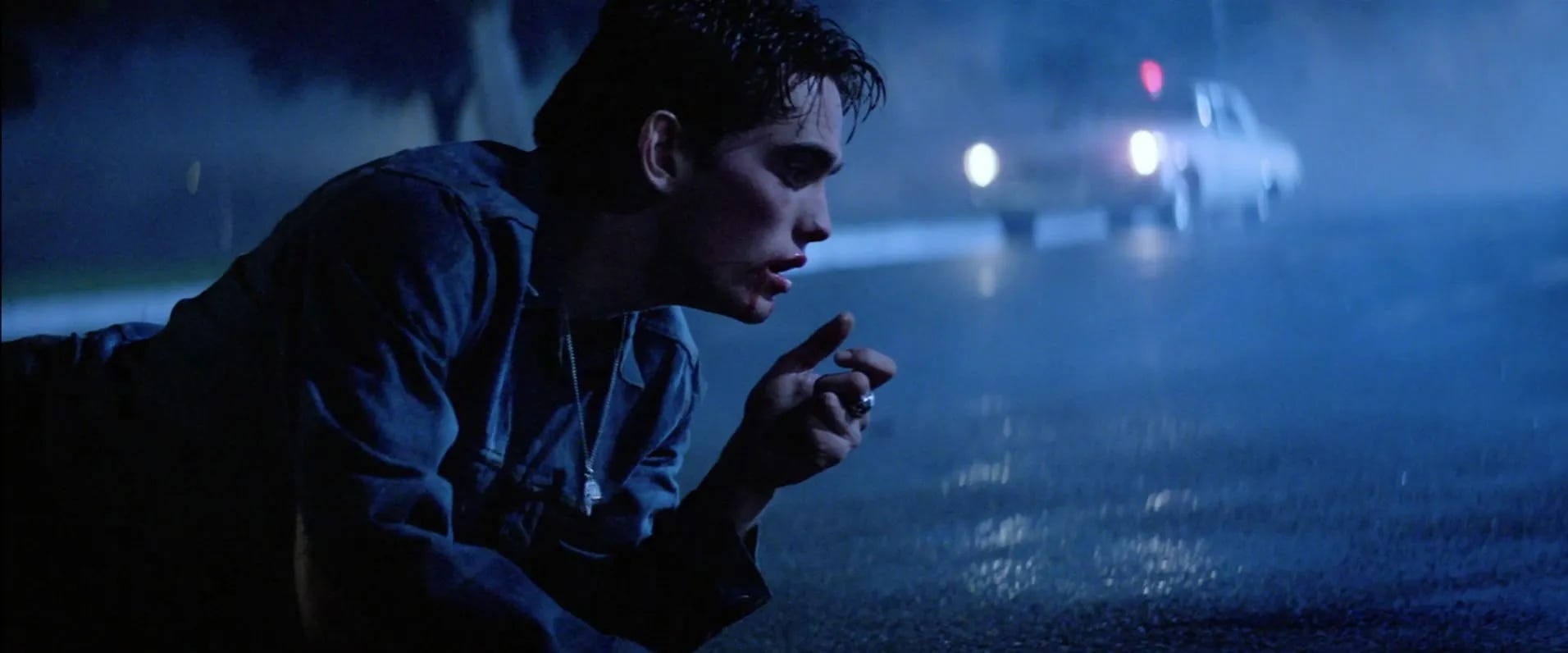
For better or worse, the world of The Outsiders is one created by a 16-year-old for 16-year-olds. The young adult readers S.E. Hinton wrote for may identify with its restless spirit, social injustice and brooding tribalism, and think nothing of characters who wear their emotion like a pack of smokes rolled into the sleeve of a T-shirt. For adults, it’s harder to take the antics seriously. There’s no nuance between the authority figure of the piece – Darry – and his younger brothers, which could have been the backbone of a compelling coming-of-age tale, young adults grappling with fear of abandonment and new adults saddled with responsibility. But Darry goes from earnest lecture to yelling at the drop of a hat, and in response, both Pony Boy and (in The Complete Novel) Soda Pop fling themselves out of the house in anguish. While Johnny Cade is hanging on for his life in the hospital, all because he was thinking of someone other than himself, it’s troubling how quickly the Greasers seem to forget all about him, more concerned with their own problems or getting pumped up for their rumble with the Socs. Even Cherry Valance is way more intrigued by Pony Boy and his brothers than a cheerleader accustomed to being the center of attention should be. It never occurs to Hinton that Pony Boy might be thinking about anything but Pony Boy, or that anyone else might be thinking of something other than Pony Boy. As a result, the relationships in The Outsiders feel superficial.
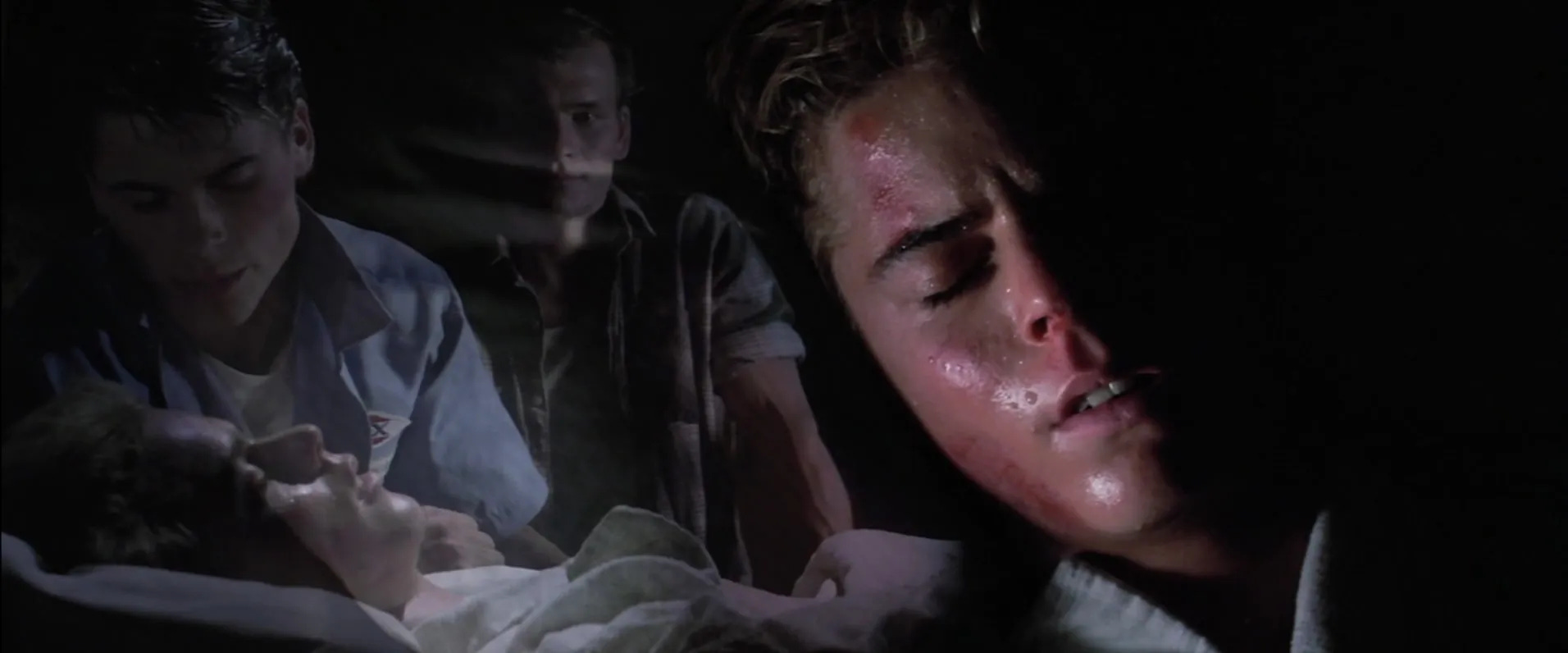
Where The Outsiders excels is in its rich visual scheme and legendary cast. The filmmakers take advantage of filming entirely on location in Tulsa, which like most towns or even cities in the Midwest, hadn’t changed between 1962 and 1982 (the drive-in is still standing and lawns may even have had the same junkers in them they did when Hinton wrote her novel). As a setting, Oklahoma feels neither Midwestern, southern or western, while Hinton and by extension her characters are completely uninterested in current events. Though set during the Cold War, the Greasers are preoccupied with finding their place in the world and take for granted there will still be a world by the time they figure themselves out. As a result, The Outsiders has a timeless and very romantic feel. Where it lacks vitality, there is beauty. Every teenager is gorgeous, every switchblade a lethal weapon, every sunset magnificent. Like all of Francis Coppola’s remixes – he’s recut five of his films, each a slight improvement over the theatrical version – The Complete Novel is the best version of The Outsiders. Anytime Tom Cruise performs stunts – summersaulting off the hood of a car in The Complete Novel – it should be preserved for posterity. Patrick Swayze, Rob Lowe and Diane Lane get a lot more to do. C. Thomas Howell was 15 when he played Pony Boy and under Coppola’s direction, is very credible as a sensitive high school freshman, successfully carrying the movie, which in The Complete Novel, backs off being a star vehicle for Matt Dillon to dwell more on Hinton’s sumptuous world.
Video rental category: Drama
Special interest: School Days
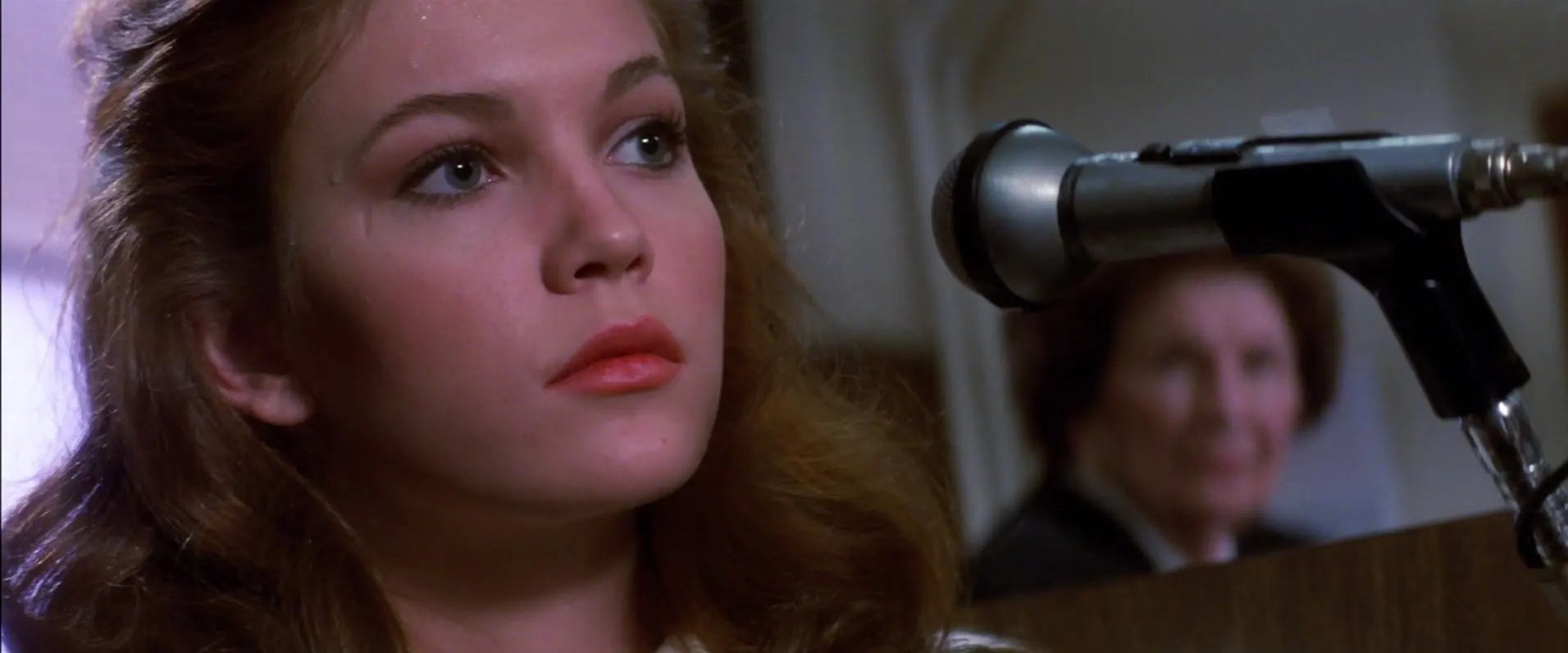
Thanks to Danny Boy O’Connor and Jimmie Tramel for their book Staying Gold: The Oral History of The Outsiders, documenting much of the film’s production history that might’ve otherwise been lost to time
Hey, good morning Joe! It’s been a minute, but finally, you reviewed a movie I actually saw when it came out… What an All-Star cast! I have no thoughts on teenage angst, peer pressure, fitting in, etc., as I grew up under the influence of the Beatles as the soundtrack to my developmental youth, and Frank Zappa and the Mothers of Invention, as my barometer for intelligent insight and discussion … but, having been bullied in grade school, I could relate, and The Outsiders pulled me into that world, and for the most part rang true for me… As always, your background information and analysis, was enlightening and entertaining… Thank you! Peace! CPZ