

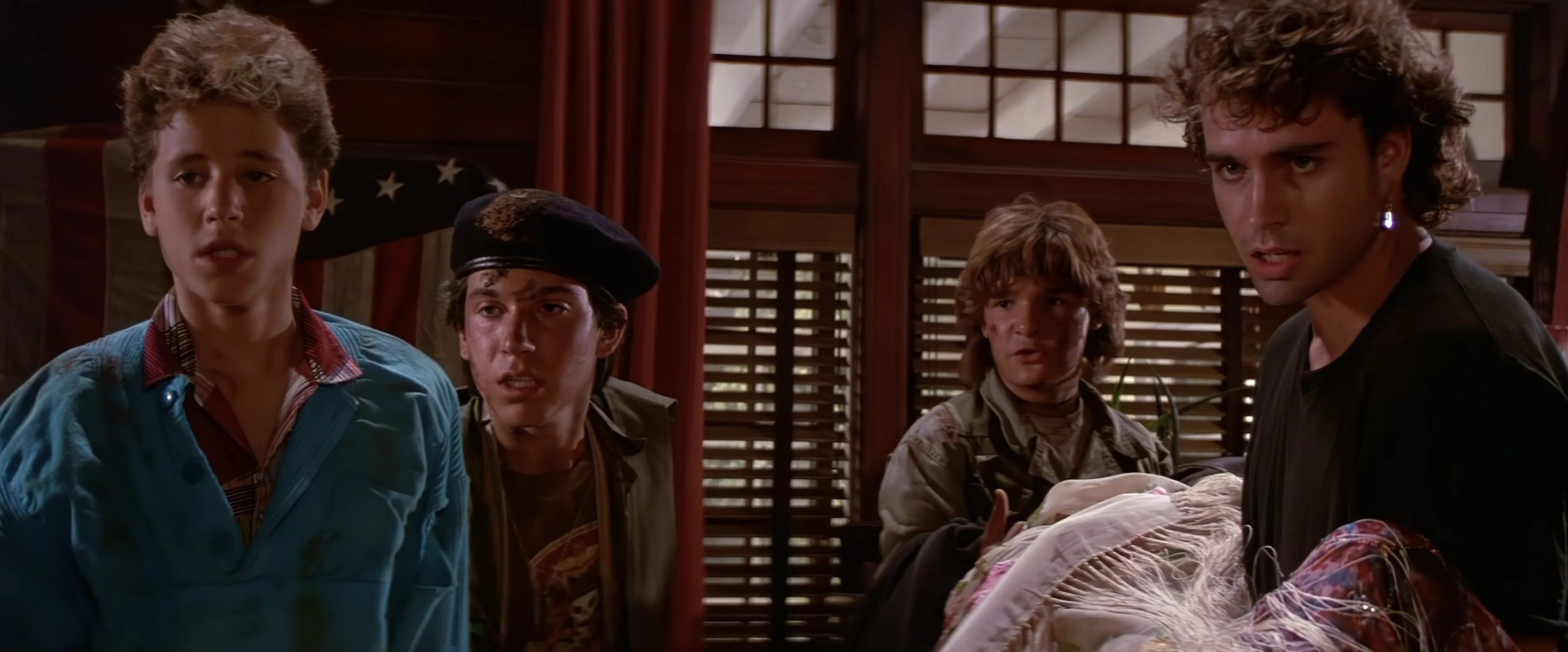
THE LOST BOYS (1987) is neither horror nor comedy, but unexpectedly both. Its director was skilled at assembling good-looking adult ensembles, and given a children's adventure to age up for a broader audience, the film was received by critics and many viewers as an odd fit of genres or intentions. Time has delivered it to its audience. The movie is a vintage shirt we loved at the store, were too embarrassed to wear out, and is now back in style.
Janice Fischer was an actor who by 1984 had spent at least fifteen years on the outside looking in, as far as Hollywood was concerned. She’d played three different characters in three episodes of the Raymond Burr series Ironside. Fischer’s ex-boyfriend Robert Englund had spent nearly as long struggling to break out as an actor, until he was cast as a deformed serial killer named Fred Krueger in A Nightmare on Elm Street. By that time, Fischer had turned her focus to screenwriting, co-creating a Christian program for children titled The Good Book that began airing on local television in 1982. Enrolled in a film studies course in Los Angeles, she met a fellow screenwriter named James Jeremias, who'd grown up in the San Fernando Valley and worked as an electrical grip. Jeremias had read the Anne Rice novel Interview with the Vampire and was haunted by the character of Claudia, an immortal being trapped in the body of a child. This twist reminded him of Peter Pan, which had gone from stage to page to Disney animated film. Jeremias wondered: What if Peter Pan could fly and never aged because he was a vampire?
Beginning in the summer of 1984, Fischer & Jeremias spent five months collaborating on a screenplay. Lost Boys was about two brothers, Michael, twelve, and John, eight, who move to a new town with their divorced mother, Wendy. The screenwriters chose to set their story in Santa Cruz, its seedy oceanfront amusement park reminiscent of another Disney animated film, Pinocchio (1940). Michael and John are tempted by a gang of thirteen-year-old boys led by the enigmatic Peter, who offers them the chance to fly and never grow old, for a price. Before the script went to market, Nan Blitzman — Fischer & Jeremias’s literary agent with J. Michael Bloom Ltd. — shared it with her lawyer. He slipped Lost Boys to Stephanie Brody, former executive assistant to Michael Ovitz during the formative years of Creative Artists Agency. Brody now worked as a negotiator for producers Mark Damon & John W. Hyde, co-founders of a film finance and production company called Producers Sales Organization. PSO had shifted from selling American films overseas to raising money for their own slate of upcoming films, like 8 Million Ways To Die (1986), Short Circuit (1986), and Flight of the Navigator (1986). Damon & Hyde were interested in acquiring Lost Boys. Blitzman told them that all the producers had to do was make the highest bid. In January 1985, PSO closed the deal, taking Lost Boys off the market for $400,000.
Without a director attached, not many more people would ever know about the screenplay than already did. James Jeremias recalled, “When we met with Mark Damon and John Hyde, I mentioned that I thought Richard Donner would be a good director for this script. Not only had he mastered flying on camera with Superman, but there was a huge buzz about a movie he was doing at the time with Steven Spielberg called The Goonies, and Lost Boys, as Jan and I had written it, took place in that magical time where the kids were all between eight and twelve-years-old, before sex raises its ugly little head. We didn’t have to use all of those pages to tell a love story. That wasn’t what Lost Boys was about. It was by and large an adventure film, much like The Goonies, so we really wanted to send the script to Donner.” The director was looking for his next picture, had worked with Damon & Hyde, and agreed to read Lost Boys. Excited by the script right away, Donner went to Mark Canton, head of production at Warner Bros. Pictures, to let him know Lost Boys was something he’d like to direct. Canton liked the script too, and probably loved the idea of keeping the director of Ladyhawke (1985) and The Goonies (1985) in the Warners family.
However many people told Janice Fischer or James Jeremias that they loved their script, motion picture is a director’s medium. The screenwriters were about to find out what that meant. Jeremias recalled, “The first note that Jan and I got from Dick Donner was that he wanted the boys to be a little older, and that he wanted the character of Star, who was originally one of the boys in our version, to be a girl. Specifically, he wanted the older brother Michael to be sixteen years old. I think the note he gave us was that he wanted them old enough to drive, but reading between the lines, what he really meant is that they had to be old enough to fuck! So our first revisions made Michael about 16½, and then we wrote a scene at the end of the movie where he gets a car on his sixteenth birthday. We really dragged our heels about making the boys older, but I felt it was a fair compromise. We gave him what he wanted to an extent.” Donner and Warner Bros. also agreed that the references to Peter Pan needed to be stripped. Steven Spielberg had announced his next film would be a live action retelling of Peter Pan, and the producers were wary of trespassing on the turf of the most successful director on the planet. The screenwriters agreed to rename “Wendy” Lucy (a nod to Bram Stoker’s Dracula), while the vampire “Peter” became David.
After turning in a second draft, the writers heard nothing for three months. They took a commission from Paramount Pictures, and halfway through the job, received a call from Donner summoning them to his vacation home in Hawaii to begin a third draft. The director had screened Fright Night (1985), a summer sleeper occupying the teenage vampire territory Lost Boys was circling. Donner thought their film needed more work. Unavailable, Fischer & Jeremias were replaced by Jeffrey Boam, the screenwriter who’d triaged Innerspace (1987) at Warner Bros. Boam recalled, “The first conscious decision that was made when I came along — it wasn’t my idea, they told me they wanted to do this — was, ‘Let’s make everybody older.’ It was from Dick’s experience on The Goonies, where he had a bunch of pre-teen characters. He felt, first of all, that he had done that movie, and that it limits the film’s appeal — it becomes regarded as a kid’s movie. No one was over twelve years old and it was much more from a kid’s point of view. It was a pre-adolescent fantasy about vampires, which had some kind of symbolic metaphor for growing up. The kids wanted to stay innocent and young. They were reaching puberty, which is kind of represented by the vampires, and it had this children’s story quality to it, but it didn’t really have a good resolution. The original version, we felt, didn’t really advance the characters. They were basically all back where they started at the end of the story.” Boam committed to the teenage sensibility that Donner and the studio had settled on, while also creating a new character: the boys' crusty maternal grandfather. (The Writer’s Guild of America would award screenwriting credit to Janice Fischer & James Jeremias and Jeffrey Boam, story by Fischer & Jeremias.)
A kid at heart who found it difficult to sit still, Donner had grown impatient with the pace of the Lost Boys rewrites. Canton, anticipating his director might be lured away by a rival, slipped Donner the next prized script Warner Bros. had acquired: Lethal Weapon by Shane Black. The director recalled, “Two things happened. Number one, I have this problem that if I’m in development on a movie for too long, I make the movie so many times in my head that I completely lose enthusiasm for it. Secondly, I was 100% committed to making Lethal Weapon. I made the decision to go ahead and direct that, with the agreement that I would stay on Lost Boys as an executive producer and help the studio find another director.” Canton settled on Richard Franklin, an Australian who’d directed the Hitchcockian thriller Road Games (1981). Franklin’s assignments in Hollywood had been well-received: a horror film (Psycho II in 1983) and a children’s adventure (Cloak & Dagger in 1984). Franklin worked with Boam for several weeks on a rewrite, but neither Donner nor Warner Bros. were thrilled with their results.
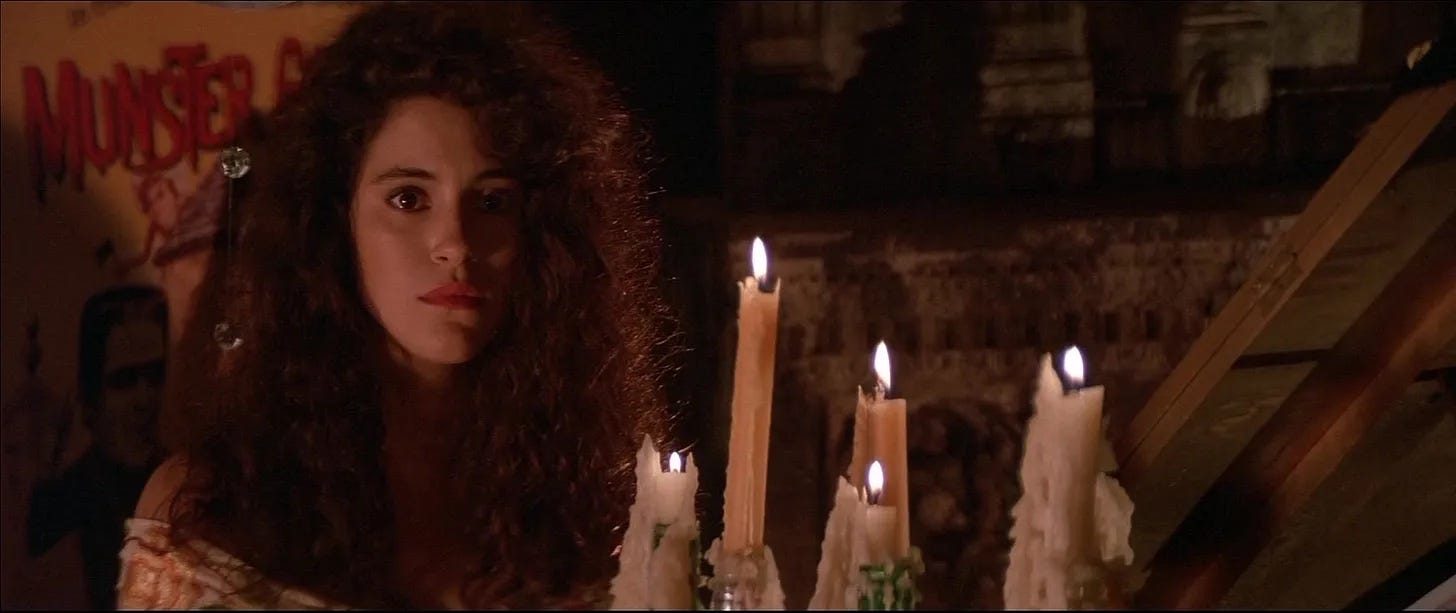
Donner was ready to give up on finding a suitable director for Lost Boys when his wife, producer Lauren Shuler, suggested the man behind her latest picture, St. Elmo’s Fire (1985). Joel Schumacher had graduated from Parsons School of Design, and started in the film industry as a costume designer. He broke into screenwriting with the features Sparkle (1976) and Car Wash (1976), then made his directing debut with a TV movie he’d written and Shuler had produced, Amateur Night at the Dixie Bar and Grill (1979). Canton recalled, “My colleague, Bruce Berman, who was vice-president of production, and I already knew Joel and his work. I went to Terry Semel and Bob Daley, who ran Warner Bros., to convince them that we all believed he would be the right candidate for this movie. Joel had a unique sense of style, and I just knew that with his voice behind Lost Boys, he would make something that was completely in sync with that generation. After St. Elmo’s Fire, I felt as though there was an element of Joel that was very similar to John Hughes, and so my pitch to Terry and Bob was that Lost Boys could have the style of St. Elmo’s and the tone of The Breakfast Club. They were very supportive of that idea and so I arranged to meet with Joel to discuss it.”
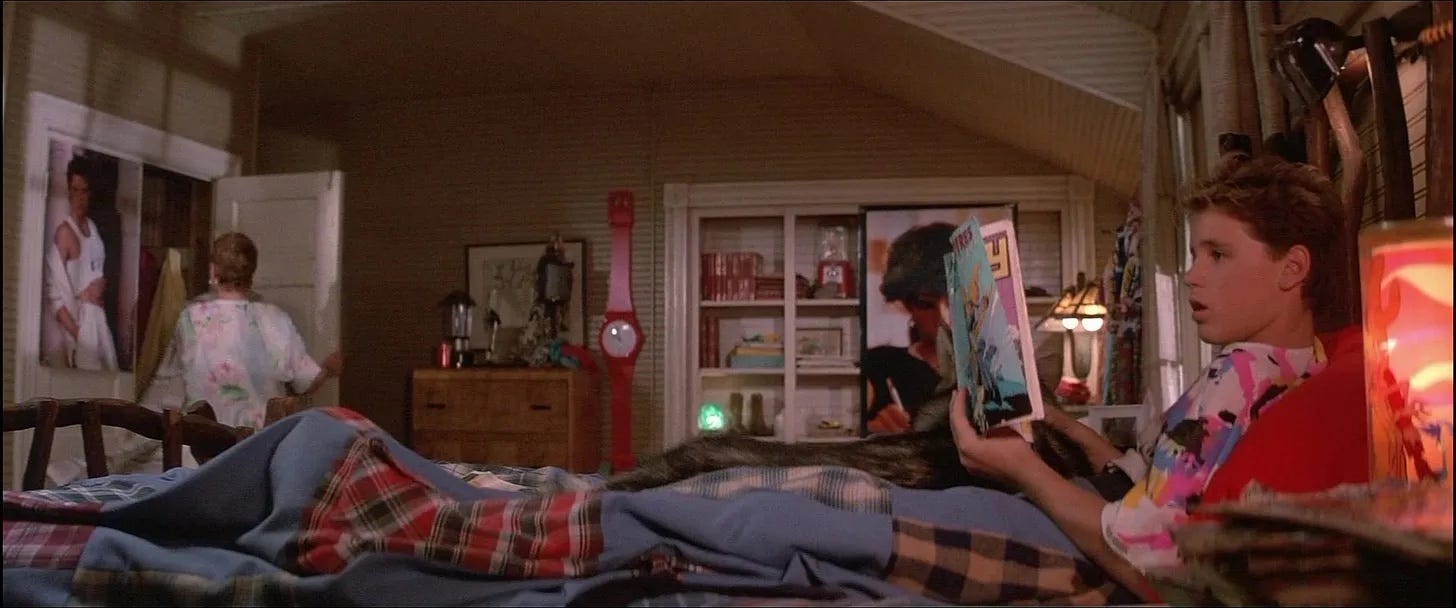
In a retrospective documentary produced in 2004 for the film’s DVD release, Schumacher recalled, “Mark Canton was the president of Warner Bros. and he took me out to lunch, on a Saturday, and started to describe the movie. And it was really a children’s movie at that time. And I said, ‘Is this some little kid’s vampire movie?’ Which was so arrogant, I’d only done three films, and this is the president of a movie studio. And I think I was very condescending. And I could tell he was angry and he said, ‘Well, would you do me the courtesy of reading it?’ And so I said, ‘Sure.’” In a conversation at the Hamptons International Film Festival in 2014, Schumacher continued, “So here I am going to the head of Warner Bros., ‘This is surely beneath me to do this movie.’ And indeed it was when I read it, because … it was like Goonies Go Vampire. And it was all little kids, it was Cub Scout jokes, there were peanut butter jokes, there was absolutely no oomph to it … And so I went out for a run … And I thought, ‘Wait a minute, if this is in Santa Cruz, California, why couldn’t there have been a Death In Venice baroque hotel that was built at the turn of the last century, and maybe when the Great Earthquake came, which was in 1906 or 1907 … why couldn’t the hotel have fallen into the crack? And why then couldn’t we have all this [sic] baroque things, which would be great. And why can’t there be teenagers? And why can’t they look like a British rock band? And why can’t there be rock ‘n roll? And why don’t they ride motorcycles? And there’s no girl. Like, we need a hot, gorgeous girl. And so by the time they called back, I said, ‘I think I have an idea.’”
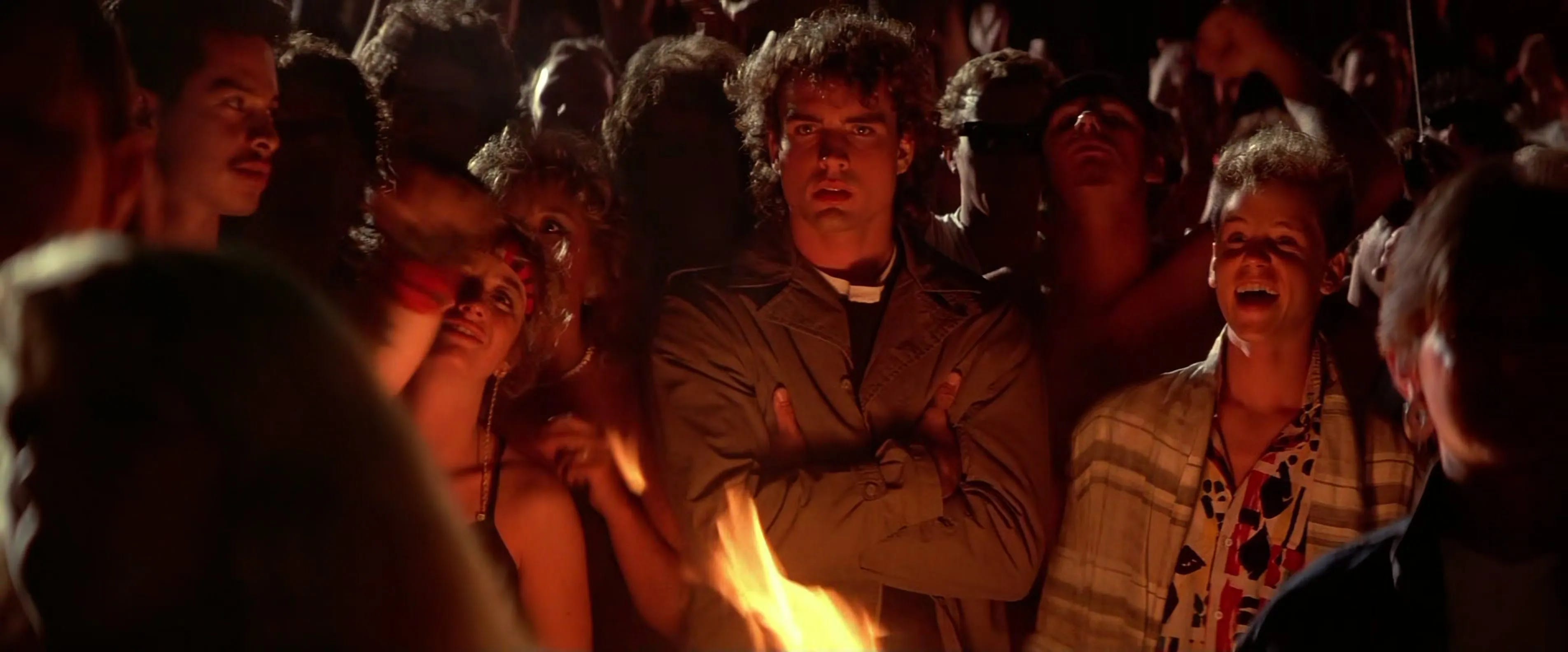
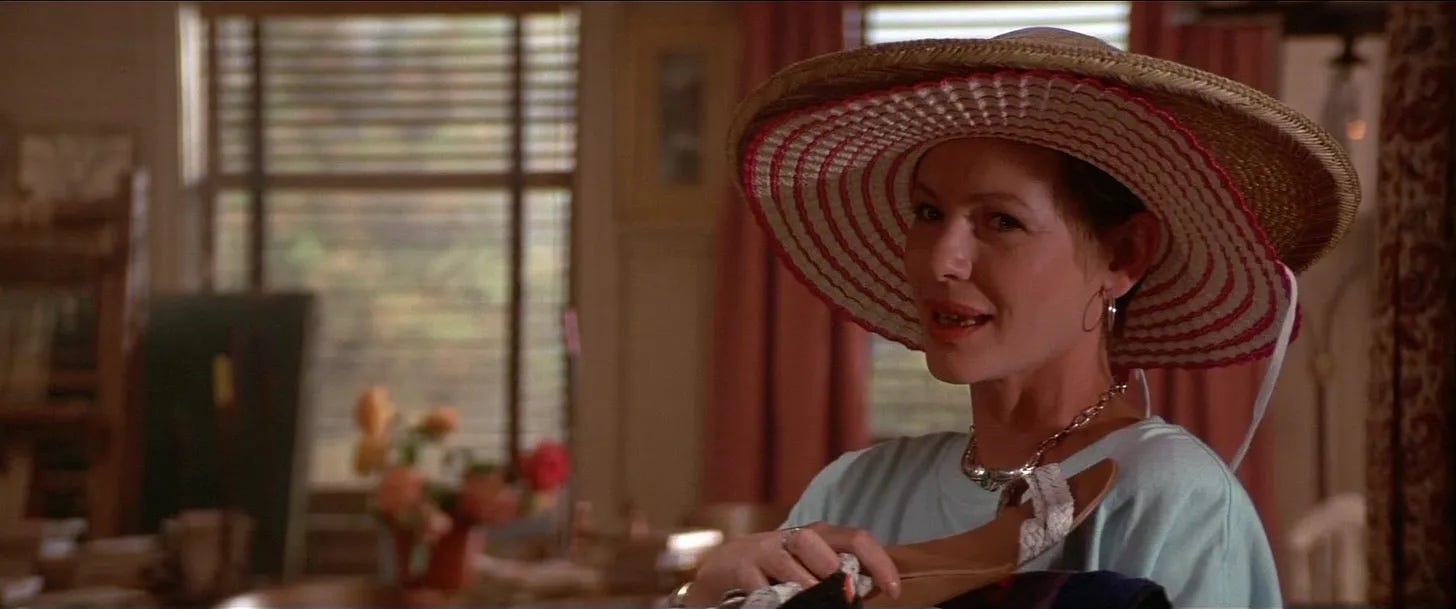
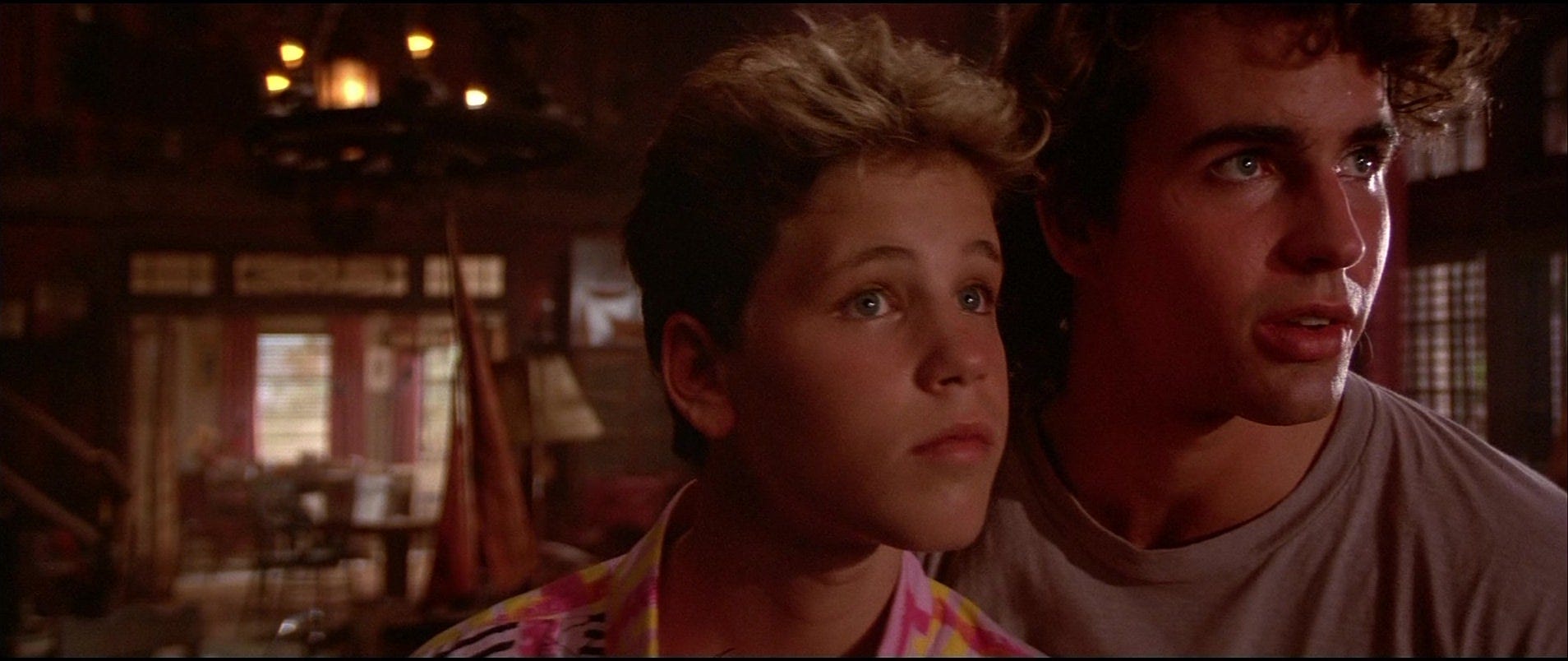
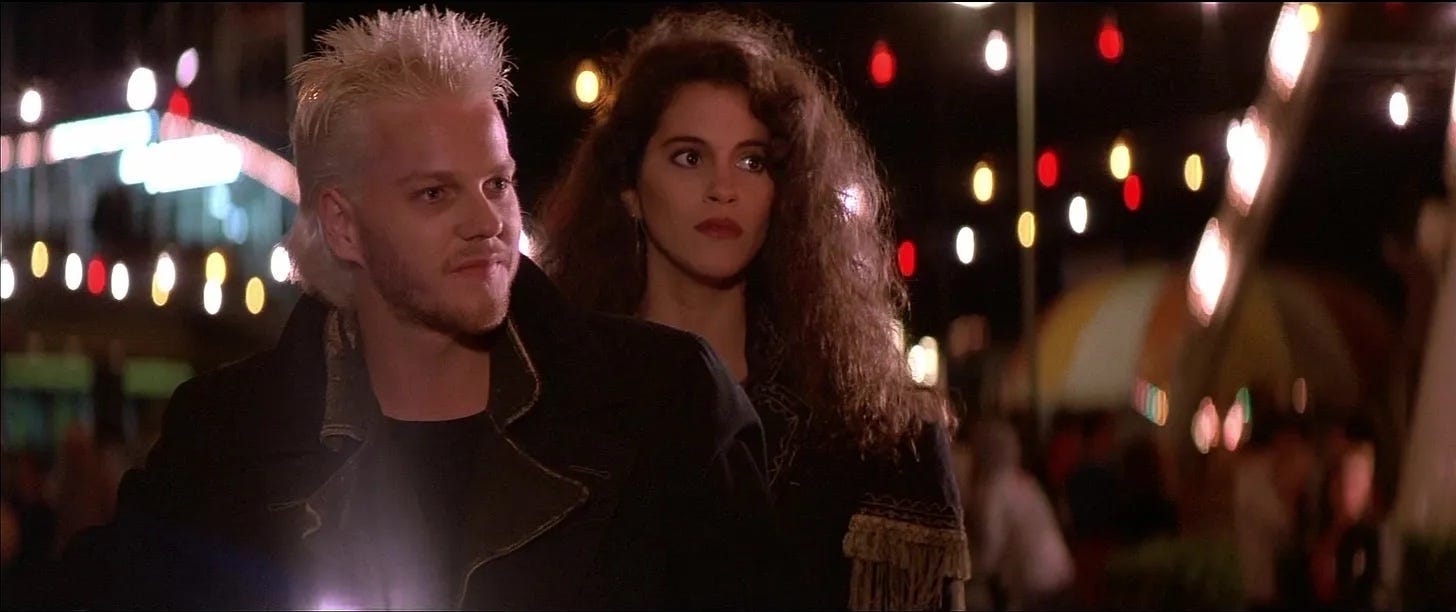
To cast the older brother Michael, Schumacher zeroed in on nineteen-year-old Jason Patric. The actor’s film debut had come in a boondoggle titled Solarbabies (1986) that had shot for four months in Spain. Patric had no leverage to turn down work, but he was wary of starring in an exploitation vampire movie. The actor agreed to interview for Lost Boys merely to meet Marion Dougherty, vice president of casting at Warner Bros. Dougherty had worked extensively with Clint Eastwood and Richard Donner casting their pictures at the studio. It took Schumacher six weeks of courting to convince Patric to star in his film. The director later admitted he had no backup, certainly not an actor as young as Patric with his talent and presence. To play the younger brother, now named Sam, fourteen-year-old Corey Haim came recommended to Schumacher by his agent. Haim was a child actor who played the title role in the coming-of-age film Lucas (1986). To play Lucy, Schumacher shot for the moon with Dianne Wiest, a member of Woody Allen’s repertory. To Dougherty’s surprise, Wiest accepted the part. When it came to casting David, the lead vampire, Schumacher based his decision on a supporting performance Kiefer Sutherland had given in At Close Range (1986). Donner recalled, “Casting was definitely Joel’s forte. Everybody he selected was always perfect for his or her individual roles, and I never second-guessed anyone he picked. Kiefer was quite a find, and when Joel said he was going to be playing David, I got it right away. The kid had such a candor at that age that he could’ve played any of the young characters in the movie. I was thrilled with him.”
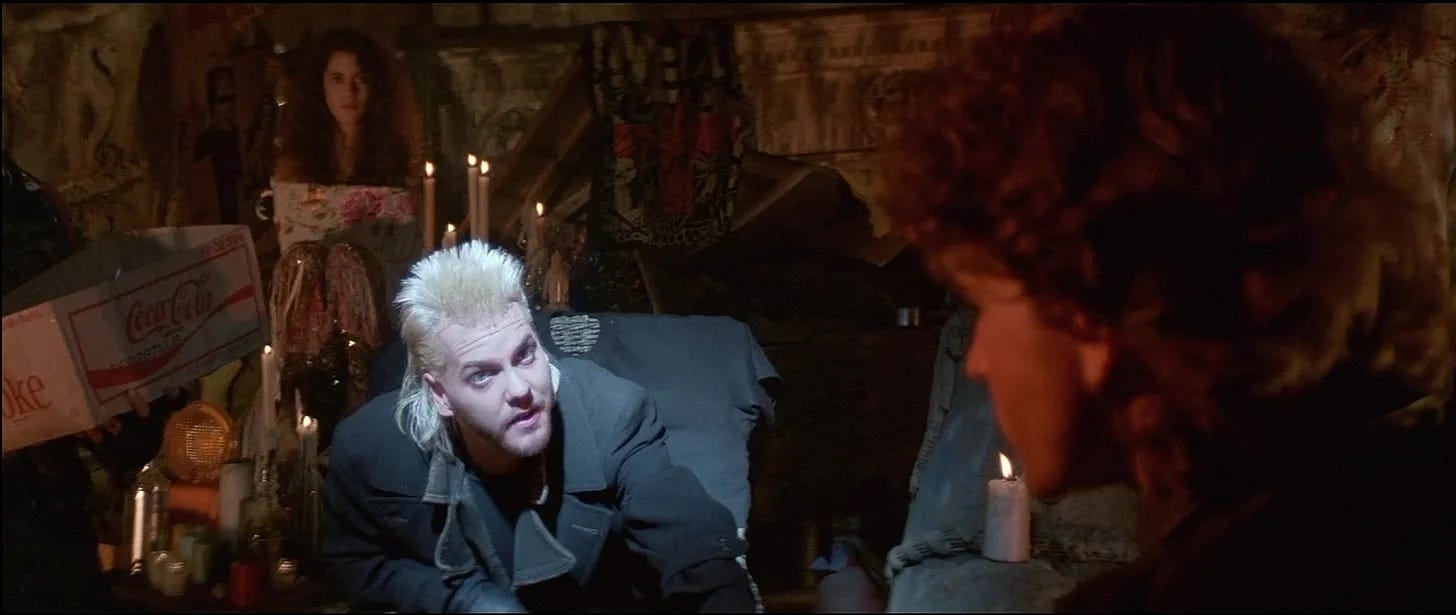
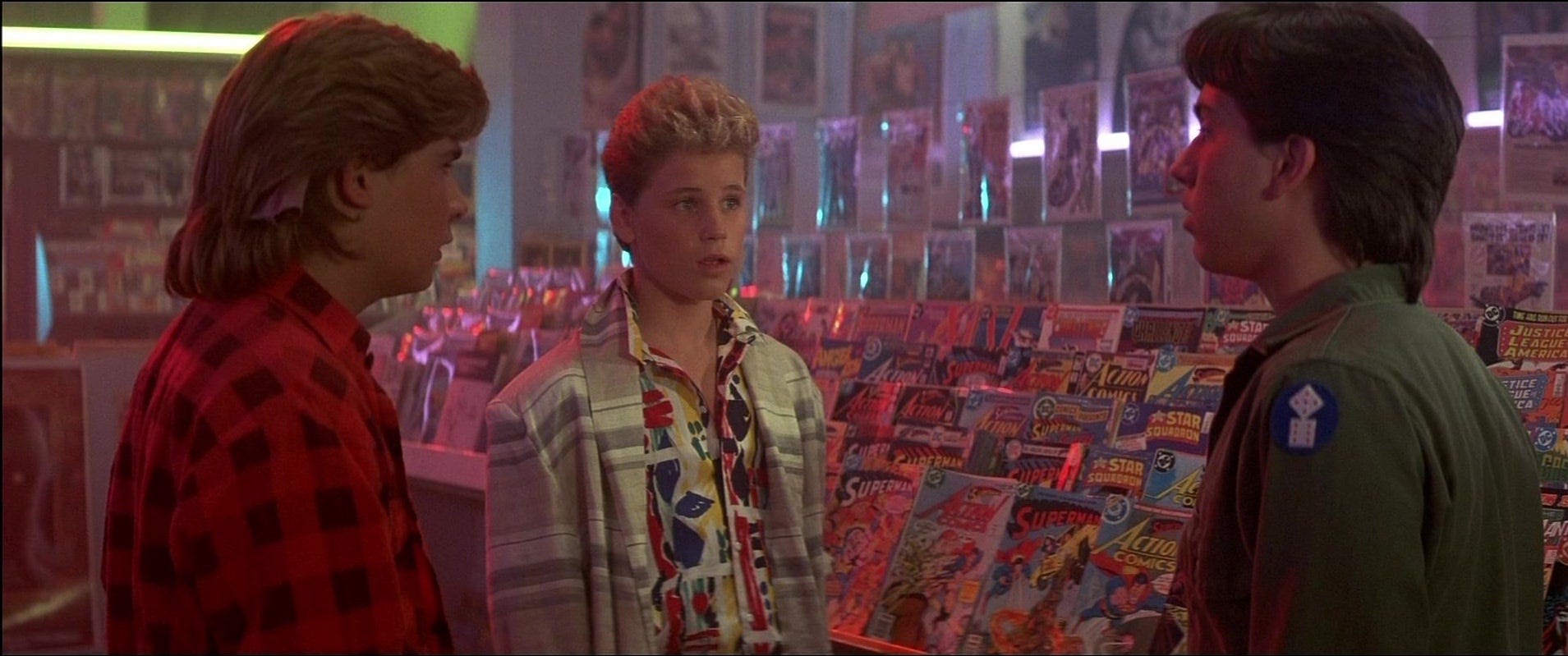
Donner had entertained the idea of casting Jeff Cohen — who’d played Chunk in The Goonies — as Edgar and Allan Frog, identical twins and Cub Scouts turned vampire hunters. Schumacher cast Corey Feldman and Jamison Newlander as what were now comic book clerks emulating Rambo. The director had struggled to cast Star, modeling her on Tinker Bell, a blonde waif with a pixie cut who lived on the beach. Patric suggested an actor he’d worked with on Solarbabies. They’d returned to L.A. to do a play together called Out of Gas On Lovers Leap, and Schumacher dragged himself to a performance. Of Jami Gertz, the director recalled, “She came in to talk to me despite the fact that I was convinced I wasn’t going to give her the role. However, as we were talking, it immediately struck me that Star would be much better and interesting as this wild, gypsy girl — which is exactly what Jami looked like! So really, Jami changed the concept of the character altogether, and the part was created in that moment. I have to credit Jason though. He drove me crazy to meet with Jami and to my delight, thank god he did because she was amazing.”
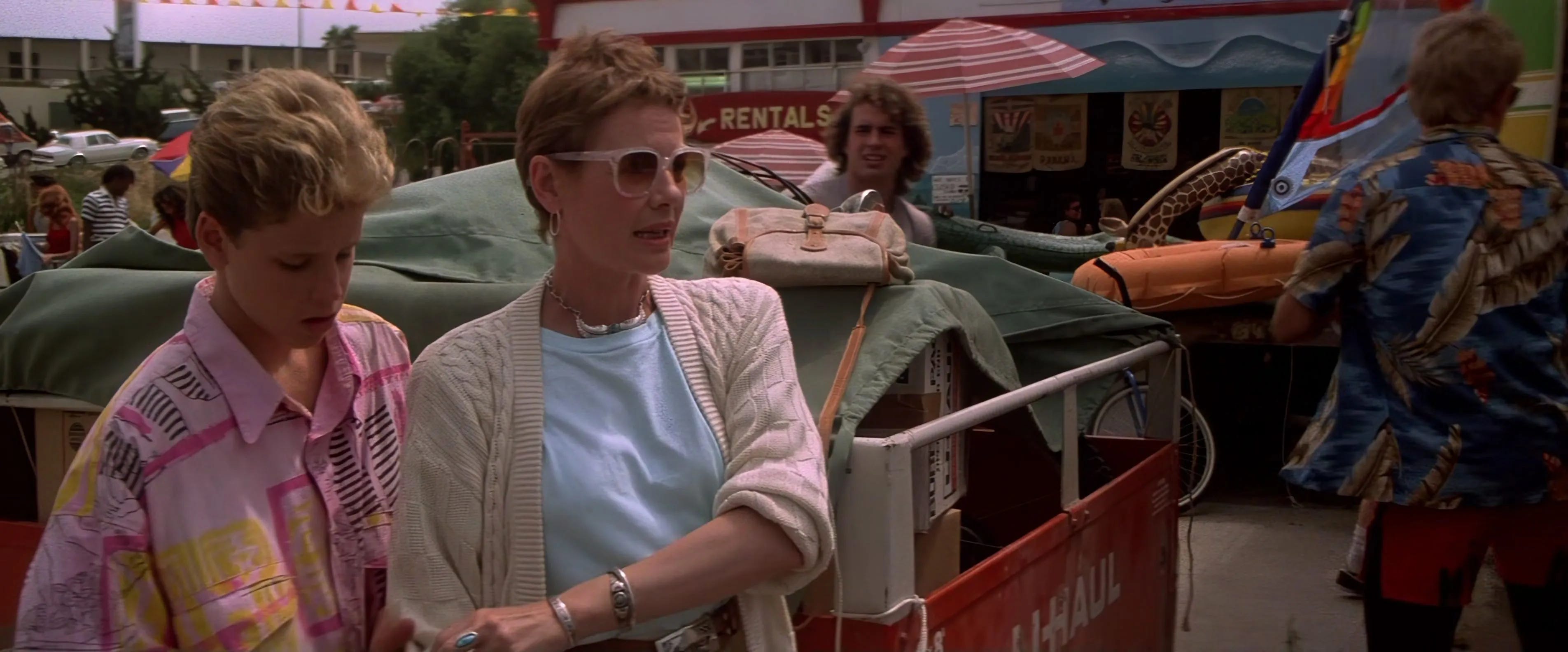
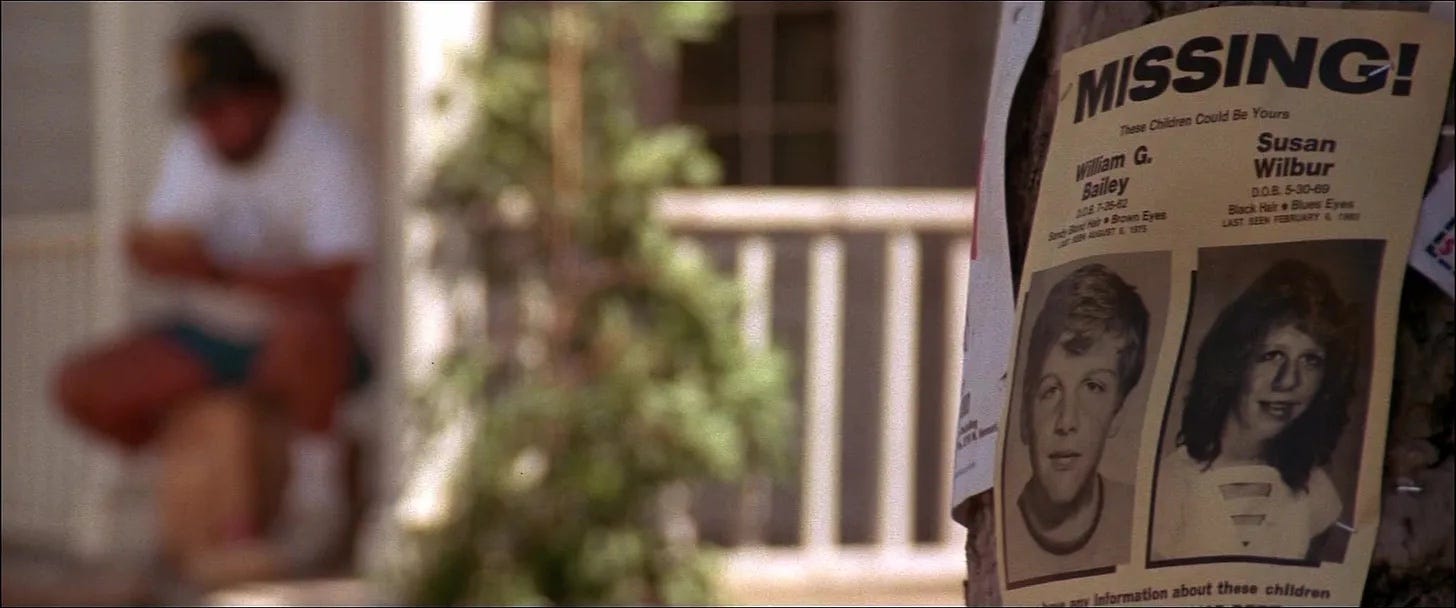
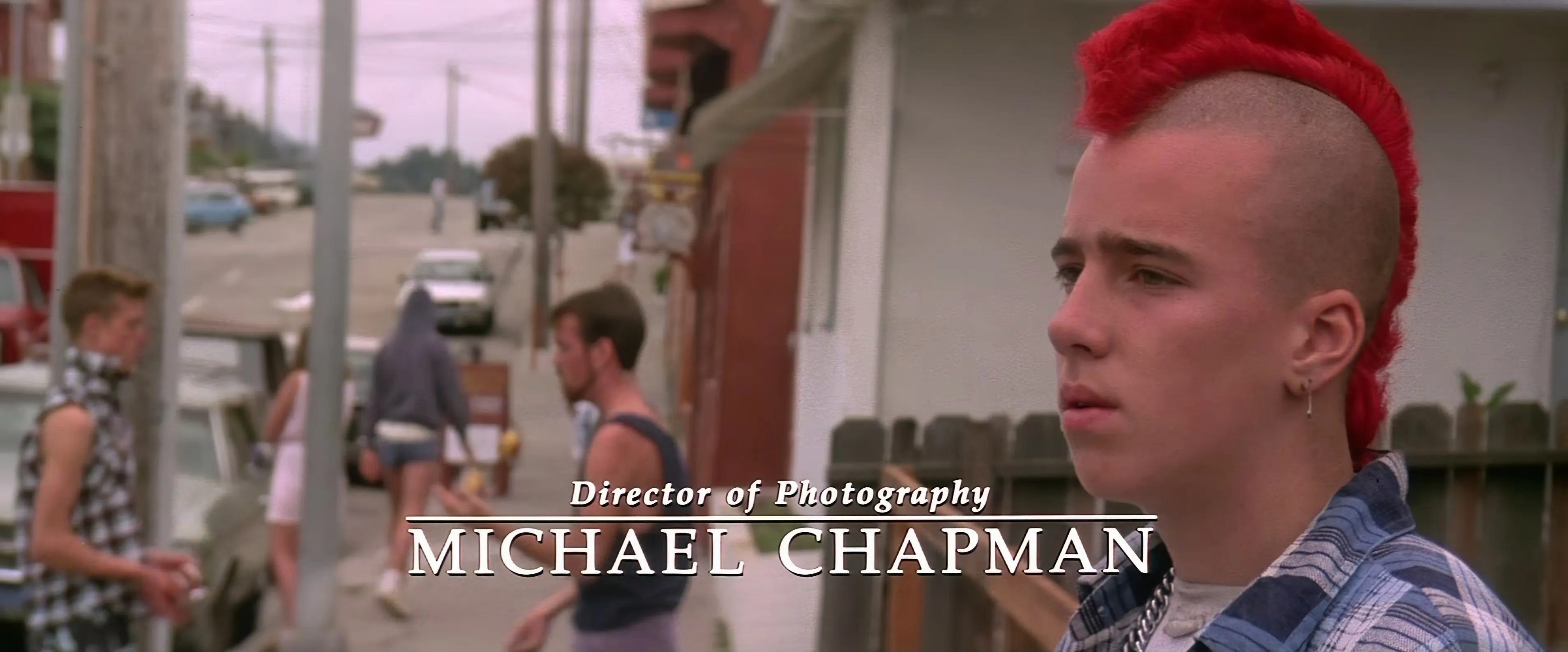
Fischer & Jeremias had given the director a world to work with. Arriving in Santa Cruz to scout locations, Schumacher recalled, “The minute I got there I said to myself, ‘This is exactly where I’d come to if I were a teenage vampire.’ There were runaways all over the place. Teenagers completely zoned out, selling Grateful Dead t-shirts on every corner. In the sixties, I had friends who went to Northern California to start a commune. They literally drove off in their van and I never saw them again. A lot of people drifted to Northern California back then, and many of them would start growing pot, and become very reactionary gun-toting drug dealers.” Director of photography Michael Chapman, who’d lit Taxi Driver (1976) and Raging Bull (1980), recalled, “What you see in the opening credits is the real Santa Cruz. That was exactly how it was. We didn’t fake anything. I went out there and just photographed the real wacky and wonderful inhabitants of the town. I could point the camera in any direction and there was always somebody that looked, well to borrow a word from The Doors, ‘strange.’” With the exception of the three principal cast members and an actor playing a gas station attendant, everyone in the opening credits is a local.
When he was planning to direct Lost Boys, Donner had hired Richard Edlund, a veteran of the Star Wars trilogy as visual effects supervisor. Uncertain about the hire he'd inherited, Schumacher turned to makeup artist Ve Neill for advice. The two had met while Neill was dating the editor of Amateur Night at the Dixie Bar and Grill, and Schumacher had hired her to do makeup for his first feature, The Incredible Shrinking Woman (1981). The director wanted prosthetic makeup for Lost Boys that would preserve the sexual allure of his actors. Neill was unconvinced that Edlund was right for that job. She recalled, “When Joel and I discussed the film, we both had the same idea that the vampires in this movie had to be sexy, strong, pretty, lethal and frightening all rolled into one. I basically wanted every man and every woman to leave the theater thinking, ‘I want to fuck these guys!’ I then discovered that the studio had already hired Richard Edlund’s company, Boss Film, to design all of the vampire prosthetics, and that Steve Johnson was doing the designs over there. I said to Joel, ‘These things are going to turn out like monsters. They just did Fright Night. That’s Steve’s style. They’re not going to be beautiful like we talked about.’”
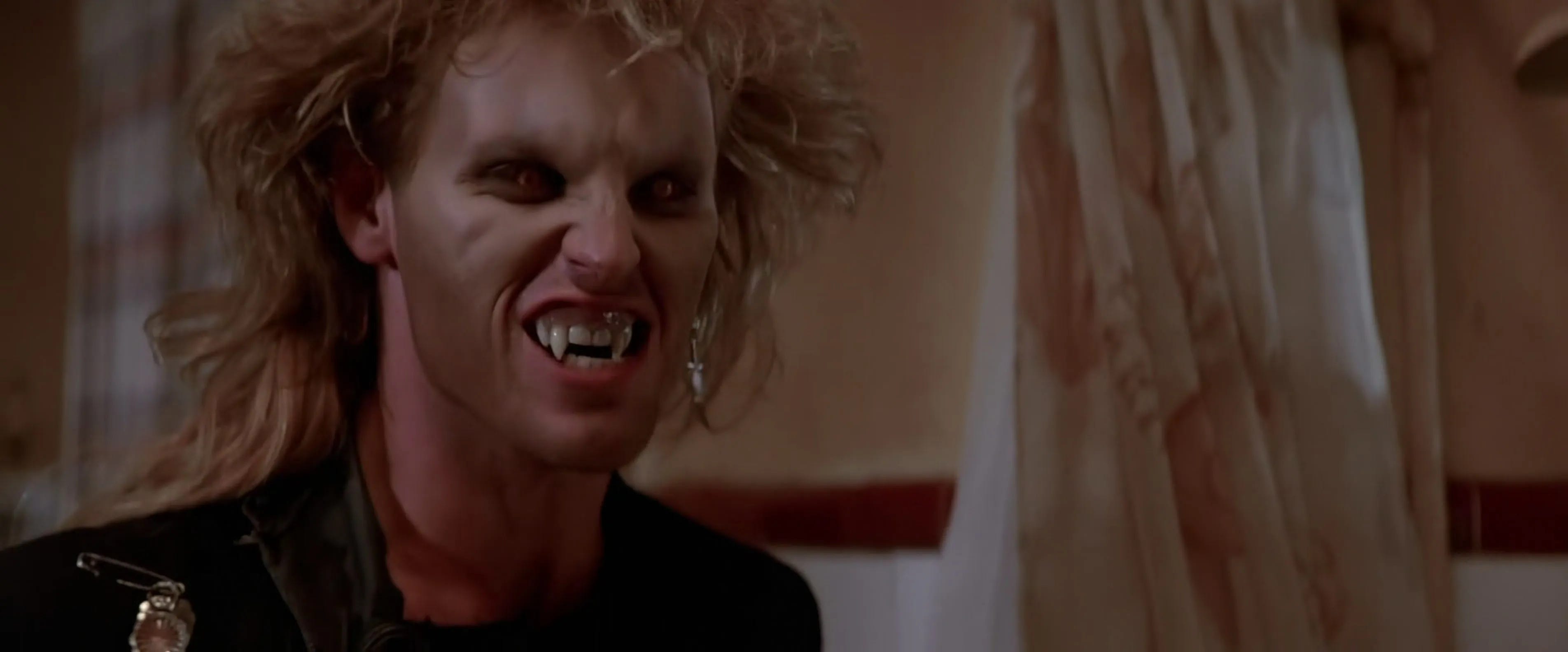
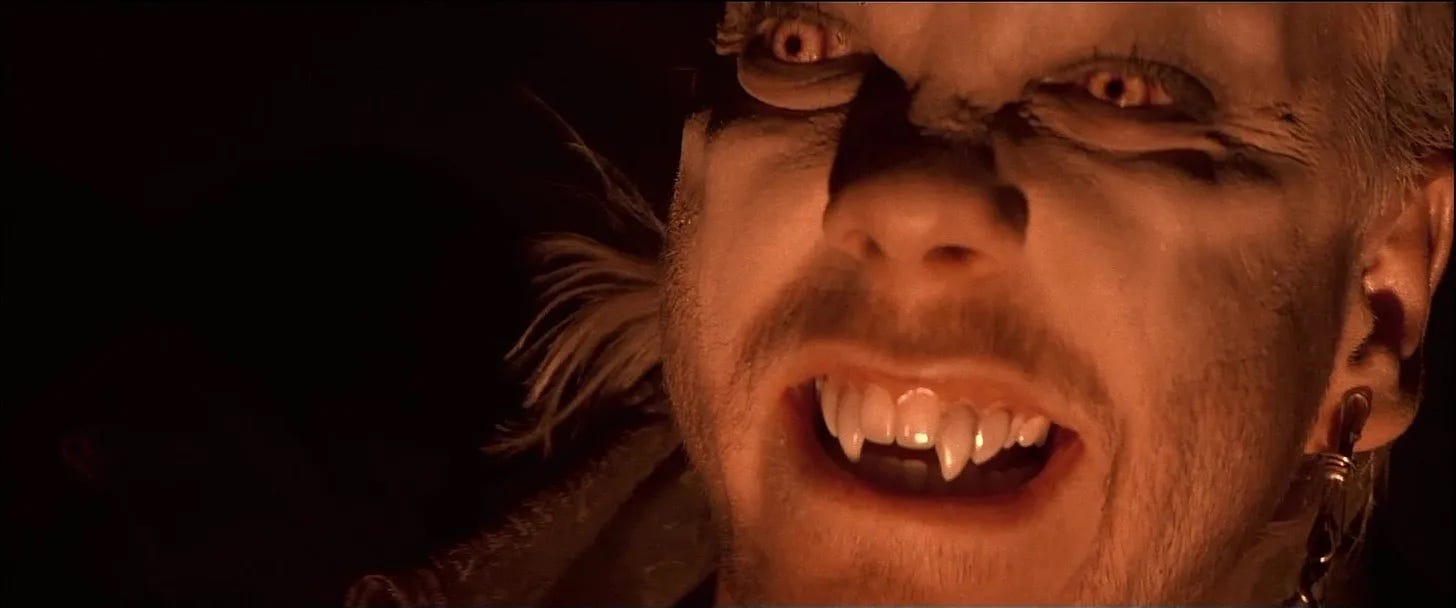
Late in pre-production, at Neill’s suggestion, Schumacher brought in her friend Greg Cannom to create the prosthetics. In addition to makeup effects on The Incredible Shrinking Woman, Cannom had worked with Rob Bottin (on The Howling in 1981) and Rick Baker (on Michael Jackson’s Thriller in 1983). Though Lost Boys didn’t call for creature transformations, Cannom and his team wanted to try something new. He recalled, “When I started designing the prosthetics I knew that I wanted the eyes to be the real star of the makeup. I showed Joel the contact lenses I used on Grace Jones in Vamp, and he immediately lit up and said, ‘I want those!’ And I just said, ‘Well, you can’t have those, I just used them.’ He said he didn’t care and so I told him I would do new lenses that were even better. I painted the designs and sent them to the lens specialist, Nissles, in England. Right before I did the second makeup test on Kiefer, I flew to England on Friday, picked up the lenses and then came back to L.A. to do the test on Monday. They were these beautiful laminated lenses that I’d heard about from Rick Baker when he used them on Greystoke, and then I used them for the first time on Cocoon. They were nowhere near as bad as the old vacuum form lenses that we used on Thriller, but sure, they were still uncomfortable.”
Shortly before principal photography commenced in June 1986, Warner Bros. notified Schumacher they wanted to cut $2 million from his budget. Production designer Bo Welch — who was designing the vampire’s lair and described the overall look Schumacher was going for as “rustic Ralph Lauren” — found the art department’s budget cut by 35%. This led Welch to rethink how to build the sunken baroque hotel. Without sacrificing atmosphere, Welch built the set on rollers, as a theater group would, allowing Schumacher to get the shots he wanted with greater economy. The studio also pressed the director to cut the number of extras by half. Finding the cuts arbitrary, Schumacher pushed back. “I did go to my great bosses at Warner Bros., Terry Semel and Bob Daley, and said that in order for us to take two million dollars off the budget, we would have to cut the bridge sequence, the concert scene, and the motorcycle chase on the beach. And they said, ‘Well, those are the best scenes in the movie!’ I told them we should cut the scenes, hypothetically, and that the dailies would be so good that I would earn those sequences back. I really had no idea what I was talking about, I just figured in my arrogance that I would get these sequences back if they called my bluff. I have to say, though, both Bob and Terry were sensational bosses. I can’t even put into words what they were like. Even if they were against a casting idea or just didn’t understand whatever crazy thing I wanted to do, they would eventually just say, ‘Okay,’ and let me take a chance.”
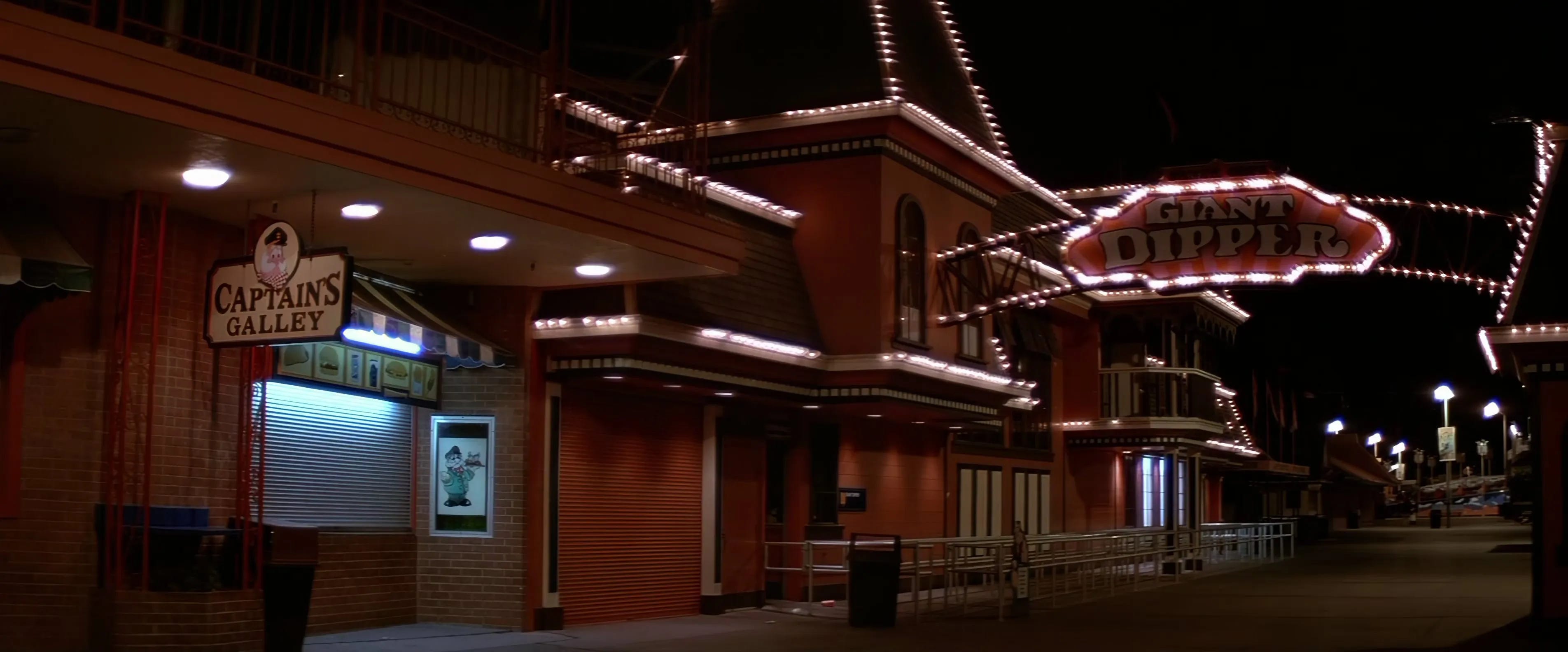
Lost Boys commenced filming on June 2, 1986, in Santa Cruz. The city’s mayor had gotten wind of what the movie was about, and bristled at her town being referred to as “the murder capital of the world.” The filmmakers assured civil authorities that they’d change the name, which they did, to “Santa Clara.” Both the video store and the restaurant where Wiest and Edward Herrmann’s characters socialize were filmed on Municipal Wharf, where Clint Eastwood had shot the climax of Sudden Impact (1983). The comic book shop Atlantis Fantasy World was located several blocks inland and would be preserved on film before it was damaged in the 1989 Loma Prieta earthquake and torn down. The nearby Pogonip Polo Club, a historic lodge with hand-crafted wood exterior, was dressed to double for Grandpa’s house. Interiors would be shot on the Warner Bros. lot.
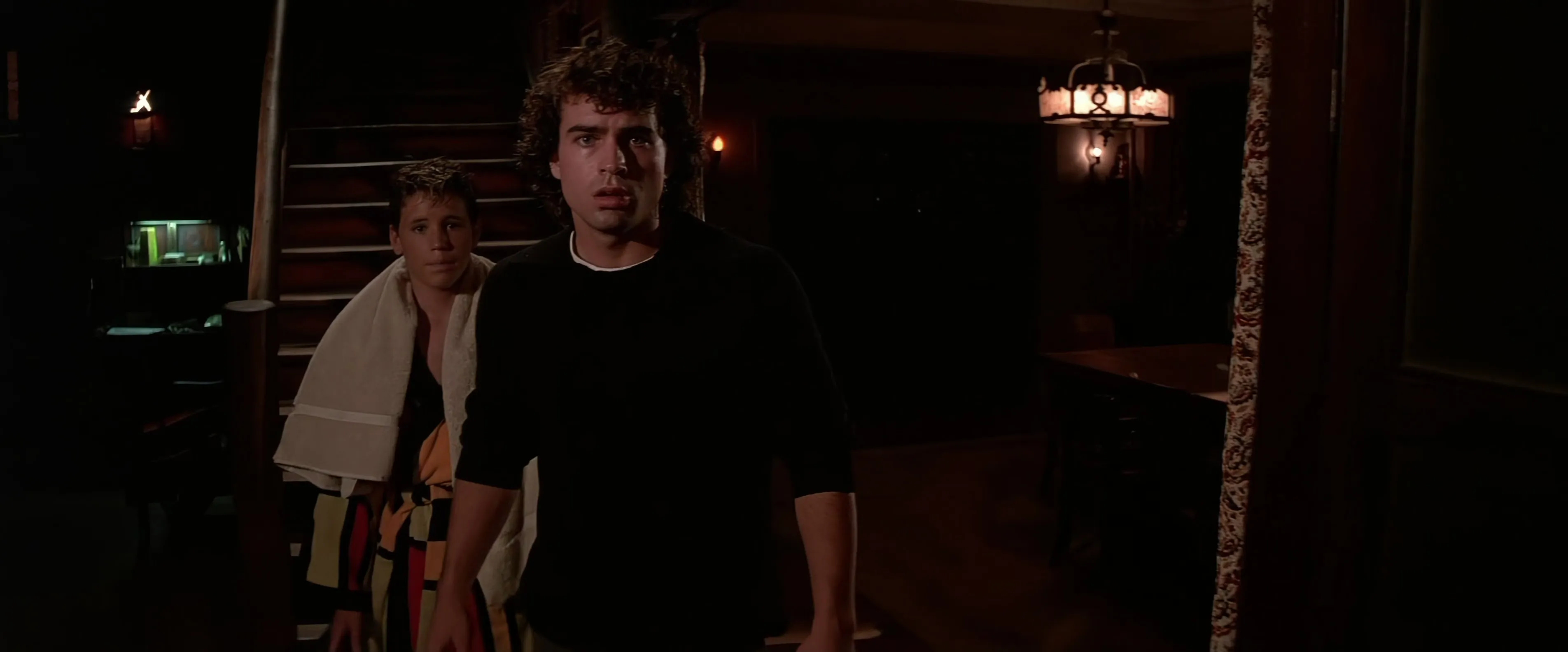
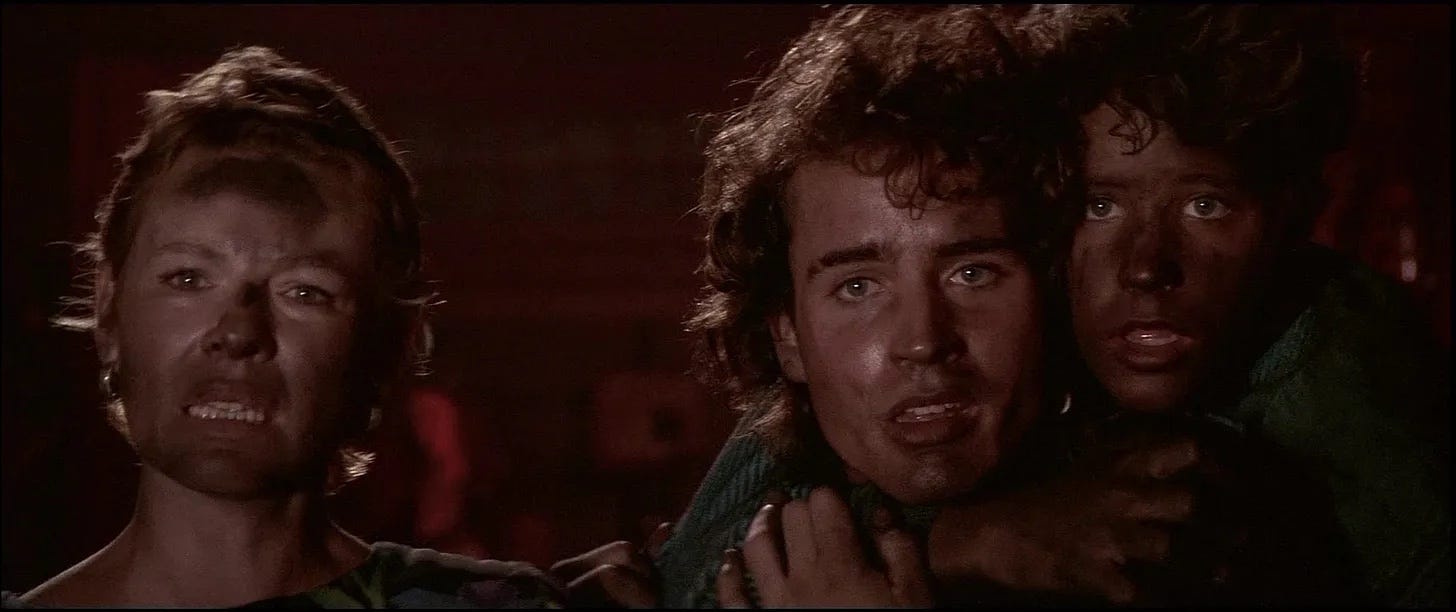
The production budget came in at roughly $8.5 million, pricier than what horror movies like A Nightmare on Elm Street 3: Dream Warriors ($3–4 million), Evil Dead II ($3.5 million) and Near Dark ($5 million) were costing. The studio started to get nervous. Schumacher recalled, “Bruce Berman was sent to the set by Bob Daley and Terry Semel to inform me that they were having trouble with the dailies. He said, ‘They want to know if you’re making a horror film or a comedy.’ And I said, ‘Yes.’ So he went back to Warner Bros. with that as my answer. Then suddenly Mark Canton came to me with the same question, and I gave him the same response. Mark then said that Bob and Terry did not believe these two genres would work for this film — so I turned to him and said, ‘Tell them to pray.’ Where I got the balls to say that, I have no idea.” It’s unlikely Schumacher let the studio know that he hadn’t settled on how to end the movie yet. The director admitted, “In the script it was originally Star that killed David. Then we changed it to Max right before we started shooting, and in both of these endings Michael was never a vampire. When you’re making movies and you progress through the shoot, it starts to become clearer exactly what you need at the end of the film — as I’ve said before, a lot of what we did was just made up during production. I remember that our script supervisor Jan Kemper, Michael Chapman, and [First Assistant Director] Bill Beasley — my intimates beside the camera — every morning, for weeks, we would discuss the ending.”
Meanwhile, Warner Bros. had unearthed a 1981 song that rock composer Jim Steinman had written for Meat Loaf titled “Lost Boys and Golden Girls.” Rather than put Steinman on the payroll, the studio pressed Schumacher to rethink their title. The director asked if sticking The in front of Lost Boys would keep anyone from getting sued. The movie became The Lost Boys. Schumacher wasn’t confident anyone at the studio believed the film would amount to anything. When he arrived for the first test screening in Long Beach, the director was surprised by what he saw. “When we drove up, there was a line of 750 people going all the way around the theater. It blew my mind because I thought, ‘How do they even know about this? There are no ads yet!’ We went and the place was completely packed. It was just like a rock concert! It was so wild and the energy in the audience was so insane. There was a row of surf punks, and in the scene where the boys fly from the tree and kill the Surf Nazis on the beach; they got so crazed with ecstasy that one of them tore open the seat cushion and they all started throwing stuffing around like confetti! People were cheering and hollering, and I can tell you, there were a lot of happy executives after that screening.”
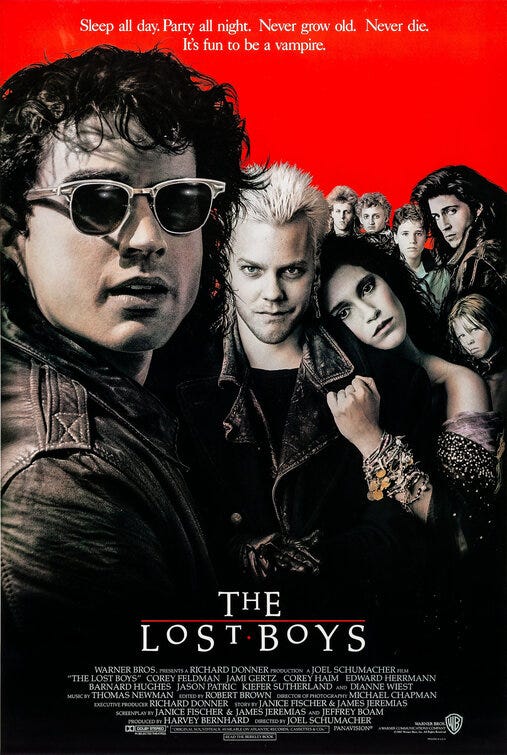
The Lost Boys opened July 31, 1987 on 1,027 screens in the U.S. Most newspaper critics approached the picture as if they were unsure whether they could recommend it or not. Filing his report in the Chicago Sun-Times, Roger Ebert wrote, “There’s some good stuff in the movie, including a cast that’s good right down the line and a willingness to have some fun with teenage culture in the Mass Murder Capital. But when everything is all over, there’s nothing to leave the theater with — no real horrors, no real dread, no real imagination — just technique at the service of formula.” Ebert rated The Lost Boys 2½ stars out of 4. In LA Weekly, Michael Dare seemed even more at odds with himself. “As anyone who’s seen St. Elmo’s Fire knows, director Joel Schumacher makes movies about great-looking guys who wear earrings. This film is no exception, though it’s a vast improvement over his earlier work. From the very opening, there are vivid hallucinations and music montages, so when things start getting weird, we’re never sure whether they’re really happening or not. Though the critic in the back of my head kept nagging me about the calculated slickness and the cooler-than-thou attitudes, the audience in my frontal lobes kept getting off on the sheer power of the technique. It’s big, loud, intense, scary, stupid, and a lot of fun.” Gene Siskel, film critic for the Chicago Tribune, admired the craft while being worn down by it. “There’s a technical polish to the film that’s impressive, and a couple of the kids do make an engaging impression, but at the end we’re mostly exhausted.” In print, Siskel also rated the film 2½ stars out of 4. On their syndicated television program, he gave The Lost Boys a marginal thumbs down, while Ebert turned a reluctant thumbs up. The qualified response from critics seemed similar to the ambivalence Warner Bros. had expressed over the film's genre.
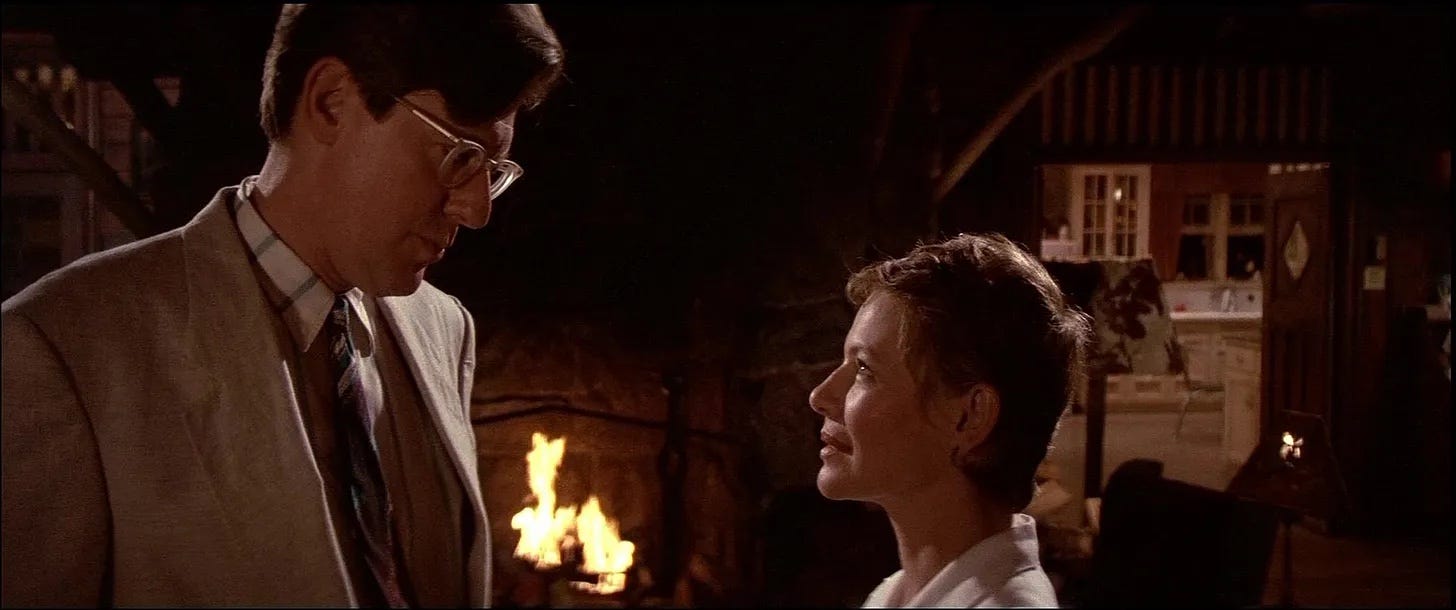
Joel Schumacher’s horror and comedy arrived the same weekend the new James Bond, Timothy Dalton, debuted in The Living Daylights, which opened #1. The Lost Boys was #2, but sold half as many tickets. It would be overwhelmed by Stakeout, which Disney opened the following weekend and appealed to a broader audience by pairing Richard Dreyfuss and Emilio Estevez. Its blend of action and comedy spent nearly thirteen weekends among the top ten grossing films in the country. By contrast, The Lost Boys disappeared after one month. Mark Canton would offer his post-mortem. “I felt as though the marketing materials for The Lost Boys were very good, but I also believed they struggled to sell the combination of genres — which is probably reflective of the box office. The movie didn’t do anywhere near as well as we all had hoped. I think it did somewhere in the region of thirty-two million dollars over a ten-week run. We did good, but we didn’t do great, and I’ve never really had an answer as to why this one didn’t hit, because it is still one of my favorite movies that I’ve developed. Sometimes shit just happens.” The studio didn’t see an $8.5 million movie that had grossed $32 million domestically. Given a director on an upward swing and the enthusiastic test screenings, Warner Bros. saw The Lost Boys as leaving more on the table than it earned.
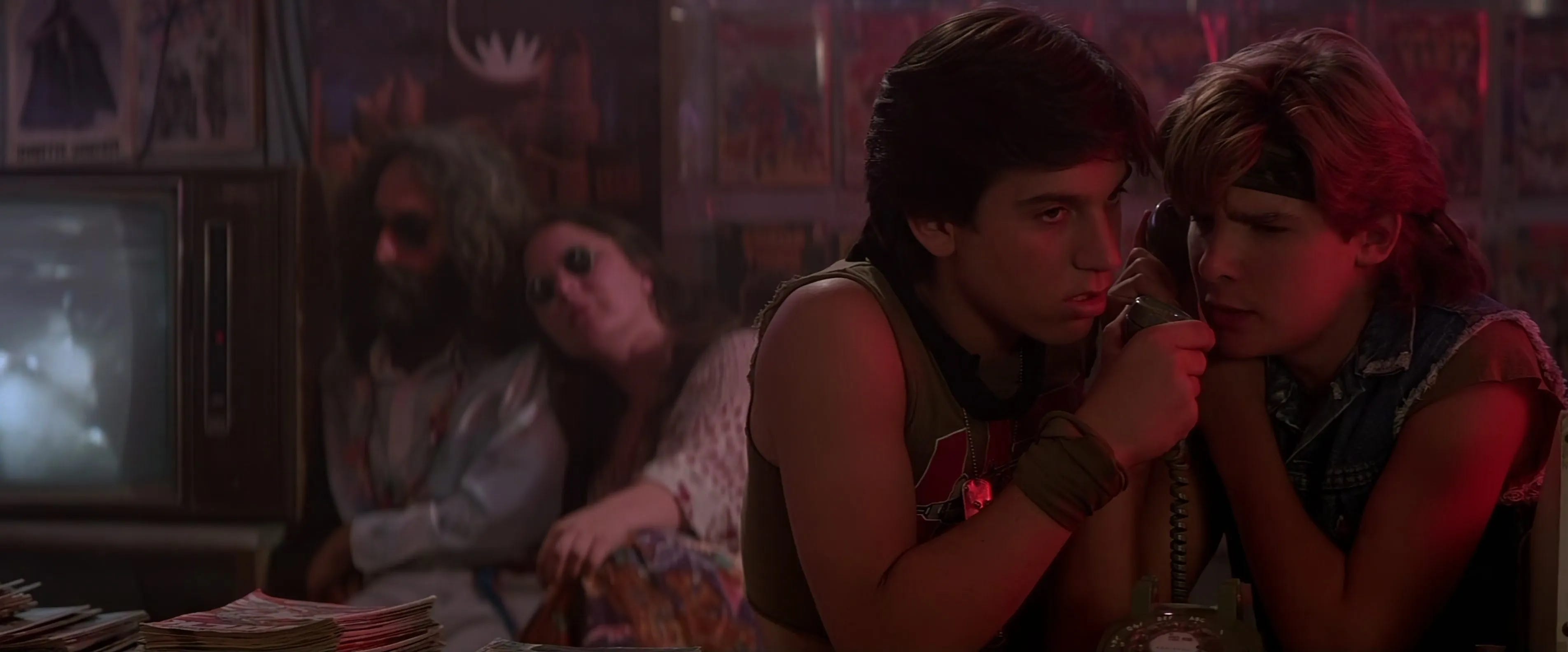
Nobody bet the house on The Lost Boys, and the movie both suffers from that lack of faith and transcends it. At 97 minutes, the filmmakers pack fourteen characters and two dogs into what today would warrant a seven-episode streaming mini-series. There was a deeper and more unsettling tale here than anyone fully realized at the time. Let’s start with Lucy, tenderly grounded by Dianne Wiest. Lucy isn’t a widow, she’s a divorcée. Details remain unspoken, but whatever happened with Michael and Sam’s father, it’s bad enough for a woman with zero career opportunities to move her children to the “Murder Capital of the World.” There was a story about abandonment that could’ve been explored here as Lucy and Michael are seduced into a dark belonging. Wiest and Jason Patric warranted more screen time, but time was a luxury The Lost Boys didn't have. Patric and Corey Haim generate believable chemistry as brothers, and while their characters aren’t written with much complexity, they are given more to do, Michael coveting a girl not from the other side of the tracks but the other side of the living, while Sam discovers that vampires are everywhere and his brother may be one of them. Fright Night has the tighter and more propulsive script, developing like a TV movie from the ’70s. The Lost Boys is more of its decade, lathering up the excess: more characters, more storylines, more atmosphere, more mystique.
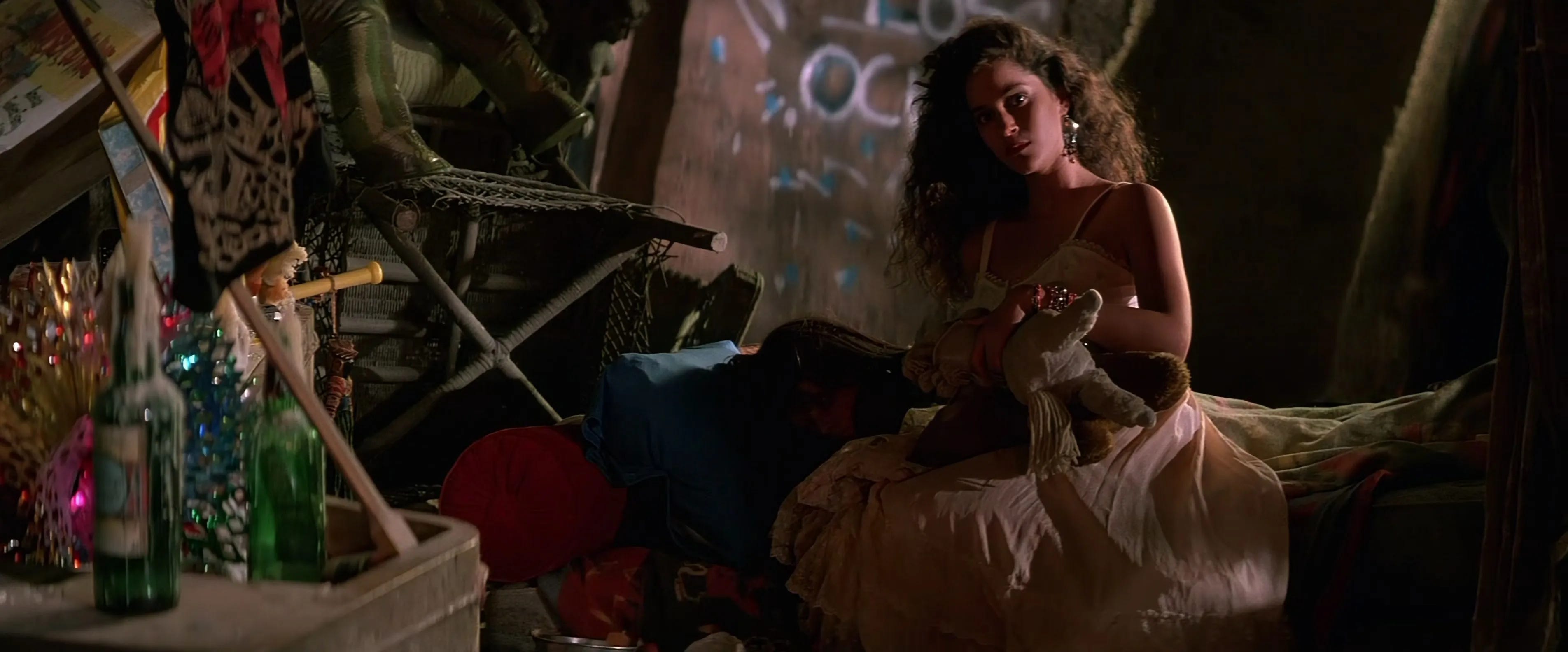
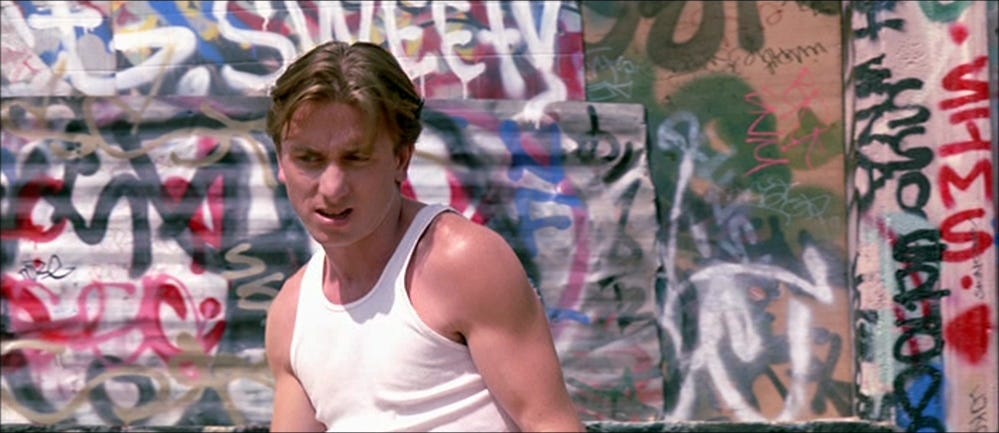
One thing Jeffrey Boam lost from Janice Fischer & James Jeremias’ script was the concept of the Lost Boys as 100-year-old killers trapped in the bodies of children. There’s a whole movie left to our imagination about how long the vampires have been lurking around Santa Clara and who they were before. Like Dianne Wiest, Jami Gertz has a character much more complicated than the running time allows her. How Star and the boy in her care came to be initiated into the gang — which has no other women or children in it — is another episode left unexplored. Joel Schumacher, who’d written an ensemble with Car Wash and co-written and directed two more in D.C. Cab (1983) and St. Elmo’s Fire, leveled up with The Lost Boys, not only casting and balancing a more talented group of actors, but getting the wardrobe, hair, makeup and lighting close to perfect. Schumacher made one bad call: vocalist and saxophone player Tim Cappello as the act for the concert scene. An acceptable performer, Cappello’s topless and oiled-up act was all wrong for the beach bums in Santa Clara, more likely to be thirsting for rockers like Aerosmith. Cappello’s beefcake antics nearly derail the best scene in the film, Michael and Star laying eyes on each other for the first time. Fortunately, there’s so much around him that’s good, even Cappello’s cover of The Call’s “I Still Believe,” that it ends up being a minor defect. Time hasn’t given The Lost Boys anything to apologize for. It’s aged the best of any vampire movie of its generation and never settles for being a guilty pleasure. While Night of the Living Dead (1968) qualified as an ensemble cast, no vampire movie had ever pulled this many characters together, something that filmmakers took notice of. In Reservoir Dogs (1992), there’s a moment when undercover cop Mr. Orange (Tim Roth) is rehearsing his cover story, and feels he needs to convey that someone interrupted him from a video. The line is “Motherfucker! I’m trying to watch The Lost Boys!” and like all the references in Quentin Tarantino’s debut, it was earned.
Video rental category: Horror (allegedly)
Special interest: Kids On Bikes
The production history in this article is sourced to Paul Davis’ magnificent oral and pictorial history Lost In the Shadows: The Story of the Lost Boys, published in 2017.