

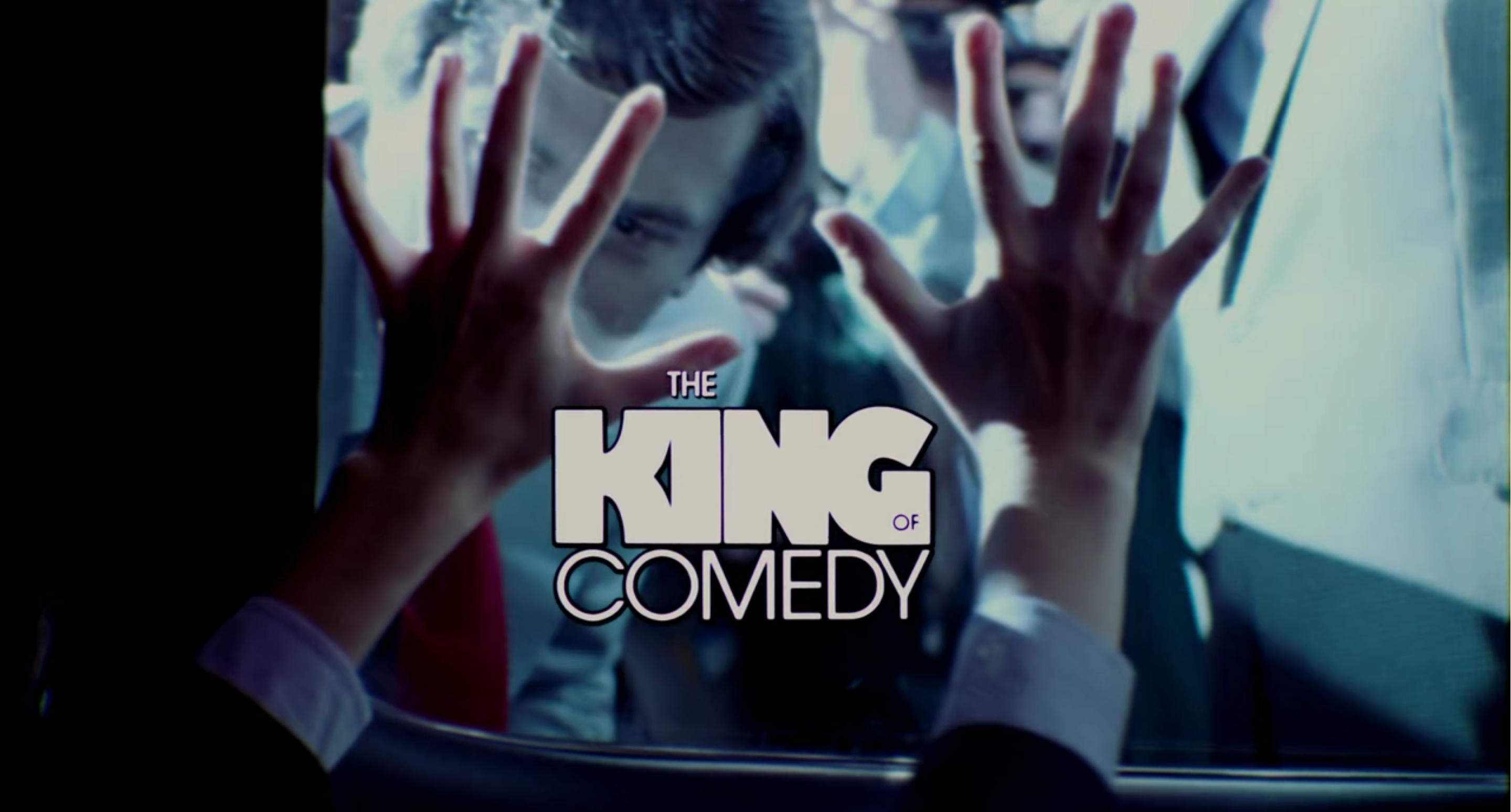
THE KING OF COMEDY (1983) towers over almost any other film about a fictional artist trying to bust into show business. The dark side of A Star Is Born (1937, 1954, 1976 or 2018), this black comedy is palpable for two reasons. The filmmakers create an act for their entertainer that’s virtually good enough to be a real act. And they make us feel every pained, reality-challenged step he takes toward achieving his dream. Its commentary on the fanaticism that lurks around fame has grown more relevant in the years since the film escaped into theaters.
Paul D. Zimmerman graduated from Scarsdale High School in Westchester County, New York and (with a degree in journalism) from Amherst College. By the age of thirty, he was film critic for Newsweek magazine and a published author, co-writing a book on the Marx Brothers (The Marx Brothers at the Movies, with Burt Goldblatt) and two books about sports (The Year the Mets Lost Last Place and The Open Man, with Dick Schaap). The year the latter was on bookstands, Zimmerman had an idea for a screenplay. On NPR’s Fresh Air with Terry Gross airing September 28, 1982, the author/ screenwriter explained, “Well, I got the idea in 1970. I got it in a combination of things. I read a piece in Esquire where a guy kept a diary of the talk show hosts, and he wrote about them as if they were his buddies. Then I saw on David Susskind’s show, he had autograph hunters, and I thought, ‘What if an autograph hunter thought one of these talk show hosts was a buddy?’ And I also had vague notions of assassination and other things that have held up, unfortunately too well over the period.”
In the late 1960s, Dick Cavett, Merv Griffin and Johnny Carson cast a long shadow over pop culture as hosts of television talk shows, programs which Zimmerman’s wife Barbara referred to as “cocktail parties without drinks.” Her husband crafted his fictional talk show host–which he named “Jerry Langford” from the start–with Dick Cavett as his model. In 1971, Newsweek promoted Zimmerman to general editor of their movie section. Between attending film screenings and rubbing elbows with those more conscious of Zimmerman’s influence than he was, the critic shared his story idea with David Picker, CEO of United Artists. Picker encouraged him to write the first five scenes. Zimmerman hammered out eighty-five pages of prose and dialogue instead. The material enticed Robert Evans, the young executive VP of worldwide production at Paramount Pictures, to develop what Zimmerman was calling The Autograph Hunter. Evans lassoed Miloš Forman, a Czechoslavakin director whose first American film, Taking Off (1971) had been well received, to work with Zimmerman on a script with an eye on directing it. With Zimmerman’s wife ready to give birth, Forman moved into their house in Bucks County, Pennsylvania and spent eight to ten weeks there working with the screenwriter.
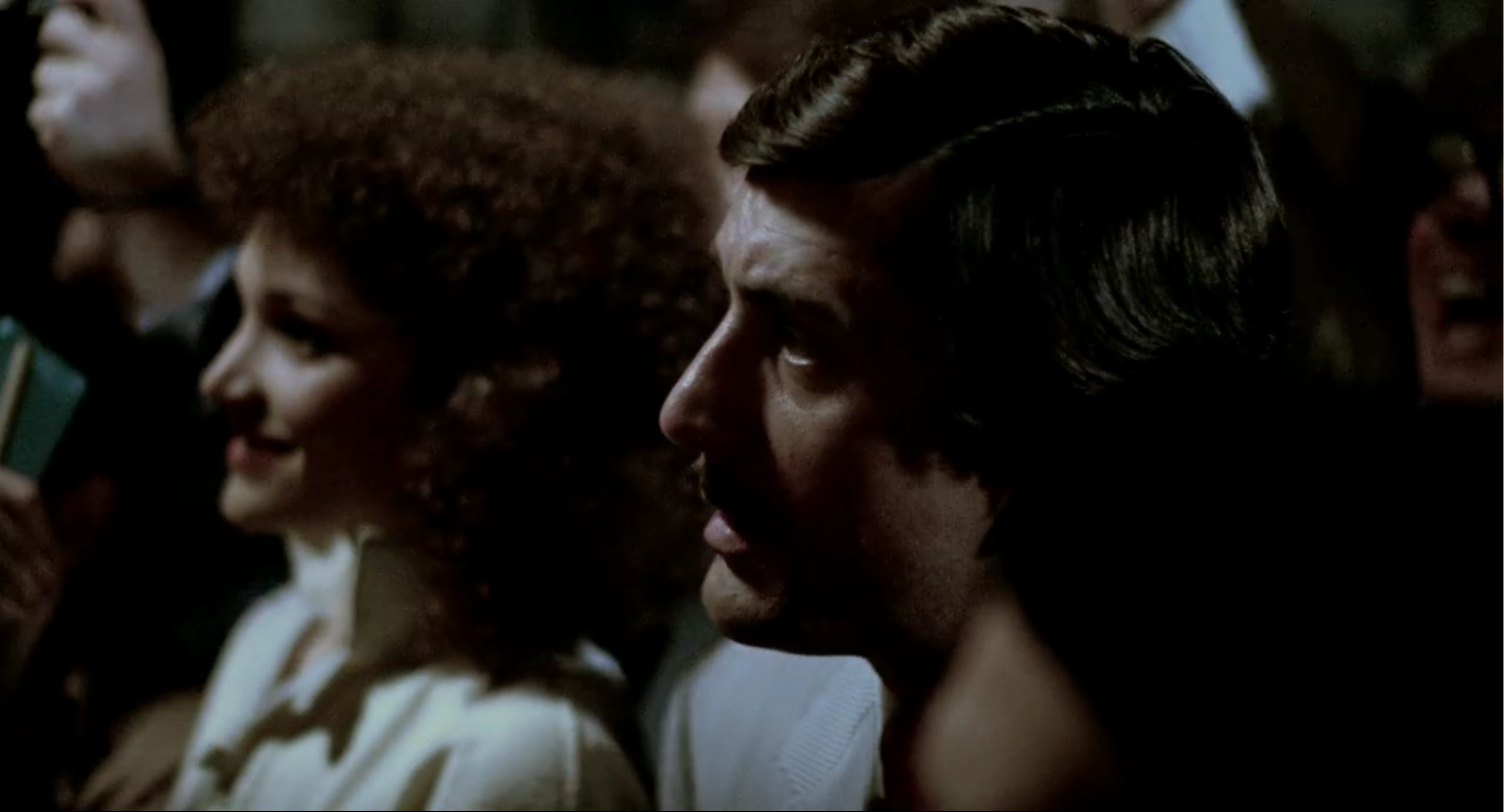
In conversation with Terry Gross, Paul Zimmerman continued, “And it didn’t work out at all. And I rewrote it. Actually we got some good ideas together, but the thing went in the wrong direction because–I’ll tell you a little about it–it’s about an anonymous comedian who meets a talk show host. The talk show host says ‘Call my office’, and he lives his life from there on as though he’s made it, because he’s paid his dues, he’s talented, and now this is his break, but he’s actually a total fantasist. And he goes living his life and he does call the office and the whole story follows from there, logically to its conclusion where he does get on the show, and I won’t say a lot more about it.” Forman saw The Autograph Hunter in more inspirational terms than Zimmerman, the director favoring a heroic tale about a normal guy going after his dreams. For Zimmerman, there was nothing “normal” about their protagonist Rupert Pupkin or the steps he takes to get what he wants. Forman spent nearly three years trying to get his gentler version of the script financed. He finally gave up, opting to direct a movie that looked like it would get made. This turned out to be One Flew Over the Cuckoo’s Nest (1975), which swept all five major categories at the Academy Awards, including Best Picture and Best Director.
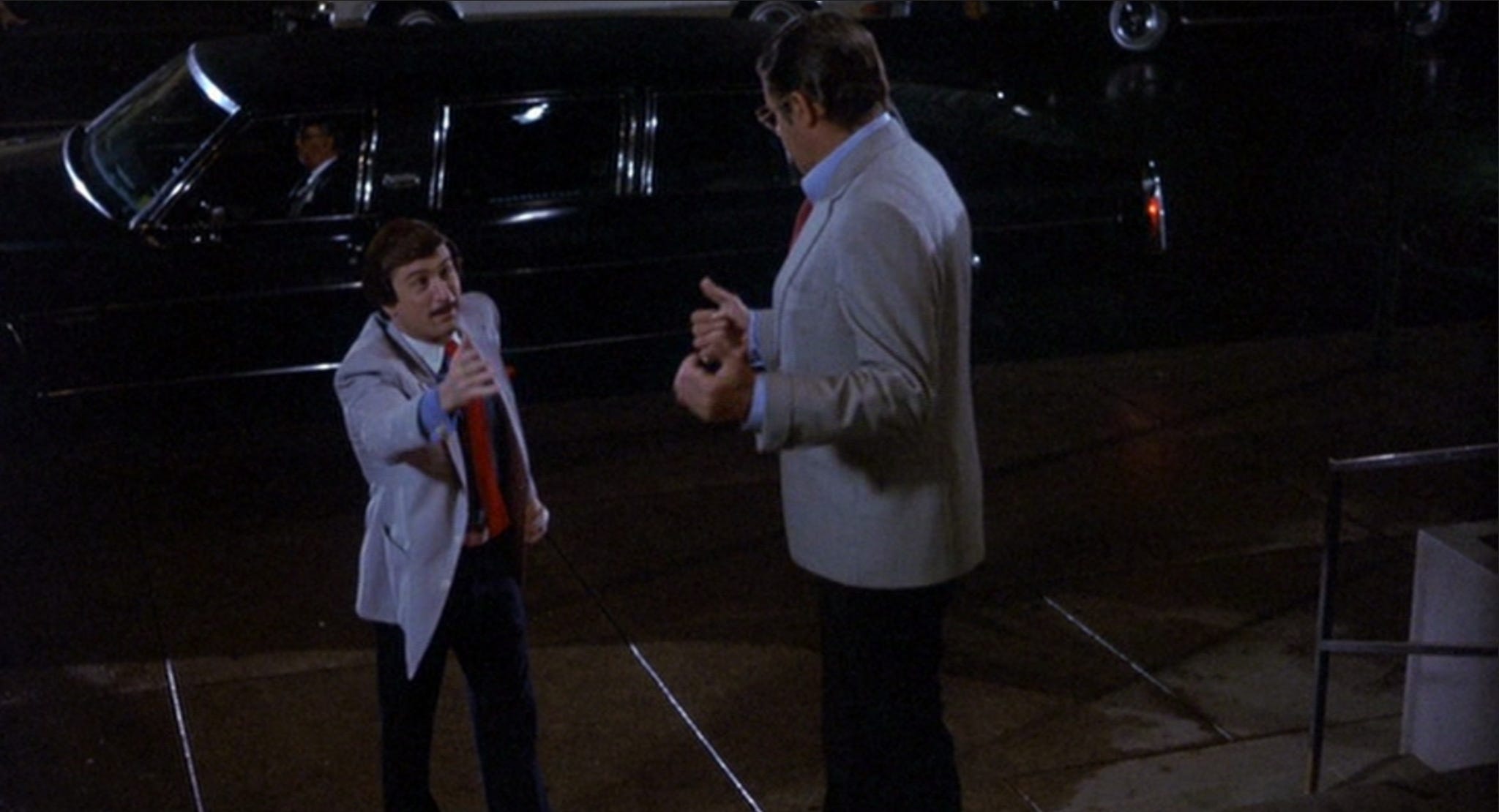
Forman’s take on The Autograph Hunter dead on the vine, Zimmerman finished his own version, which he’d retitled The King of Comedy. In 1974, the film critic got his script to director Martin Scorsese, who was basking in the success of Mean Streets (1973), which had made Harvey Keitel and Robert DeNiro stars. Scorsese politely turned Zimmerman down by claiming that he was already working with a film critic–Jay Cocks of Time magazine–on a script about a stand-up comedian. Years later, Scorsese admitted that he didn’t cotton to The King of Comedy when he first read it, appraising the script as “a one-line gag”: a comedian abducts a television talk show host in order to break into show business. Zimmerman asked Scorsese to pass the script to Robert DeNiro. Returning from a vacation, Zimmerman had a message from DeNiro’s manager Harry Ufland saying that his client wanted to meet. DeNiro talked about Rupert Pupkin and about the script the way Zimmerman had dreamed someone would understand it. The hitch was that DeNiro was headed to Italy to spend a year shooting 1900 (1977) and had several commitments waiting for him when he returned. The King of Comedy was put on ice.
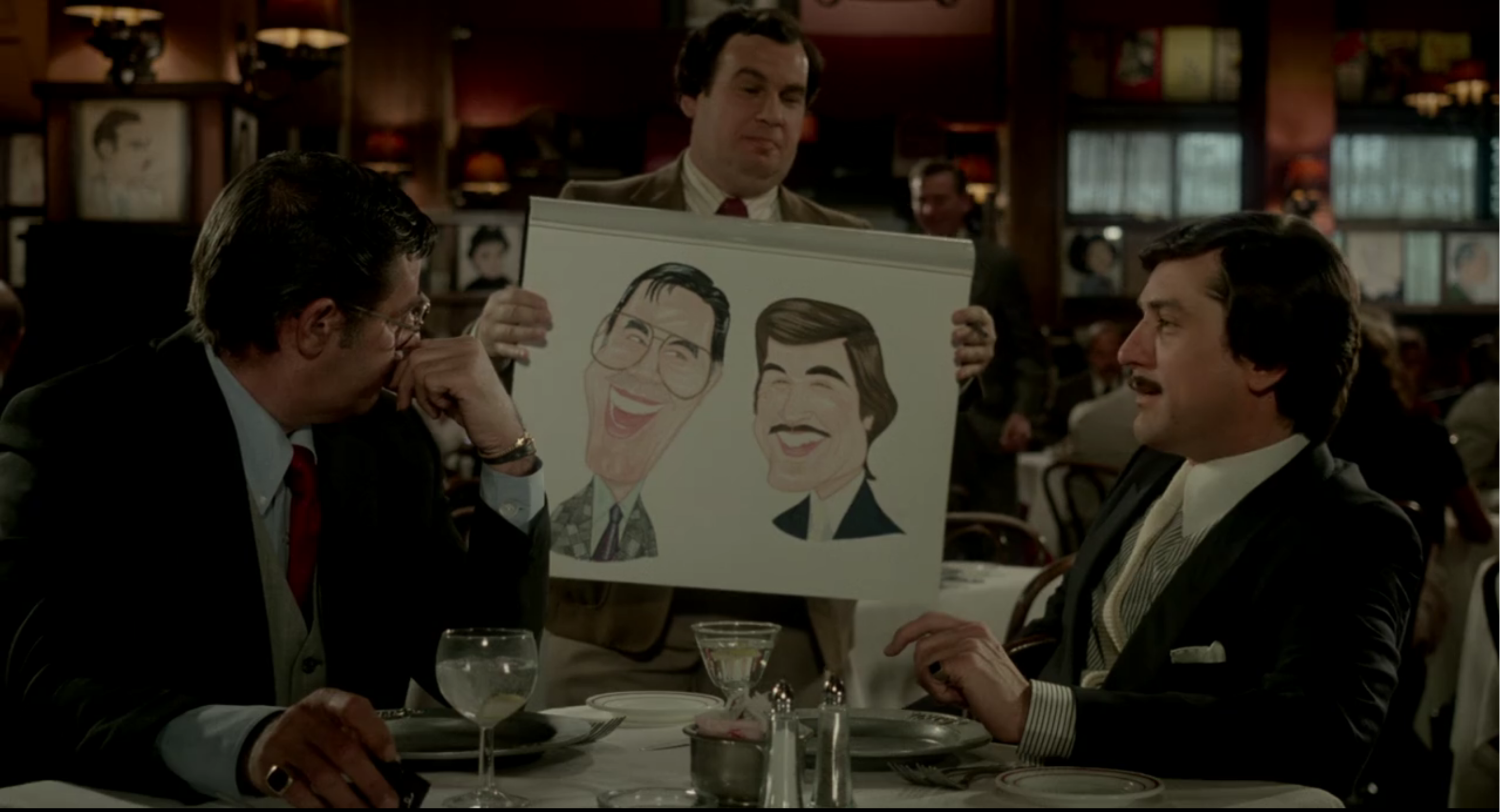
DeNiro eventually proposed that the director of one of his commitments–Michael Cimino of The Deer Hunter (1978) — rewrite and direct The King of Comedy. Rather than reunite with DeNiro for his follow-up to The Deer Hunter–which also won five Academy Awards including Best Picture and Best Director–Cimino fixated on a revisionist western he’d written titled The Johnson County War, which became an infamous commercial disaster under the title Heaven’s Gate (1980). By now, Martin Scorsese had directed Robert DeNiro in Mean Streets, Taxi Driver (1976) and New York, New York (1977), and recovering in a New York hospital from internal bleeding brought on by rampant cocaine use, Scorsese was willing to get back to work with DeNiro on a project the actor could wait no longer delay, playing boxer Jake LaMotta. Raging Bull (1980) was embraced by critics–Premiere magazine later ranked it the best film of the decade–and nominated for eight Academy Awards, including Best Picture and Best Director.
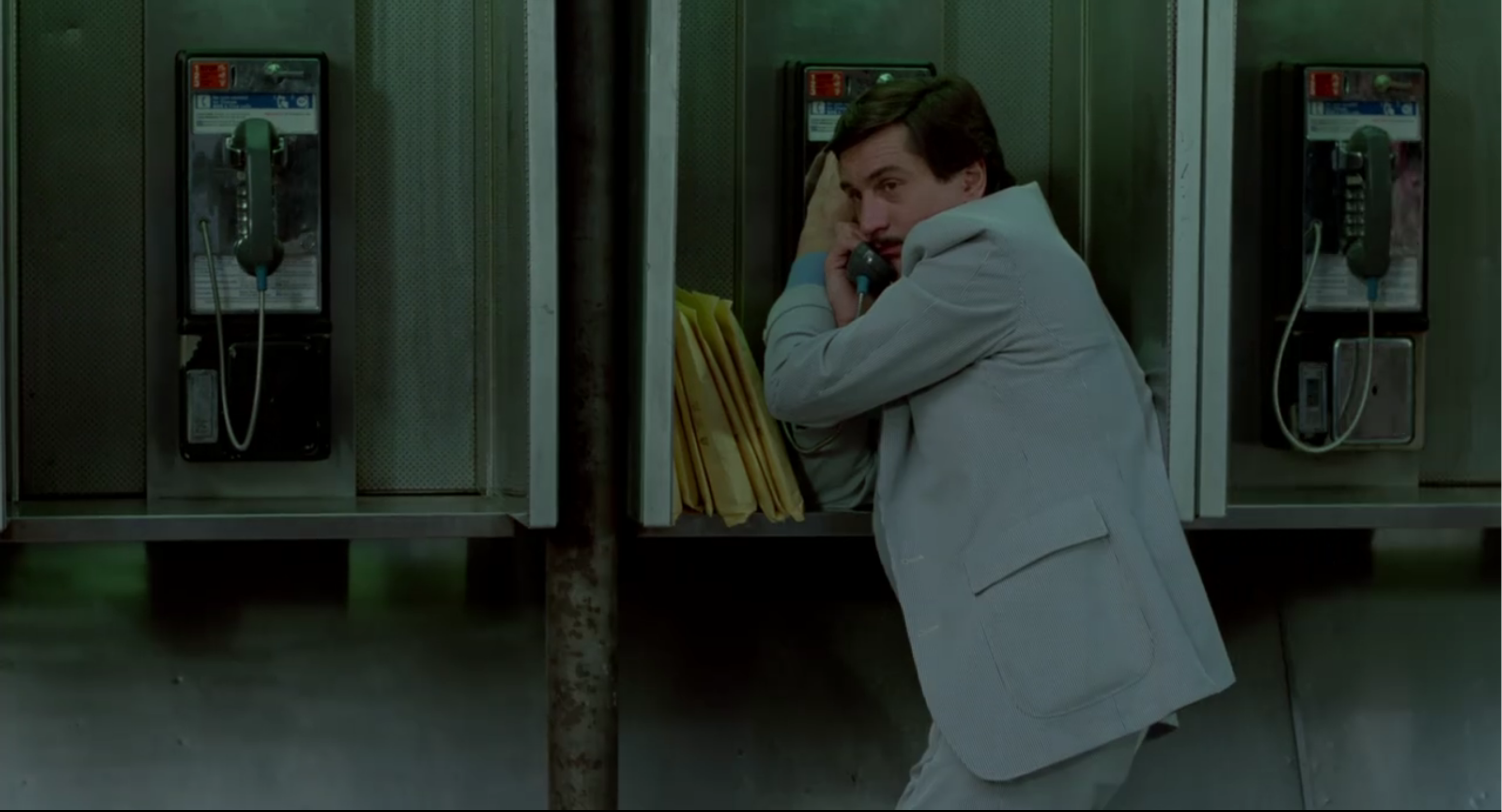
On the eve of the Academy Awards ceremony in March 1981, a man who’d mailed Scorsese an unhinged letter four years earlier–threatening the director’s life if Jodie Foster won an Oscar for her portrayal of a child prostitute in Taxi Driver–opened fire on Ronald Reagan with a handgun outside the Washington Hilton Hotel, wounding the president of the United States. Taken alive, the gunman would claim he’d committed his act to get the attention of Jodie Foster, which in a way, he did. The assassination attempt came less than four months after an autograph hunter shot and killed John Lennon near the musician’s apartment in New York. Not knowing if Reagan’s would-be assassin might inspire copycat attacks, the Oscar telecast hosted by Johnny Carson was delayed one night. Scorsese received FBI protection during his visit to Los Angeles, and for at least part of the Oscar ceremony, wore a bulletproof vest under his tuxedo. It was at this moment that the director might have developed a different take on The King of Comedy, now able to relate to an objectified celebrity as well as an obsessive fan living in fantasy. Scorsese also needed the work. Financing had proven so elusive for two projects near and dear to him–Gangs of New York (co-written with Jay Cocks) and an adaptation of the Nikos Kazantzakis novel The Last Temptation of Christ–that Scorsese was planning on going to Italy to make a documentary series for television on the lives of the saints. He figured his film career might be over.
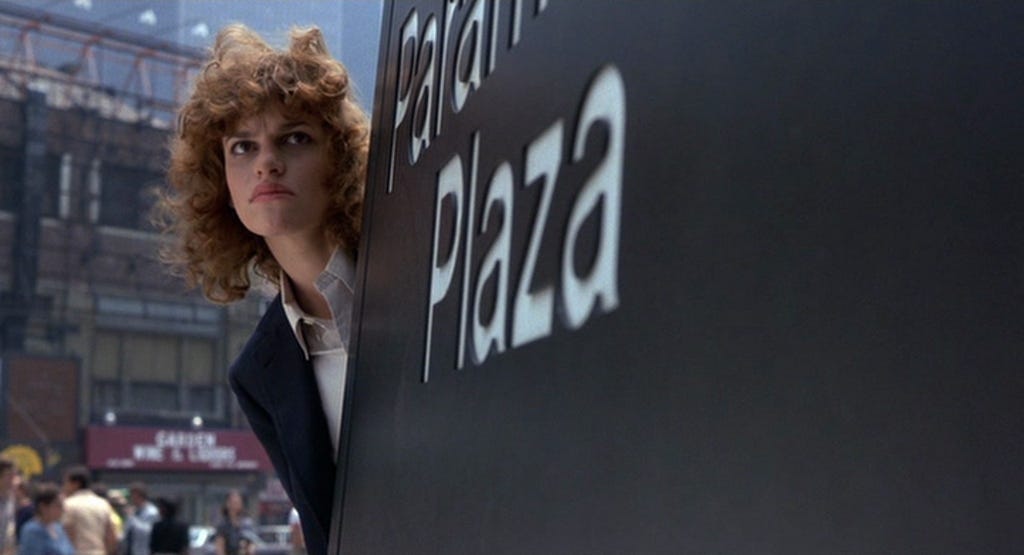
Robert DeNiro, now carrying the prestige of Oscar winner for Best Actor in Raging Bull, had befriended Arnon Milchan, an Israeli entrepreneur who’d gotten his start with a small agricultural chemical company he’d inherited from his father. Milchan was appointed Israel’s sales agent to a variety of companies, including Bell Helicopter, Magnavox and Raytheon, and would neither distance himself from accusations of arms dealing, or be indicted for any such activities. What Milchan wanted to do was produce movies. He’d introduced himself to DeNiro to discuss the actor playing Israeli Defense Minister Moshe Dayan in a film. The project never got far, but Milchan’s approach to producing–signing the checks and empowering world class artists to make their films–apparently got DeNiro’s attention. The actor passed Paul Zimmerman’s script The King of Comedy to Milchan, who raised financing of $14.5 million. Twentieth Century Fox, where Sherry Lansing had been named president, agreed to provide distribution. Through his production company Embassy International, an early incarnation of what would become Regency Enterprises, Arnon Milchan’s first three English-language pictures as producer would be The King of Comedy (1983), Once Upon a Time In America (1984) and Brazil (1985), all with lavish budgets raised overseas, all artistic statements, all featuring DeNiro.
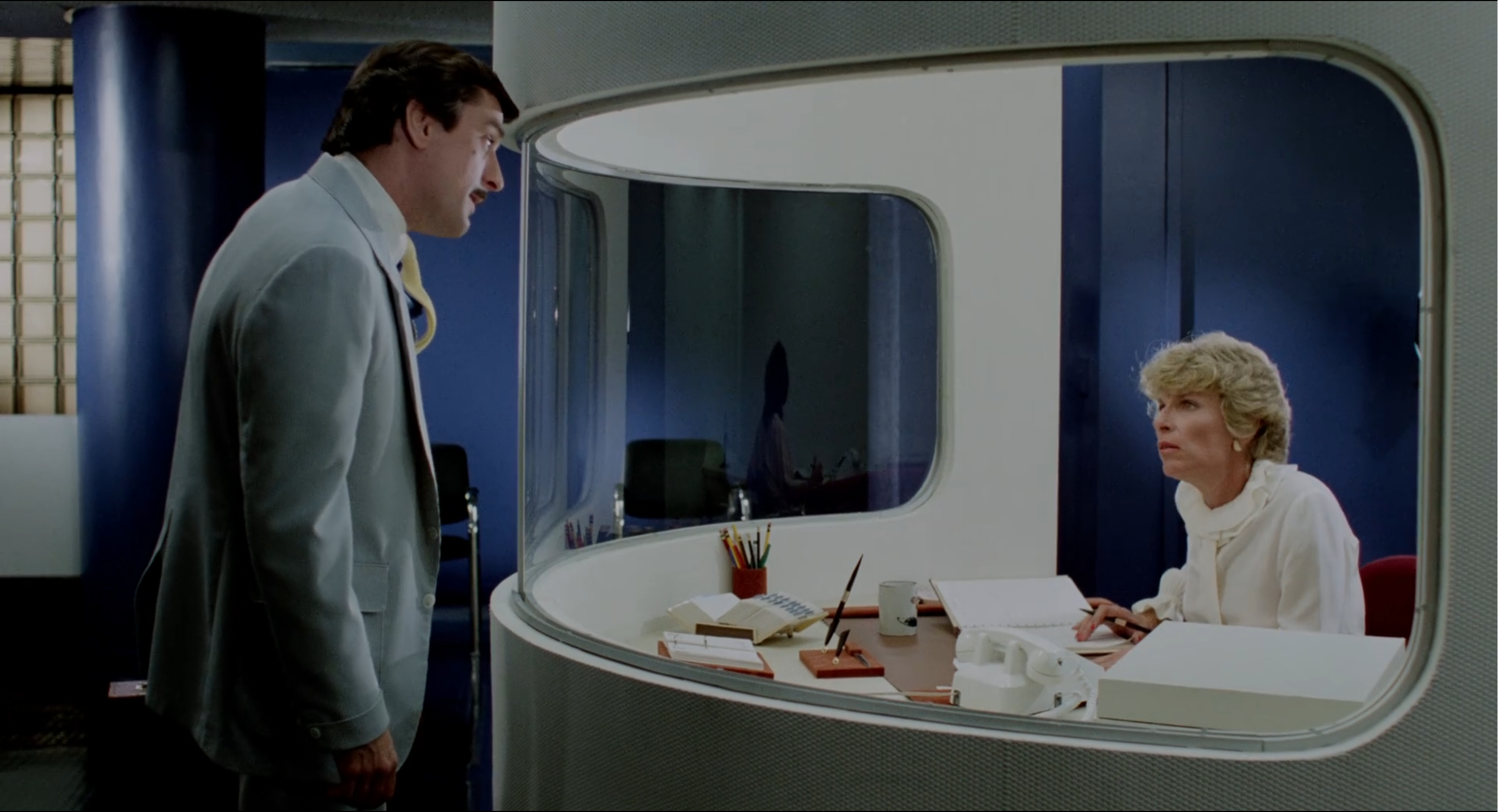
While Paul Zimmerman had written Jerry Langford with Dick Cavett in mind, Scorsese saw the character in terms of the program he’d based much of The Jerry Langford Show on: The Tonight Show Starring Johnny Carson. Scorsese did his due diligence by offering Carson the role of Langford, but the king of late night wasn’t interested in a job where his first take would probably never be regarded as good enough, unlike his talk show. Orson Welles, a frequent Tonight Show guest, was rejected for not being “show business” (L.A. or Las Vegas) enough. Frank Sinatra was more like it, but unavailable. Considering the rest of the so-called Rat Pack–Joey Bishop, Sammy Davis Jr., Dean Martin–landed Scorsese on Jerry Lewis. Once a comedy superstar and director, lately known as the host of an annual Labor Day telethon raising money to fight muscular dystrophy, Lewis had climbed every rung on the show business ladder. DeNiro confided to Scorsese that Lewis, perhaps believing he was the king of comedy, might be tempted to ham it up. According to Lewis, he had five meetings with DeNiro over the course of six months, in which the actor pressed him for his thoughts on the script or celebrity. Lewis made it clear that he understood the material and his role in it, delivering a dramatic performance that Paul Zimmerman believed warranted Oscar consideration.
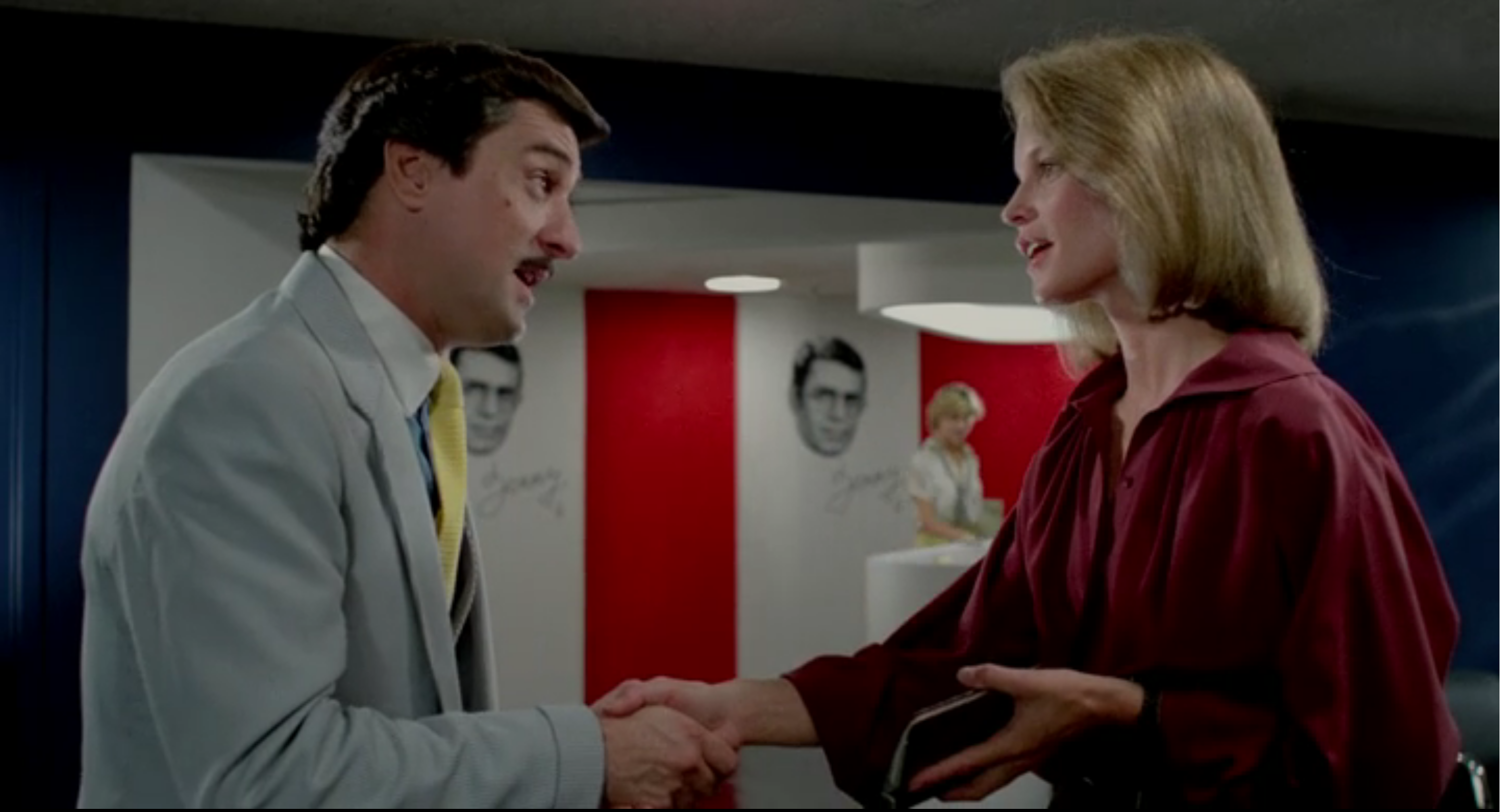
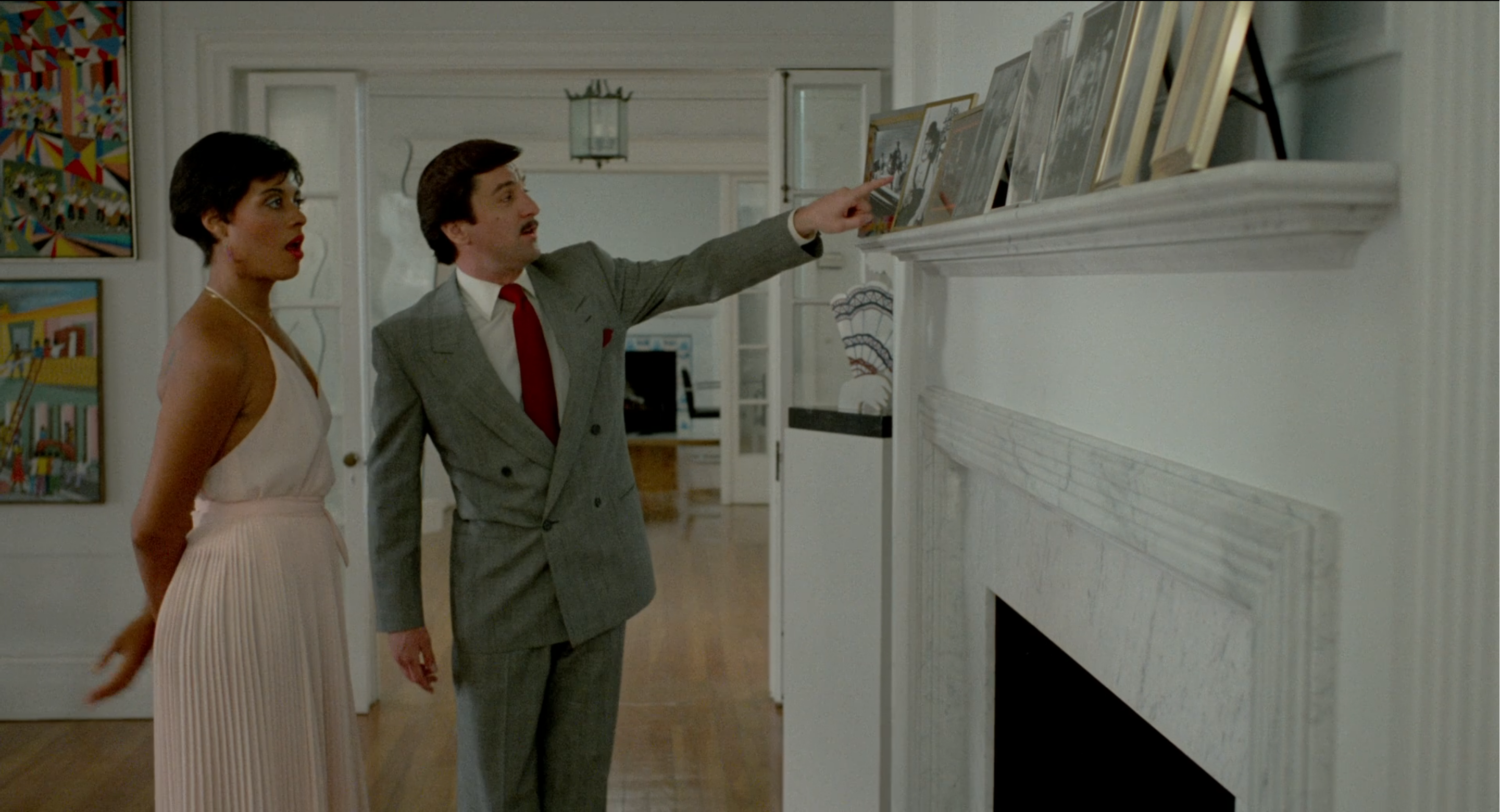
Scorsese and DeNiro huddled in Long Island dialing in a shooting script, and though Zimmerman admitted that the characters and scenes he wrote were in the film, something had changed. “Well, for one thing, there’s a girl who Rupert falls in love with … and once he gets his break he goes to the bar where his high school flame is working there, now having failed as an ice skating starlet. She wound up in the chorus and now she’s just trying to get through the day and the night and whatever, and I imagined her as a kind of Meryl Streep, Sally Struthers, fallen blonde cheerleader, angel, mainstream and is against his endless optimism and they cast Bobby DeNiro’s wife as Rita, and she’s a Black woman named Diahnne Abbott, who does a terrific job, but right away she’s–all the characters are even more fringe than what I wrote. They’re even less at the center of things. There’s a girl who’s a confederate of Rupert’s named Masha, who’s very strange, and I wrote her strange, but she’s even stranger. And so what you have here is a kind of shadow world of peripheral people who are kind of circling like satellites around the glamour of Jerry Langford, who is Jerry Lewis. Oddly enough, never thought of him for the part, yet his initials are exactly the same and the first name is the same. Jerry Langford was the name I wrote in 1970.”
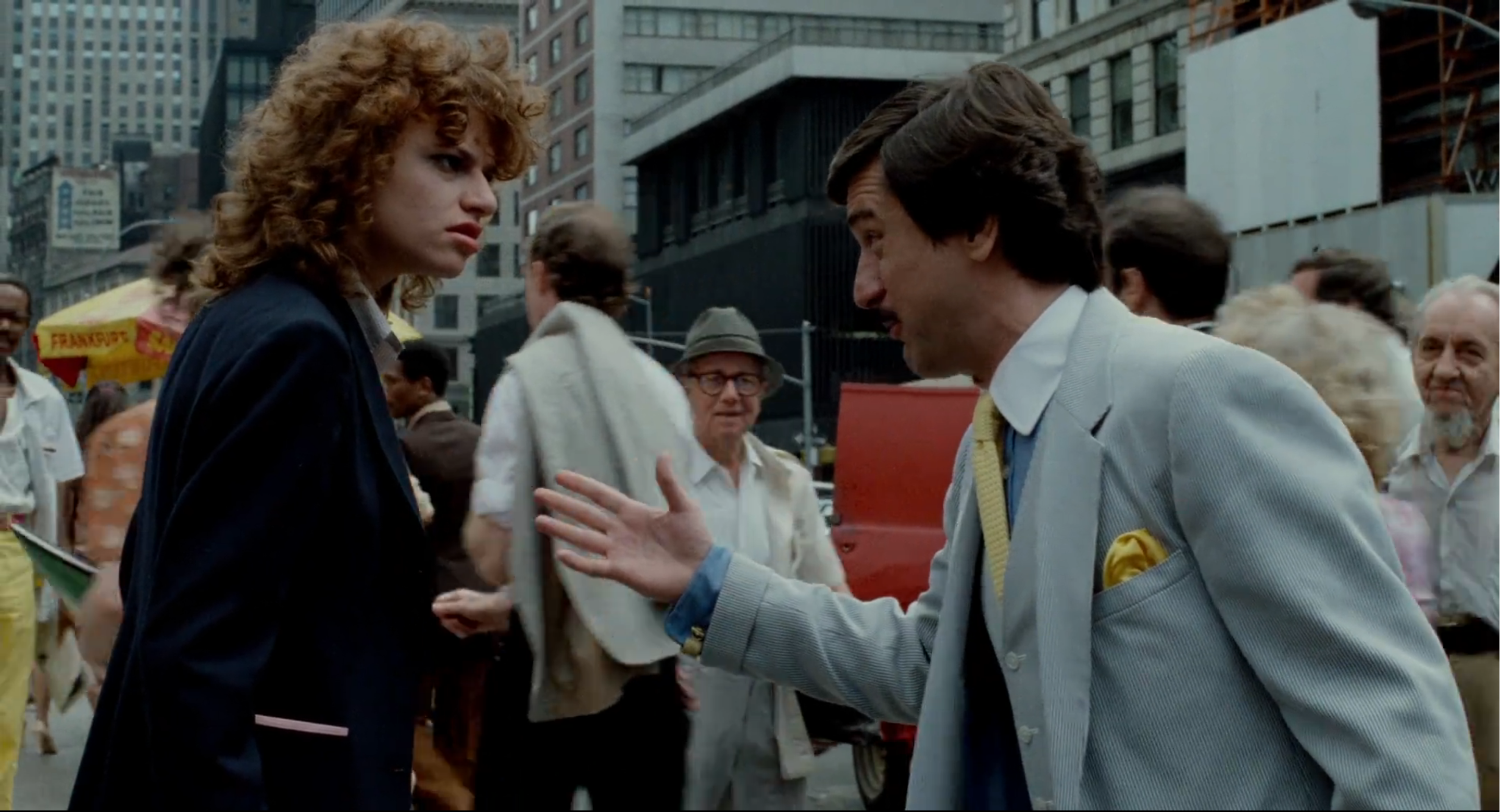
DeNiro, eager to reunite with Meryl Streep after working together on The Deer Hunter, arranged a meeting between Scorsese and Streep to discuss the possibility of her playing Masha, but this didn’t come to pass. A standup comic from Los Angeles named Sandra Bernhard won the role, becoming a frequent guest on Late Night with David Letterman following the release of The King of Comedy. Scorsese was planning on starting production no sooner than August 1981, when a strike by the Director’s Guild of America was expected to be resolved, but Arnon Milchan’s financing apparently came with certain strings attached, and with the work stoppage expected to lift on July 1, Scorsese was asked if he could start rolling sooner. Interviewed for the book Martin Scorsese: A Journey by author Mary Pat Kelly, the director lamented, “King of Comedy was an uphill battle for me. It was more Bob’s project than mine, and I wasn’t a big help at the time. The motives for making a film are very important to me. They have to be good motives. Mine weren’t very clear when I started out on this picture.” Reeves Sound Studio (on Broadway and 81st Street) was used to film exteriors and interiors of The Jerry Langford Show, while the Paramount Building on 1501 Broadway stood in for exteriors of Jerry’s office. The bar where Rita works and exteriors for Masha’s penthouse were filmed on the Upper East Side.
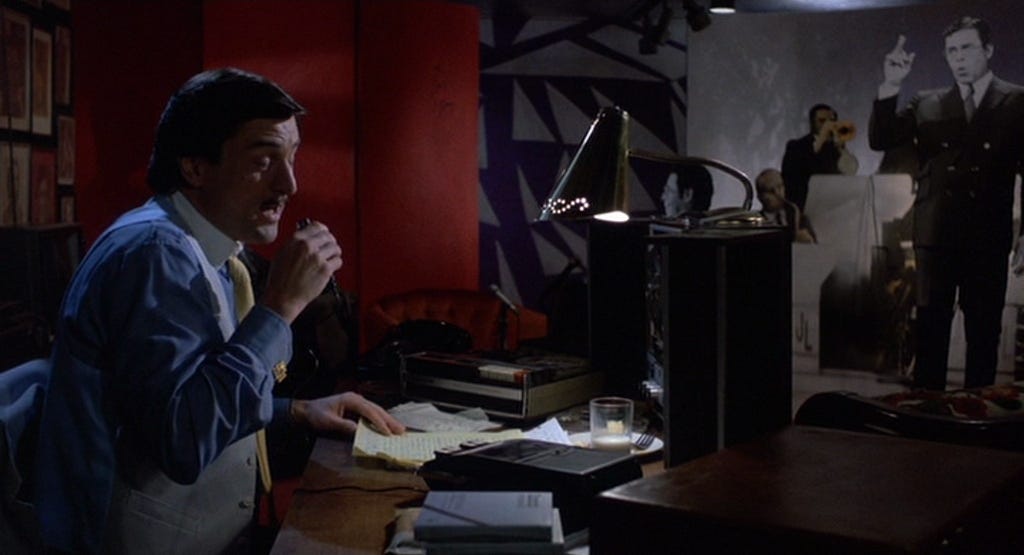
Lit by cinematographer Fred Schuler, a pro at shooting on the streets of New York in Gloria (1980) and Arthur (1981), the camera movement had none of the expression of a Martin Scorsese picture, scenes that progressed as figments of Rupert’s imagination filmed just as static as those set in reality. What Scorsese did do–as Johnny Carson had feared–was tax the cast through multiple takes of many scenes. This was done to not only give Scorsese and his editor Thelma Schoonmaker options for striking the right tone in the editing, but also to wear Jerry Lewis’s patience down, as Jerry Langford comes out of his experience with Rupert and Masha like a pencil worn down to a nub. Principal photography stretched over twenty weeks. In the scenes taking place in Times Square, a marquee for the Richard Pryor comedy Bustin’ Loose, released Memorial Day weekend 1981, can be spotted, and in another scene, a marquee for Blade Runner, which opened thirteen months later, when Scorsese was conducting additional photography. By this time, his three-year marriage to model Isabella Rossellini had broken up, and Scorsese was in no mood to cut the film (Fox’s threat to confiscate the negative and edit the picture themselves got him through post-production).
Discussing the experience editing The King of Comedy for the Apple documentary Mr. Scorsese (2025), Scorsese tells director Rebecca Miller, “I was just basically alone. No one would come around me. Thelma was editing in a loft that I had. And my parents would come over to make sure we were okay. And that was it. Everyone else just stayed away, because I was behaving very erratic. Up to a point, then it all stopped. When everyone left.” Scorsese had chosen the Ray Charles version of “Come Rain or Come Shine” to play over the opening credits, and his assembly of The King of Comedy was loaded with recordings from the 1950s. The director felt this wasn’t working. In an interview with Robert Hillburn published February 27, 1983 in the Los Angeles Times, composer Robbie Robertson–principal guitarist and songwriter of The Band–was called on to record and curate a soundtrack that was new and unfamiliar, giving The King of Comedy a stronger contemporary feel than any movie Scorsese had directed. Robertson kept “Come Rain or Come Shine” and tossed everything else. “I tried to think who this guy would have on his show and I remembered that every time B.B. King goes on the Carson show, he just tears it up. Carson stands up and says, ‘Forget the commercial, let’s hear another song.’ That gave me something I could relate to. I mean, I couldn’t sleep at night and hear Wayne Newton on the album or the other Las Vegas-type people Carson has on, even the good ones.”
Robbie Robertson worked at the Village Recorders studio in West Los Angeles producing “T’Ain’t Nobody’s Business If I Do” with King. Needing a closing credits track that would do anything but champion Rupert Pupkin, Robertson brought in Van Morrison to cook something up, their recording session producing “Wonderful Remark.” Jazz composer Bob James came in to perform two talk show themes he’d written and arranged, “Jerry Langford Theme” and “Rupert’s Theme.” Robertson contributed a tune he wrote and performed, “Between Trains,” and picked the rest of the soundtrack: “Back on the Chain Gang,” by The Pretenders, “Swamp” by Talking Heads, “Steal the Night” by Ric Ocasek, “Rainbow Sleeves” by Rickie Lee Jones, and “The Finer Things” by David Sanborn. Given the participation of Martin Scorsese and Robert DeNiro, Fox initially saw awards prestige for The King of Comedy and set a release of Christmas 1982. This would have put the film in competition with several star-studded comedies opening in December: Best Friends starring Burt Reynolds and Goldie Hawn, the hugely anticipated Dustin Hoffman comedy Tootsie, and a pairing of the biggest entertainer in the world (Richard Pryor) with a legend (Jackie Gleason) in The Toy.
Word on The King of Comedy, at its most generous, was that the picture was not funny. In September 1982, Fox made the decision to delay the release. The studio bumped up a “romantasy” titled Kiss Me Goodbye (1982) starring Sally Field, James Caan and Jeff Bridges to fill the slot left open by Mr. Scorsese’s not-funny The King of Comedy. In an article by Gene Siskel syndicated nationally on February 10, 1983, an unnamed publicist for Fox stated, “Our problem is that test audiences hate this picture. Our main hope is the critics. That’s the way we’re going to try to sell it on the publicity side. The most important thing we must do, though, is not mislead the public into thinking it’s a funny picture. ‘The King of Comedy Is No Laughing Matter’ is one of the advertising lines we’re thinking of.” Critical reaction was more lukewarm than the studio had been relying on. In a review published by the Chicago Tribune on March 18, 1983, Gene Siskel wrote, “In sneak previews, The King of Comedy has turned off mass audiences, and it’s easy to see how. Rupert Pupkin is a schnook who acts like a jerk … Yet I’d be lying if I didn’t say that until the ending I was totally caught up in the world of Rupert Pupkin. His yearning is genuine, even if he’s a pest. His life is a testament to the decline of quality and culture in this country, to the ease with which the TV set can become our best friend.” Siskel gave the film three stars out of four.
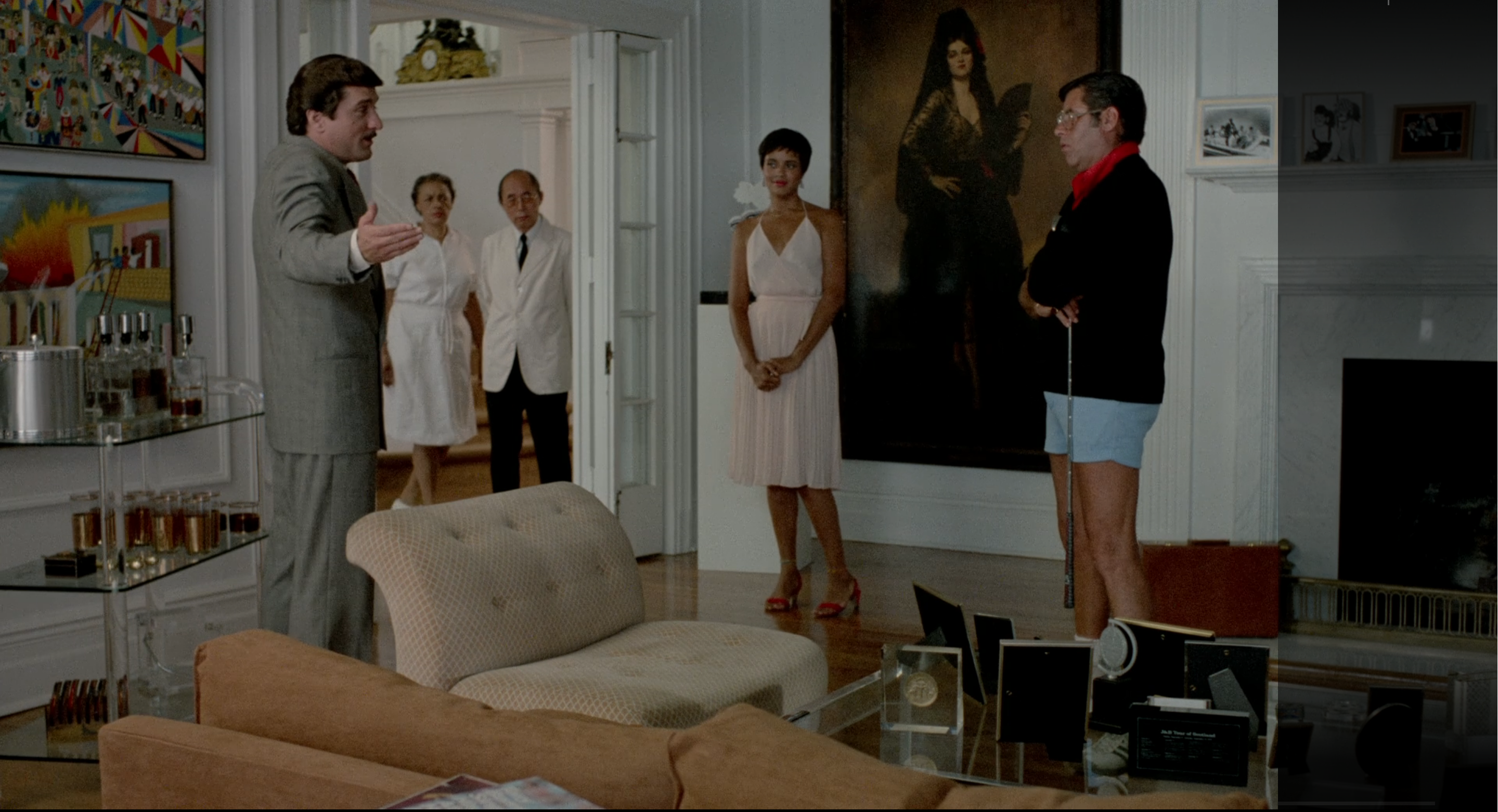
Roger Ebert, whose review didn’t run in the Chicago Sun-Times until he got to see the picture on the opening night of the Cannes Film Festival in May 1983, wrote: “Martin Scorsese’s The King of Comedy is one of the most arid, painful, wounded movies I’ve ever seen. It’s hard to believe Scorsese made it; instead of the big-city life, the violence and sexuality of his movies like Taxi Driver and Mean Streets, what we have here is an agonizing portrait of lonely, angry people with their emotions all tightly bottled up. This is a movie that seems ready to explode–but somehow it never does.” Ebert also gave the film three stars out of four. Vincent Canby’s review published February 18, 1983 in the New York Times was a rave. “It would be difficult to describe Martin Scorsese’s fine new film, The King of Comedy, as an absolute joy. It’s very funny, and it ends on a high note that was, for me, both a total surprise and completely satisfying. Yet it’s also bristly, sometimes manic to the edge of lunacy and, along the way, terrifying. It’s not an absolute joy by a long shot but, in the way of a film that uses all of its talents to their fullest, it’s exhilarating.”
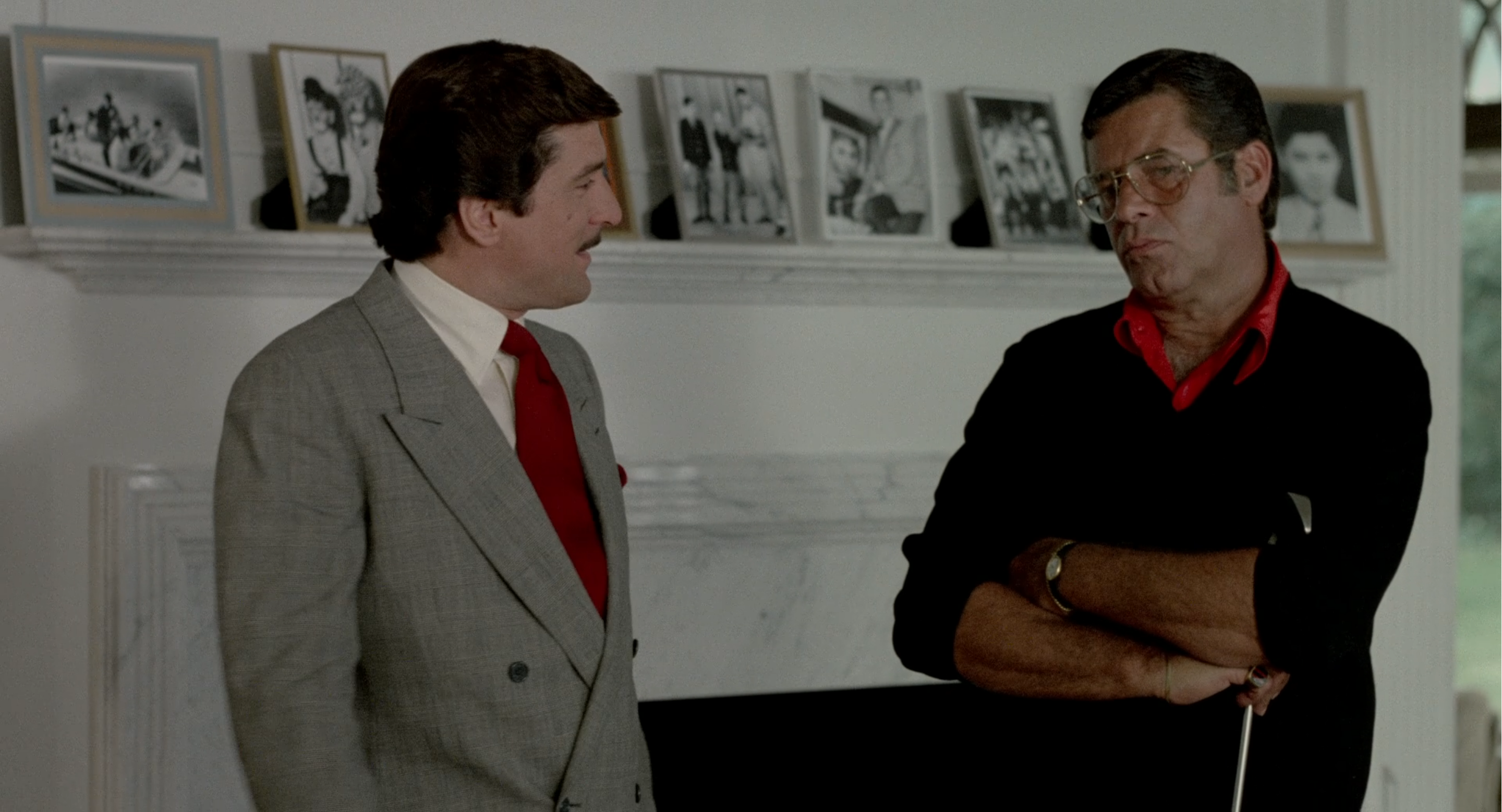
Fox opened The King of Comedy in limited release on President’s Day weekend, February 18, 1983, in 14 theaters, hoping to build positive word of mouth. February was a month in which distributors often dumped surplus product with the least fanfare, or shame. January saw more orphaned films set loose on the market while moviegoers were watching their wallets following Christmas, students returned to school, and inclement weather often depressed attendance in many areas, but February, August and September saw plenty of dumping too. The King of Comedy failed to crack the top ten grossing films at the box office in any weekend of its domestic release. It was written off as a flop. In an interview with Dale Pollock published by the Los Angeles Times on March 15, 1983, Scorsese did his part to generate some interest in the film by commenting on whether his work or the work of any artist was to blame for acts of violence, like those by John Hinckley Jr. against the president. “I don’t believe that any one film or book forces a person’s hand to do an act that is so horrifying. I just don’t believe it. It’s good for the defense in the Hinckley case, because they can say the film made him do it. But how much power do we as filmmakers wield? If one person out of how many millions who sees a film reacts to it a certain way, are we responsible? We’re stuck in the middle. We made these pictures out of completely honest motivations, basically as a personal exploration of my feelings, my emotions, my psyche.”
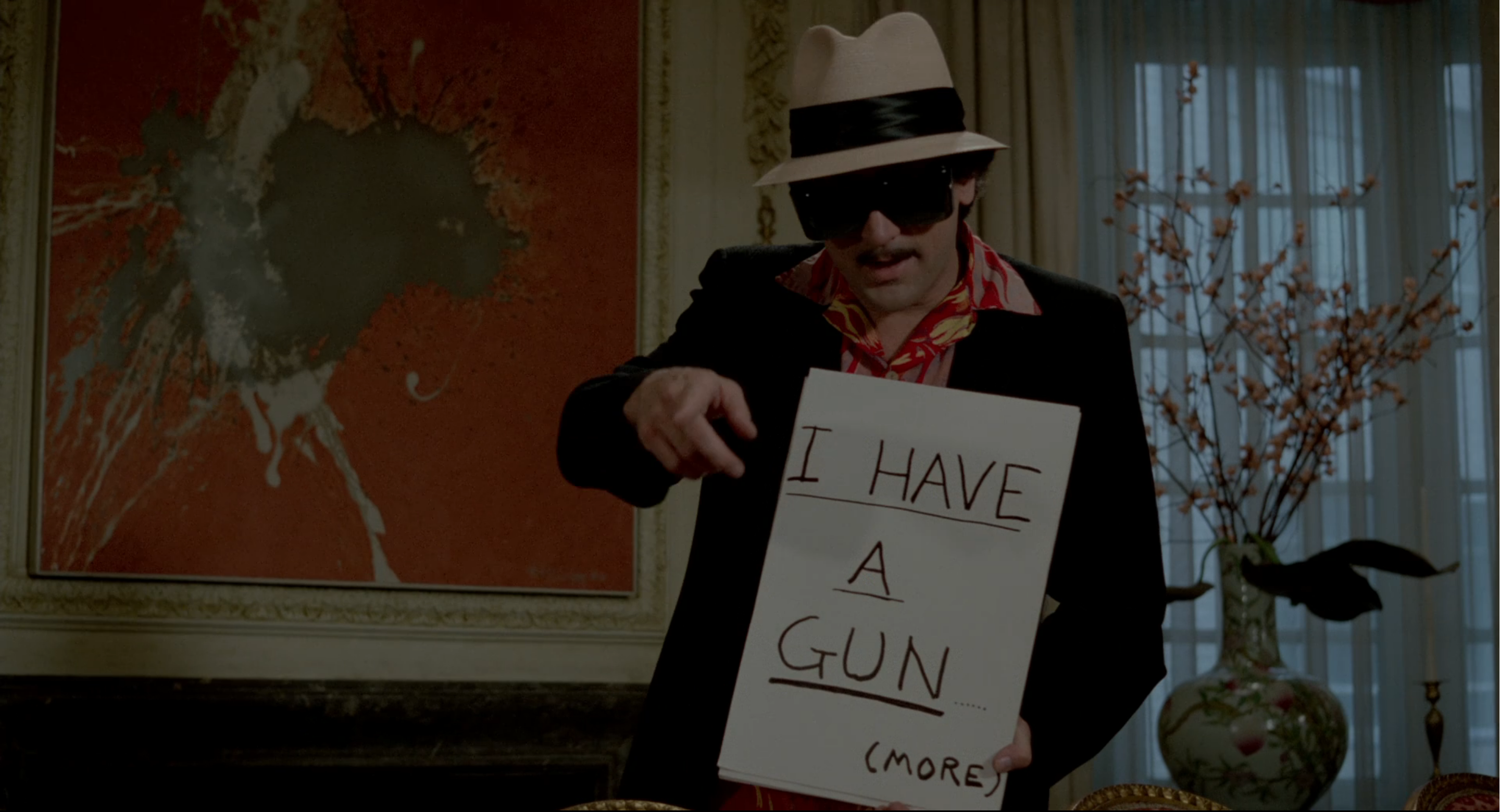
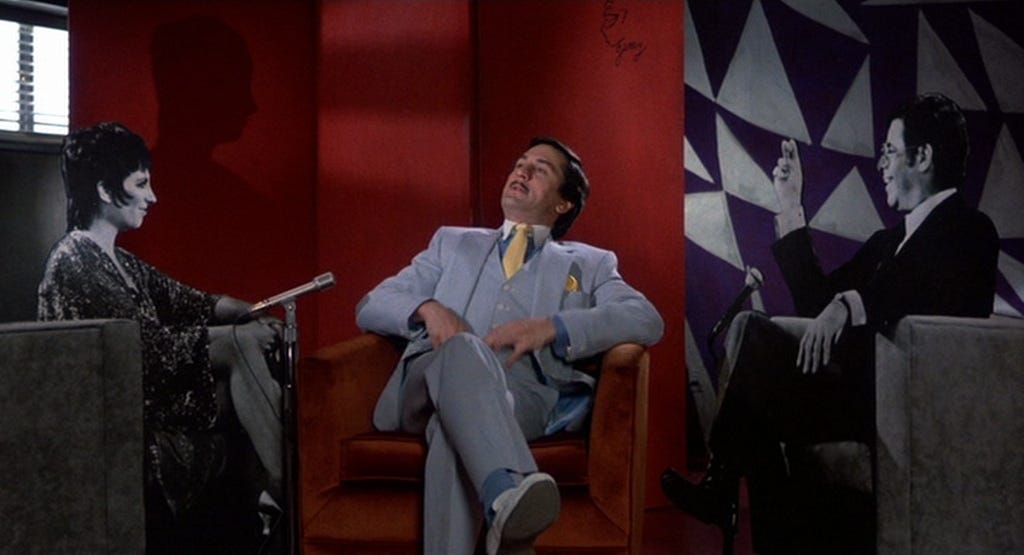
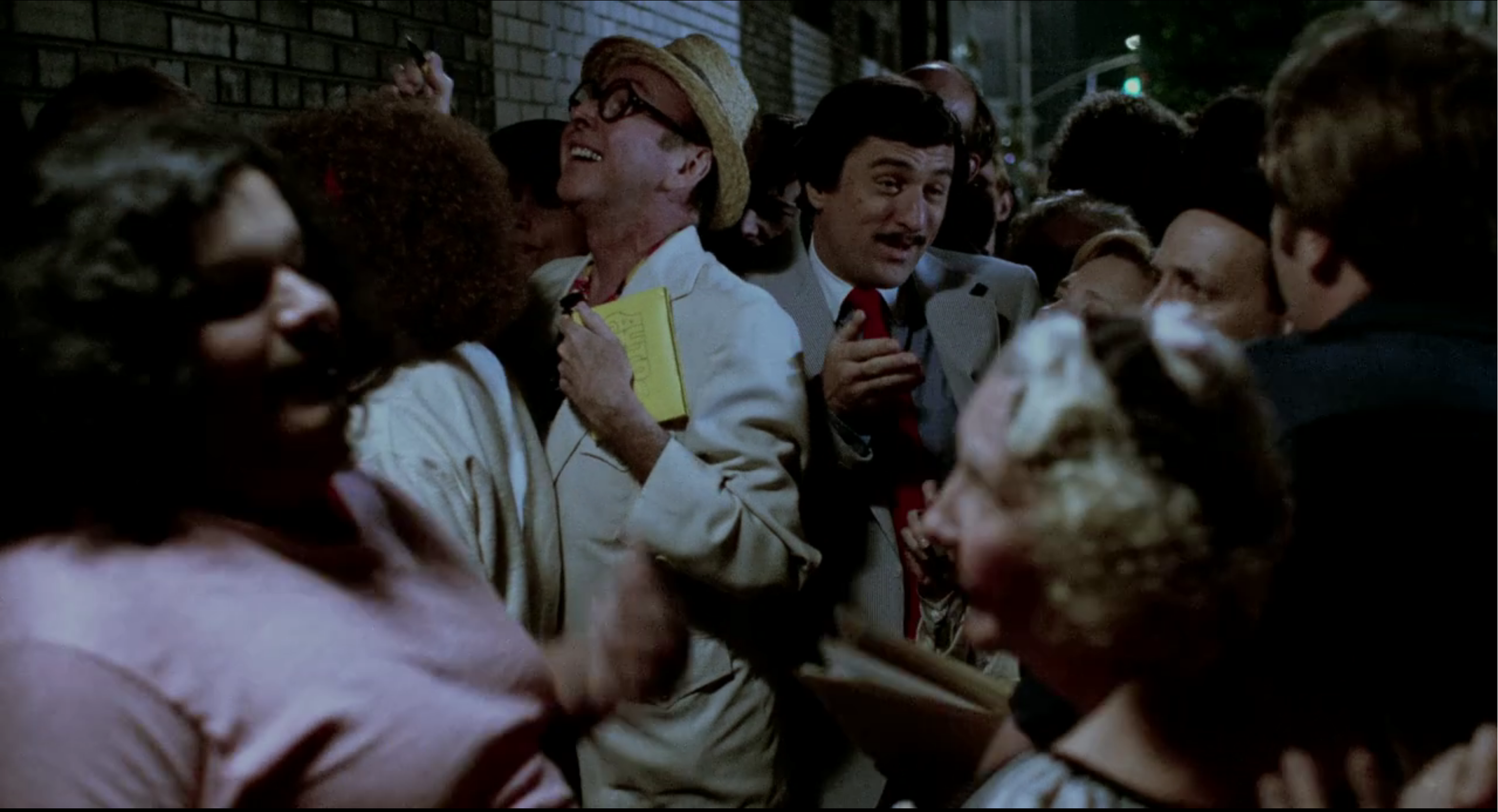
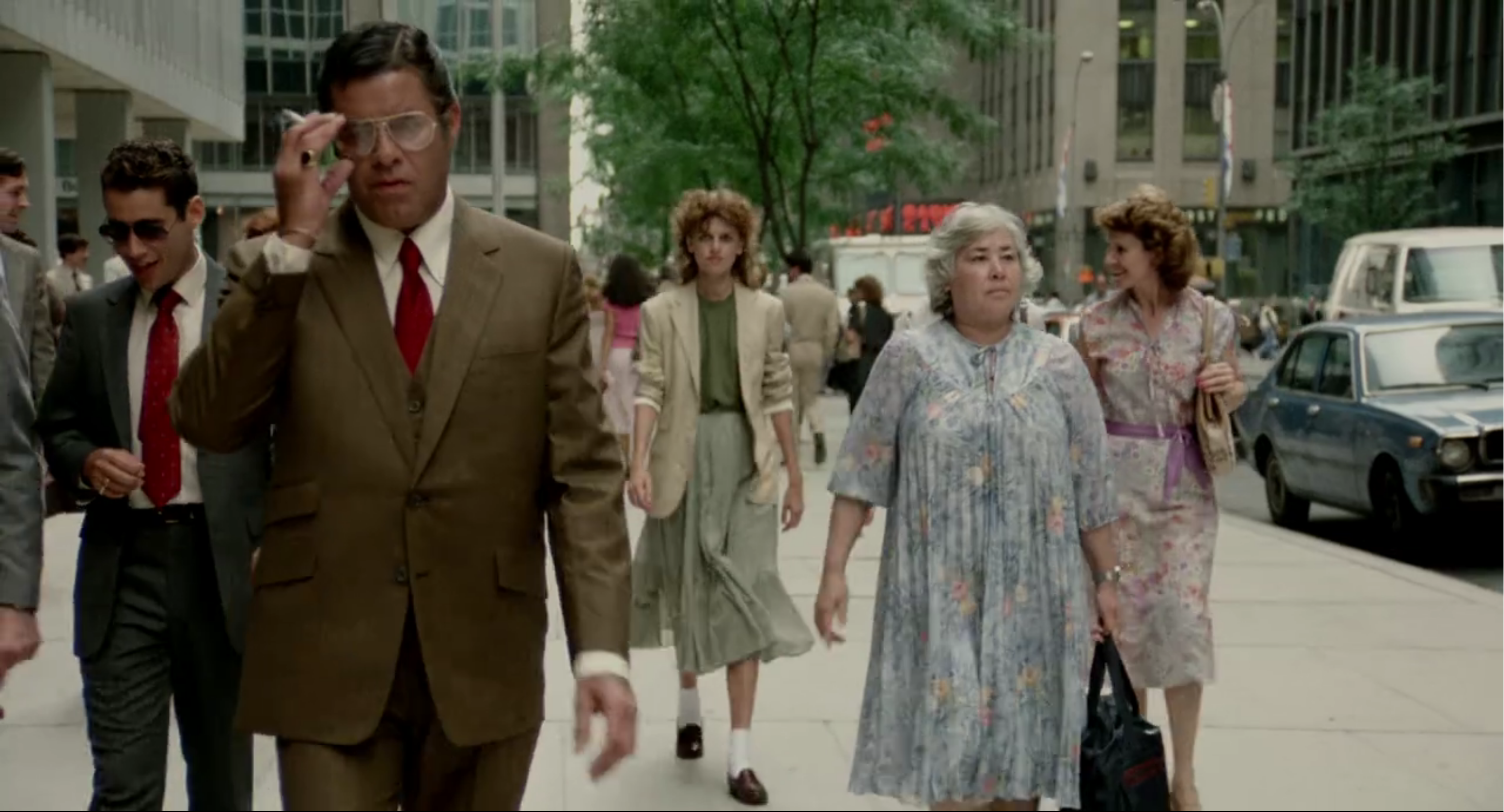
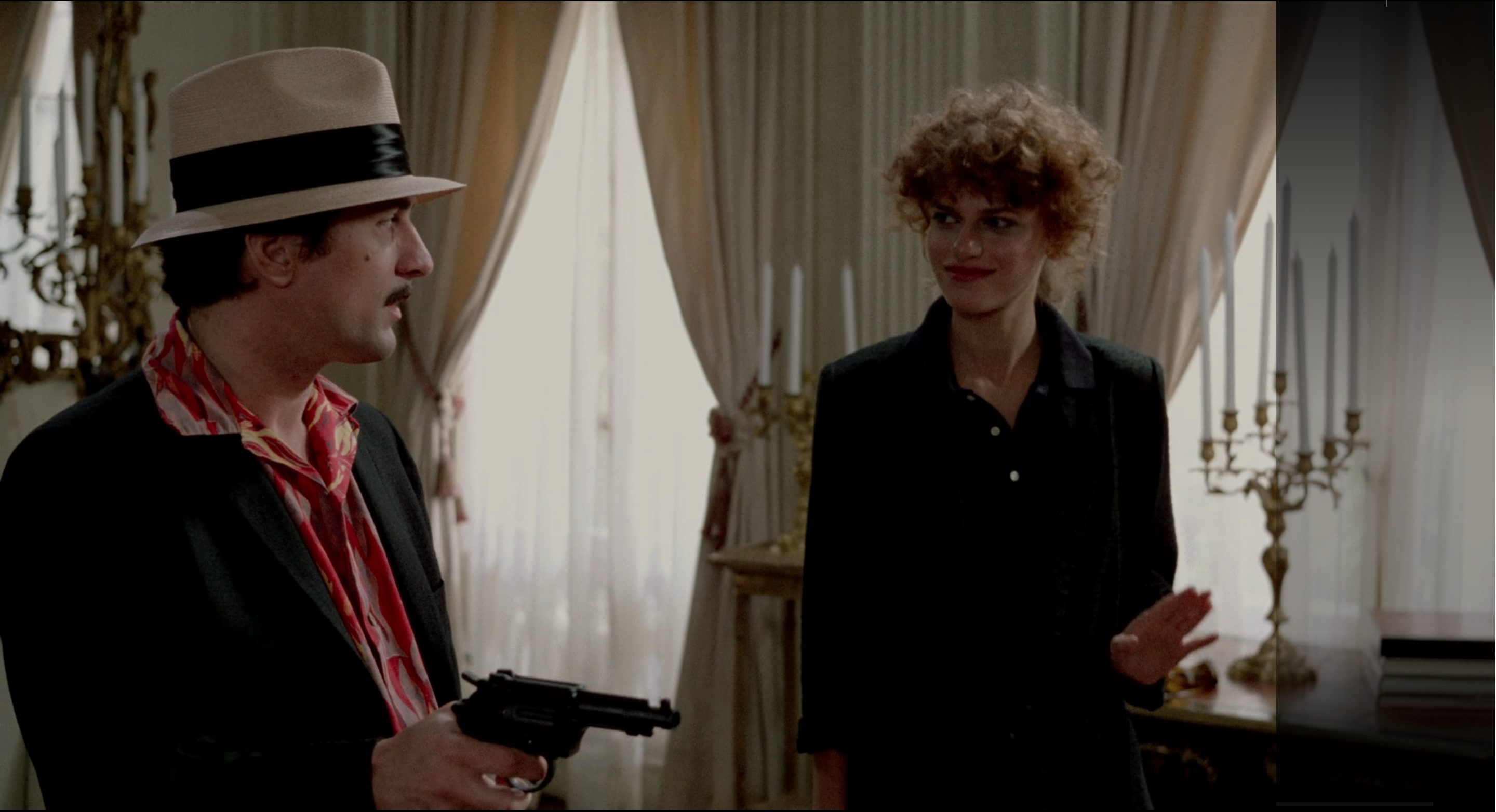
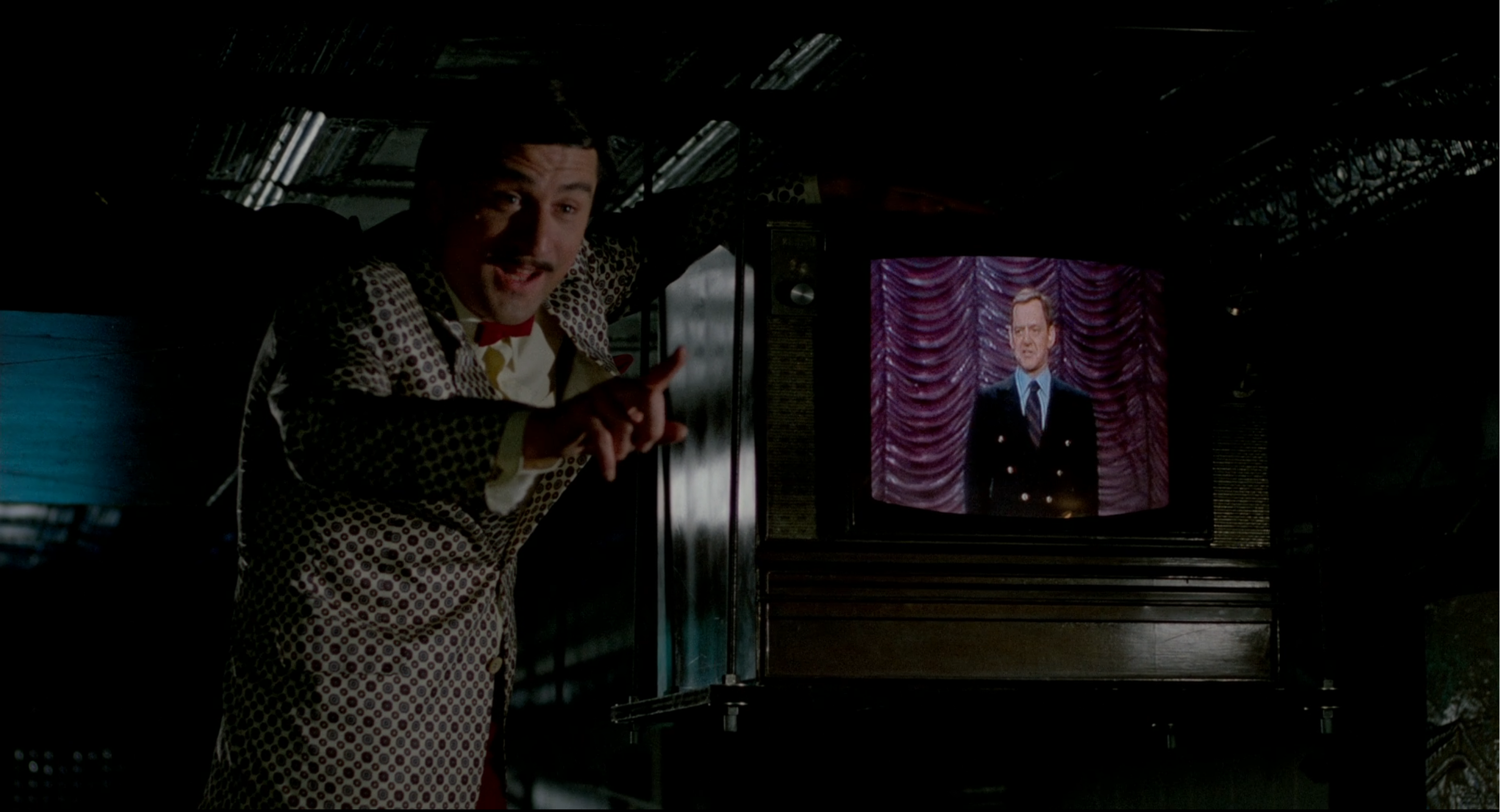
Watching The King of Comedy isn’t unlike driving with sand stuck to us in uncomfortable places. This is a quality of art that tends to persist over time and has served this film, one of the best of the 1980s, well. Rupert Pupkin doesn’t really rant, or make off-color remarks, so much as he is unaware of how to act around people who don’t seem to realize how important he is. While Rupert dresses like a poseur–costume designer Richard Bruno would provide wardrobe consulting for Robert DeNiro on Once Upon A Time In America and The Untouchables (1987), outfitting Pupkin in ill-fitting and garishly outdated suits–it’s an indication of how good Paul Zimmerman’s writing is that we care about Rupert. If we couldn’t relate to his dreams, respect his ambition or care if he was crushed under the weight of his own delusions, the film wouldn’t be as uncomfortable as it is, we’d just be rooting for Rupert to be tagged and bagged like a rabid animal. The film generates empathy for him without digging into Rupert’s past. All we know about him is he works as a messenger and lives in his mother’s basement, where lifesize cutouts of Jerry Langford and (Scorsese’s ex-lover) Liza Minnelli allow him to pretend he’s on television, or craft crummy demo tapes. (Catherine Scorsese, a regular in her son’s films who steals every one, provides the voice of Mom). Just as hilarious are moments when Rupert explains to Masha that he is unlike her or the other fanatics because he actually has a relationship with Jerry, proving that class division exists even among the lunatic fringe.
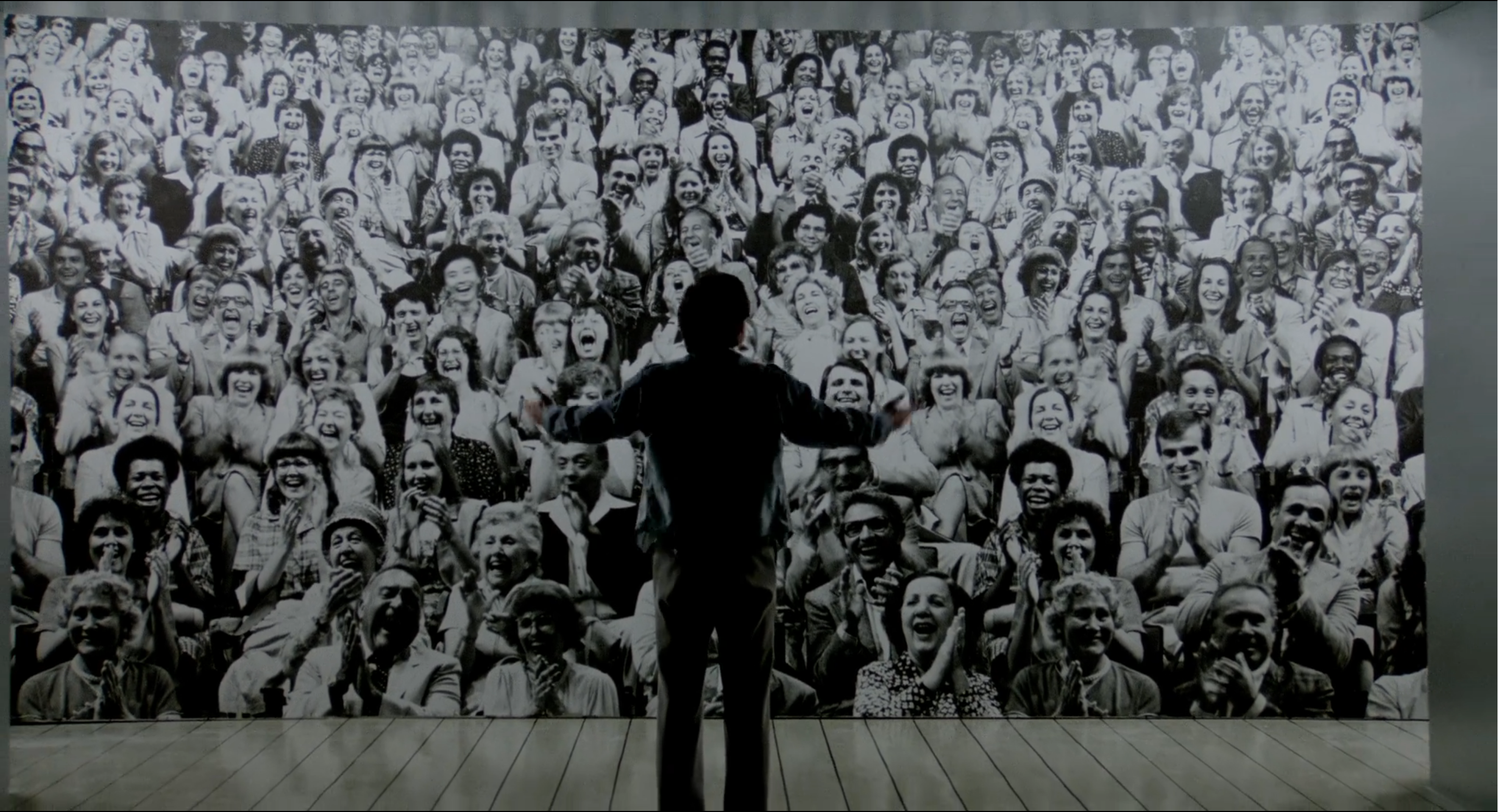
The King of Comedy is my favorite Robert DeNiro performance. Along with his acting, the writing and directing make two especially strong choices. The kidnap plot isn’t very central to the film, unfolding one hour in without preamble and resolving itself without much slapstick. In this way, the movie avoids situation comedy. Even more rewarding is the decision not to reveal Rupert’s act until the climax, and then, only through the screen of a TV set. Based on every scene that precedes it, we assume that Pupkin is a chump, and that his television debut will be a complete disaster. That Rupert is revealed to have honed a professional, perfectly harmless facsimile of what he’s been studying on TV is not only exciting to the point of emotional overload, but forces us to reconsider the movie we thought we were watching. The King of Comedy isn’t about wingnuts who have fantasy mixed up with reality. It’s more of an indictment of TV, which has become so slick, so sanitized, so abused, that it makes superstardom look easy. The impact of The King of Comedy can be seen by the generation of actors who grew up worshiping DeNiro, with Matt Dillon, Mark Wahlberg, Joaquin Phoenix and Ryan Gosling doing their variations of Rupert Pupkin in their darker, more offbeat films. The film’s commentary on celebrity obsession and how hate gets confused with love, sometimes with tragic results, was not only as relevant after John Lennon’s murder as it was in the sixties, but has remained uncomfortably relevant with each generation.
Video rental category: Staff Picks
Special interest: Master and Apprentice
Hey Joe, good morning! Thank you so much for this one… I absolutely loved all the quirkiness of this movie, and now after reading your analysis and opinion, I understand why I felt so uncomfortable and anxious throughout the entire movie… it made me sensitive to, and observant of, the causative role of ambition and fantasy on behavior I experienced with others in my professional life… As always, I thoroughly enjoyed your research information, and your analysis and opinion… Great job, thanks! Peace! CPZ