

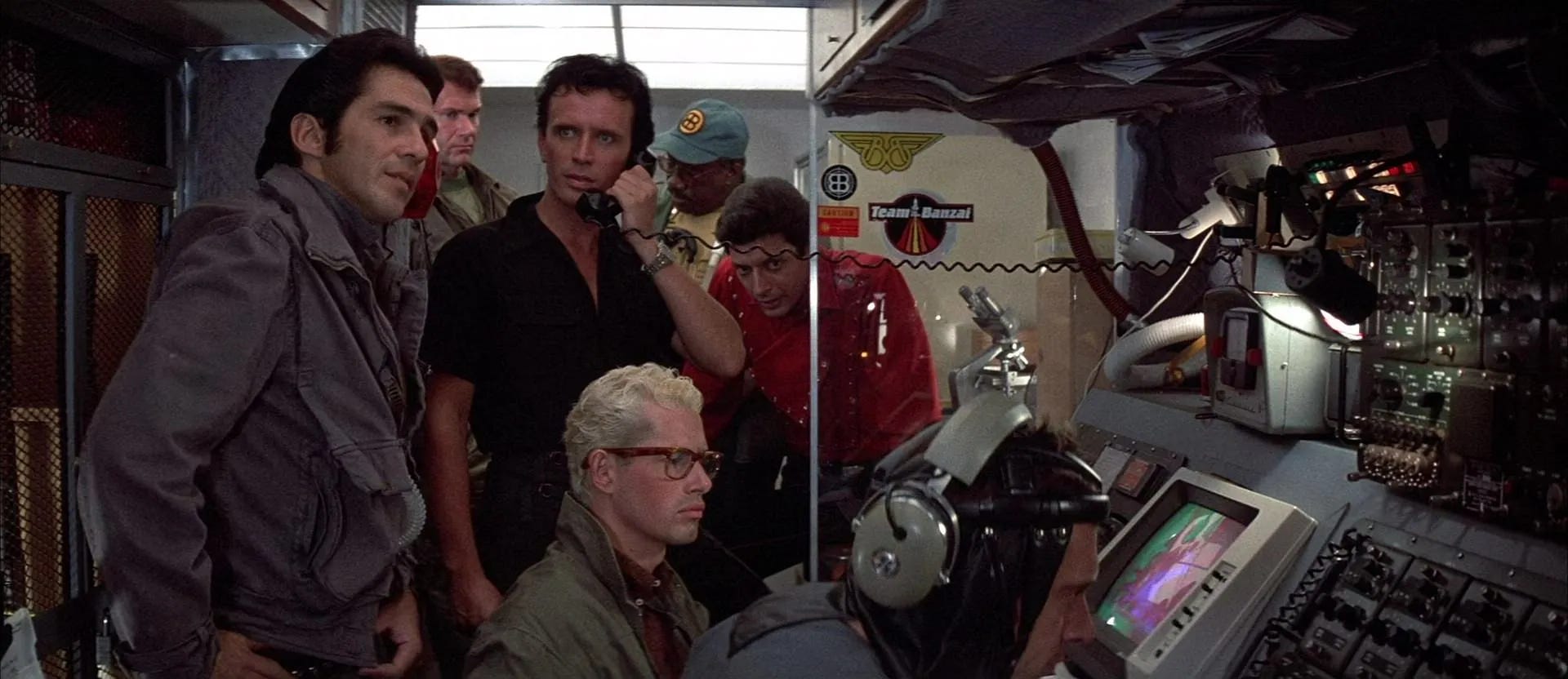
THE ADVENTURES OF BUCKAROO BANZAI: ACROSS THE 8TH DIMENSION (1984) is like a big plastic jack-o’lantern stuffed with so much candy the handle bends to the point of breaking. The definitive “cult movie,” it was orphaned by its distributor and taken in by sophisticated viewers, inspiring fanzines, revival screenings, and pleas for a sequel. Its legacy is its inventive world building and deadpan humor wrapped in a slick package, something many movies have since aspired to but rarely achieve at this fever pitch.
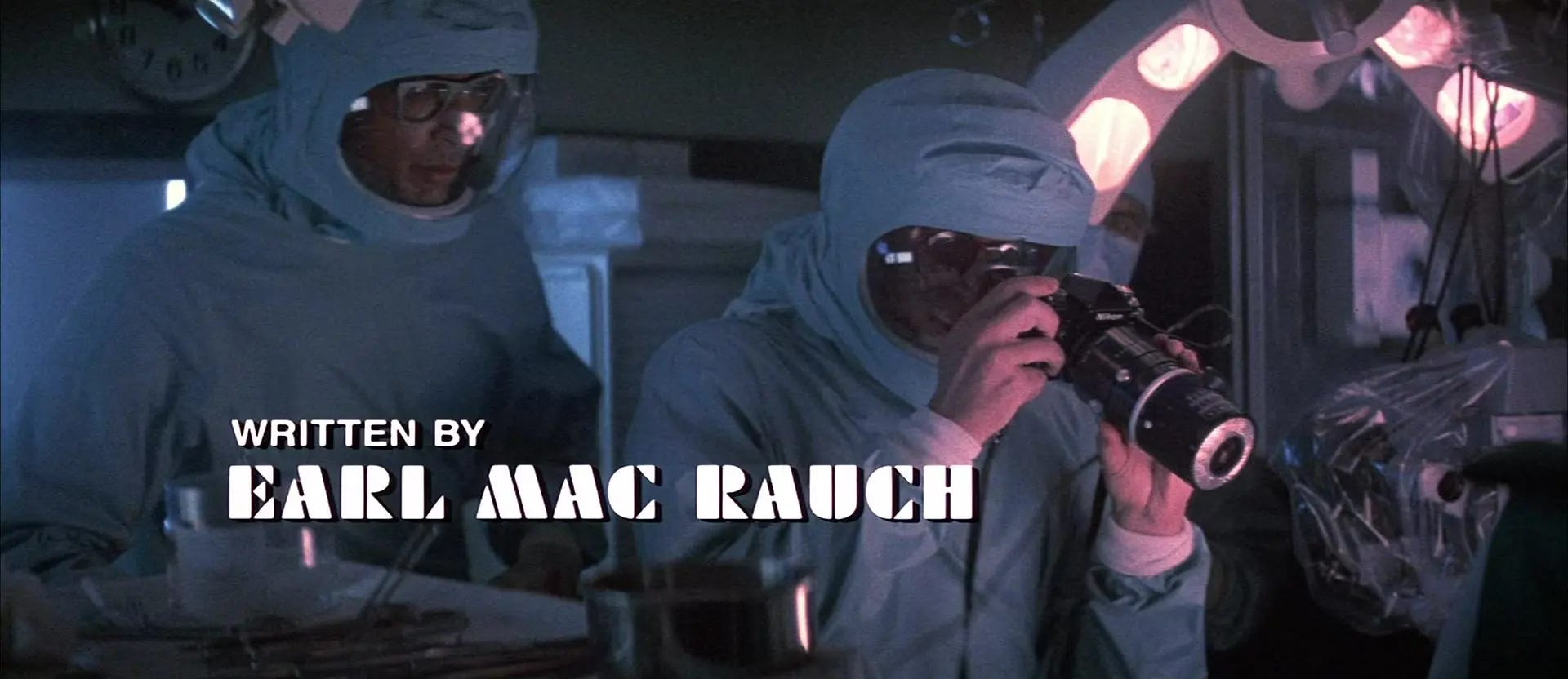
Earl Mac Rauch grew up in Abilene, Texas. A National Merit Scholarship winner in 1967, he wrote his first novel in high school. It was published two years later, while Rauch was attending Dartmouth College in New Hampshire. Titled Dirty Pictures From the Prom, the book was a teenaged author’s shot at The Catcher In the Rye, but broke a few norms by incorporating sketches, a chapter in outline form, and dialogue between Raunch and his editor. Uninterested in getting a job, Rauch enrolled at University of Texas Law School in order for his parents to subsidize the completion of his second novel, Arkansas Adios. A Dartmouth alum named Walter Dutch Richter spotted a review of Arkansas Adios in his alumni magazine, and hooked by the writing, bought a copy, which Richter and his wife Susan read at the same time. Richter–attending the University of Southern California’s School of Cinematic Arts and working as a script reader for Warner Bros.--wrote Rauch a fan letter, encouraging him to come to Los Angeles, his writing far superior to the junk being submitted to the studios.
By 1973, W.D. Richter (as he’d choose to be credited) had authored an original screenplay titled Slither produced with two big stars–James Caan and Sally Kellerman–in the leads. Rauch had dropped out of law school and, according to Richter, was selling mobile home loans in Texas. He took Richter up on his offer, phoning from a freewayside motel in L.A. he’d checked into with his typewriter. Rauch became a regular dinner guest at a cottage the Richters’ rented in the Alvarado District. He’d appear with his guitar to workshop songs he was noodling on. He also told his hosts about a story he wanted to write, inspired by a Spanish language professor in college who’d told him her favorite country western band was Buck Owens and the Buckaroos. A fan of Saturday matinee serials, Rauch’s brainstorm was to fuse singing cowboys and science fiction into a character named Buckaroo Bandy, who’d have a band of compadres accompanying him on out-of-this-world adventures. Wanting to read this as a screenplay, Richter gave Rauch $1,500 to cover rent and groceries while he wrote, effectively optioning the pitch.

In December 1974, Rauch delivered fourteen pages of a screenplay. Titled The Strange Case of Mr. Cigars: A Buckaroo Bandy Mystery, the story concerned archvillains plotting to assassinate world leaders at a summit conference with explosive cigars. Adolf Hitler was revealed to be hiding in Ecuador, having survived World War II by disguising himself as a woman. Richter thought this was hysterical and encouraged Rauch to finish a script. The fledgling screenwriter completed a 57-page treatment for a completely new story, titled Lepers From Saturn: A Buckaroo Banzai Adventure. Rauch had not only changed his hero’s name, but introduced his band, the Hopalongs. Rauch’s next milestone was plowing through 67 pages of a screenplay. This was titled Find the Jetcar, Said the President: A Buckaroo Banzai Thriller. Rauch employed the pseudonym “John Texas” for this draft. He was by this time a working screenwriter with something of a reputation, earning a shared screenplay credit (with Mardik Martin) and story credit for a highly anticipated musical directed by Martin Scorsese, New York, New York (1977).
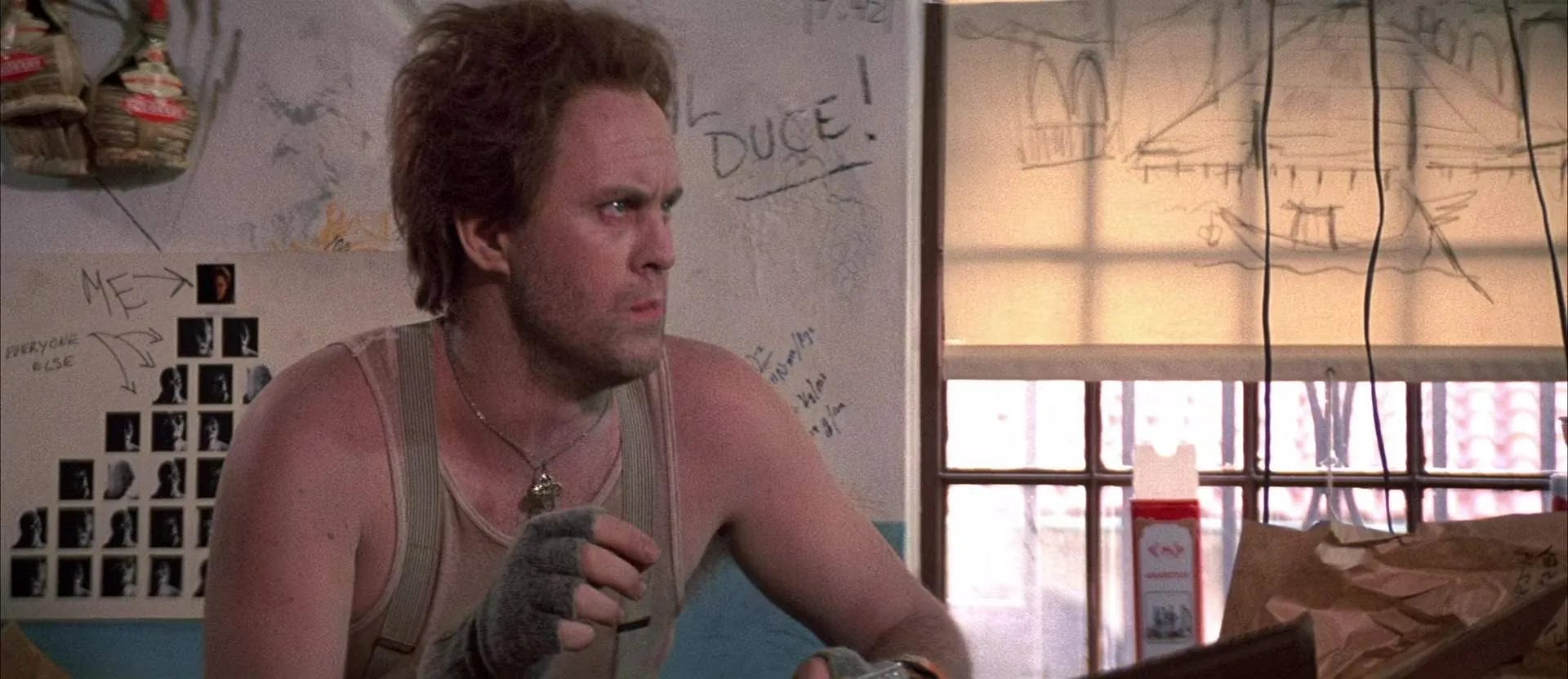
Rauch kept carving away on his singing science fiction comedy and in 1980, completed a screenplay. Shields Against the Devil: A Buckaroo Banzai Thriller ran an industry standard 109 pages and concerned an arms race for a jet car between Rauch’s hero–now a rock ‘n roller instead of a cowboy–and the World Crime League. Buckaroo’s volunteer network, Knights of the Blue Shield, would be an early version of the Blue Blaze Irregulars. By now, W.D. Richter was in demand as a screenwriter, receiving sole credit for adapting Invasion of the Body Snatchers (1978), Dracula (1979) and Brubaker (1980), the latter of which Robert Redford starred in. Richter formed a business partnership with producer Neil Canton, who’d worked as an assistant for director Peter Bogdanovich beginning with The Last Picture Show (1971), and later, Walter Hill during the production of The Driver (1978) and The Warriors (1979). Canton/ Richter Productions deemed Buckaroo Banzai the most promising material they had access to. Rauch had yet to tame a script that might sell, totting around 300 pages of odds and sods. Canton and Richter compiled a dozen or so pages into what they called The Buckaroo Banzai Sampler, teasing the universe that was there to explore. Attaching themselves as producers, Canton and Richter set up meetings with studio executives who were fellow Baby Boomers, thinking this was the demographic who’d be hip to contemporary adventure serial loaded with wit.
Executives at Disney, Fox, the Ladd Company, Paramount and Warner Bros. who met with Canton and Richter all got around to the same question: How do I sell this to my bosses? They passed. Canton had worked as a VP of production for producer Sidney Beckerman and shared The Buckaroo Banzai Sampler with his former boss. Beckerman put in a call to the president of Metro-Goldwyn-Mayer, David Begelman, who agreed to a meeting. Of all the directions Rauch had signaled in the sampler, Begelman responded to Lizards From Saturn (formerly Lepers From Saturn) most. This story involved sinister aliens passing themselves off as residents of New Jersey. In a chain of ownership which the U.S. District Court of Southern California would eventually be called upon to sort out, Begelman passed on purchasing intellectual property rights to Buckaroo Banzai, preferring to produce one movie and see how it performed. Begelman sold MGM on developing a script. When the studio acquired United Artists in 1981, Begelman was promoted to chairman/CEO of MGM/UA and this became the temporary home of Buckaroo Banzai.
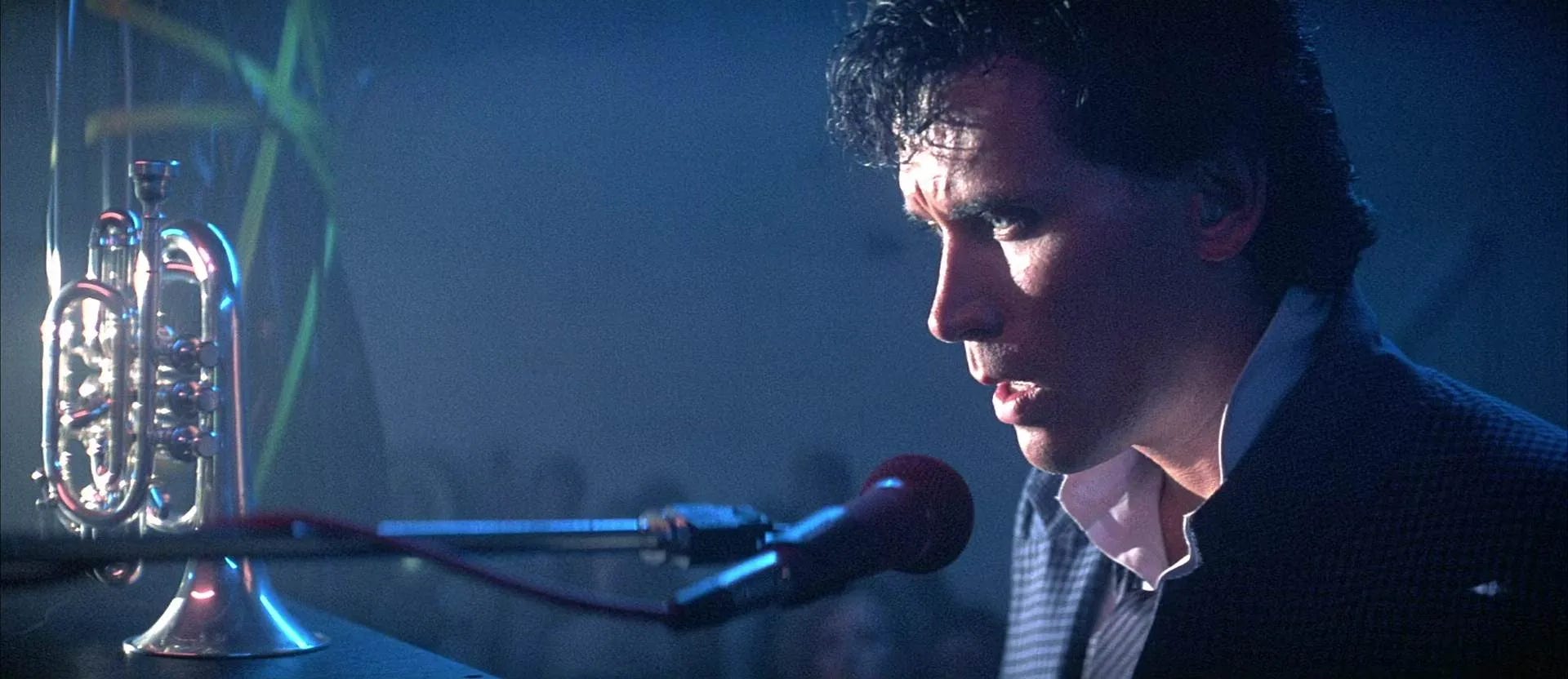
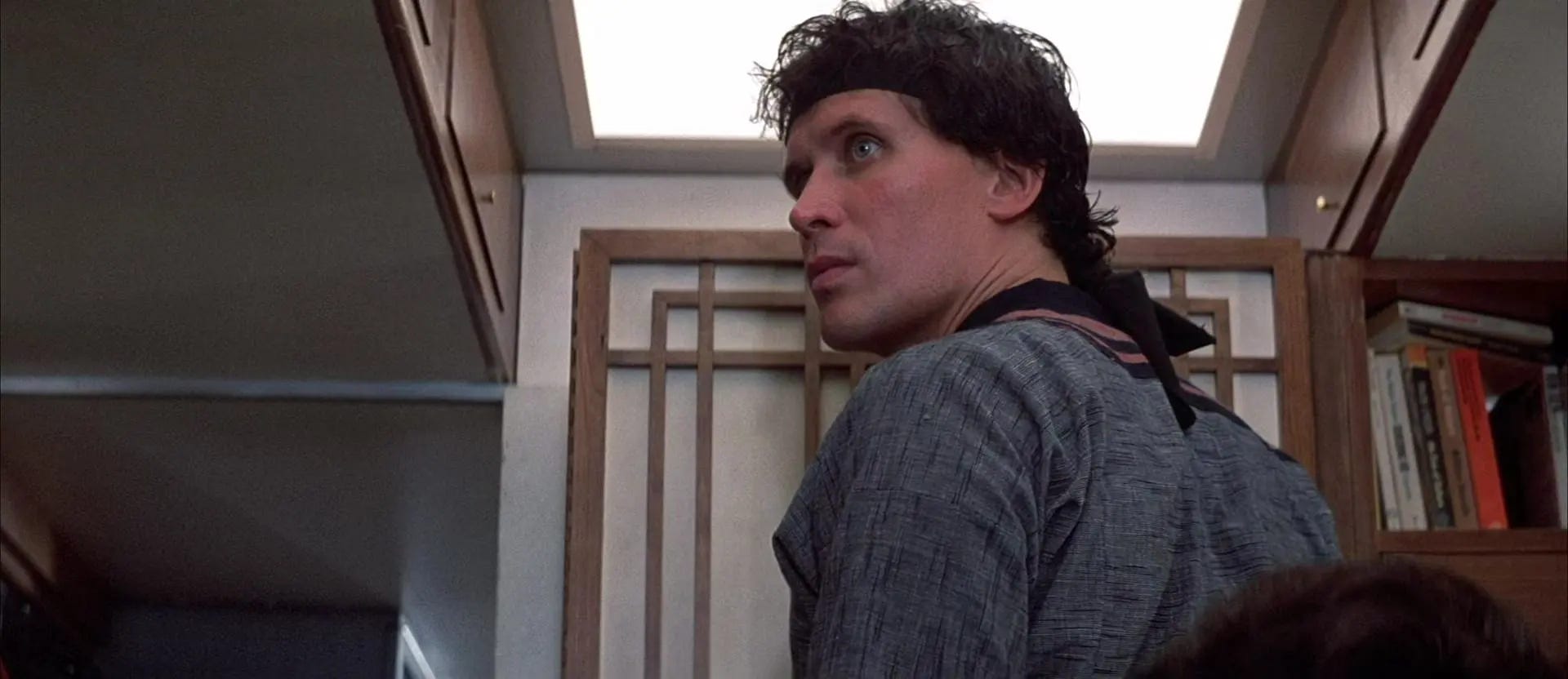
Barred from work during the 1981 Writers Guild of America strike, Rauch turned in a first draft around the same time David Begelman would lose his job, in July 1982, the studio executive dismissed after several films produced by his regime flopped for MGM/UA: Whose Life Is It Anyway? (1981), Pennies From Heaven (1981), Cannery Row (1982). Three more–Diner (1982), Victor/ Victoria (1982), Poltergeist (1982)--would be much better received, but not soon enough for Begelman to keep his job. MGM/UA put Buckaroo Banzai into turnaround. Now operating as an independent producer, Begelman arranged to set Buckaroo Banzai up at his new company, Sherwood Productions. He struck a distribution deal with Twentieth Century Fox, and electing to start production on Mr. Mom (1983) and Blame It On Rio (1984) immediately, secured the financing to move ahead with Buckaroo Banzai next. Making his directorial debut. W.D. Richter had a stacked cast without one actor who could be considered a star, not at the time. Peter Weller, who’d been featured in Shoot the Moon (1982) and taken a step down in prestige to star in the Canadian horror film Of Unknown Origin (1983), accepted the role of Buckaroo Banzai. His character had evolved into quite a renaissance man: neurosurgeon, explorer, rock star, martial artist, and head of a scientific research facility (the Banzai Institute) who’s licensed his likeness for a line of popular comic books.
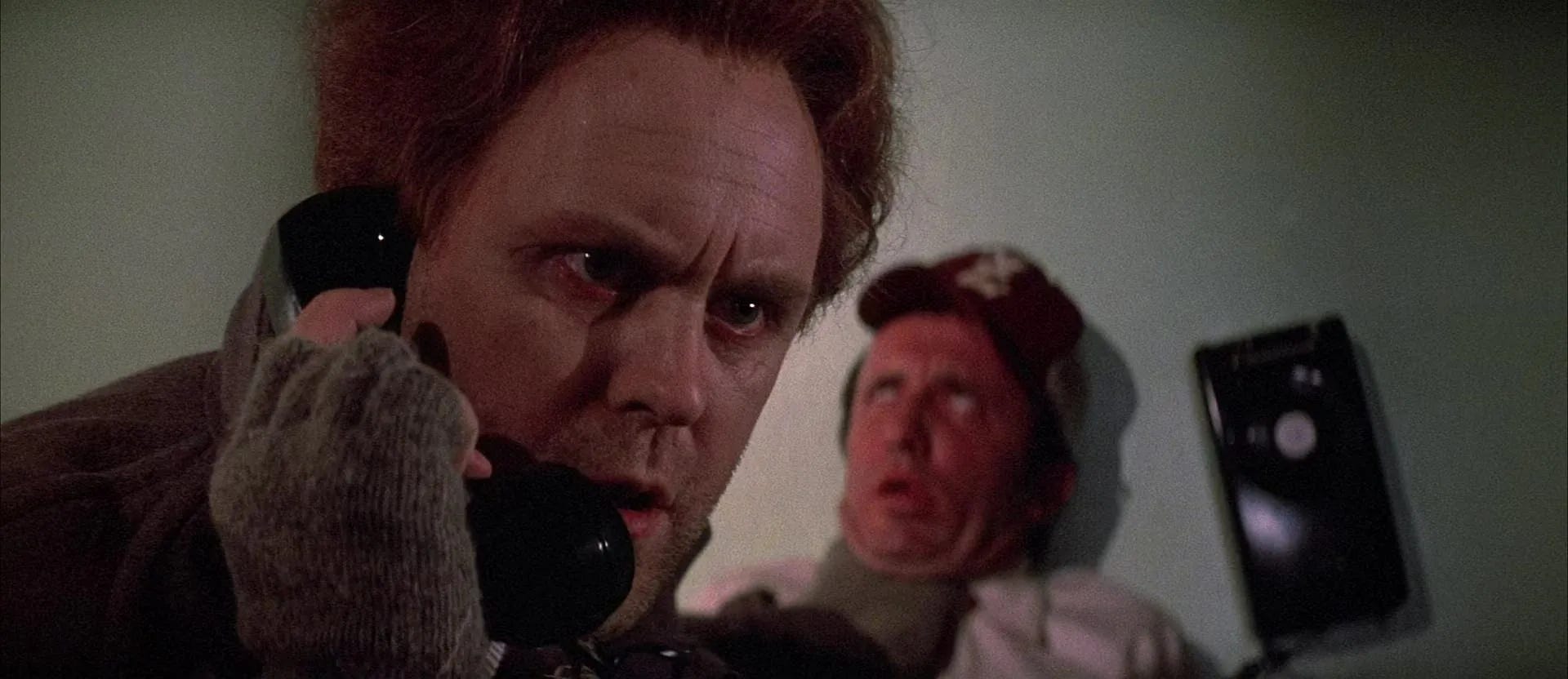
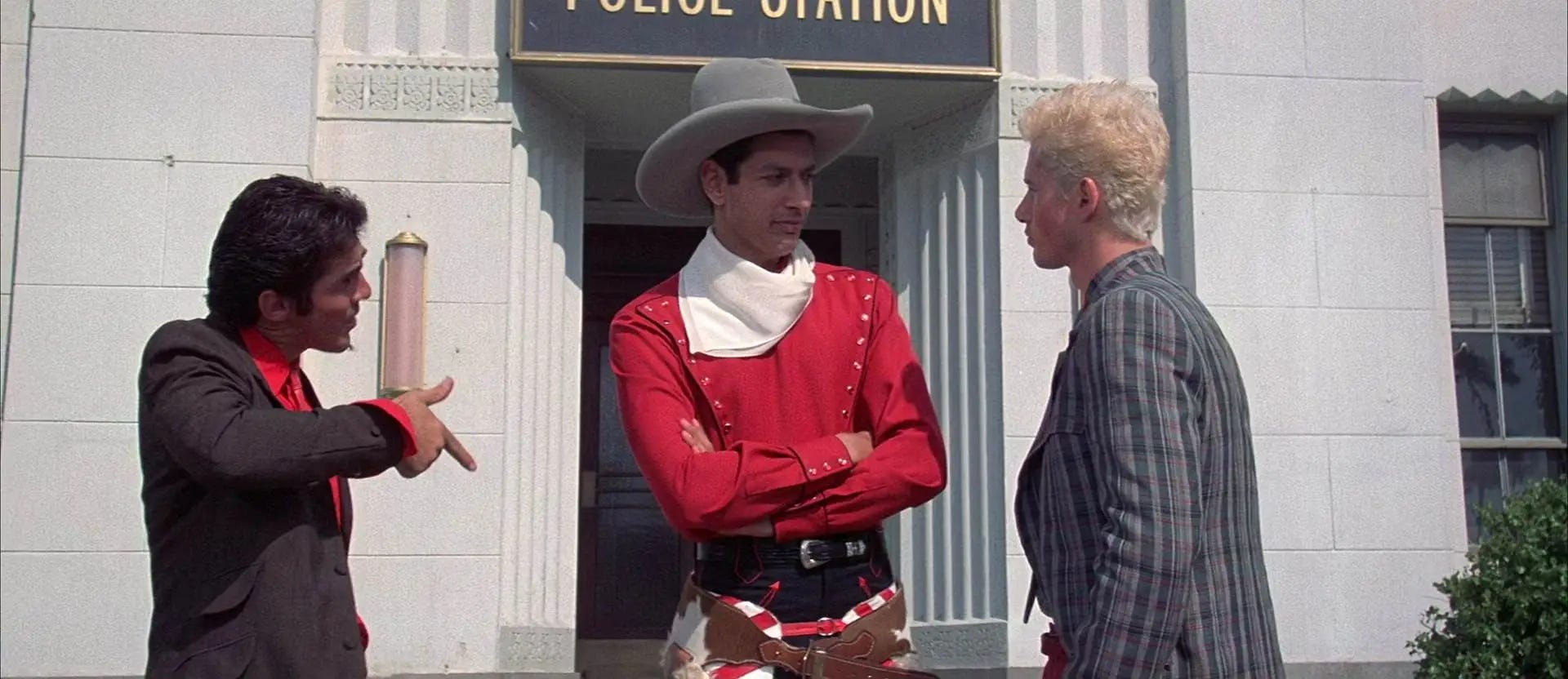
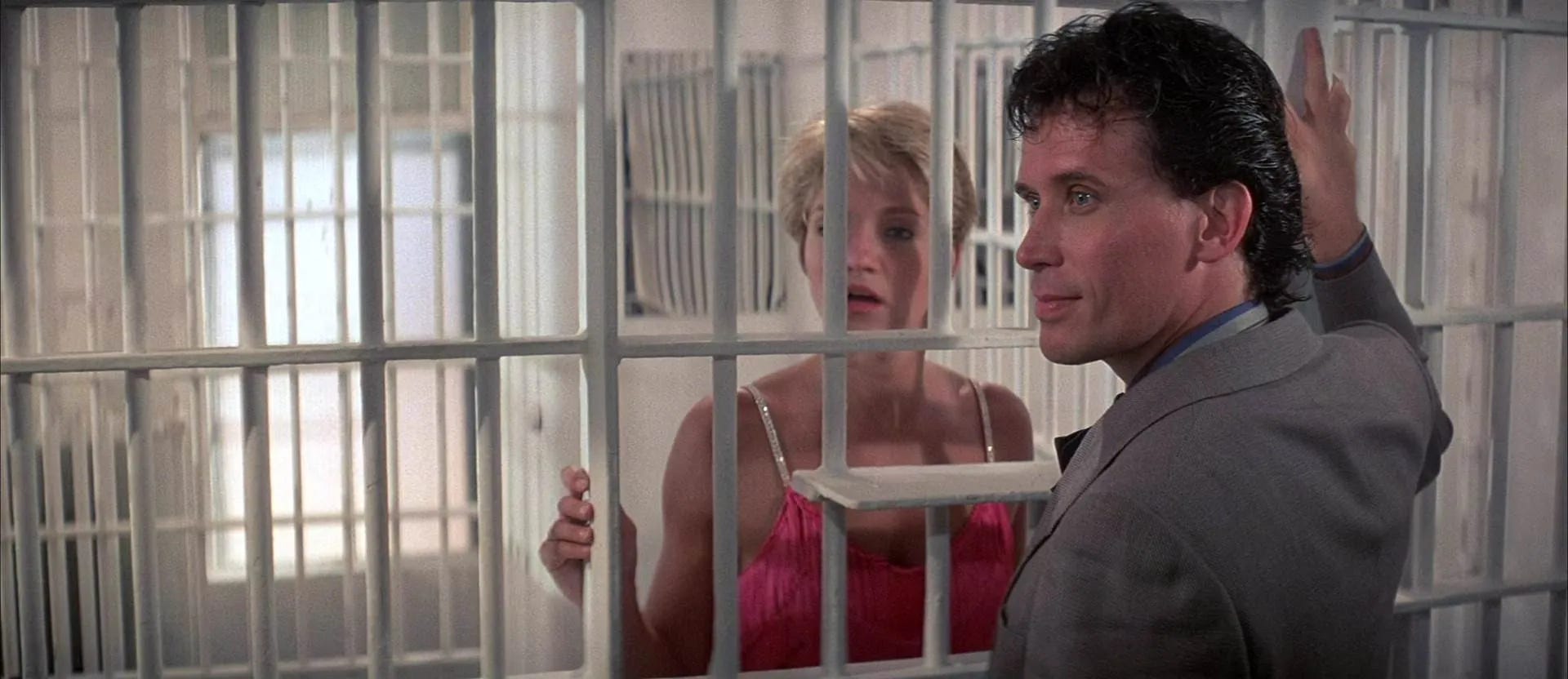
As Buckaroo’s band, now named the Hong Kong Cavaliers, Clancy Brown, Jeff Goldblum, Lewis Smith and Pepe Serna were cast. John Lithgow found an open spot in his schedule to play the villain, Dr. Emilio Lizardo, an Italian physicist whose experiments in interdimensional travel led to his possession by Lord John Whorfin, a Red Lectroid from Planet 10. After escaping imprisonment in the 8th dimension, Whorfin seeks to exploit the Banzai Institute’s technology to conquer Planet 10, something the benevolent Black Lectroids are willing to destroy Earth to stop. Christopher Lloyd, Vincent Schiavelli, and Dan Hedaya were cast as Red Lectroids who’ve assumed human form. Like all Lectroids, good or evil, they’ve taken the name “John”: John Bigbooté, John O’Connor, John Gomez. The intrigue didn’t stop there, Ellen Barkin cast as Penny Priddy, a splitting image of Buckaroo’s deceased wife. Cinematographer Jordan Cronenweth, a master of light who’d lit Rolling Thunder (1977) and Cutter’s Way (1981), was hired, and with a budget of roughly $17 million, filming commenced July 1983 in Los Angeles.
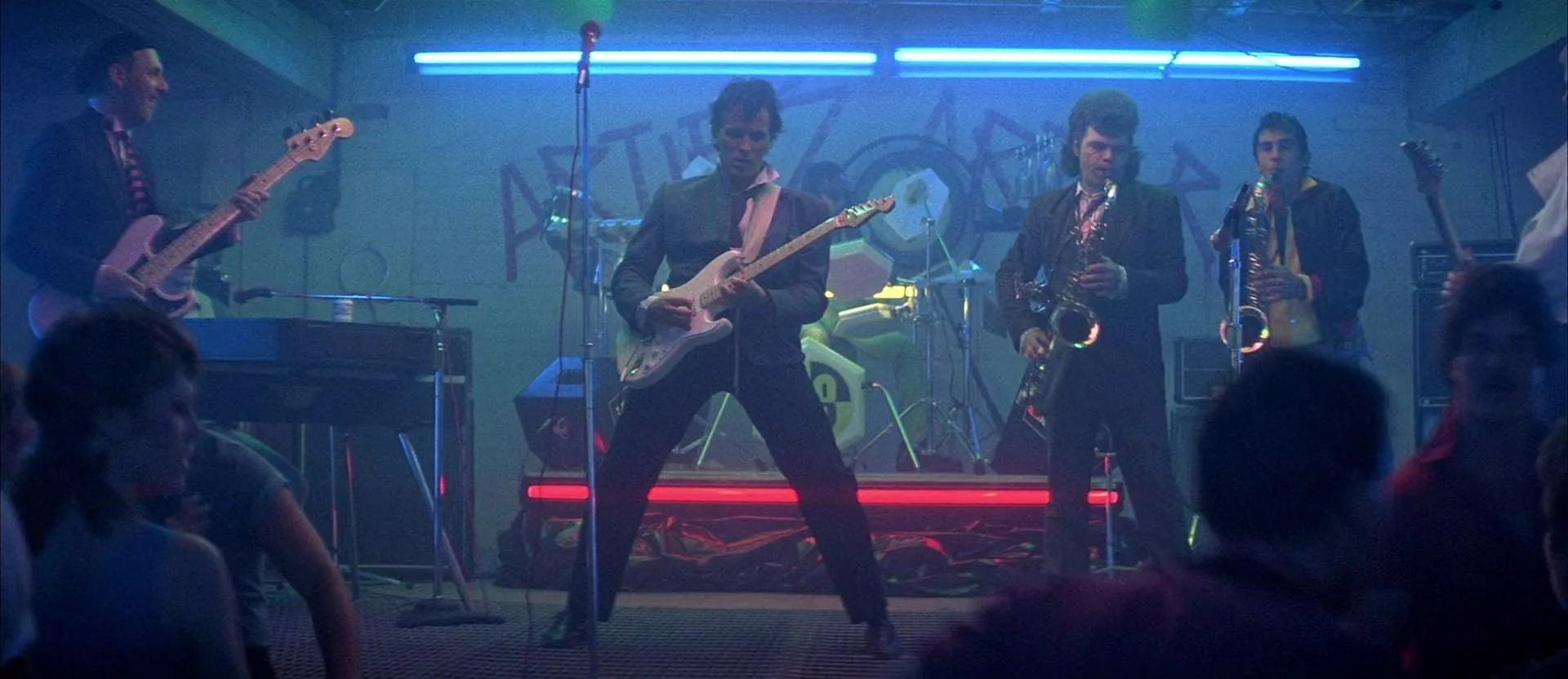
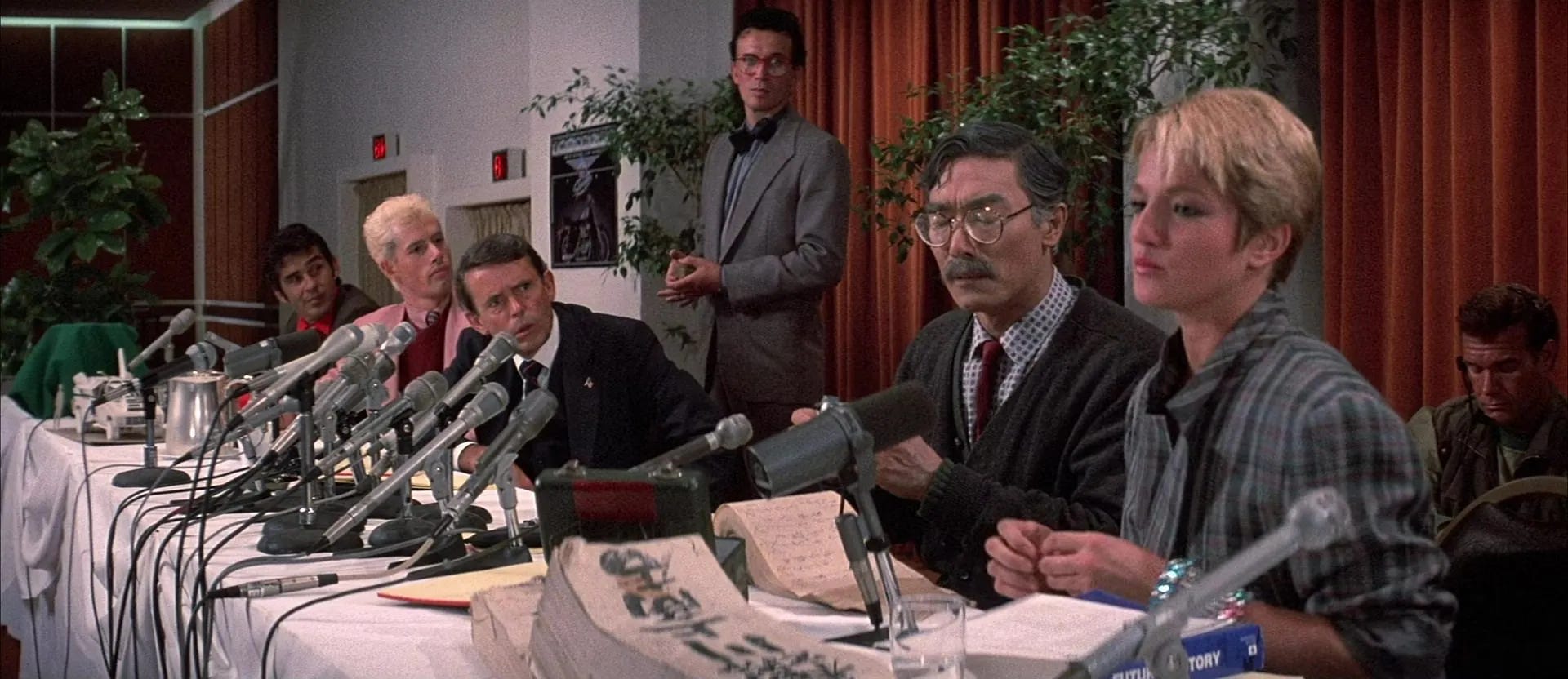
Jordan Cronenweth was tasked with giving the picture an otherworldly grittiness, and his contributions can be found in the set piece he lit: the nightclub scene, shot in downtown L.A. at 440 Seaton Street in what was once a lumber warehouse. David Begelman is said to have given the director of photography marching orders that he didn’t want Buckaroo Banzai to look like Blade Runner (1982), which Cronenweth had cloaked in darkness and detail for director Ridley Scott, but had underperformed at the box office. Unsatisfied with either the lighting or the pace of production, Begelman fired Cronenweth, and journeyman Fred J. Koenekamp was brought in to finish the picture. Begelman further alienated cast and crew by fussing about details he disliked or didn’t understand, like a pair of red-framed eyeglasses Buckaroo wears in the press conference scene. This may have motivated Richter to double down on the irreverence, the director placing a watermelon between clamps in a laboratory scene. Never hearing a complaint, Richter kept it in the movie (Jeff Goldblum’s character, New Jersey, asks Pepe Serna’s character Reno what the watermelon is for, and is notified, “I’ll tell you later.” Viewers are left to draw our own conclusions).
The jetcar test was shot at El Mirage Dry Lake and Rabbit Dry Lake in the Mojave Desert of California. The front gate for the Banzai Institute was filmed in Santa Monica, interiors in an estate in Pacific Palisades. The Lectoid launch hangar was at the ARMCO Steel Plant in Torrance, the “shock tower” inside a DWP plant in Wilmington, and “the pit” under a Firestone rubber plant in South Gate. Twentieth Century Fox might have taken “banzai” literally, scheduling what was finally titled The Adventures of the Buckaroo Banzai: Across the 8th Dimension for release on June 8, 1984, slating their eclectic science fiction comedy to open the same weekend as a hugely anticipated science fiction comedy bankrolled by Columbia Pictures called Ghostbusters (1984). Then Warner Bros., buoyed by enthusiastic test screenings of their own, scheduled Gremlins (1984) for release on June 8 as well. Buzz for Buckaroo Banzai was quietly being built through advertisements in comic books, as well as at science fiction conventions, which in the 20th century were often held on college campuses.
Fox not only blinked on an early summer release, but backed off supporting the picture considerably, rescheduling Buckaroo Banzai for August 10, a graveyard for film distribution as families took vacations and students returned to school. The studio devoted more resources to promoting a movie they knew how to sell, Revenge of the Nerds (1984), expanding the college comedy to 958 theaters in its fourth weekend of release. This was the weekend Buckaroo Banzai stumbled into 236 theaters and from there, its release would diminish with each passing weekend. Critics tried to get audiences to notice. Gene Siskel and Roger Ebert reviewed the film for an episode of At the Movies that aired in the dog days of summer, August 18. Though the country’s two most recognizable film critics split their votes, they enjoyed the film. Ebert offered, “A lot of the individual moments in Buckaroo Banzai are very funny, and the movie is filled with so many little jokes in the background that you probably have to watch it two or three times to figure them all out, but it’s impossible to figure out where you stand with this movie. It’s all over the map, and finally, I had no real idea who half the characters were or what they wanted or why I was supposed to be interested in them.” Ebert voted thumbs down, “with admiration for its little flashes of genius in between.”
Siskel retorted, “And I liked it because of all of what it was trying to do and because there were a lot of jokes. You and I see so many outer space adventures, or on-this-planet adventures, that are so routine and so predictable and all they’re trying to do is dazzle us with the same old special effects that are five years old. To me, I just laughed a lot in this picture, and that was enough for me.” In a moment of divine foresight, the film critic added, “I think this is a film that could get cult status, I think it’s going to be thrown away by its film company, but I think that people ought to try to find this picture. I think they’ll have a weird, funny time at the movies.” The Chicago Tribune wouldn’t print Siskel’s rave review (3 stars out of 4) until October 1, while Vincent Canby didn’t get an opportunity to herald the movie for readers of the New York Times until October 5. Canby’s opening paragraph read: “Watching The Adventures of Buckaroo Banzai from beginning to end is like coming into the middle chapters of some hilariously overplotted, spaced-out 1930’s adventure serial, neither the beginning nor the end of which ever comes into sight. At its best, which it frequently is, it’s a lunatic ball, an extremely genial, witty example of what is becoming a movie genre all its own. That is, the science-fiction farce, which includes the current Repo Man and the virtually seminal Liquid Sky.” Though Fox kept Buckaroo Banzai in distribution, upping it to 194 theaters the post-Thanksgiving weekend, the film never caught on with a wider audience, failing to crack the box office top ten in any of its weekends in release. It should have been forgotten. But in December 1985, when John Lithgow hosted Saturday Night Live, he was asked to reprise Dr. Lizardo for the show’s cold open, in costume, warning viewers about Halley’s Comet (with cast members Robert Downey Jr. as a lab tech and Randy Quaid as President Reagan). By this time, the movie’s target audience–SNL writers and some SNL fans–were hip to Buckaroo Banzai, and thanks to videocassette and cable television, many more would discover it.
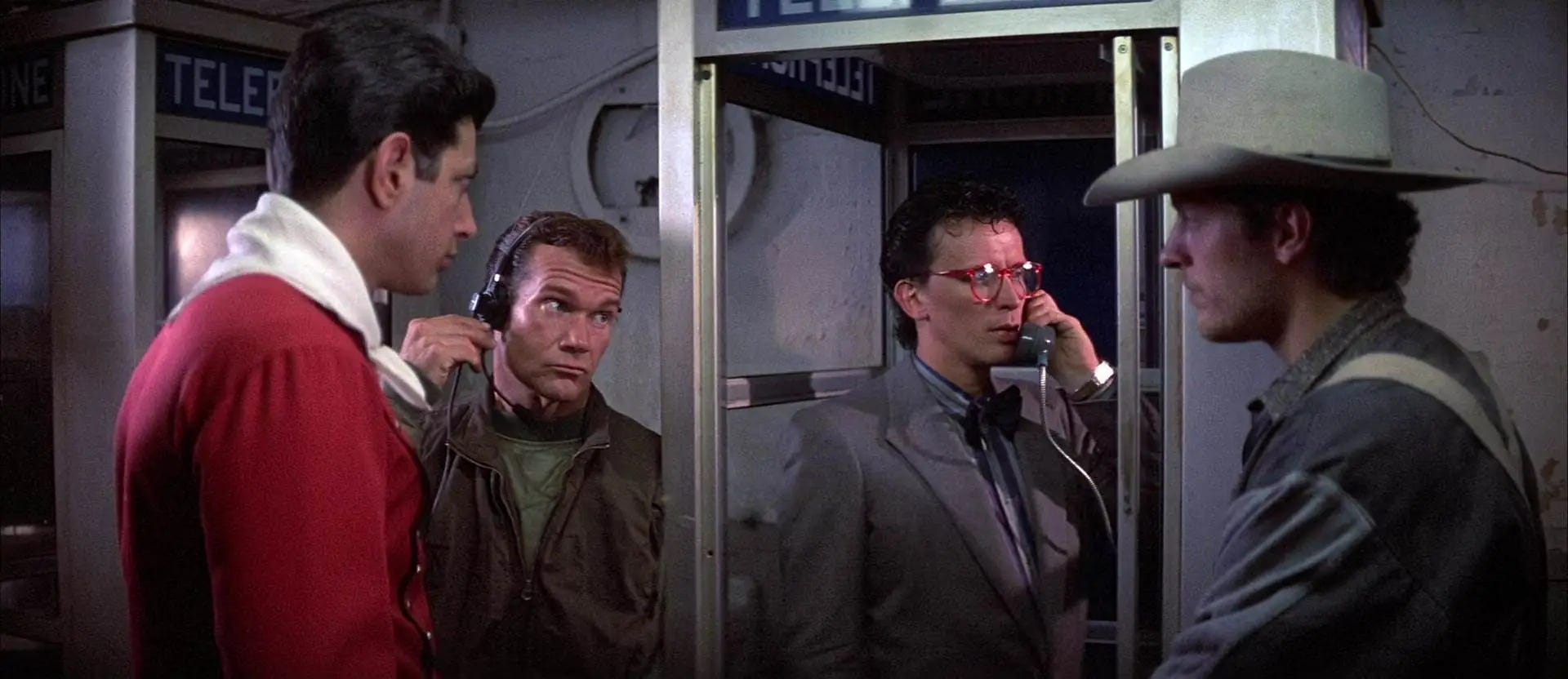
If the Coen brothers embarked on a science fiction film, it might play a lot like Buckaroo Banzai does. As with The Big Lebowski (1998) or O Brother, Where Art Thou? (2000), and the Saturday matinee serials as well, it moves the viewer through a singularly goofy ecosystem that existed prior to the start of the picture and promises to keep going after the end credits run. Intrigue comes in hot, piling interdimensional travel, the reincarnation of a dead wife, evil aliens (who pass as white men) running amok in New Jersey, good aliens (who in a contrast that is never explained, are Jamaican) orbiting the earth in what looks like giant coral, and World War III on the shoulders of a hero who just wants to rock and roll. There’s unique patois (Buckaroo, perhaps mindful of his young fans, utters “Oh, the deuce you say!” instead of “Get the fuck outta here!”) There’s a conspiracy: Orson Welles’ infamous War of the Worlds broadcast of Halloween 1938 was real and the invaders brainwashed him into claiming it was a hoax. But where the Coens frame their movies meticulously, each shot a commentary, W.D. Richter is casual, refusing to impose a strong sense of style because as a first-time director, he didn’t have one. It’s not accurate to label the film a satire. To do that, the filmmakers would have to think that comic books, mad scientists, and spaceships are junk, and they don’t. They treat the junk like jewels.
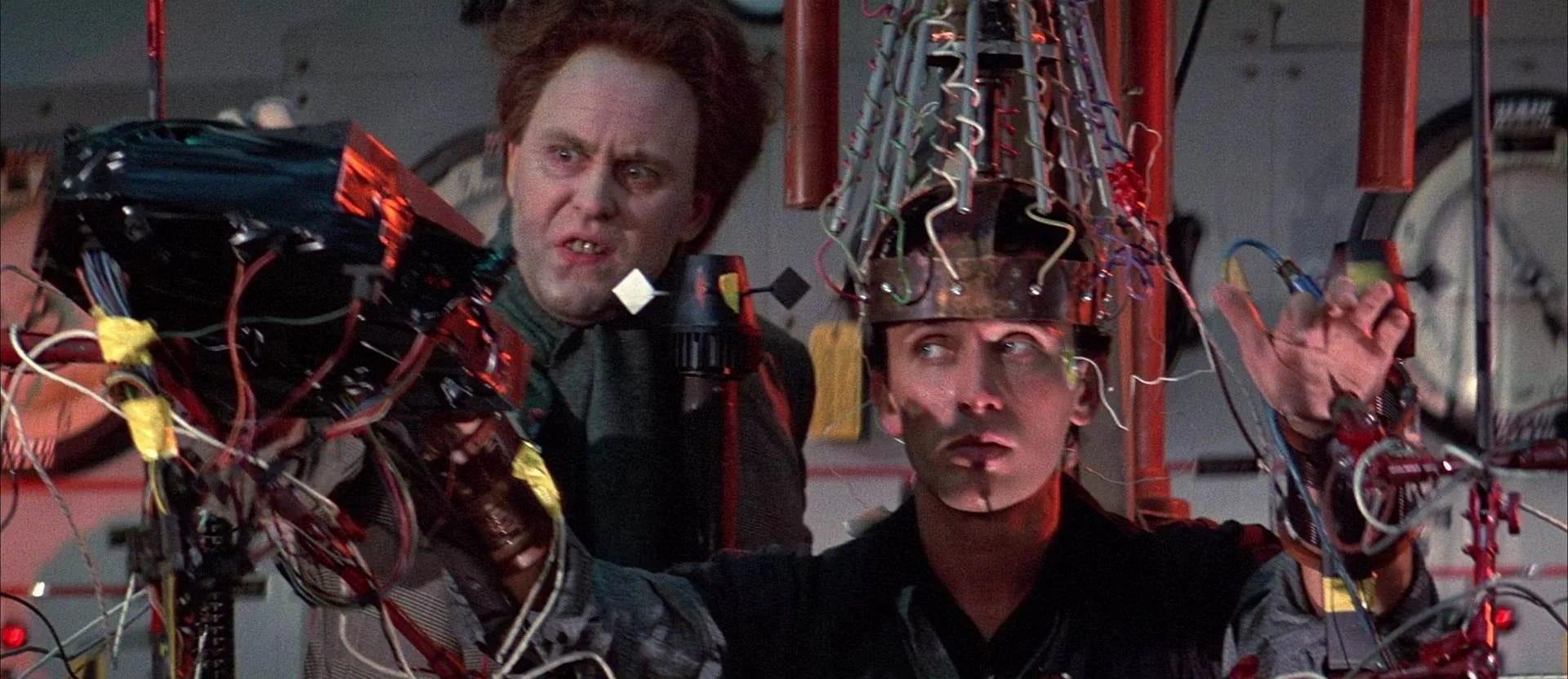
The performances, and by extension, Richter’s direction, are inspired. Peter Weller, playing Buckaroo with a combination of innocence and virtue, like Forrest Gump operating with a 200 IQ, was a superb choice. Whereas Clancy Brown wouldn’t have been very believable as a surgeon, or Jeff Goldblum convincing as a jet car driver, Weller does both, and plays the bugle. John Lithgow is operating on another plane, fusing Dr. Frankenstein with Mussolini. Unburdened by exposition, his character gets the best lines. John Whorfin isn’t a strong enough adversary–his right hand man, John Bigbooté is more formidable–and his defeat comes too easy, but by this point in the movie, how things happen is more important than what happens. Michael Boddicker, who had a prolific career as a synthesizer artist for film and much shorter career as a composer, plays over his head and delivers a minimal but rousing electronic score. The film looks as good as any released the summer of 1984, better than most, with Peter Kuran and his company VCE handling the live action blue screen work, while Dream Quest Images, under the supervision of Hoyt Yeatman, photographing the motion-control models of the spaceships. Plenty of visual and intellectual stimulation is to be had in a first viewing, but those who return to Buckaroo Banzai are rewarded by its extraordinary deadpan, the filmmakers and their characters rarely pausing to take credit for how bizarre anything is, but rolling with it.
Video rental category: Staff Picks
Special interest: Could’ve Been Comic Books
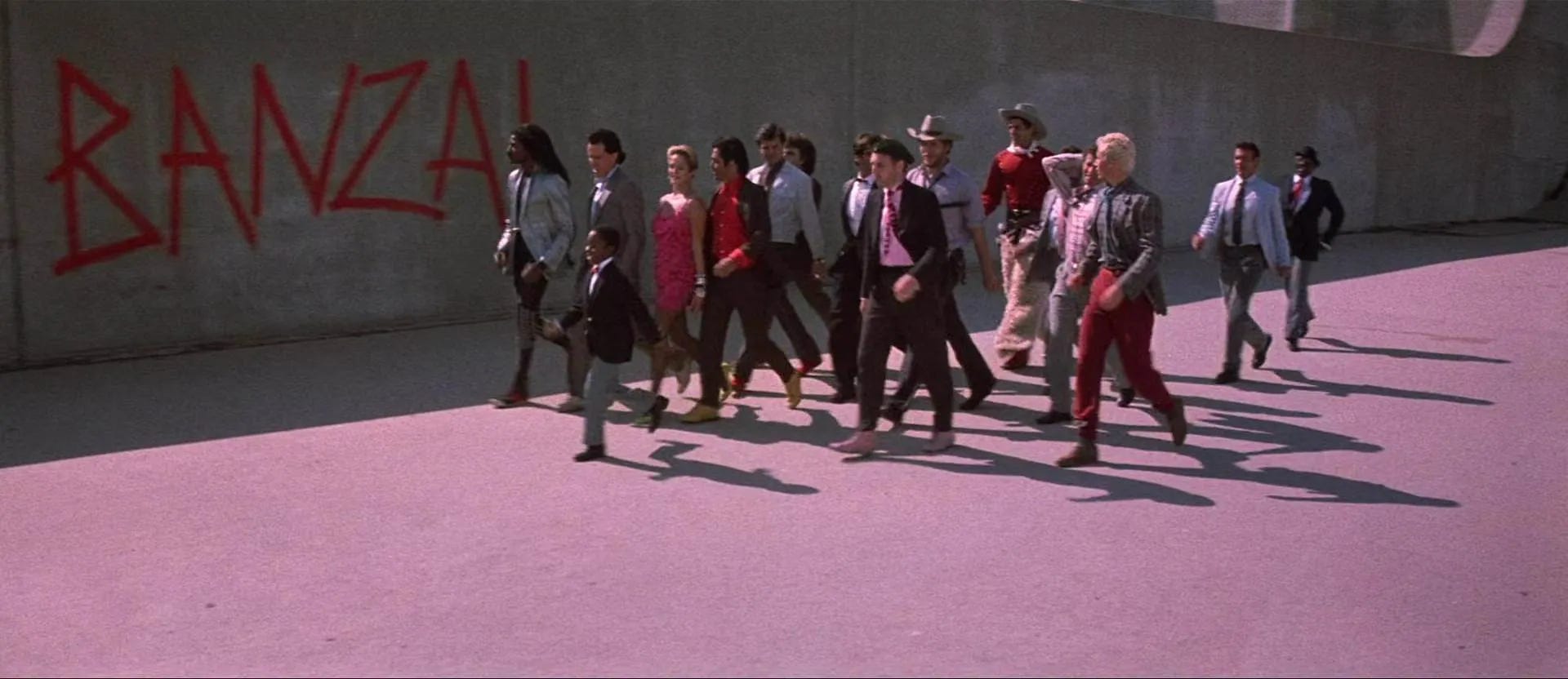
Great read about one of my all-time favorites. Didn't see if until VHS back then, but in the last decade or so I've been lucky enough to finally see it on the big screen twice.
BTW not a bugle, pocket trumpet - Peter Weller as a musician played all the instruments seen on screen. :) I know, "so what? big deal" But there is a distinction on the brass man.