
ONE FROM THE HEART (1982) is breathtaking in its experimentation with how a movie can be made and pushes the boundaries of how much of this a moviegoer is willing to endure. After spending 238 days in Southeast Asia making Apocalypse Now (1979) and risking his own financial security to do so, co-writer/ director Francis Coppola had more reason than anyone to test techniques capable of streamlining the filmmaking process, bringing them closer to the intimacy of live theater. Produced in an age where, like the revisionist western, the revisionist musical was dark and had largely alienated both lovers and haters of the genre, this is one for the director first, his collaborators second, and the viewer further on down the line.
Armyan Bernstein’s spec script One From the Heart was simple: a Chicago couple break up, flirt with new partners and decide they can’t live without each other, all over the course of a weekend. Bernstein had written Thank God It’s Friday (1978), a comedy that was essentially Car Wash (1976) at a discotheque and featured disco queen Donna Summer at the height of her popularity. To get a taste of the sensibility and scale of his script for One From the Heart, it’s worth noting that Bernstein would later write the romantic comedy Cross My Heart (1987), which simply chronicled the third date between a couple, played by Martin Short and Annette O’Toole. Producer Edward S. Feldman had a first-look development deal at MGM, and he sold the studio on developing One From the Heart. According to his memoir Tell Me You Love the Picture, Feldman had Jill Clayburgh and Michael Douglas in mind to play the tempestuous couple from Bernstein’s script (for a taste of how that would’ve worked, Clayburgh and Douglas teamed for the romantic comedy It’s My Turn instead).
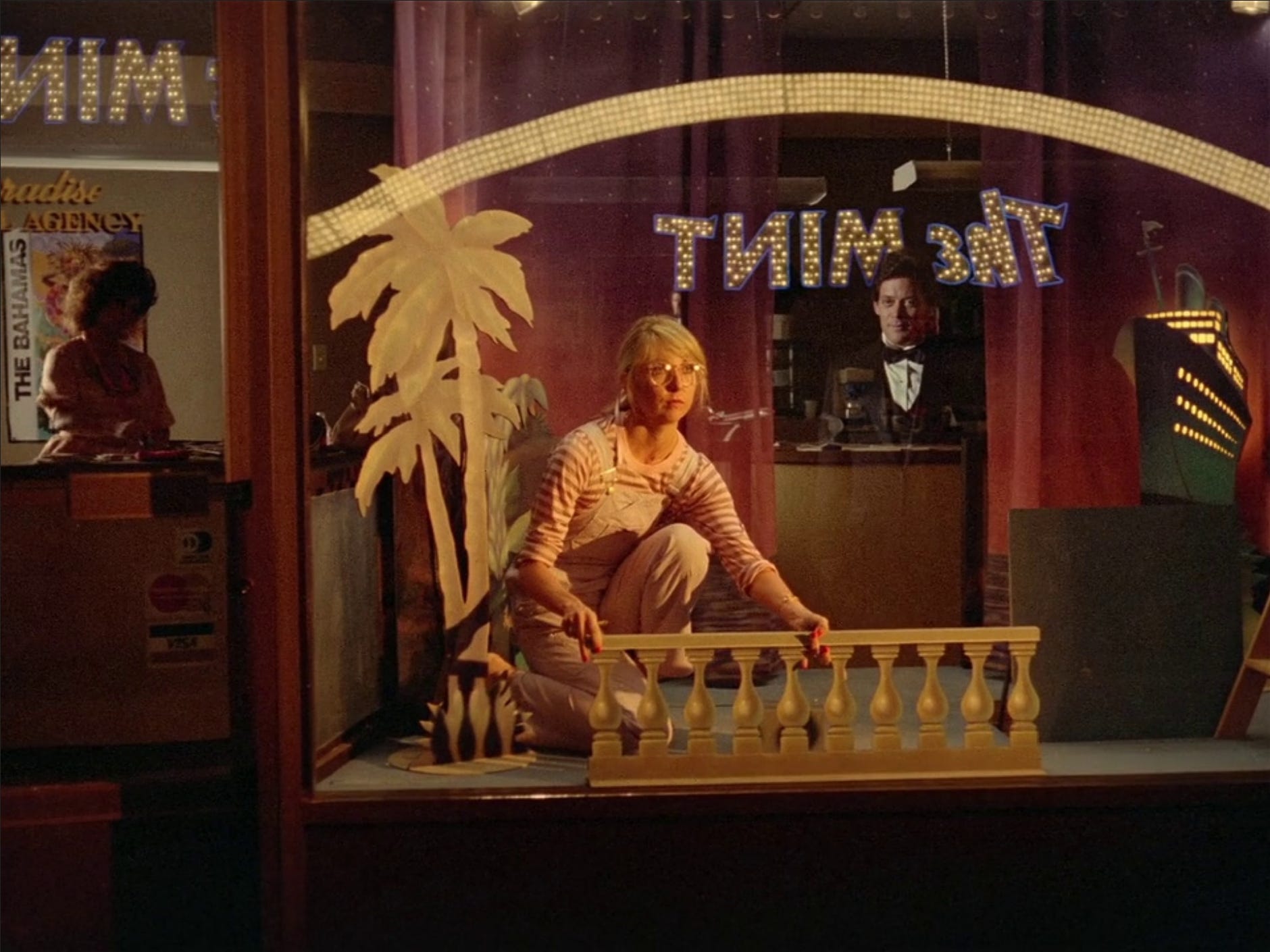
To direct, Feldman proposed Mark Rydell, whose most recent picture Harry and Walter Go To New York (1976) had been lavish, star-studded, and critically and commercially dismissed. The studio proposed Francis Coppola. The filmmaker was in San Francisco, and – over the nearly two years he’d spend in post-production – Los Angeles cutting Apocalypse Now. Coppola didn’t have his next feature film lined up, and despite having never made a romantic comedy, the co-writer/ director of The Godfather (1972), The Conversation (1974) and The Godfather, Part II (1974) was at the top of the list in terms of prestige. In an interview with Jonathan Cott published in Rolling Stone magazine on March 18, 1982, Coppola held court on how his involvement with One From the Heart began. “So I was walking around in Tokyo, reading Goethe, reading Mishima, going every day that I could get in to the Kabuki, and also coming out of a very difficult – if you’ve read my wife’s book – personal romantic mess. I felt I was kind of alone in Japan, trying to get hold of myself. And then I happened to come upon Armyan Bernstein’s script, which had been sent to me, and I carried it around, and I read it. It was set in Chicago, and I thought, what would happen if you just took the story – a guy, a girl, another guy, another girl (as simple as it could be, dumbbell but sweet) – and set it in Las Vegas? And I’m walking down the Ginza – the Ginza’s in the heart of Tokyo, and it looks just like Las Vegas – thinking that Las Vegas was the last frontier of America. When they ran out of land, they built Las Vegas, and it was built on those notions of life and chance – which, to me, are sort of like love.”
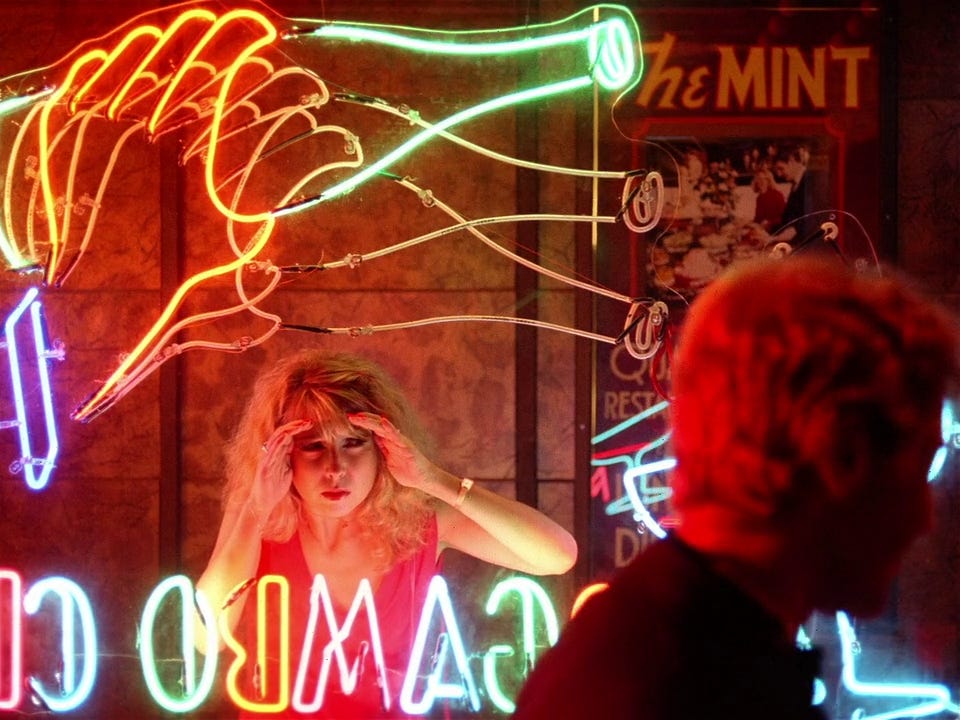
MGM spent sixteen months negotiating with Coppola, beginning in the weeks before Apocalypse Now debuted at the Cannes Film Festival in May 1979. By August 1980, a year after his epic had opened as a blockbuster in the U.S., MGM reached terms with Coppola’s company Zoetrope Studios for him to rewrite and direct One From the Heart. The experience of surviving Apocalypse Now suggested to the director that there had to be an easier way of making movies. The tried and true method had been perfected in Hollywood in the early 20th century: factory assembly on soundstages, where light, sound and weather could be controlled, and a repertory company of actors under contract could be plugged into the next production. Coppola also drew inspiration from his contribution to Jerry Brown’s bid against President Jimmy Carter in the 1980 Democratic primary. Rather than campaign ads, Coppola directed a live, half-hour television event from Madison that aired before voters went to the polls in Wisconsin. Coppola’s production stumbled over its technical limitations and didn’t help Brown to victory, but the director was all in on what he saw as a communications revolution on the horizon.
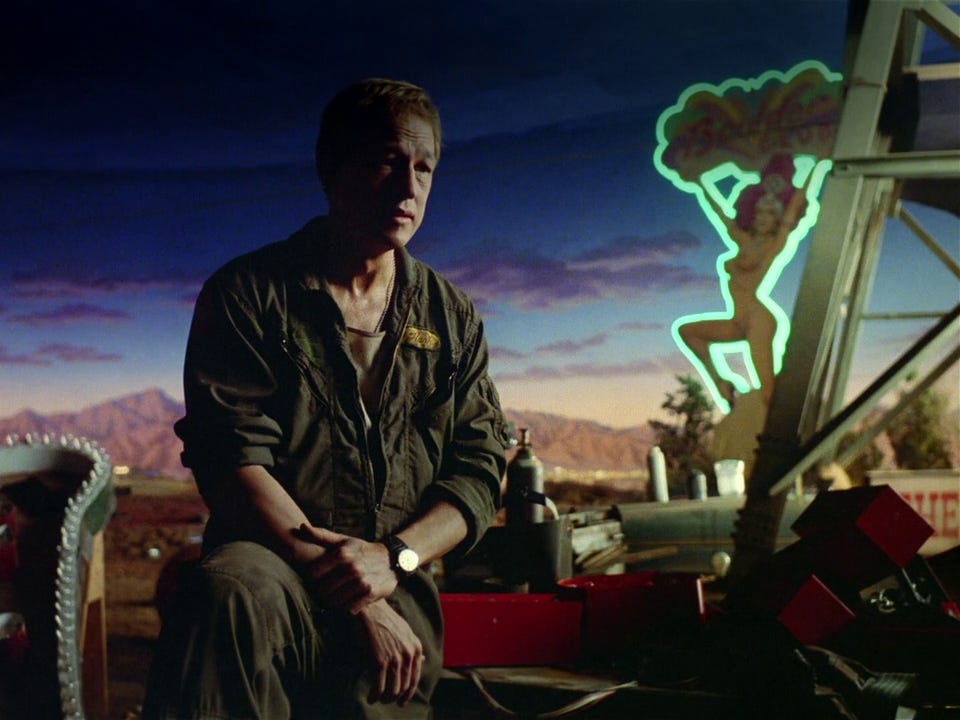
In late 1979, Coppola had completed the purchase of Hollywood General Studios, a 7-acre facility on Santa Monica Blvd./ Las Palmas Ave. The studio was where the first two seasons of I Love Lucy had been taped, from 1951-1953, and later, all of producer Paul Hennings’ classic sitcoms: The Beverly Hillbillies, Petticoat Junction, Green Acres. When Coppola arrived at the studio for a tour, all nine soundstages sat empty, and by the time he’d walked the property, he’d made up his mind to buy it, moving his operation from the Bay Area to L.A. The Los Angeles Times reported the sales price for what Coppola renamed Zoetrope Studios to be $6.7 million. Whatever the industry gossip over the next couple of years, no one would accuse Coppola of lacking imagination. He’d realize a few of his ideas. A father of three, Coppola opened the studio to children, who under minimum supervision could wander anywhere or talk to anyone, including the stars. On the opposite end of the spectrum, he added “directors emeritus” like Michael Powell and Jean-Luc Godard to the payroll as mentors. Coppola wanted to hire understudies for each of the six primary roles in One From the Heart and shoot the entire movie on video with them to see how it might cut together. When the Screen Actors’ Guild mandated Coppola’s video actors be paid the same rates as his screen actors, the director scrapped his idea but kept the understudies on as stand-ins. He made an exception for Rebecca de Mornay, Nastassia Kinski’s understudy. Coppola put de Mornay in a restaurant scene as a diner, and giving her a line, secured her union membership in SAG.
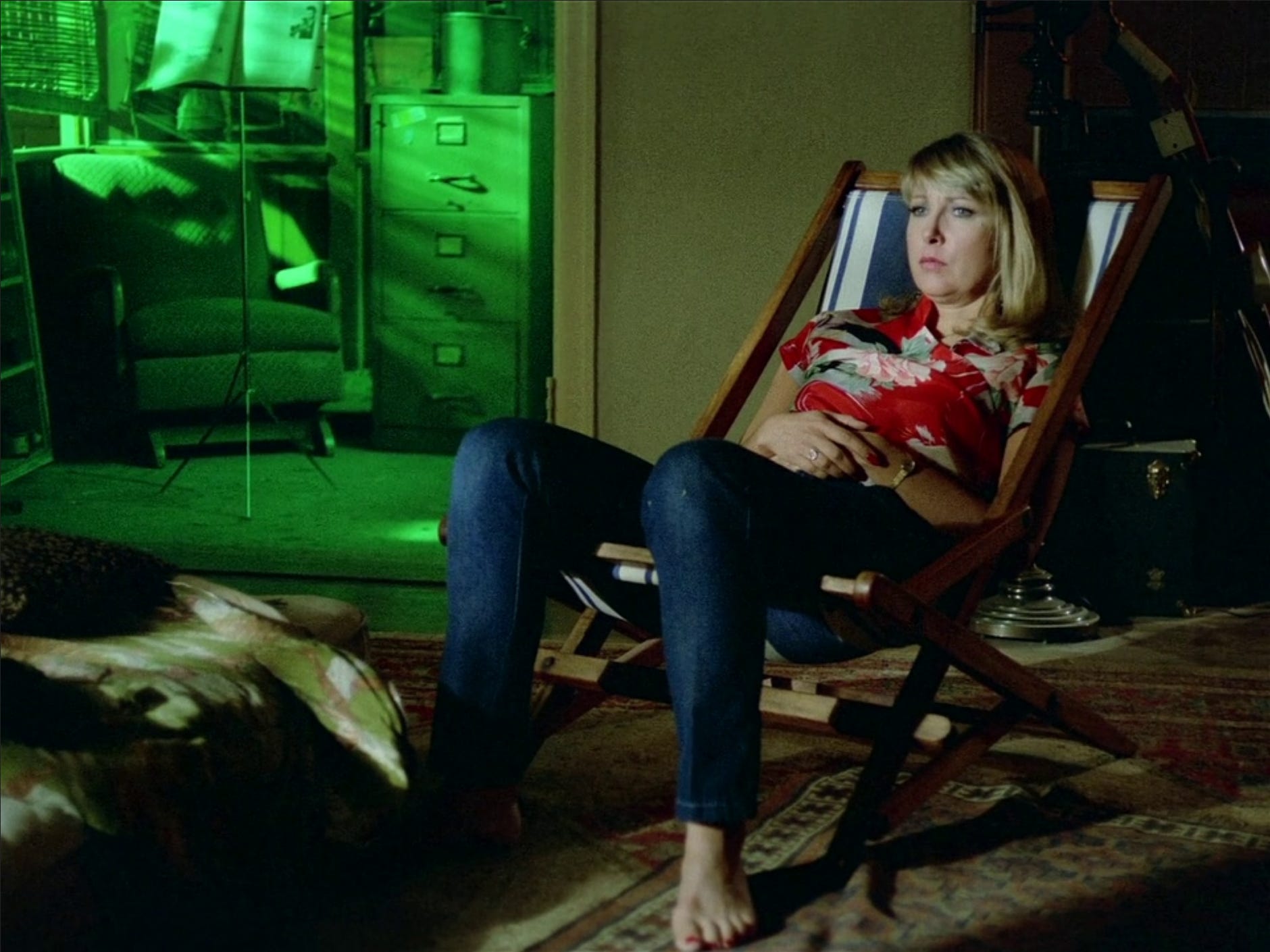
Coppola issued a vast array of proclamations. He envisioned nothing less than the first digital movie studio, what he referred to as “electronic cinema,” with digital cameras, digital editing, digital projectors, and a network of Xerox Star computers connecting his soundstages. At a press conference convened at Zoetrope and covered by Lee Grant for an article in the Los Angeles Times on February 6, 1981, Coppola explained, “You can make computers do whatever you want them to do. We are on the eve of a totally wonderful world of moviemaking — art and entertainment becoming so easy and inexpensive it can’t help but influence the world. I believe the only way a modern motion picture company can avoid becoming makers of Styrofoam, packages off the line, is to stay at the vanguard of industry … we should master it.” He envisioned his electronic cinema producing twelve modestly budgeted Zoetrope pictures per year.
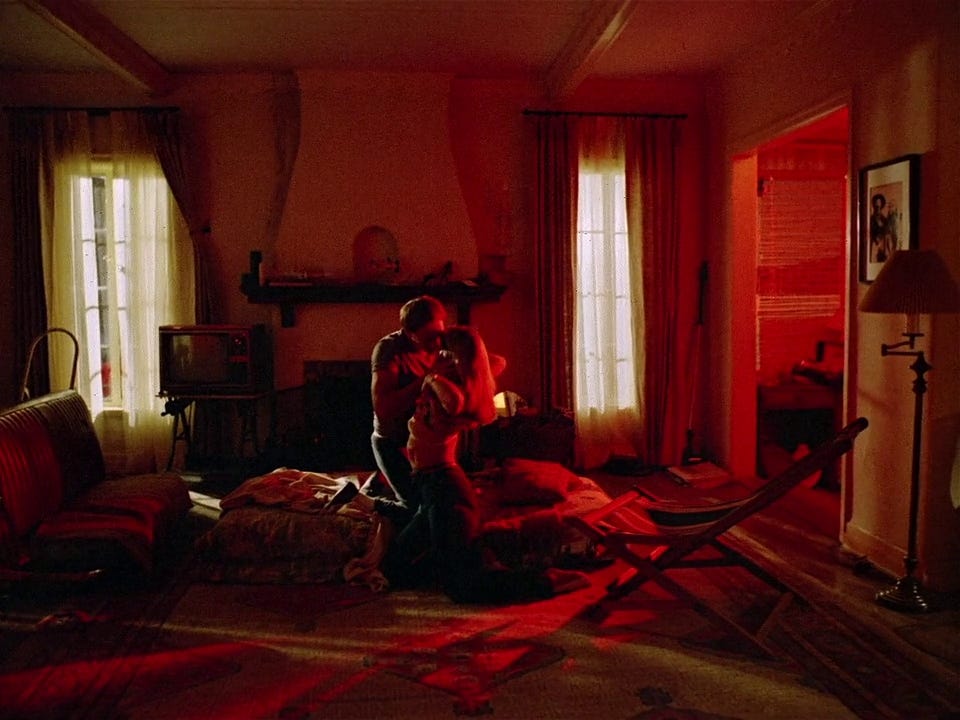
Coppola heralded a four-day work week, Fridays reserved for Zoetrope employees and their families to utilize the studio for whatever projects they wanted. He’d open a Zoetrope restaurant where employees and their families would dine for free. His prototype film production for these grand designs would be One From the Heart. In August 1980, actors Frederic Forrest, Teri Garr and Raul Julia were announced for what the press reported to be an “adult fable.” Coppola had zero interest in making a formula romantic comedy, picturing what he described to Rolling Stone as “a kind of Kabuki play set in Las Vegas.” He altered enough of the script for the Writer’s Guild of America to award screenplay credit to Armyan Bernstein and Francis Coppola, story credit to Bernstein. Rather than submitting his changes to MGM for approval or asking them to sign off on anything, Coppola leapt into pre-production, commencing rehearsals atop the Kit Kat Club, a burlesque-themed music venue across the street from Zoetrope. To neutralize MGM’s creative input into his film, Coppola negotiated the purchase of Armyan Bernstein’s script, ultimately giving up U.S. and Canadian distribution rights and a 20% equity stake to MGM. To produce, Coppola drafted Gray Frederickson, a former Paramount production executive he’d first worked with on The Godfather, and Fred Roos, promoted from co-producer of Coppola’s last three masterworks.
The budget for One From the Heart was penciled in at $15 million. That was on par with what Warner Bros. Pictures would spend to produce the Burt Reynolds-Goldie Hawn romantic comedy Best Friends (1982) and under the $21 million Columbia Pictures would report the Dustin Hoffman comedy-romance Tootsie (1982) cost to produce. Without MGM footing the bill, Coppola secured $7 million in loans from Chase Manhattan Bank and $8 million from foreign investors, as he had to bankroll Apocalypse Now. Self-finance would grant Coppola ownership of the films he made. According to reporting by Dale Pollock for the Los Angeles Times in an article published February 6, 1981, Coppola’s financial troubles started in September of the previous year. A Zoetrope production titled Hammett – starring Frederic Forrest as pulp fiction writer Dashiell Hammett, in a sort of biographical detective story – was deemed by Coppola to be unreleasable. German director Wim Wenders, in his English-language debut, was working from a screenplay that Ross Thomas and Dennis O’Flaherty and Thomas Pope had all taken turns at adapting from a book by Joe Gores. Wenders had roughly 70% of the film in the can before Coppola halted production, putting the sets in storage, to resume filming in May 1981 when Forrest was available and someone had (hopefully) figured out how to salvage Hammett on the page. Coppola’s foreign investors were on the hook for $3 million of the troubled picture’s $9 million production budget.
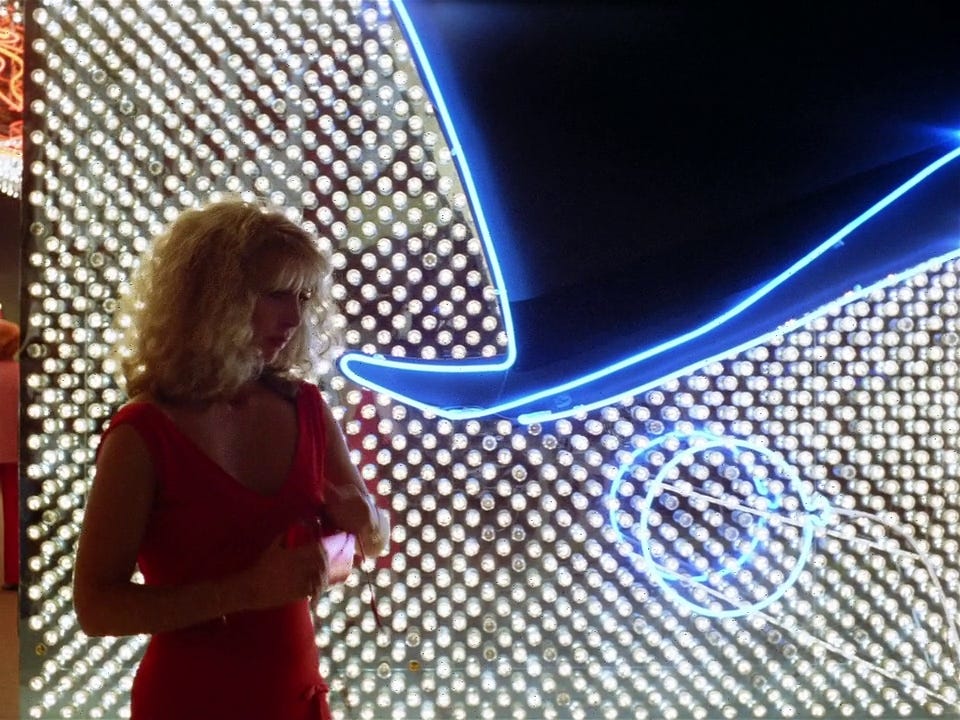
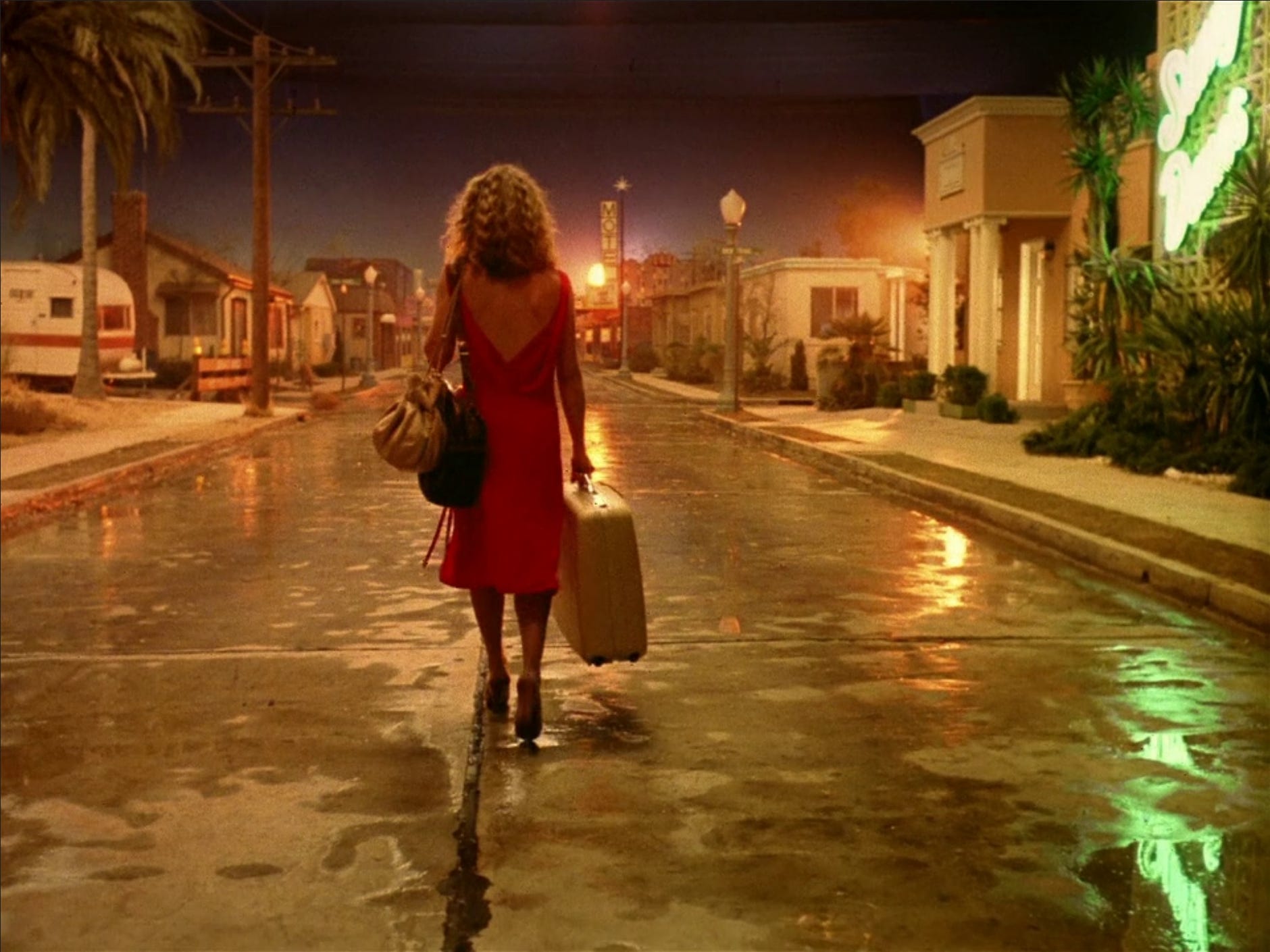
Meanwhile, the price for One From the Heart was climbing. Dean Tavoularis, production designer of Coppola’s four major films, was building sets on virtually every stage at Zoetrope, where the idea of a “sweet” little picture to follow Apocalypse Now was undergoing massive renovations. $4.5 million would be spent on sets dripping in neon, and $500,000 on a miniature model of Las Vegas for bird’s eye shots of the metropolis. Though Frederic Forrest had been Academy Award nominated for Best Actor in The Rose (1979), the picture that director Mark Rydell landed after being rejected for One From the Heart, as the budget rose to $23.1 million, in December 1980, Coppola’s foreign investors bailed on what looked like another Zoetrope production with Forrest and an escalating budget. In the search for more money, Coppola was turned away by MGM, which not only refused to put up a cent for a movie they wouldn’t own, but also rescinded their offer to distribute the picture. United Artists, which had distributed Apocalypse Now, had their own runaway production, Heaven’s Gate (1980), its financial woes playing out on the nightly news. Coppola had sold off distribution rights to One From the Heart, giving new financial partners precious little return on their investment. The option of declaring Chapter 11 bankruptcy was floated to Coppola as a means for Zoetrope to cover its payroll and complete One From the Heart.
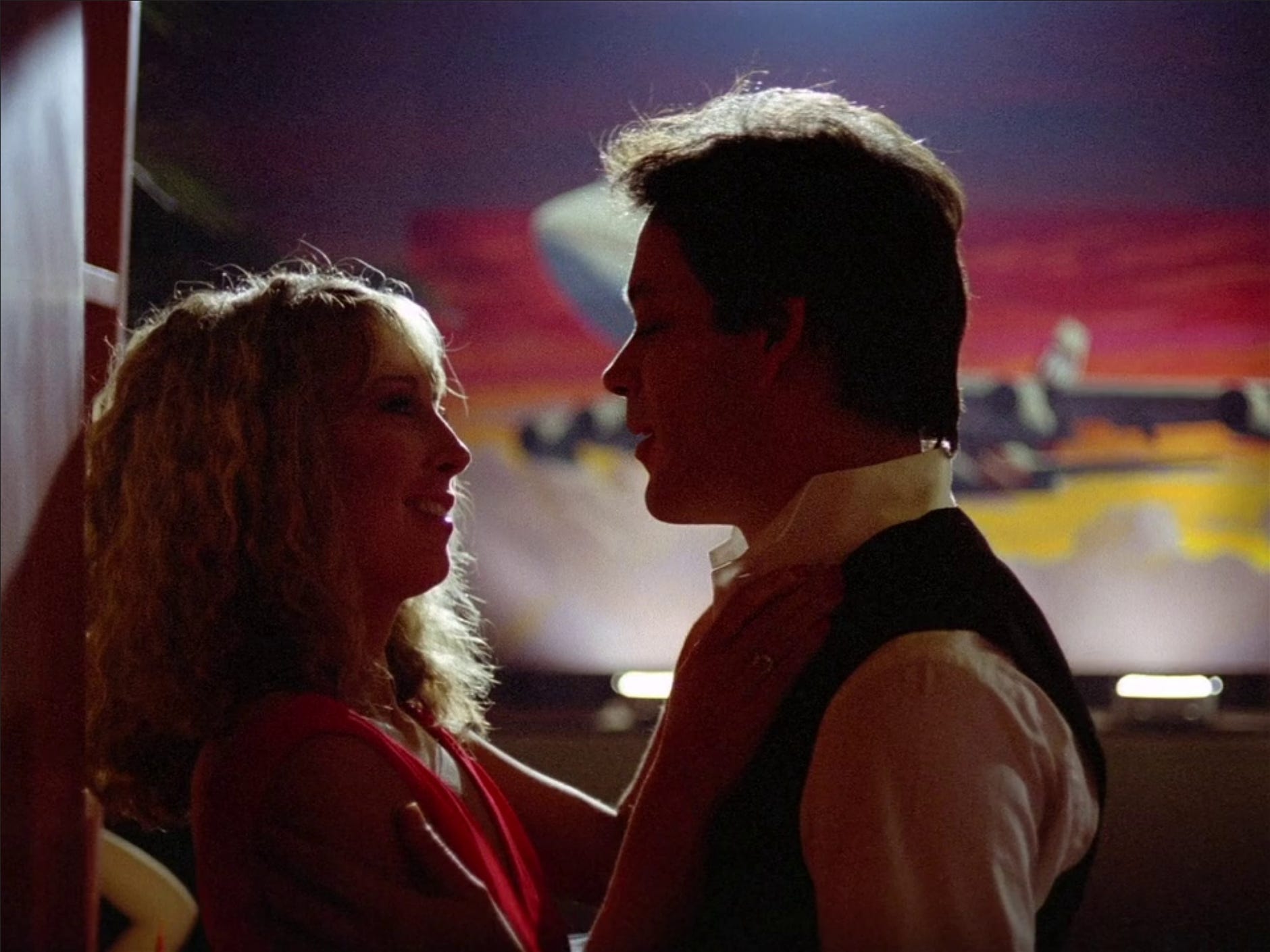
Instead, Coppola forged ahead as if he had the money. Nastassia Kinski, Harry Dean Stanton and Lainie Kazan were added to the cast and filming commenced on February 2, 1981. The next day, with money to get him through one week of filming, Coppola held his press conference. Rather than contemplating failure, he sounded as confident of victory as ever. “We’re on the eve of something that’s going to make the Industrial Revolution look like a small out-of-town tryout. I can see a communications revolution that’s about movies and art and music and digital electronics and satellites but above all, human talent – and it’s going to make the masters of cinema, from whom we’ve inherited this business, believe things that they would have never thought possible.” This rallying cry got the attention of Jack Singer, a Calgary real estate investor, who, appropriately for someone on the flamboyant side, wanted to be in the picture business. Singer put up $3 million in collateralized loans to Coppola. This would hand Singer the keys to Zoetrope Studios if the filmmaker defaulted on his payments. Until then, Singer’s loans made it possible for Zoetrope to continue operation.
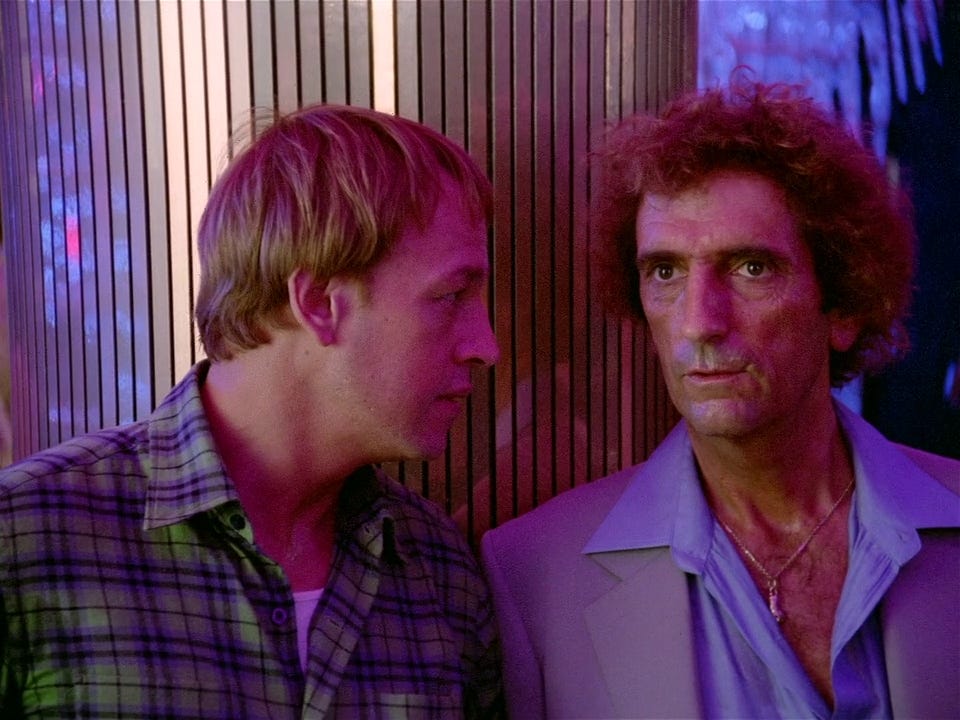
In 1997, Harry Dean Stanton, having booked over 200 roles in film and television, was interviewed by Alex Simon for Venice Magazine. The character actor was asked about The Godfather, Part II, perhaps the best picture he’d appeared in. Stanton went his own way with an answer. He responded, “I love Francis. He’s a wonderful director. Respects actors. He did something on One From the Heart that was, especially for a ‘big time’ director, really wonderful. There was a scene with Teri Garr and Fred Forrest and he came up to me and said ‘Harry Dean, you direct this scene.’ No director has done that before, or since with me. And I did, I helped him direct it. Of course he had the final word on it, but for a director to do something like that is pretty special.” Speaking to Rolling Stone in 1982, Coppola elaborated on his approach to directing. “The key to it, for me, is that I enjoy doing theater more than making films. The process of theater — the way you congregate everyone together and build the scenery and go through it and have a performance — is what I really enjoy. During the early years of my career, I was always a little frustrated by the fact that it really wasn’t so much fun to make films: the process is very strung out and long, and you don’t have the same camaraderie, the same coming together. You don’t get that thrill. So part of me flirted with doing theater again.”
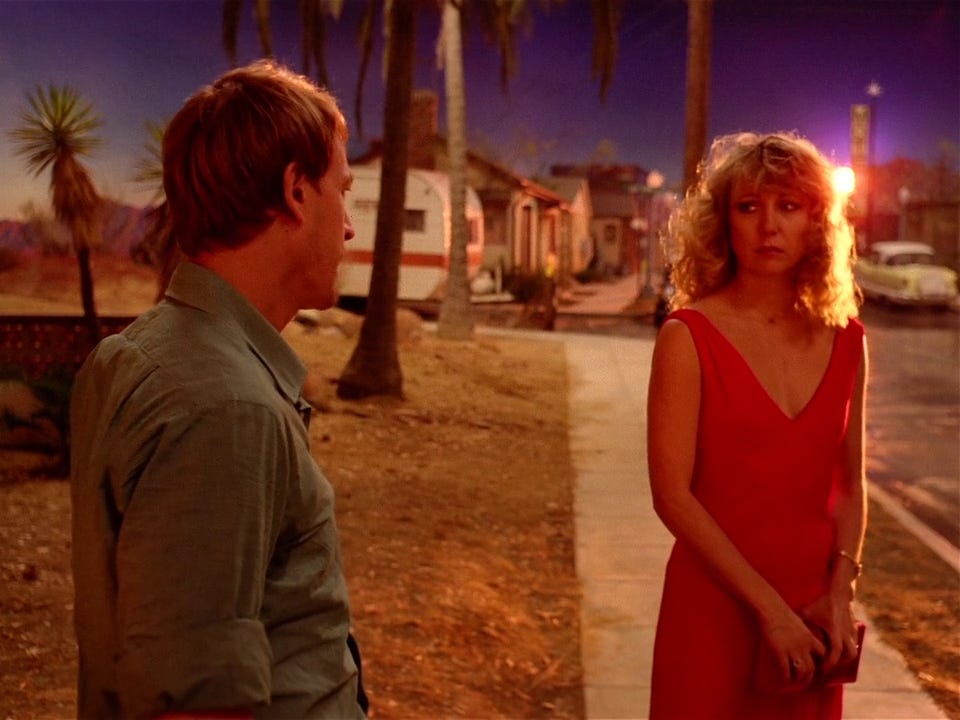
While Coppola was testing techniques he believed would streamline production of One From the Heart – recording scenes on Betamax videocassette in tandem with cinematographer Vittorio Storaro lighting the picture for 35mm film stock, foreshadowing the “video village” that would soon enable filmmakers to watch scenes as they were being shot rather than sending film off to a lab to be developed first – Coppola’s ambition to get his Independence Day themed movie in theaters for July 4, 1981 proved impractical. Though they’d stayed away from financing One From the Heart along with all the major studios, Paramount Pictures agreed to distribute the film. Under the regime of chairman Barry Diller, the studio had been happy to help Coppola, for the price of a well-regarded science fiction script by Scott Bartlett titled Interface which Zoetrope agreed to part with for $500,000. Paramount loaned Coppola another $500,000, the million dollar sum allowing Zoetrope to cover payroll for two weeks. With One From the Heart, Paramount must’ve anticipated getting a prestige film, another Faberge egg in its basket with Ragtime (1981) and Reds (1981) they could position for awards consideration, opening the Coppola picture first, on October 9, 1981.
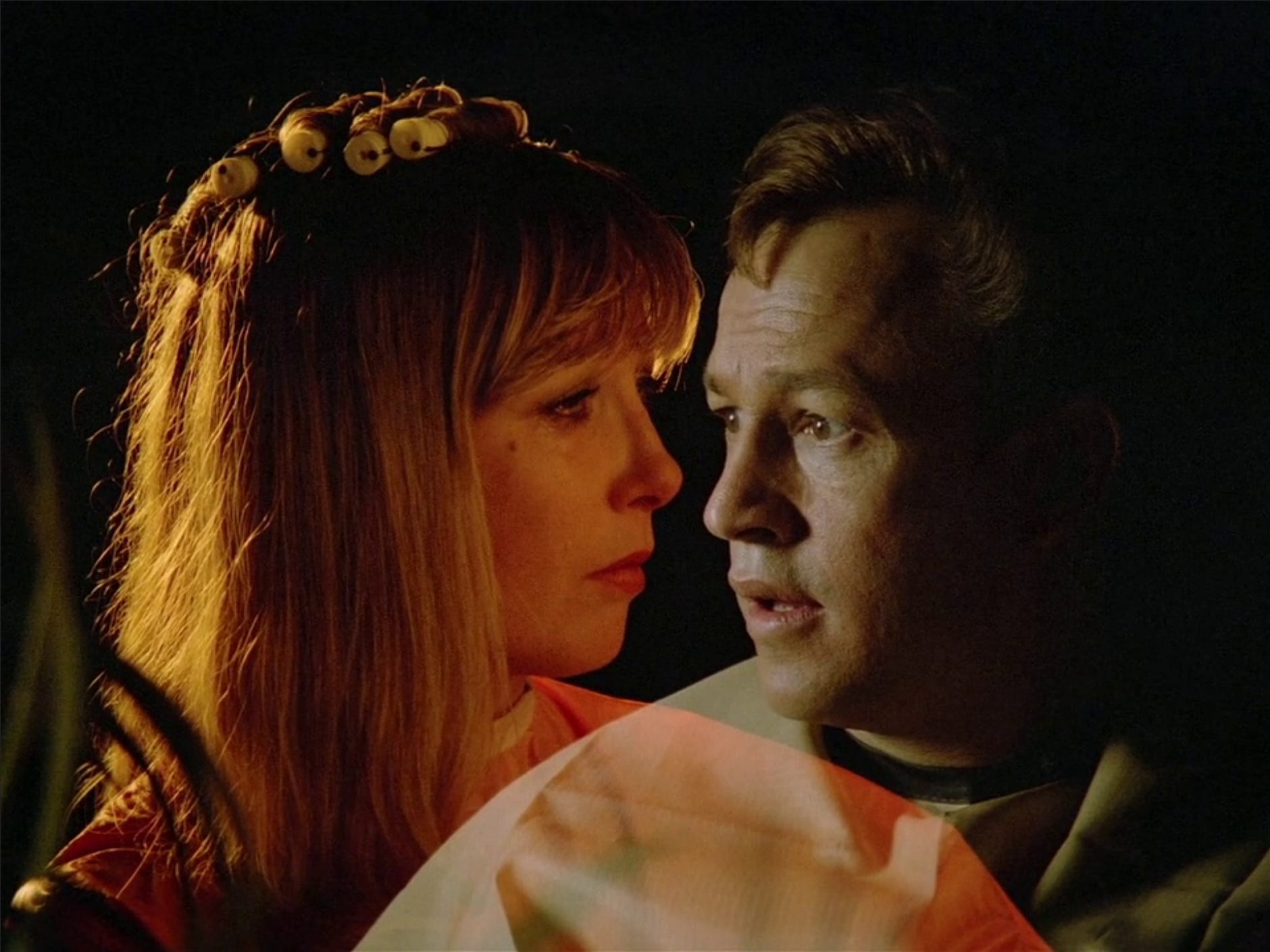
In the week of August 17, Paramount convened a private screening for exhibitors, adhering to anti-blind bidding laws in five states which mandated booking agents be allowed at least an early look at the pictures they were bidding on. A work print of One From the Heart was screened without color timing or sound effects. Due mostly to the hype Coppola had whipped up for his film, reaction to the screening leaked to the press, and none of it was good. Speaking to Judy Stone for an article the San Francisco Chronicle ran August 22, 1981, one anonymous exhibitor said, “It was probably one of the worst 10 movies I’ve ever seen. The scenery was real pretty, but the parts that did not work at all were the dialogue, the acting and the directing. All the creative energy went into the visuals. I was bored.” Another source added, “It’s like The Emperor’s New Clothes all over again. People were twitching – they were so uncomfortable.” Zoetrope announced that their adult fable would not be ready for release on October 9 and when it was ready, they hoped exhibitors would RSVP for a fresh look.
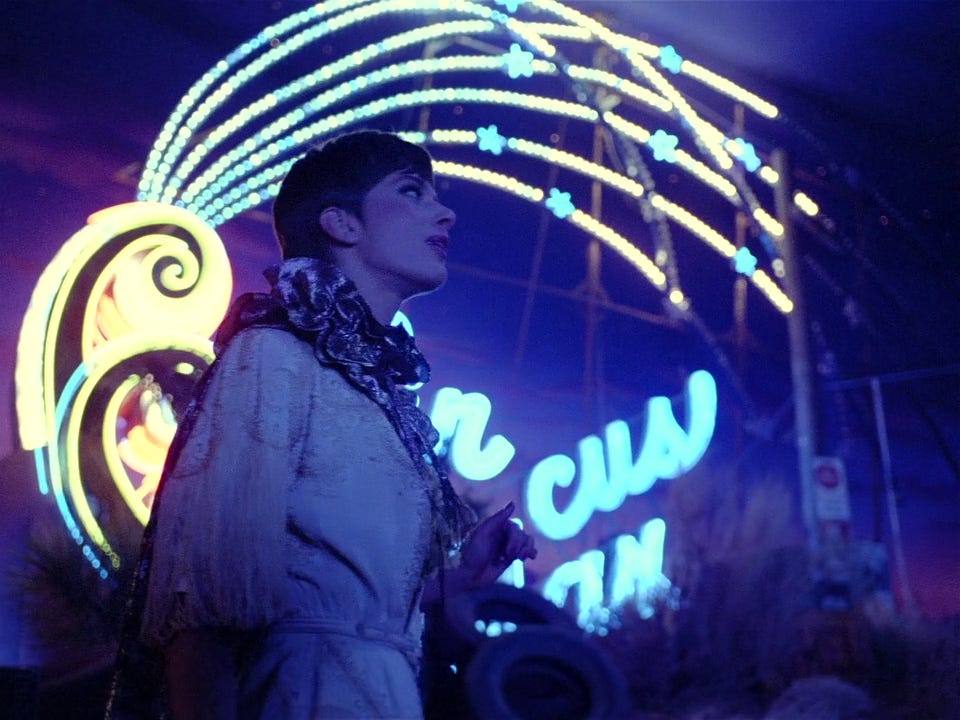
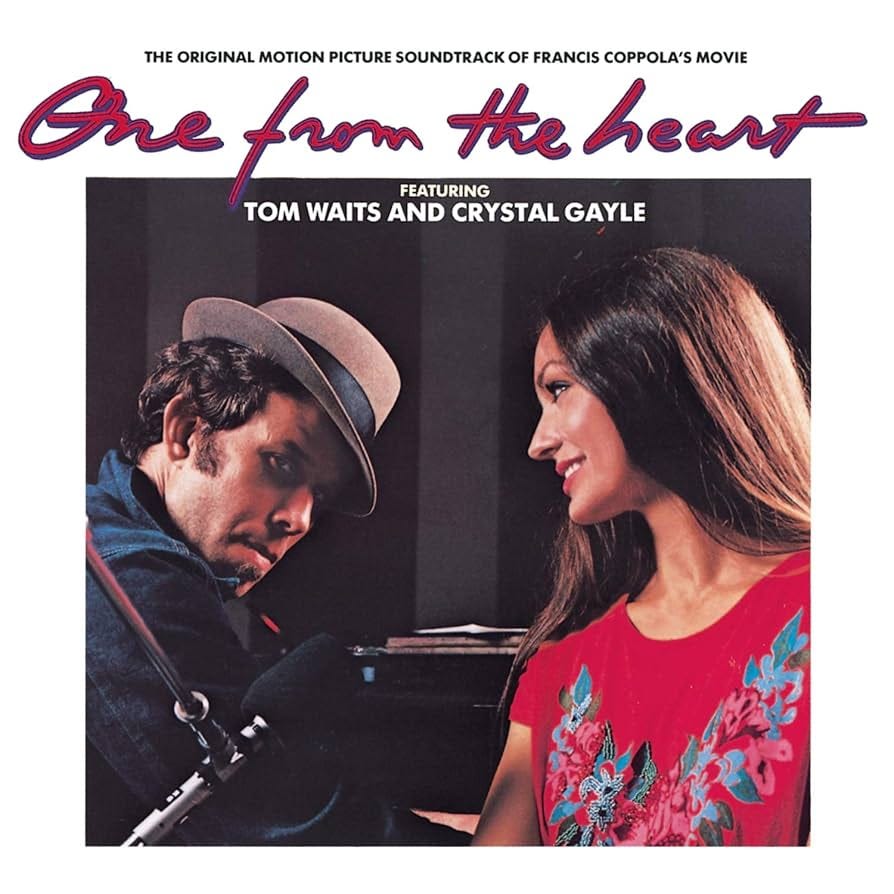
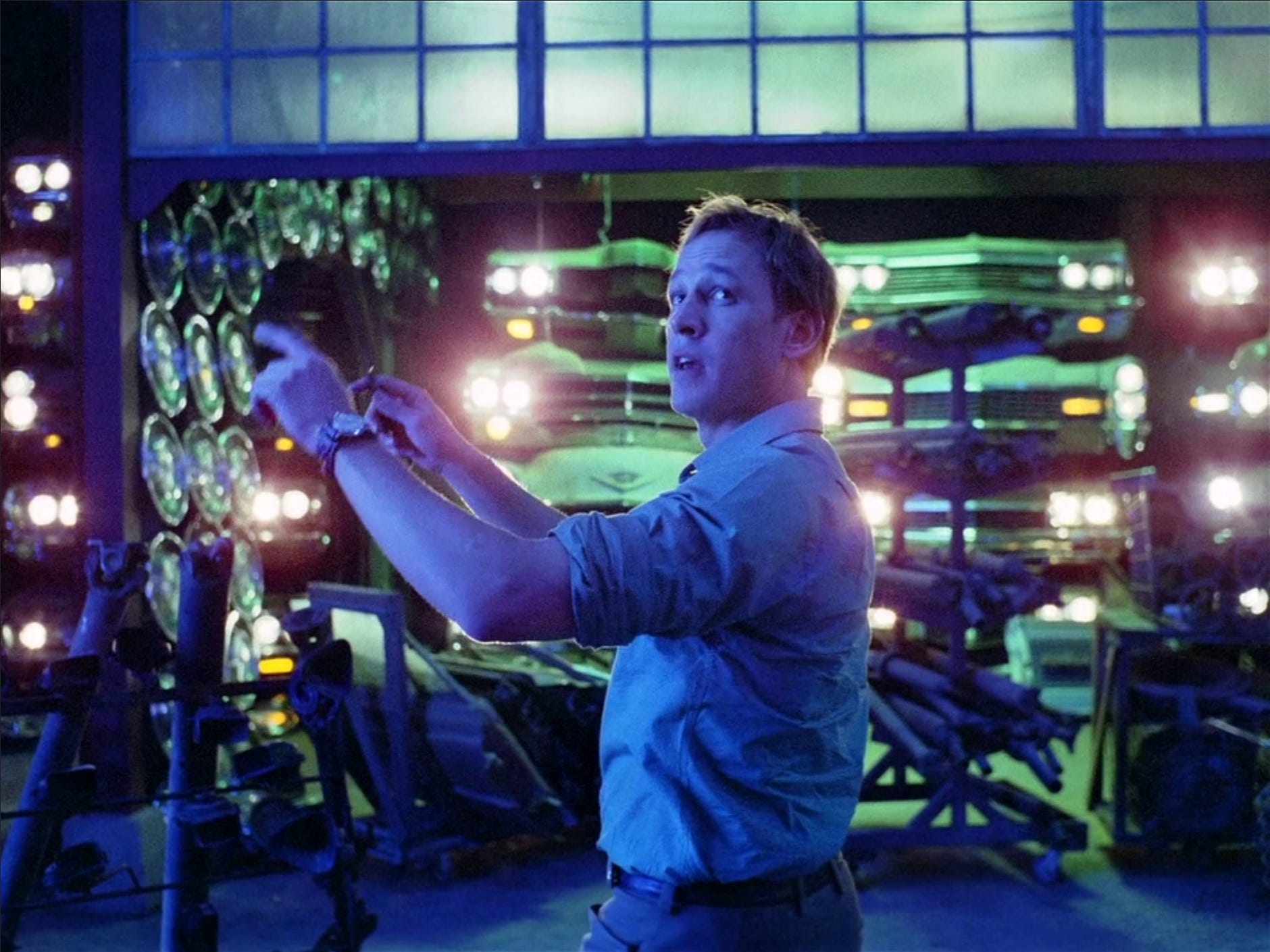
Up until mid-January 1982, Zoetrope’s plan was to deliver One From the Heart to Paramount for a Valentine’s Day release. While not a musical per se – characters break into dance, not song – Coppola wanted music to be a major part of the audience’s experience. He’d discovered Tom Waits in a duet with Bette Midler on the track “I Never Talk To Strangers” from Waits’ 1977 LP Foreign Affairs. The artist fit the $15 million version of One From the Heart like a wrinkled paper bag fit a bottle of Wild Irish Rose, the music conceived as a Las Vegas-styled lounge act – piano, bass, drums – with a muted saxophone and Waits’ growly vocals. Waits spent most of 1981 occupying a two-room office off Santa Monica Blvd. writing. In an interview with Peter Guttridge for the July 1-7, 1983 issue of City Limits, he confided, “Francis was very open to suggestions. For example, there’s a used car lot piece conducted with a dipstick. The main lead owns a wrecking yard for abandoned cars. It’s a perfect set-up because he loves cars – he’s a little mad but that’s why he’s in the business – then he has to sell his Studebaker – breaks his heart. So I came up with this idea for a used car lot piece where the music is conducted with a dipstick. Coppola shot it. I gave him a few other ideas too.” Waits added, “But you know that man is incredible. There’s no distance for him between imagination and execution. It’s devilish. I have an idea, Francis says great, starts working out ways to do it. I’m saying, well it’s, em, only an idea just occurred, Francis, next day he’s set up the machinery and doing it.” Waits wrote twelve songs for One From the Heart without scoring them for a particular scene, describing what Coppola wanted as “a glass of music” he could dip into. With Bette Midler unavailable, Crystal Gayle was commissioned to lend her vocals to the soundtrack.
As the calendar turned to 1982, Coppola was haggling with Paramount over $1.6 million he was owed to complete One From the Heart. In an attempt to force the studio’s hand, the director made a costly bet. Without asking permission, Zoetrope booked Radio City Music Hall in New York City and ran advertisements for two public screenings of One From the Heart, on Friday, January 15. Despite freezing temperatures, the line to get in wrapped around the building. Coppola’s gambit might’ve worked if his movie did. Early word from the New York critics who’d gotten a look at the film was dismal. Writing for the New Yorker, Pauline Kael would state, “This movie isn’t from the heart, or from the head, either; it’s from the lab. It’s all tricked out with dissolves and scrim effects and superimpositions …” Andrew Sarris, renowned film critic for the Village Voice, would add, “With all this technological huffing and puffing, Coppola has thrown out the baby and photographed the bathwater.” Whatever role the negative reviews played in their decision, Paramount announced that the studio would no longer be distributing One From the Heart.
Coppola responded to the report that his studio had been fired by claiming Zoetrope had in fact quit its deal with Paramount. Regardless of who was fired or who quit, the result was that One From the Heart was without distribution. Coppola quickly arranged a public screening on January 20 in Los Angeles, at the Village Theater in Westwood, not far from where Coppola had earned his master’s of fine arts in film at UCLA. Filmgoers eager for a sneak peek at the film waited in line, and the reaction from West Coast critics, like Sheila Benson of the Los Angeles Times, was much kinder. Coppola had also invited executives from four studios – Columbia, Embassy Pictures, Universal Pictures, Warner Bros – with Columbia agreeing to kick in $3 million in completion funds and distribute the film. Considering the high wire act the upstart studio had been performing for twelve months, Zoetrope president Robert Spiotta remained guardedly optimistic. “We will require assurances on how the film will be handled. The movie is too unusual to open in 714 theaters on the same day. That original plan would have changed even if we had stayed with Paramount. We would hope to open the film on St. Valentine’s Day weekend in 50 key markets in theaters that have the 1.33:1 ratio screen for which the movie was intended and to go broad to 700 theaters at Easter.” Speaking to the Los Angeles Times about what could become of Zoetrope if One From the Heart failed at the box office, Coppola was blunt. He stated, “Our studio couldn’t survive it.”
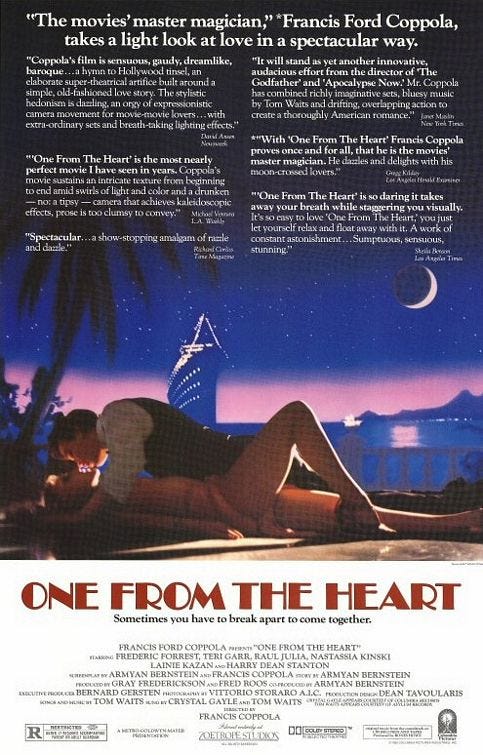
One From the Heart opened February 12, 1982 in 41 theaters in the U.S. Writing off the New York critics, whom Coppola had referred to as “the boring old guard” and compared to the Golden Globes, his film received at best a lukewarm critical reception. Gene Siskel, in the Chicago Tribune, wrote: “This is a pretty film, worth seeing, but it barely touches the heart.” Siskel awarded it 3 stars out of 4. In the Chicago Sun-Times, Roger Ebert was less favorable. “Arriving after two years of sound and fury, after all the news items on the financial pages and alarms and excursions in the movie trade press, Francis Ford Coppola’s One From the Heart is an interesting production but not a good movie.” Ebert stuck the film with 2 stars out of 4. In the pages of LA Weekly, Michael Ventura offered, “Be that as it may, the proof of Coppola’s technical ideas is on the screen, they work, and this delightful toy of a movie has its place in film history because of that.” (It’s worth noting that Siskel and Ventura, who’d interviewed Coppola earlier in the year, were gentler in their appraisal of his film than critics who hadn’t conducted one-on-ones with the maverick director).
Coppola’s new movie entered the market a day after the 1982 Academy Award nominations were announced, and On Golden Pond (1981), up for ten Oscars, expanded its release. The sentimental Henry Fonda-Katharine Hepburn drama crushed everything in theaters, though many other holdovers from the previous year continued to draw ticket buyers: Chariots of Fire, Reds, Raiders of the Lost Ark, Absence of Malice, Taps, Arthur. One From the Heart never came close to cracking the top ten grossing films of the week. Headed into Easter weekend, MGM was adding theaters to Victor/ Victoria (1982), a musical comedy generating positive word of mouth among the sophisticated urban audiences Coppola had needed to win over. The fact that his film had not prompted Columbia to pack up its promotion and advertising. A source at Zoetrope offered a postmortem to Lee Grant of the Los Angeles Times, “The hype was so big that when people walked in they expected a Godfather or Apocalypse Now, something big and gigantic. What they found was a simple little love story that went nowhere. The script just didn’t have enough.” Unable to pay his creditors, Coppola would declare bankruptcy, closing Zoetrope Studios and turning the keys over to Jack Singer, who renamed the facility Hollywood Center Studios and returned it to what it had been before Coppola arrived: soundstages for rent. The director was in Tulsa, Oklahoma shooting his next picture, an adaptation of S.E. Hinton’s young adult novel The Outsiders (1983) while his studio was being dismantled. Coppola would direct eight feature films over the next ten years, not including his segment of New York Stories (1989) which he co-wrote with his daughter Sofia. Coppola spent the rest of his forties working to repay debts he’d run up over two years of his early forties, and once he did, for all practical purposes, Francis Coppola segued into semi-retirement as a writer/ director/ producer of movies.
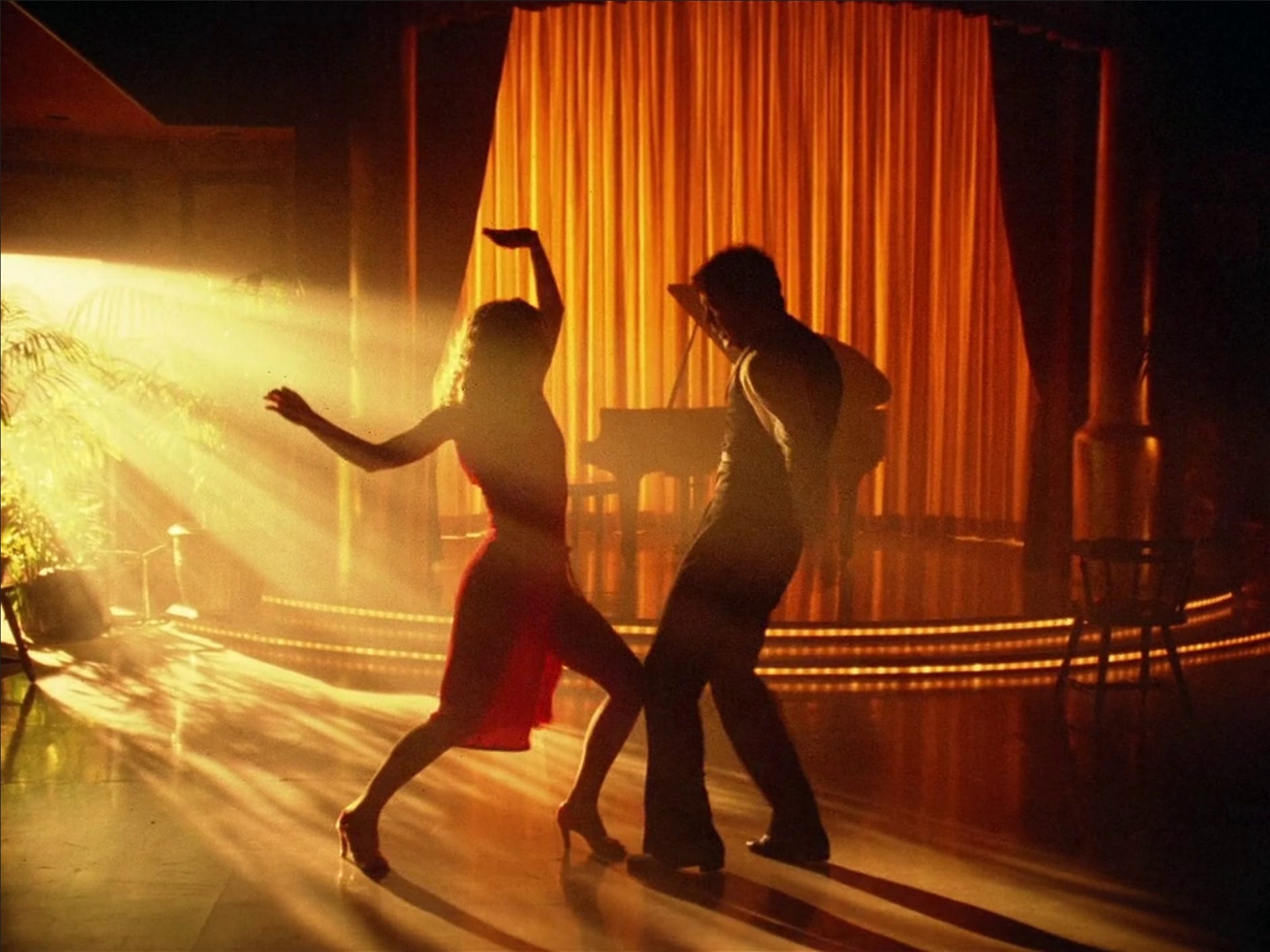
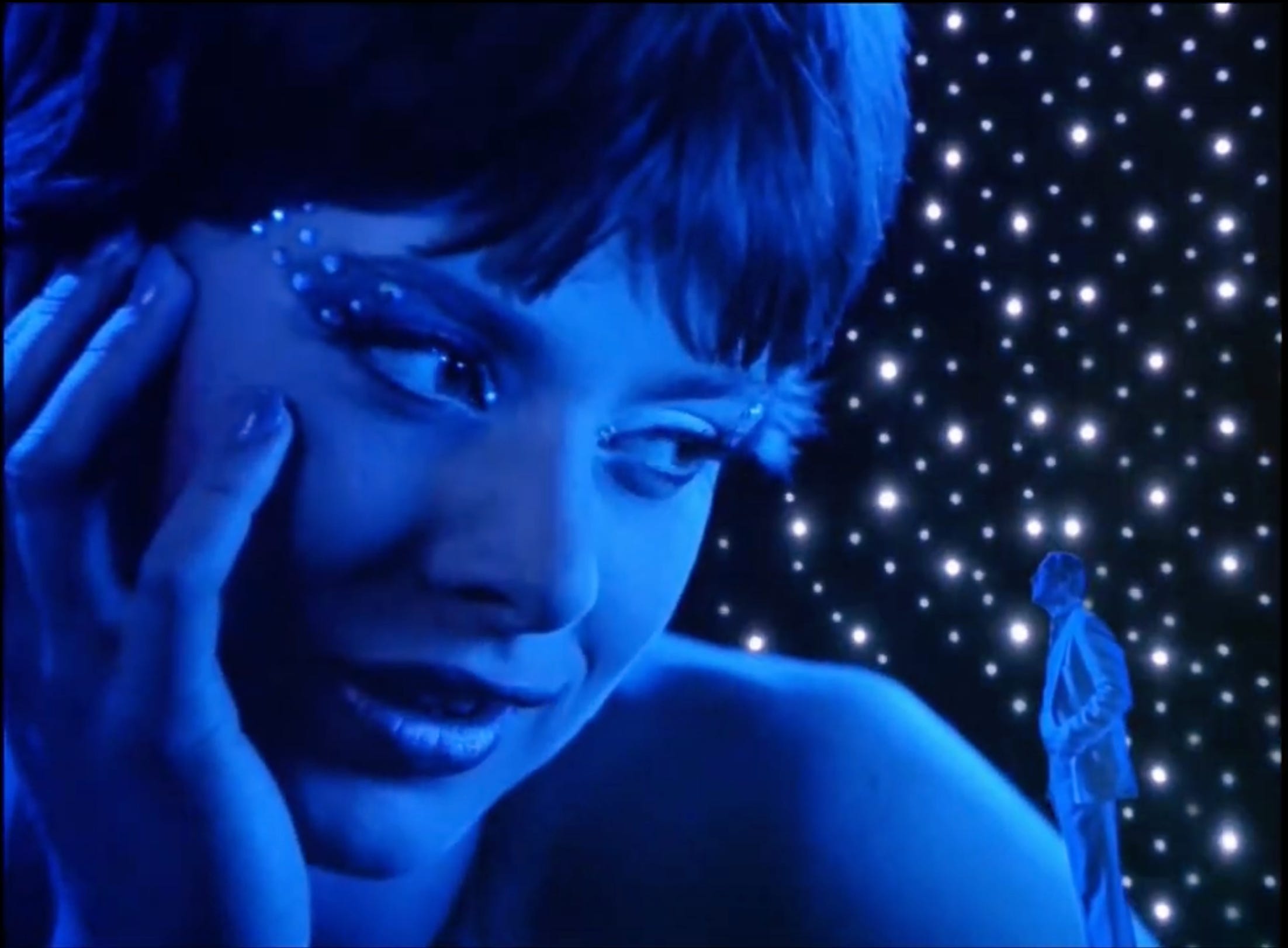
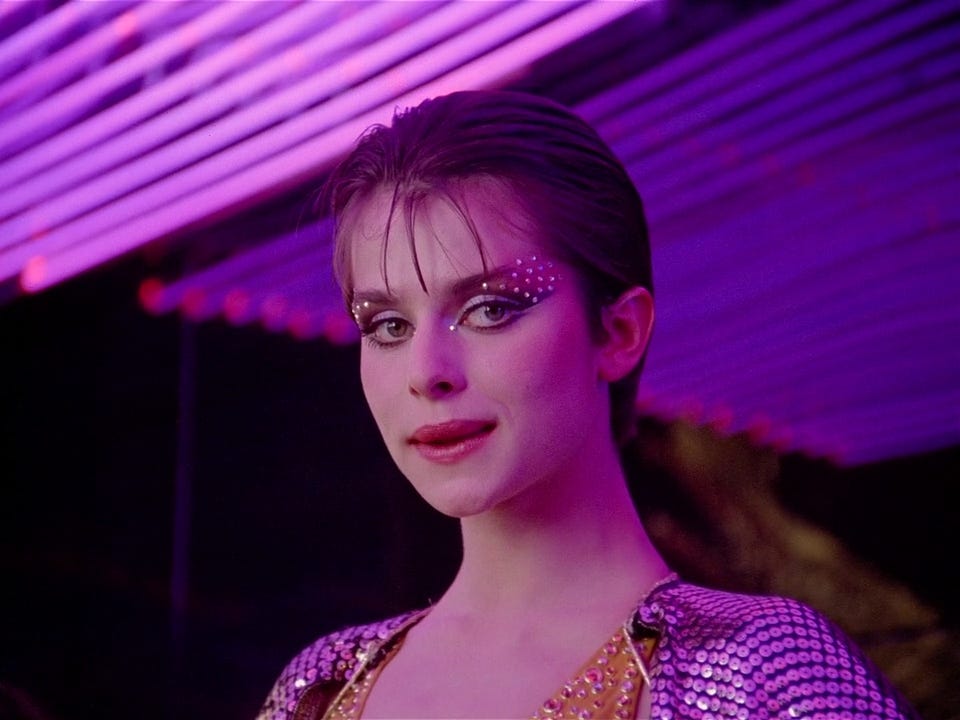
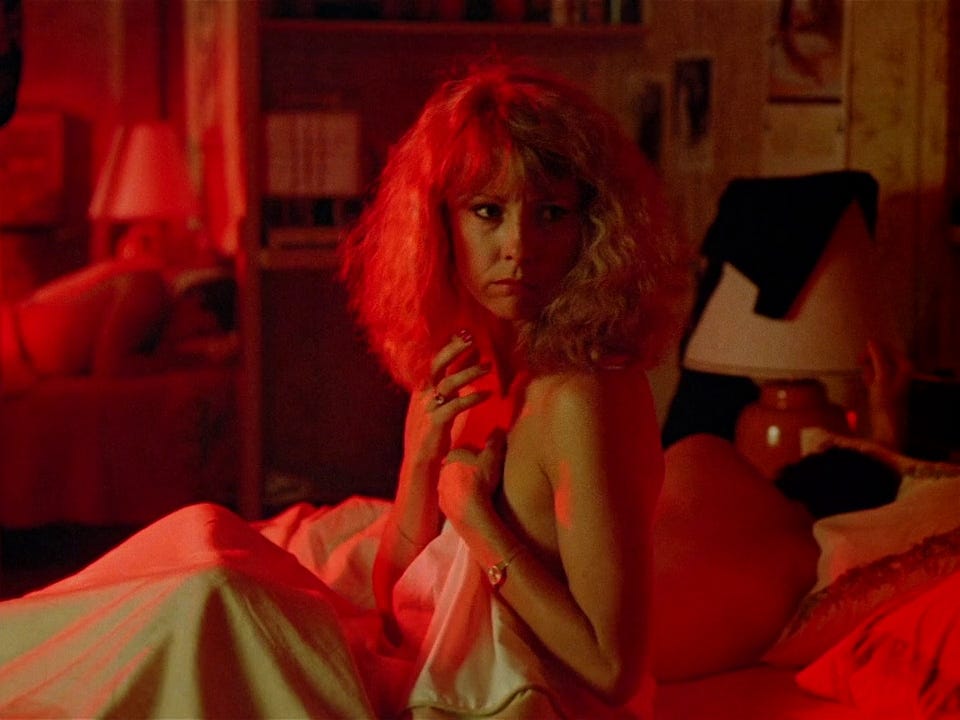
One From the Heart is enthralling to the degree Coppola imagined the film industry would evolve and – with real estate and generous bank credit from The Godfather films – how he could help seed that evolution. Considering how music video and the videocassette market were on the eve of transforming the entertainment industry, he was on the right track, and his musical fantasy certainly looks and feels like something new. Coppola continued to marry production techniques from film and theater, and as in most of his work, the performances here are stellar. Frederic Forrest, playing the type of working class lug Fred Ward would make his own in the eighties, is both sensitive and volatile. Teri Garr is cast against type for once as a dreamer, rather than the shrew standing in the way of the man’s dream. Her character is allowed a sex life and even has some fun for a change, showing what a gifted comedian Garr was. Natassja Kinski (billed as Nastassia Kinski) mesmerizes as a French acrobat, as does Raul Julia as Garr’s weekend lover, both actors using dance and exotic allure to attract their new partners. Harry Dean Stanton (sporting a brown perm) is as natural as ever playing a ladies man.
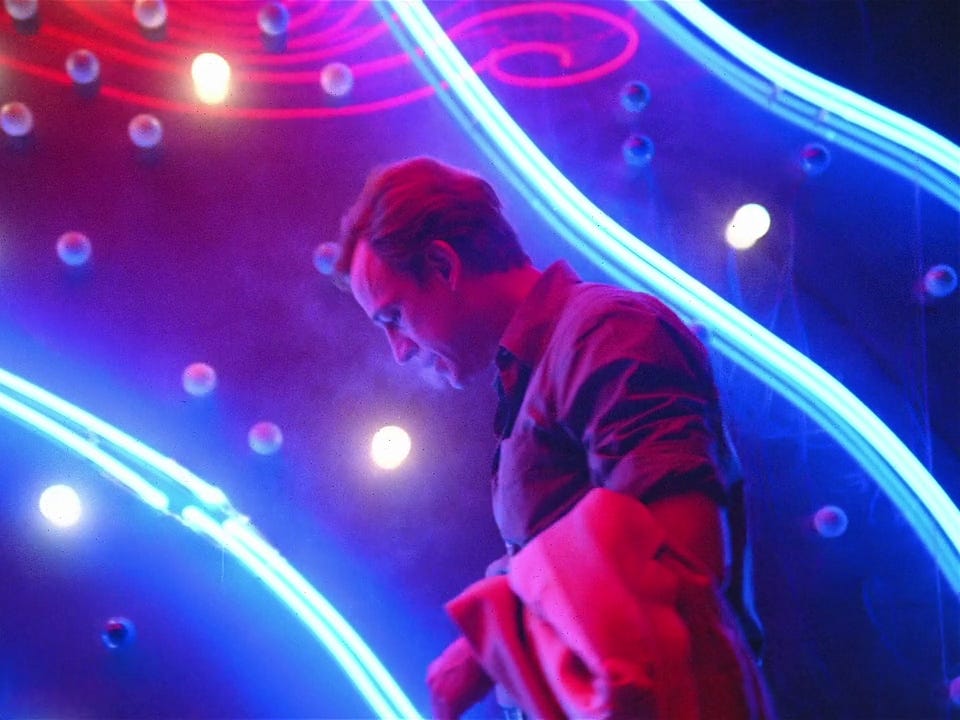
Coppola’s vision requires a lot of unwrapping to get down to a gift that barely justifies such a ceremony. We’re given no reason to care about these characters. Their relationship woes are recognizable, but too many artificial barriers are erected between them and us for those concerns to matter. The emotional impact the movie is missing might have been generated if it were a musical, with Tom Waits and Better Midler as the lovers, expressing their angst through song. Waits’ compositions are wonderful accompaniment, but there’s not enough of his music if you’re a fan and far too much if you’re not. Coppola’s script is a house of cards that keeps piling more and more stuff on top of the flimsiest pretext. It takes more than one viewing – ideally in a theater, where sight and sound overwhelm the viewer and modern distractions can’t compete for our attention – for the film’s stagecraft to really work its charm. The models and most of the stages deliberately look like models and stages, but the Fremont Avenue sequences featuring dance on the streets or movement on sidewalks look as slick as any that could’ve been shot in Las Vegas, whose downtown is marked by neon artifice and lack of a horizon. Coppola, who in his hiatus from directing, recut Apocalypse Now, The Godfather Part III (1990) and The Cotton Club (1984), also revisited One From the Heart, first in 2003 for the film’s DVD release, trimming the 103-minute theatrical version to 99 minutes. Restoring the film to 4K resolution for a 2024 theatrical re-release, Coppola continued to whittle Forrest & Garr’s and Stanton’s dialogue to bring the running time down to 93 minutes, a good length for what is essentially an intricate model electric train set with Tom Waits music.
Video rental category: Musical Drama
Special interest: Candy Cinema