
Standup comic/ actor/ writer/ director Woody Allen was born on November 30, 1935 in the Bronx, NY. To celebrate his 90th birthday this month, Video Days returns to Allen’s third decade of work with ten films from the master filmmaker.
NEW YORK STORIES (1989) is an anthology film released nearly to the day between Twilight Zone: The Movie (1983) and Four Rooms (1995) and it’s the only one that doesn’t have the scar tissue of disaster on it. While the separation between the gold, silver and bronze medalists is greater than some might anticipate, it is a terrific film-school-in-a-box, with three master directors (financing made possible by Disney’s Touchstone Pictures) turning in assignments on a shared theme: life in the city they were born and raised. One segment rises to the top among the best work its director has ever done.
The genesis for a portmanteau film came from Woody Allen, who remarked to his producer Robert Greenhut that he had ideas gathering dust because they couldn’t support a feature-length film. Allen imagined other directors might have a similar dilemma. Leaving no doubt that Allen’s short film would take place in New York, the decision was made to invite two other filmmakers from the five boroughs and use the city as a unifying backdrop. Greenhut served as producer for the overall film, while the other directors–Francis Coppola and Martin Scorsese–were permitted to work with their producers on their films, for which the filmmakers would exercise final cut. It took a year for Coppola and Scorsese, finishing Tucker: The Man and His Dream (1988) and The Last Temptation of Christ (1988), respectively, to become available, while Allen tackled his segment after wrapping Another Woman (1988). In addition to sharing a city, each segment included an appearance by New York actor Paul Herman. Most recognizable today as the hoodlum turned pizzeria owner Beansie on the HBO series The Sopranos, by 1988, Herman had worked for Allen in The Purple Rose of Cairo (1985) and Radio Days (1987), Coppola on The Cotton Club (1984), and Scorsese in The Color of Money (1986). Functioning like Waldo does in the children’s picture books, Herman pops up as a private detective, a doorman and a police officer in the three segments of New York Stories.
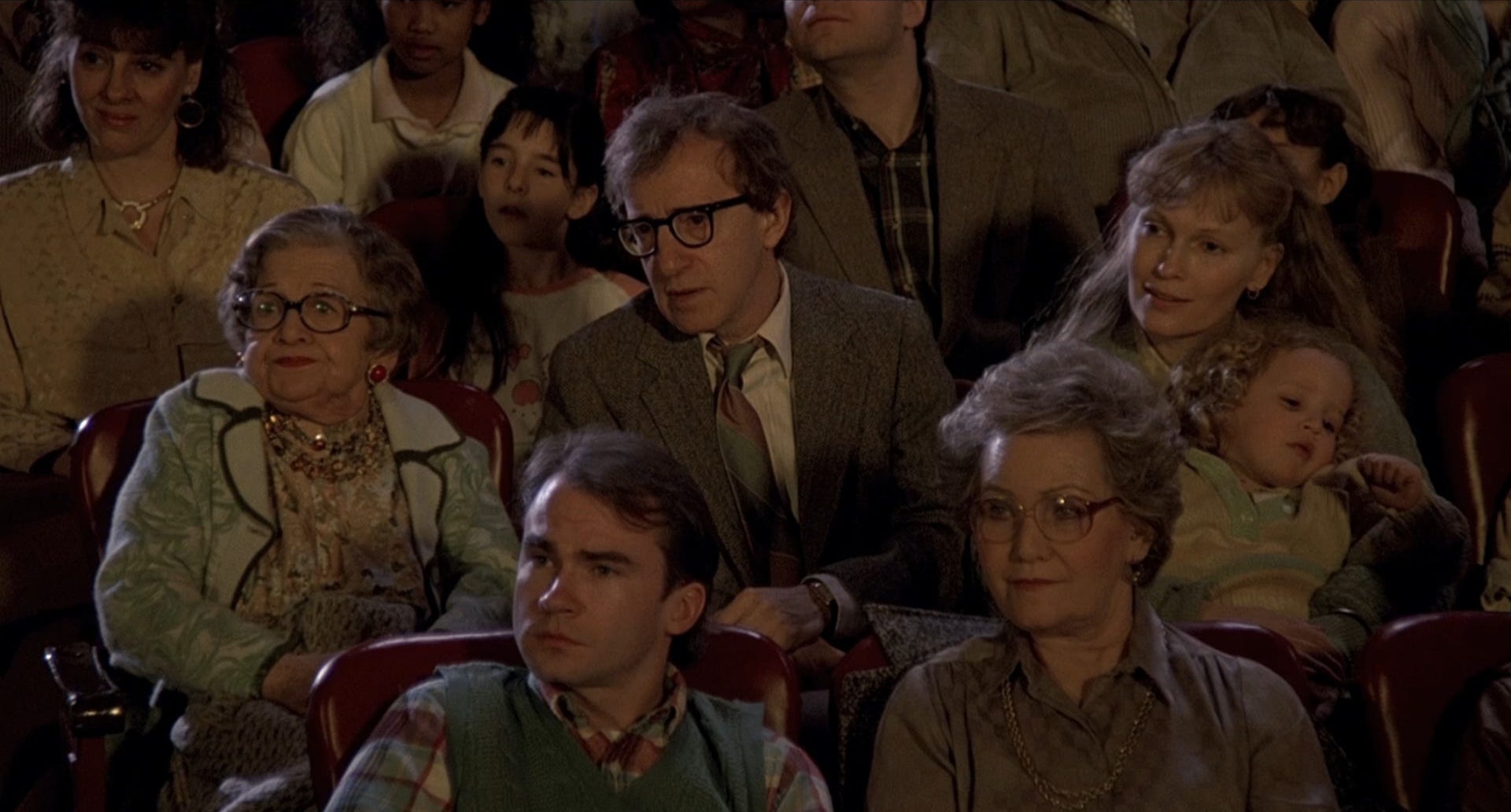
Woody Allen shot his segment first, in April 1988, in the Central Park West neighborhood where his partner Mia Farrow lived. Allen stars as Sheldon, a 50-year-old trying to win the approval of his mother (Mae Questel, the voice of cartoon land’s Betty Boop and Olive Oyl). Ma is beyond satisfying, particularly when it comes to her son’s relationship with a single mother named Lisa, played by Mia Farrow (making her film debut as Lisa’s daughter is a five-year-old Kirsten Dunst). Attending a magic show, a strange accident solves Sheldon’ problems before creating a much larger one. Titled Oedipus Wrecks, Allen’s segment, which he wrote and directed and runs 39 minutes without credits, is consistently amusing, with three moments that are laugh-out-loud funny. While Farrow is given nothing special to do, Julie Kavner (the voice of Marge Simpson) is delightful as a spiritualist Allen’s character hires following the magic show accident. There’s no middle section, just a setup and punchline, but as a sum of its laughs, casting (Larry David appears as a theater manager), the segment, which plays third and last, is very entertaining. Gene Siskel and Roger Ebert–who reviewed all three segments of New York Stories as individual films–split on Oedipus Wrecks, Siskel turning thumbs up and Ebert thumbs down.
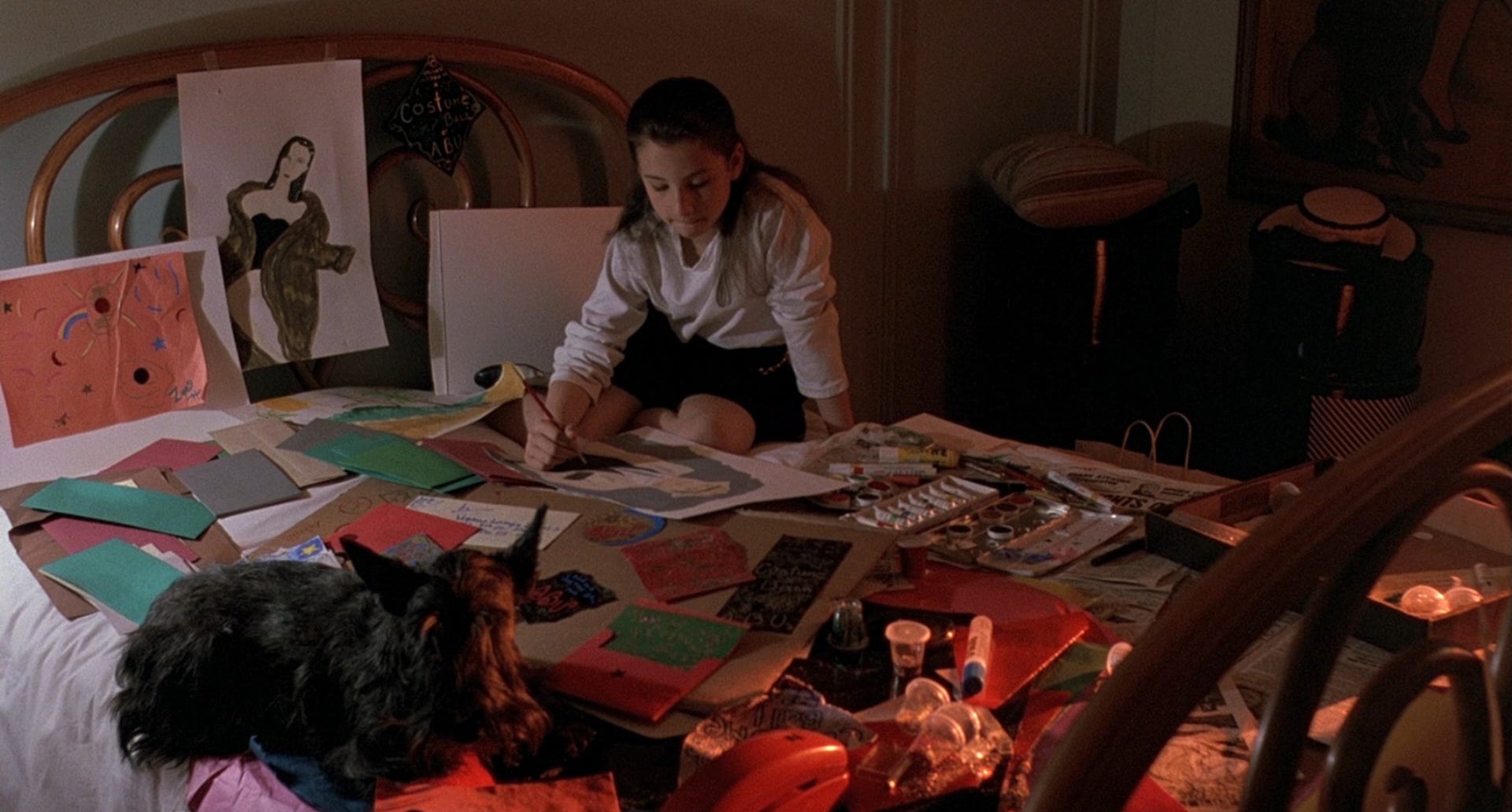
Next to go before cameras (in June 1988) was Francis Coppola’s middle segment. Titled Life Without Zoe, the process it was made is far more interesting than what made it on screen. Written by Coppola and his then-sixteen-year-old daughter Sofia Coppola, the film was based on Sofia’s memories living at the Sherry-Netherland Hotel on Fifth Avenue, where her father had moved the family while he was in New York filming The Cotton Club in 1983 and still owned a piece of, Suite 905. It was a life of doormen and room service and taxi cabs. In 1987, father and daughter checked into a room at Caesars Palace in Las Vegas, ordered champagne and caviar and wrote a script together. Their film, which runs 34 minutes and features Heather McComb as a twelve–year-old living at the Sherry-Netherland, is at best a children’s book with a pulse, with dazzling lighting by cinematographer Vittorio Storaro, who lit Apocalypse Now (1979). Sofia Coppola designed the main titles and some of the children’s costumes, and that’s the level the segment operates at: amateur children’s theater performed in an apartment. Forgoing a tangible story, tedium sets in. Don Novello appears as the family butler, who would’ve made a much more interesting subject as a blue collar surrogate father to Zoe. Siskel & Ebert agreed it was the weakest segment of the film, turning two thumbs down.
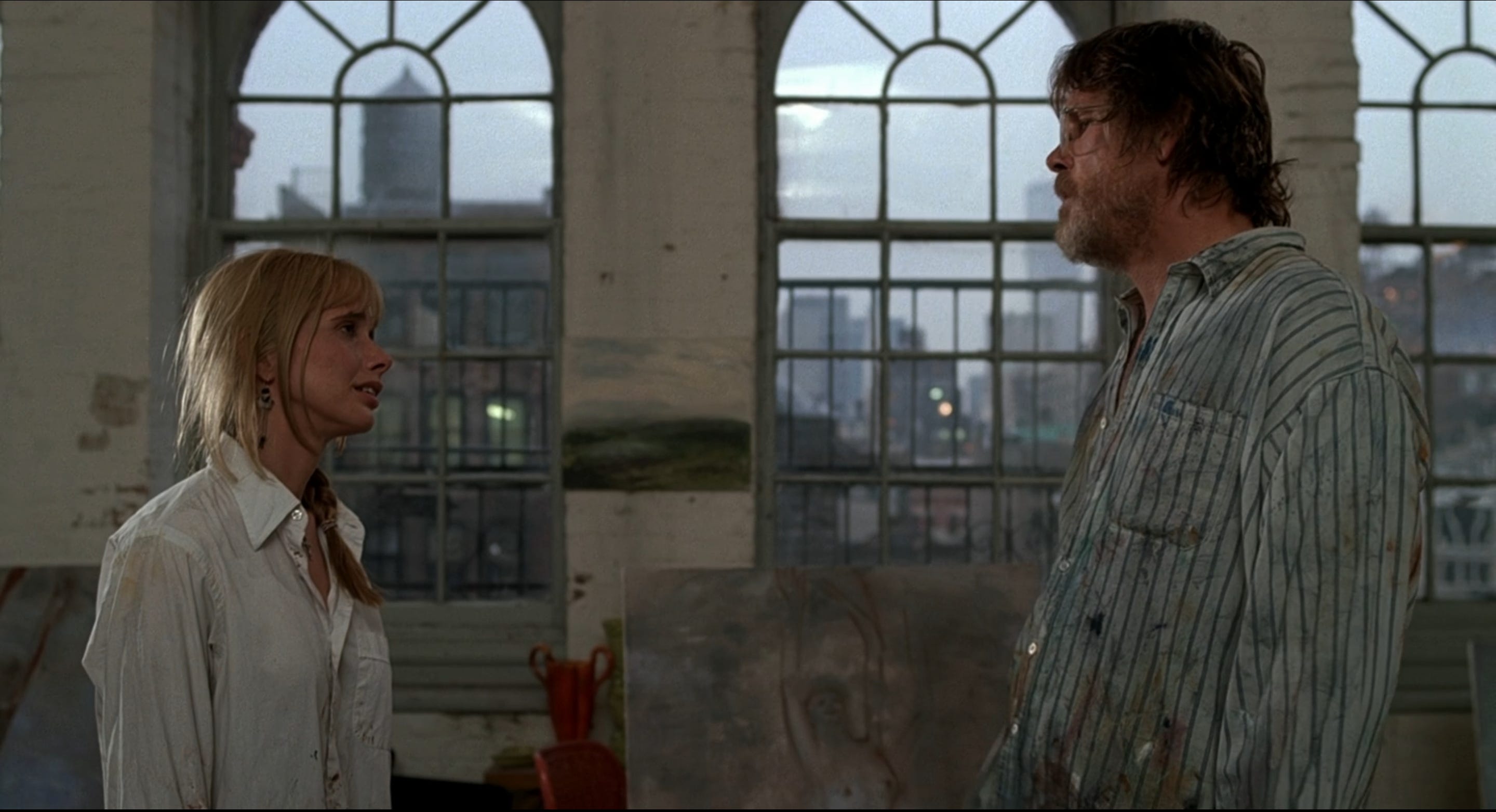
Last to lens would be the first segment of the picture. Martin Scorsese shot his contribution, titled Life Lessons, in August 1988, while the Christian fundamentalist protest over The Last Temptation of Christ was playing out on the nightly news. Woody Allen’s project fulfilled a desire Scorsese had harbored for twenty years to adapt Fyodor Dostoevsky’s novel The Gambler to screen. The filmmaker drew from diaries in which Dostoevsky’s protégé Apollinaria Suslova documented a holiday in Paris, where she confided to the author that she’d coveted another man, a student, who left her. Unable to leave her, Dostoevsky suggested that the two could remain friends. This conflicted with the author’s obsessive nature, which poisoned any friendship with his ex-lover. Scorsese commissioned novelist and The Color of Money screenwriter Richard Price to adapt a script, changing Russian writers to American painters, with the New York art scene serving as a backdrop. Nick Nolte, Rosanna Arquette and Steve Buscemi played the love triangle, with Buscemi writing the monologue his performance artist stages. The building which Nolte’s character Lionel Dobie owns and uses as his studio was filmed in the East Village, around the corner from where Scorsese grew up, in Little Italy.
Life Lessons absolutely feels like Scorsese had been stirring over the material for years and knew exactly what he wanted to say about love, suffering and art. It is a dazzling film in every capacity: from Price’s often colorful dialogue, the vivid camerawork by Nestor Almendros, propulsive editing by Thelma Schoonmaker, the soundtrack (leaning heavily on “A Whiter Shade of Pale” by Procol Harum, which Nolte’s character blasts on cassette tape while painting) and most of all, Scorsese’s direction of Nolte and Arquette. Their relationship is a compelling dramatization of every young woman who sleeps with her successful employer, rewarded with financial assistance and the opportunity for “life lessons.” In return, he expects her to feed his ego. She needed him, but no longer wants him, while he confuses love with usury. Every frame is compelling, from silent era iris effects which open and close the film, to deep focus shots, and rambunctious camerawork. Those new to Scorsese’s work and perhaps apprehensive of screen violence could do no better than starting their journey through his filmography with this 45-minute short, which is breathtaking. Siskel & Ebert gave Life Lessons two thumbs up.
Video rental category: Drama
Special interest: Candy Cinema