
Legend: Part 1 of 2
No Faerie Tale, Cowboy Writer, A Night at the Opera, Into the Forest

In recognition of one of nature’s most dazzling spells–unveiling hours more light a day–Video Days celebrates March with five sword and sorcery films from another time.
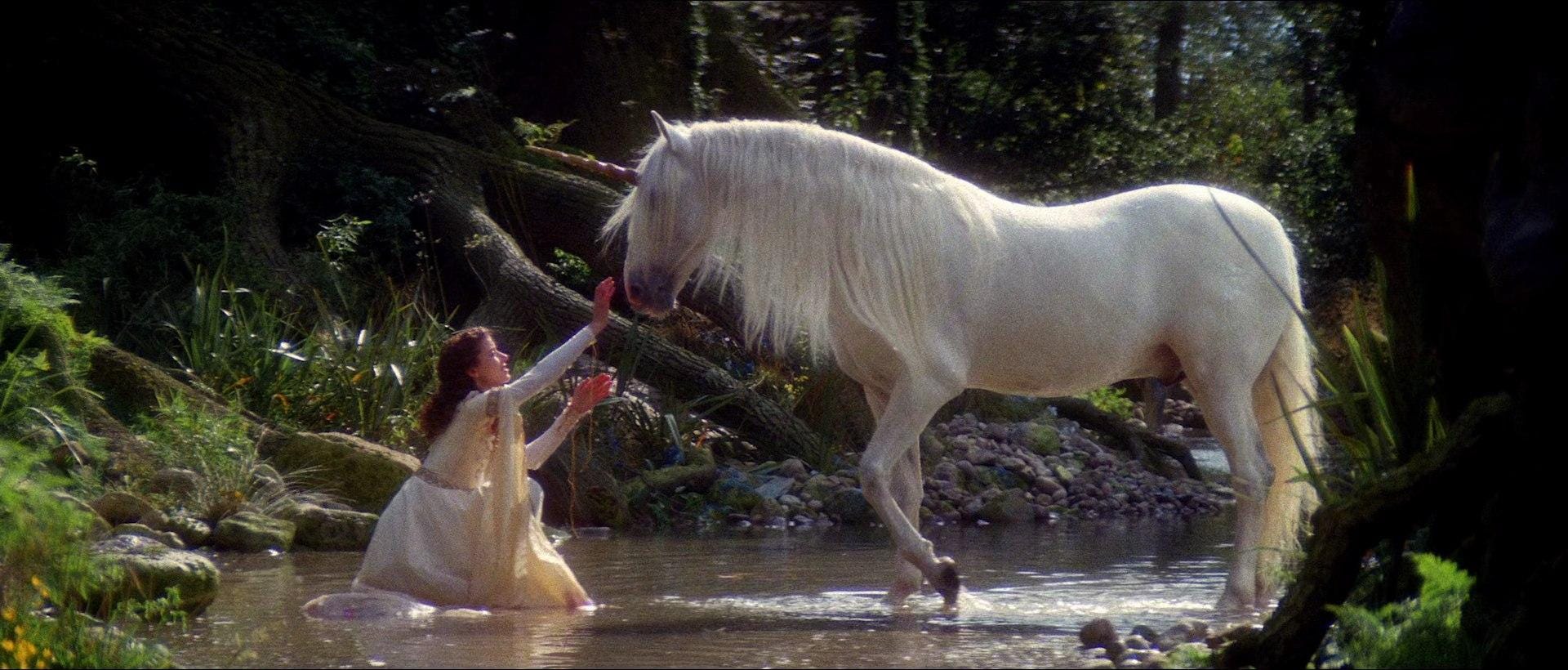
LEGEND (1985) leaves no doubt we’re watching something, faint praise for a motion picture with the ambitions and resources of this one. Its art and makeup departments granted generous budgets to design a traditional faerie tale with modern tools, it is dazzling to look at. The director’s cut addresses many, if not all, of the narrative problems plaguing an abridged theatrical version, but the movie’s artistic and commercial sensibilities are arm wrestling each other the entire time. After much grunting and sweat, each wears the other out.
Director Ridley Scott prepared his ascension from commercials to feature films by working on at least three scripts in the 1970s. In an interview with François Guérif and Alain Garel published in 1985, the director revealed that one project had been contemporary, another a black comedy, and another a faerie tale, the latter inspired by Scott’s reading of The Once and Future King by T.H. White and his love of Jean Cocteau’s film adaptation of Beauty and the Beast (1946). Scott was planning to shoot his fantasy film in Yugoslavia until financing evaporated. This led him to The Duellists, which starred Keith Carradine and Harvey Keitel as French soldiers beefing for fifteen years during the Napoleonic Wars. A modest success, Scott followed it with a massive one: Alien (1979). The blockbuster did come at the cost of another project the director had toiled on. In an interview by Alan Jones published in Cinemafantastique magazine in January 1986, Scott began, “One of the reasons I wanted to make Legend was because of my aborted project Tristan and Isodole. After The Duellists I couldn’t see the point of spending another year of my life on what would essentially be another art movie that only a limited audience would see. For me it just wasn’t enough–not in monetary terms but artistic ones. So I dropped the idea and did Alien instead. I was right to do that in retrospect.”
Scott continued, “Then I prepared Dune for a year. All I saw with that project was another two-and-a-half years stretching in front of me before I ever got behind the cameras. Filmmaking is actually going out and doing it and not spending three years in preproduction. But I always wanted to return to the mythological or faerie tale idea as I’m one of those people who find the real world of no particular interest.” Given his name, novelist/ screenwriter William Hjortsberg could be mistaken for Scandinavian or possibly German, but he was born in New York. Hjortsberg briefly attended Yale Drama School, from 1962-1963, long enough to realize he was more partial to playwriting than set design. It was at Yale that Hjortsberg met novelist Thomas McGuane, whose friendship would help him publish his debut novel Alp, in 1969. Hjortsberg was so drawn to McGuane’s orbit that he followed the author to Livingston, Montana, country that would cast its spell on a number of actors or writers who bought property or worked there full-time. Hjortsberg published several novels–Gray Matters in 1971, Symbiography in 1973, Falling Angel in 1978–using them as calling cards to get work writing freelance magazine articles (mostly for Sports Illustrated) and screenplays.
Hjortsberg was employed by Roger Corman to adapt one of the producer’s ideas for a routine “hot pursuit” movie, which starred David Carradine and Kate Jackson and was released as Thunder and Lightning (1977). His fiction was building him a serious reputation for history, mystery and the occult, and his novel Falling Angel, with its potent mix of noir and the supernatural, would begin to attract the attention of filmmakers. In the fall of 1980, Ridley Scott invited William Hjortsberg to Los Angeles, where the director was in pre-production on Blade Runner (1982). Meeting for drinks at the Beverly Hills Hotel, Scott asked Hjortsberg if he’d be interested in scripting a live action faerie story for him. It turned out that the screenwriter had been scribbling “brief tales and fables” for his own amusement without anticipation anything would come of them. To demonstrate for Hjortsberg what he meant by a faerie story, Scott moved their meeting to the screening room of the hotel to project a 16mm print he owned of Beauty and the Beast.
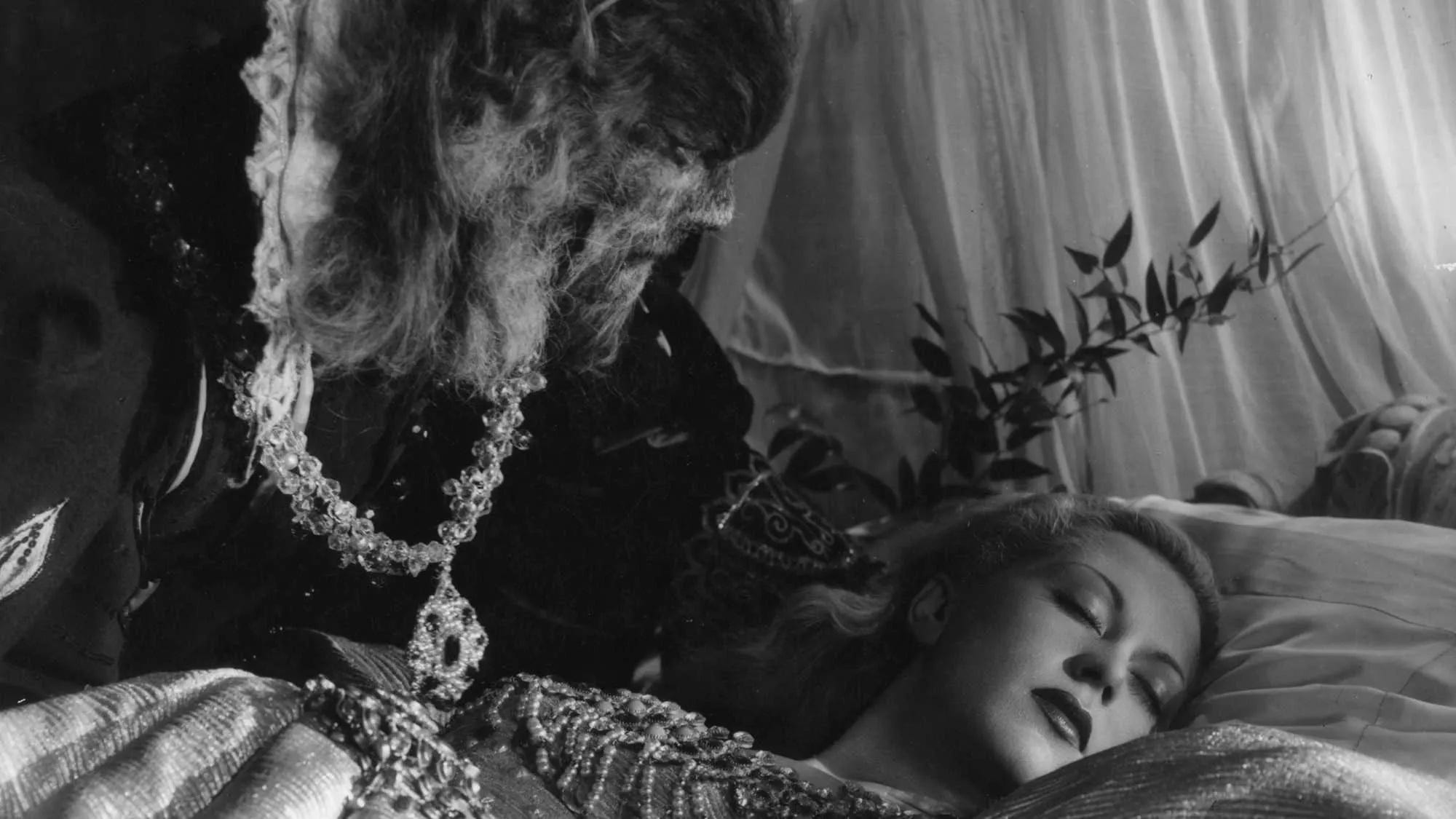
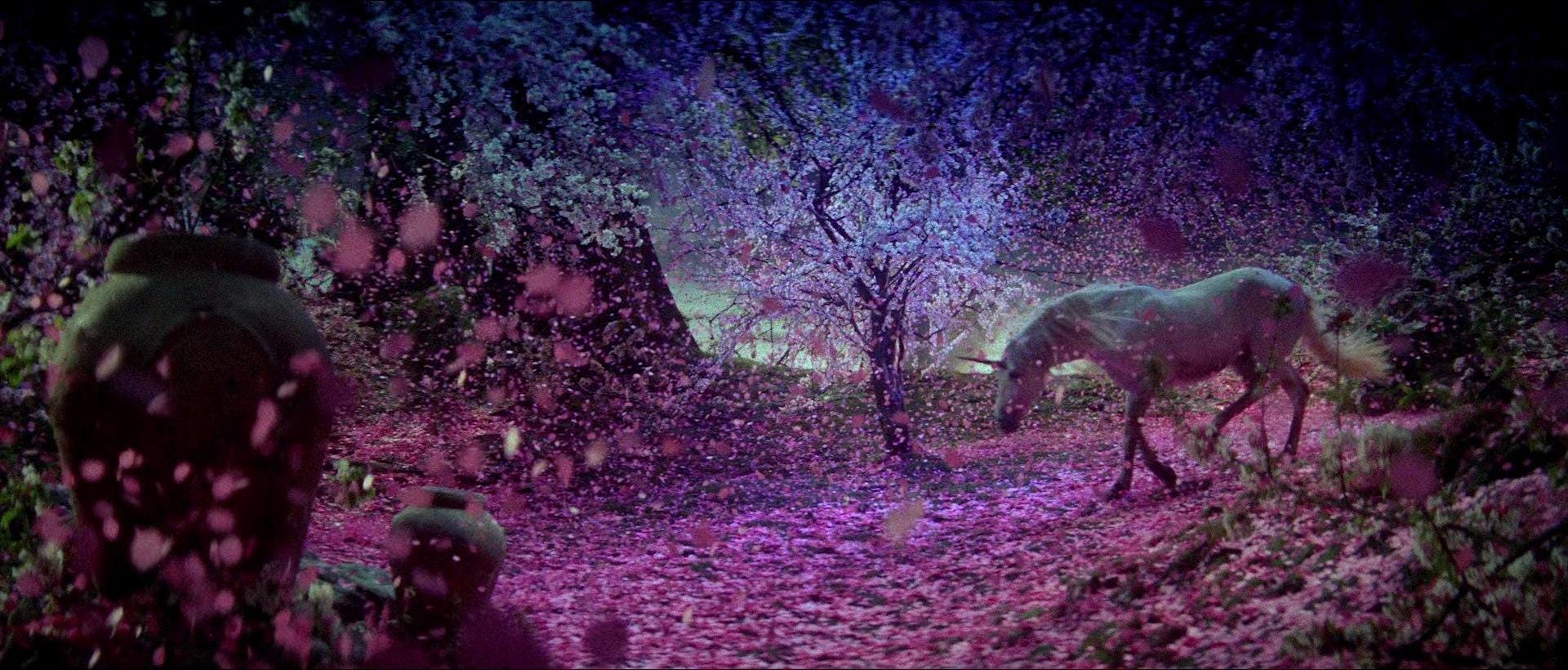
In his introduction to the published version of the Legend screenplay in 2002, Hjortsberg wrote, “The prospect of writing an epic faerie tale held great appeal. My brief fictional efforts in that vein had largely been ironic in tone, modernist takes on the genre. I wanted to play it straight this time and hopefully create a classic, a story with elements which would echo eternally in the public imagination, like glass slippers and magic beans, pumpkins that turned into golden coaches and cannibalistic witches living in gingerbread houses. Great faerie tales live forever. This is as close to immortality as any writer might imagine.” Hjortsberg returned to Los Angeles to meet with Ridley Scott in the kitchen of the director’s rental house, in the a.m. before Scott was due at work. They didn’t start with much, and spent a week batting around ideas. As the director elaborated to Cinemafantastique, “To begin with, I only had the vague notion of something in pursuit of the swiftest steed alive, which, of course, was a unicorn. One aspect I was very definite about was that I wanted the outside world shown as economically as possible. To that end we settled on the solitary clockmaker’s cottage. Originally the quests were more prolonged and involved the classic earning process, but all these had to be substantially reduced. I was nervous about getting too complex in filmic terms. Every quest story tends to have side quests that depart from the main thrust of the story in order to get a weapon or a super power. I wanted to give Legend a more contemporary movement, rather than get bogged down in too classical a format.”
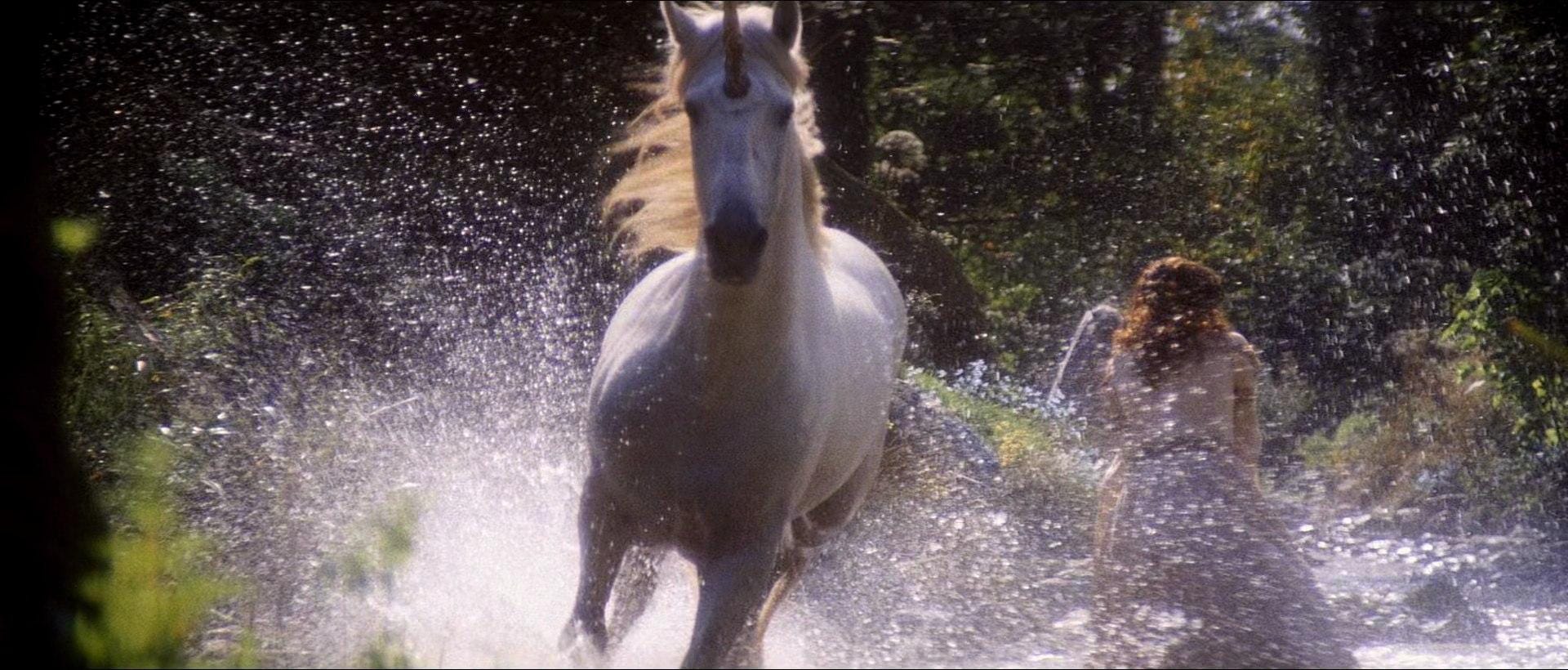
In their kitchen conferences, Hjortsberg proposed that a commoner, perhaps a miller, would be infatuated with a princess, whose curiosity has drawn her out of the safety of her castle to flirt with him. In a playful mood, the princess slips off a ring and chucks it into a pond, proclaiming that whoever retrieves the ring will have her hand in marriage. The boy dives in after the totem but when he emerges, darkness has taken over the land and swept the princess away. Scott loved it and told Hjortsberg to get back to Montana to start writing. Living in a cheap rented apartment with a view of the Absaroka Mountains, Hjortsberg relied on Faeries, the illustrated compendium of folklore by artists Brian Froud and Alan Lee, as a reference, copying their witch Jenny Greenteeth and goblin Jimmy Squarefoot and even referring to them as such in his first draft. Five months later, Hjortsberg had completed a 145-page draft, titled Legend of Darkness. Scott loved it, believing he’d found the right balance between American romanticism and European stoicism.
Arnon Milchan, an Israeli entrepreneur who’d gotten his start with a small agricultural chemical company he’d inherited from his father, had been appointed Israel’s sales agent to a variety of companies, including Bell Helicopter, Magnavox and Raytheon. What Milchan really wanted to do was produce movies. He recalled Ridley Scott approaching him with two projects. One was a musical about a spaceship that crashes in Jerusalem. The other was Legend of Darkness. The producer much preferred the latter and got to work setting up major studio financing and distribution. Those who recall Hjortsberg’s first draft described it being wondrous–the unicorns conjuring a trail of posies wherever they step, Darkness being a griffin–and expensive. Given Scott’s love of Walt Disney animation, which in films like Snow White and the Seven Dwarfs (1937), Pinocchio (1940) and Fantasia (1940) trended toward the dark and operatic, Walt Disney Pictures was their first stop. Scott explained to Cinemafantastique, “When we were trying to sell the project it was very dark in tone. I tend to lean in that direction, anyway. The fear of distributors at that time was extraordinary. When we submitted it to Disney, I tried to reassure them that my intention was not to go too far in that direction, but they couldn’t seem to understand such a change of pace, considering my previous work.”
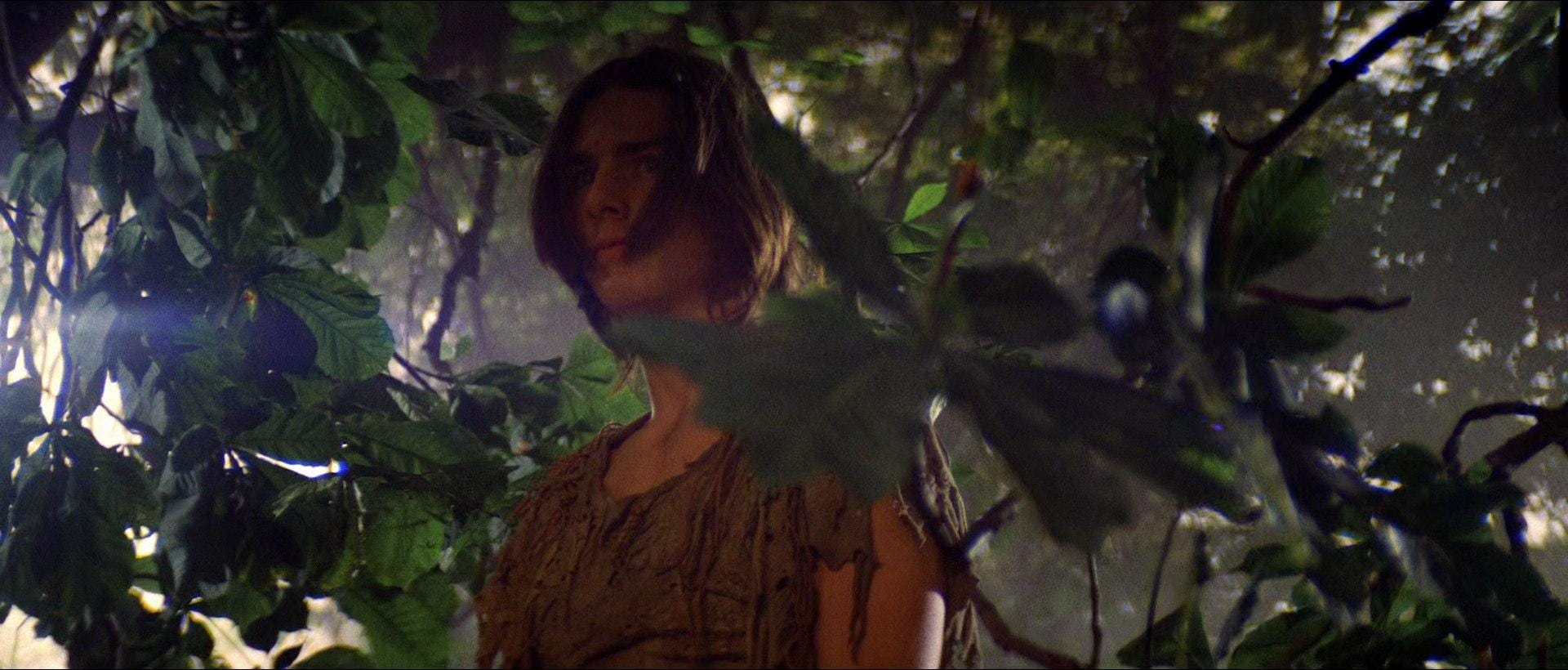
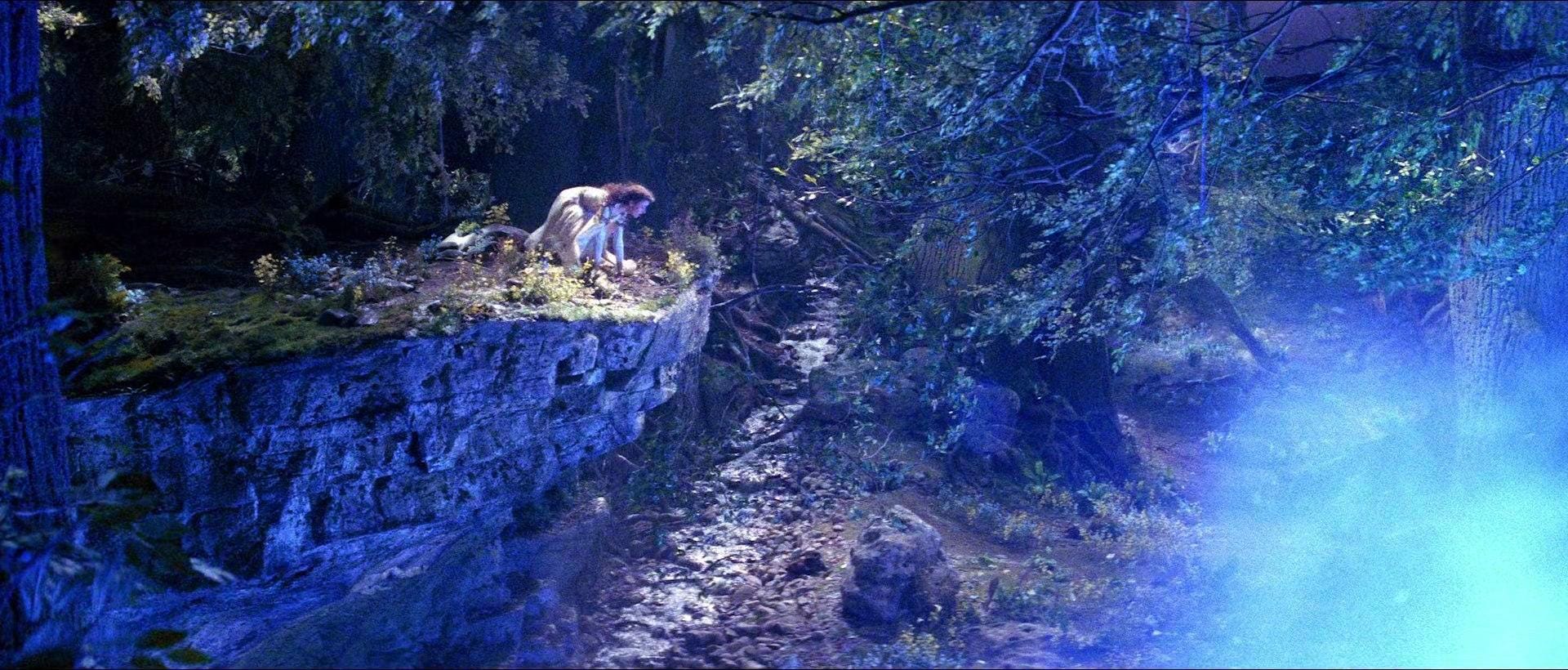
At that time, Disney wasn’t interested in a live-action reimagining of their animated classics. Universal Pictures and Twentieth Century Fox agreed to co-finance what was now titled Legend, Universal retaining distribution rights in the U.S. and Canada, Fox distributing the picture overseas. A production budget was dialed in at $24.5 million. Scott had wanted to work with Assheton Gorton–the art director of Blow Up (1966) — on Alien and Blade Runner, and finally landed him for Legend. Needing a forest fit for a storybook, they considered filming at Yosemite National Park in central California, but the practicality of rigging sufficient light or working with prosthetic makeup outdoors drove the show indoors, to Pinewood Studios in England, where the filmmakers fabricated their forest on the 007 Stage, erected to shoot the submarine base for the James Bond extravaganza The Spy Who Loved Me (1977). To build the dells, hills and valleys necessary for a dramatic-looking forest, some 20,000 tons of soil were imported. In audio commentary recorded for the issue of Legend on DVD in 2002, Scott stated, “And one of the trickiest things was, you don’t want to build one of these things one-sided. There’s no mattes in this, no CGI because it didn’t exist in those days. I didn’t want a matte because mattes always look like mattes. I wanted it to be real, so I built each tree with a full three-hundred sixty degree trunk …”
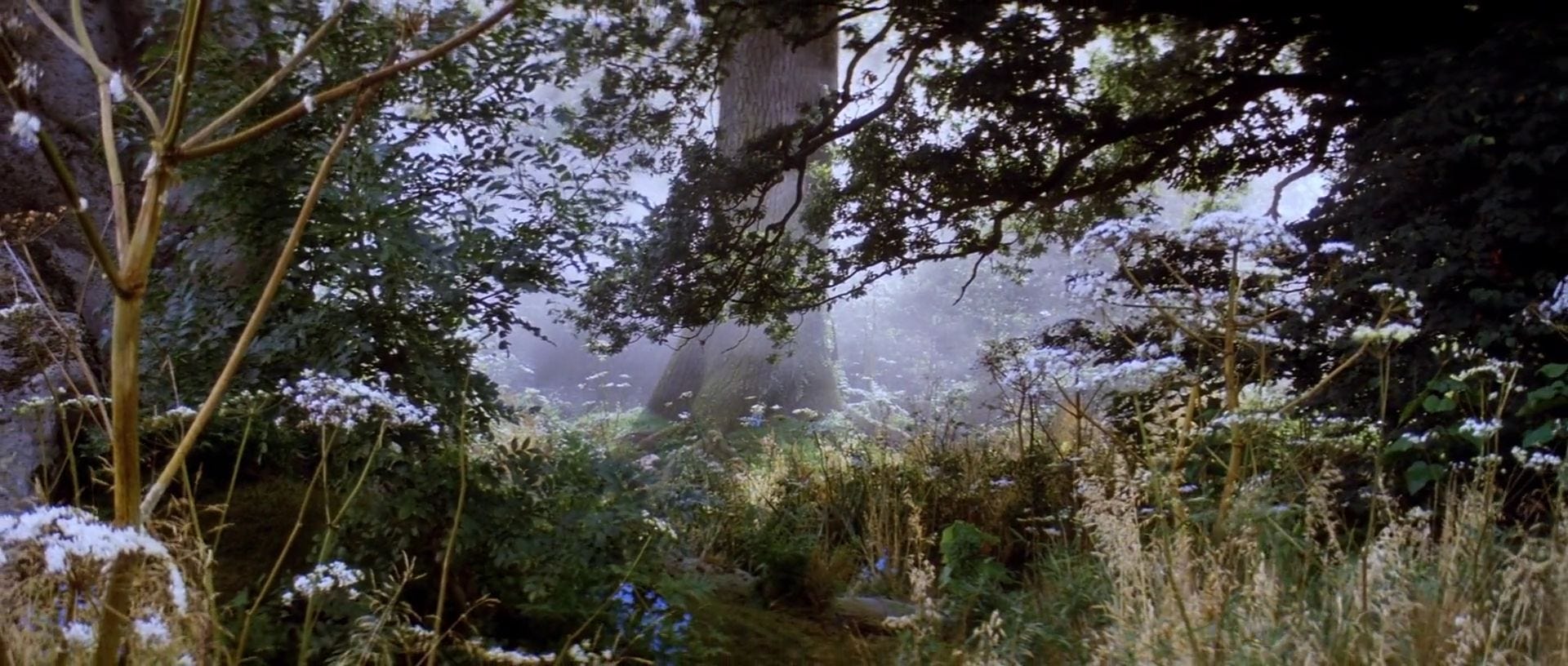
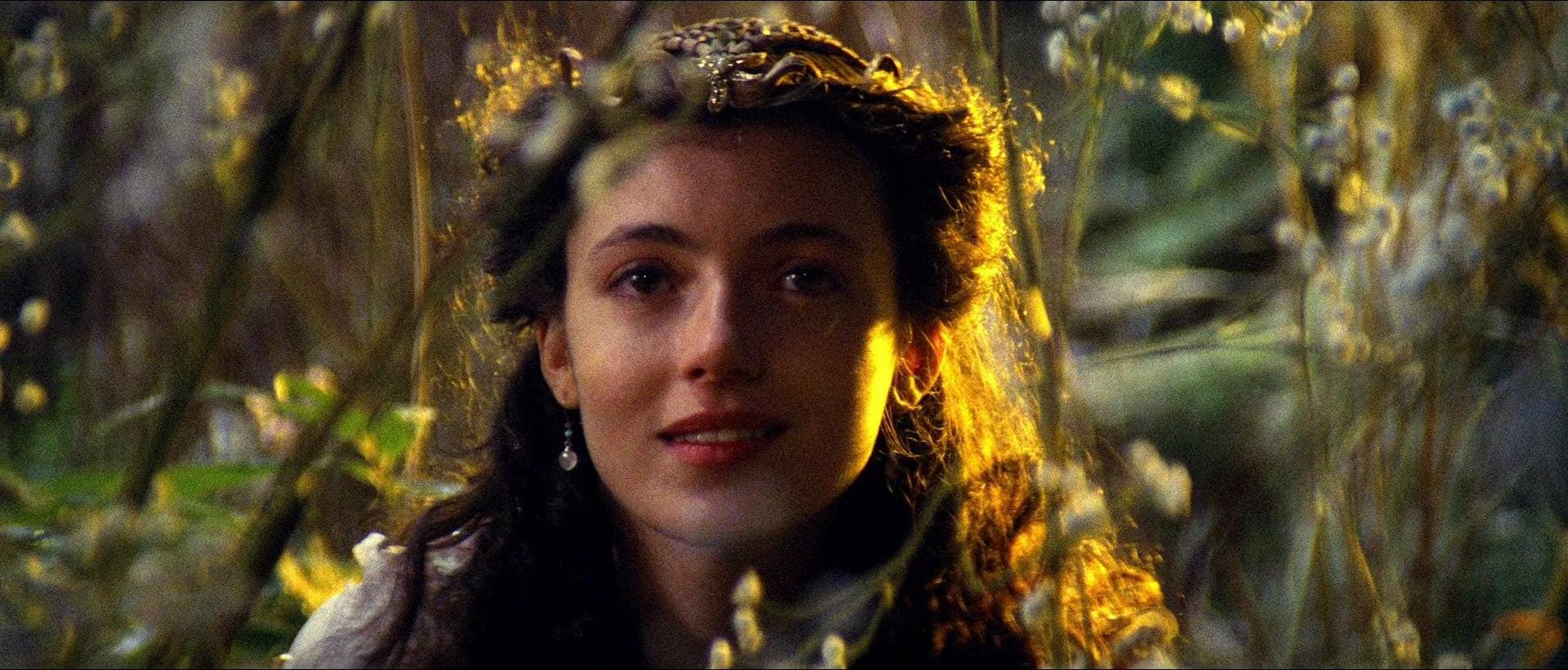
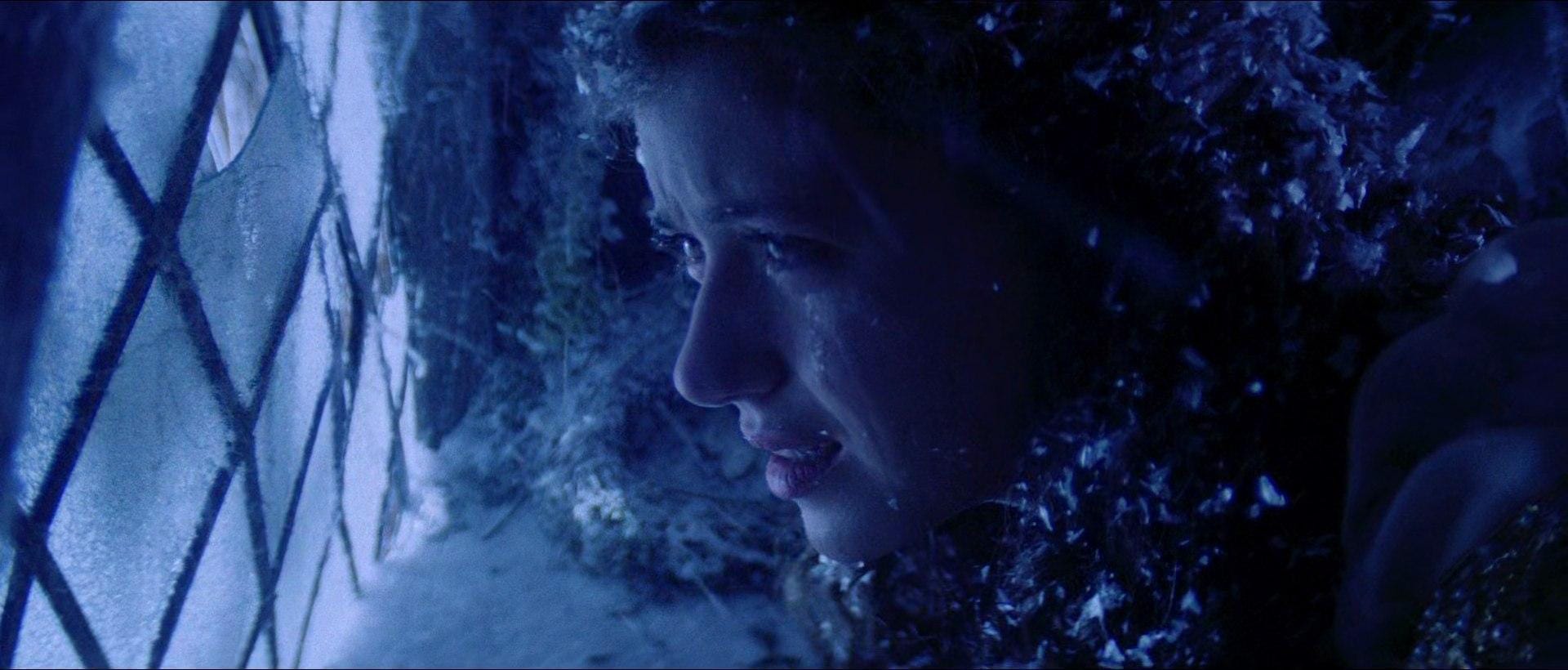
Scott continued, “The cyclorama in this studio I think was, let’s say fifty feet high. I made, on runners, massive steel frames. I made mirrors that went fifty feet up and ran on runners all the way around, so whichever way I looked when I lined up a shot I would have the back of the tree reflected in the mirror, so the forest went on forever. And it worked great until we started to feed a lot of pigeons in the forest, and the amusing thing would be when they decided to take off in the morning, they’d fly around, fly down in the forest and fly straight into a plastic mirror.” The woods in Legend took craftspeople fourteen weeks to construct. Meanwhile, Tom Cruise–posed to become a star following his debut as a leading man in the blockbuster Risky Business (1983) and a modestly successful high school football drama titled All the Right Moves (1983)--chose to work for Ridley Scott next, taking the role of the commoner, named Jack o’ the Green. Cruise was 21 years old when filming commenced, and the impossibility of finding a female lead as young and talented and popular to play the princess, Lili, led to the casting of Mia Sara, making her film debut at the age of sixteen.
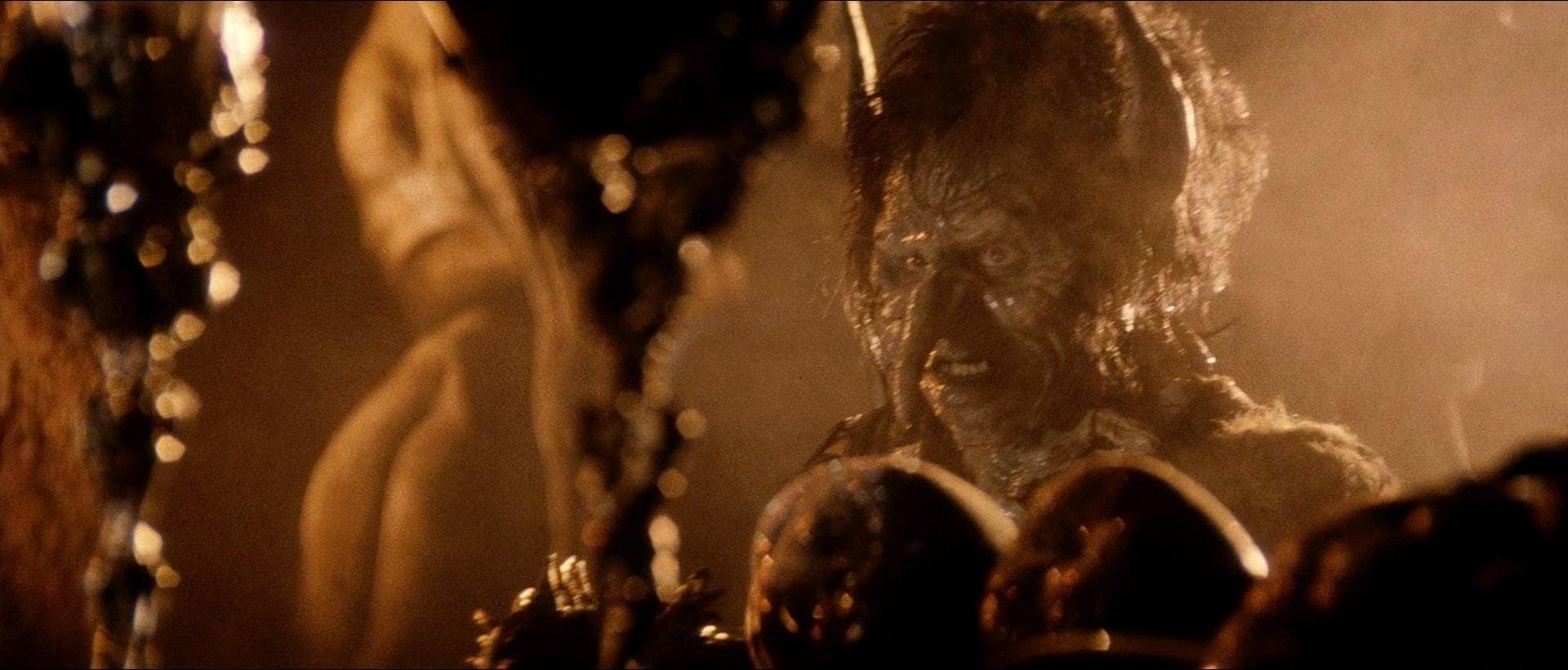
The process of casting Darkness was unique. Scott told François Guérif and Alain Garel, “First I thought of Peter O’Toole, but he was so skinny and so pale. I had never seen The Rocky Horror Picture Show (1975), but I was looking for someone to be the sorceress of the swamps. One of the actresses from The Rocky Horror Picture Show seemed to fit that role. Then I saw Tim Curry and I thought, ‘Oh my God, this is Darkness.’ I like the control he has over himself. He is very physical and powerful, theatrically speaking. He knows when he needs to stop. It was great to work with him.” Earning the commission to create the makeup effects for Legend was Rob Bottin, who’d barely been old enough to buy a beer when he designed the werewolf transformations for The Howling (1981) and the stunning alien organisms for The Thing (1982). Curry all but disappeared under the hulking, devilish makeup Bottin devised for Darkness. Scott continued, “The Beast in Cocteau is never horrible. When I was a kid, the beginning of the movie made me very afraid, but every soon you realize there is something else. I wanted that with Darkness. I didn’t want to put a barrier between the audience and him. We could have created a monster that was terrible, disgusting, really horrible to look at, but we wanted something between beast and man. And we wanted to give the character the most depth possible. I wanted Darkness to be healthy, not disgusting psychologically and physically, because I had the feeling that Evil treats itself better, more often than not, than Good.”
Part 2 of my Legend retrospective coming Friday, March 13.