
Highlander at 40: Part 2 of 2
Under the Radar, Made in the U.K., Studio Malfeasance, Fandom Revival

In recognition of one of nature’s most dazzling spells–unveiling hours more light a day–Video Days celebrates March with five sword and sorcery films from another time.
For Part 1 of my Highlander retrospective, click here.
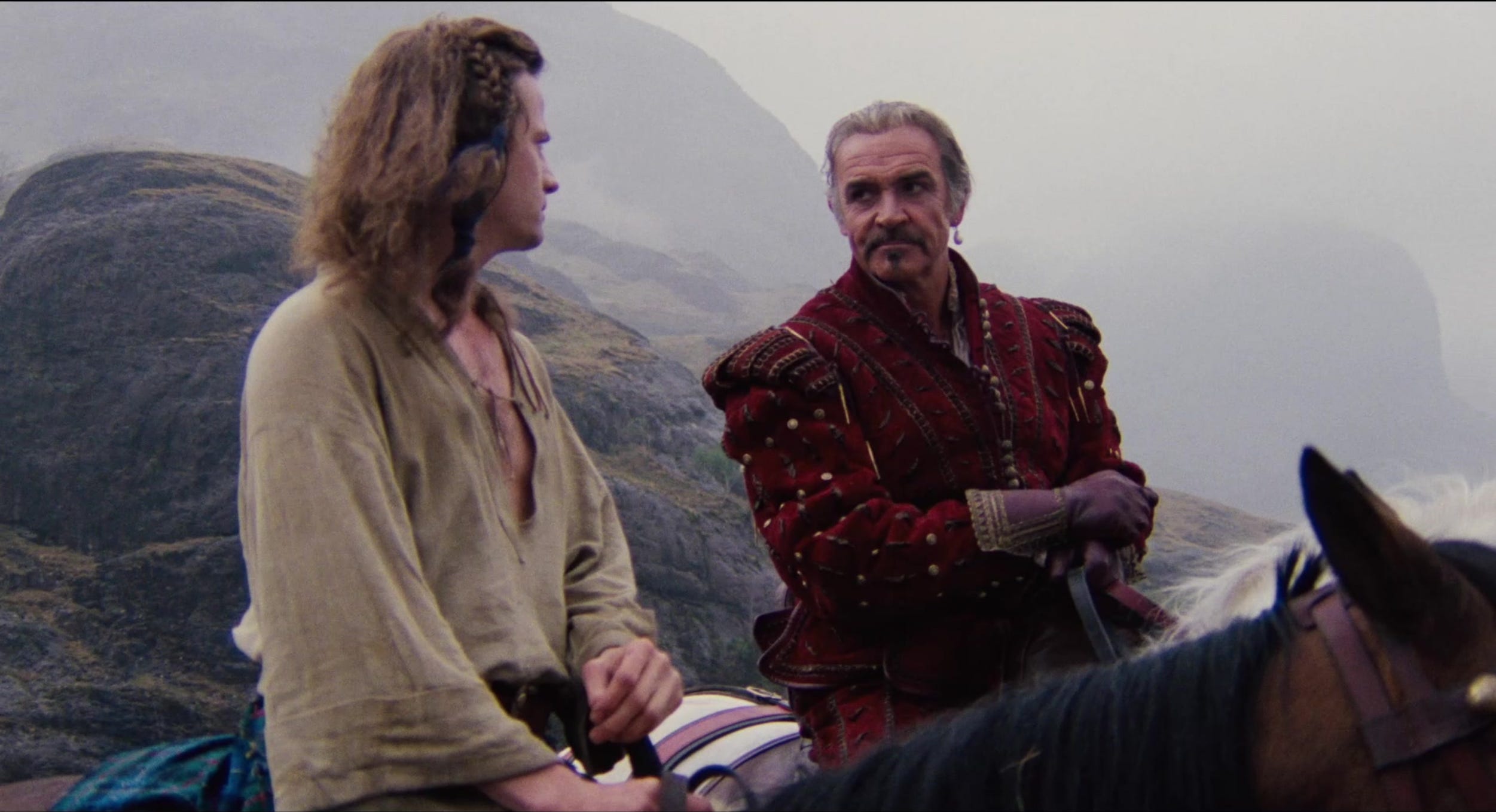
The production’s tax subsidies came with certain strings attached, the hiring of a certain number of British cast and crew. This prohibited Mulcahy from employing either of two cameramen he’d worked with previously, Dean Semler (Australian) and Tony Mitchell (American), to light the picture in the U.K. Director of photography Gerry Fisher, who’d lit Sean Connery in The Offence (1973), got the job by virtue of his British citizenship. Shooting commenced May 1985 in London. A parking garage at Earls Court Exhibition Centre stood in for what was supposed to be Madison Square Garden in New York. Jacob Street Studios, which wasn’t much of a “studio” but located in what had been a pet food factory in central London, was adjacent to streets and alleys that in 1985 looked as sketchy as those in the Big Apple. This location was used to stage most of the street scenes. The duel between Kurgan and Ramirez was also shot at Jacob Street Studios. With Connery’s meter running, the production jumped to Loch Shiel in Scotland for the scene where Ramirez trains MacLeod on a rowboat, while Lambert and Connery’s sprint was filmed on a small beach near the village of Arisaig in an area referred to as Refuge Bay. The battle sequence was filmed near the village of Glencoe, under the peak of the Buachaille Etive Beag ridge. The majestic 13th century fortress where MacLeod is introduced marching into battle was shot at Eilean Donan Castle, on an inlet near Dornie.
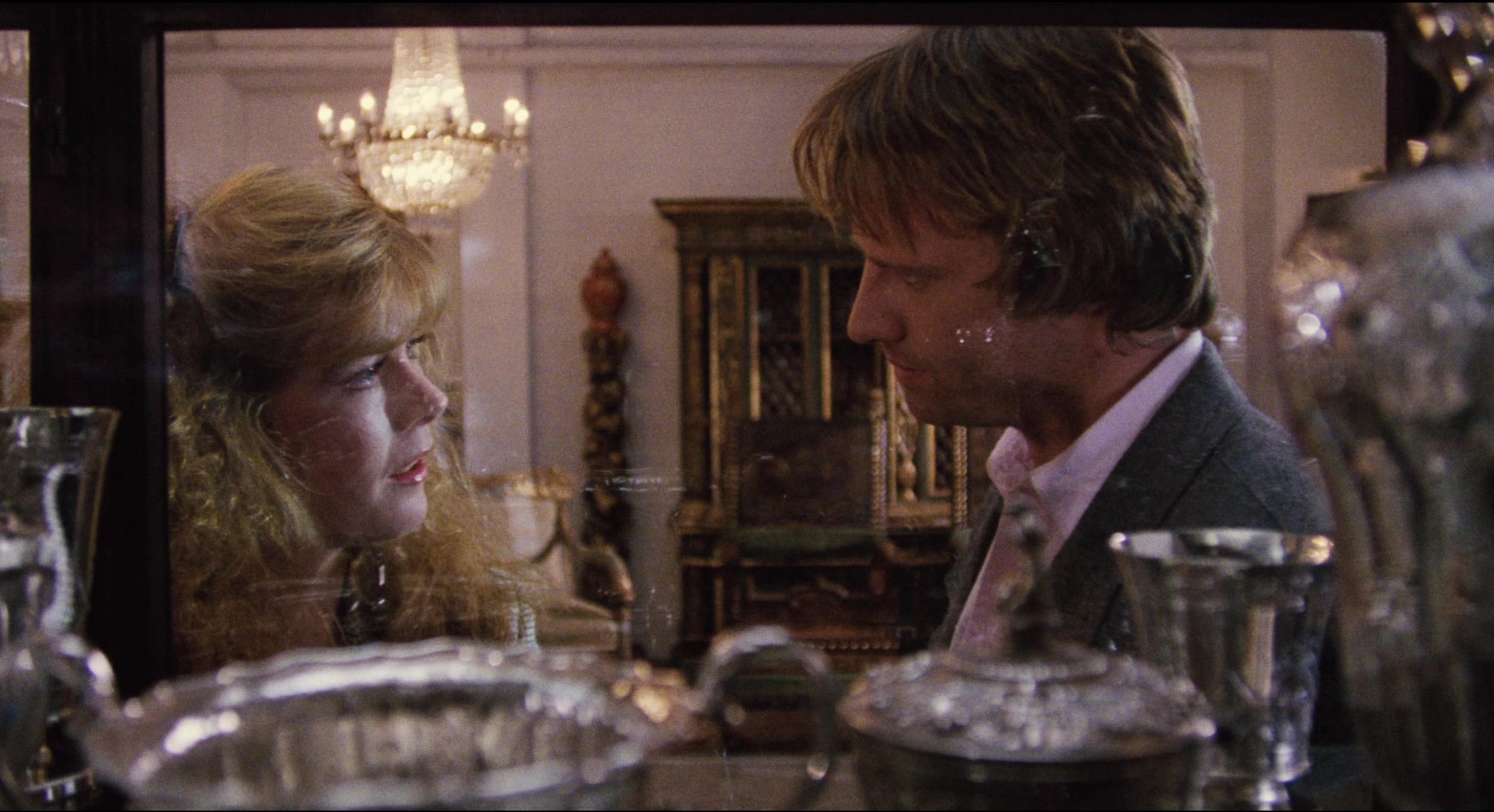
The production’s tax subsidies came with certain strings attached, the hiring of a certain number of British cast and crew. This prohibited Mulcahy from employing two colleagues, Dean Semler (Australian) or Tony Mitchell (American), to light the picture in the U.K., director of photography Gerry Fisher, who’d lit Sean Connery in The Offence (1973), getting the job by virtue of his British citizenship. Shooting commenced May 1985 in London. A parking garage at Earls Court Exhibition Centre in London stood in for what was supposed to be Madison Square Garden in New York. Jacob Street Studios, which wasn’t much of a “studio” but located in what had been a pet food factory in central London, was adjacent to streets and alleys that in 1985 looked as sketchy as those in the Big Apple. This location was used to stage most of the street scenes. The duel between Kurgan and Ramirez was also shot at Jacob Street Studios. With Connery’s meter running, the production jumped to Loch Shiel in Scotland for the scene where Ramirez trains MacLeod on a rowboat, while Lambert and Connery’s sprint was filmed on a small beach near the village of Arisaig in an area referred to as Refuge Bay. Connor’s cottage and forge–the latter of which doesn’t appear to have many customers–was filmed in Glen Nevis. The battle sequence was shot near the village of Glencoe, under the peak of the Buachaille Etive Beag ridge. The majestic 13th century fortress where MacLeod is introduced marching into battle was shot at Eilean Donan Castle, on an inlet near Dornie.
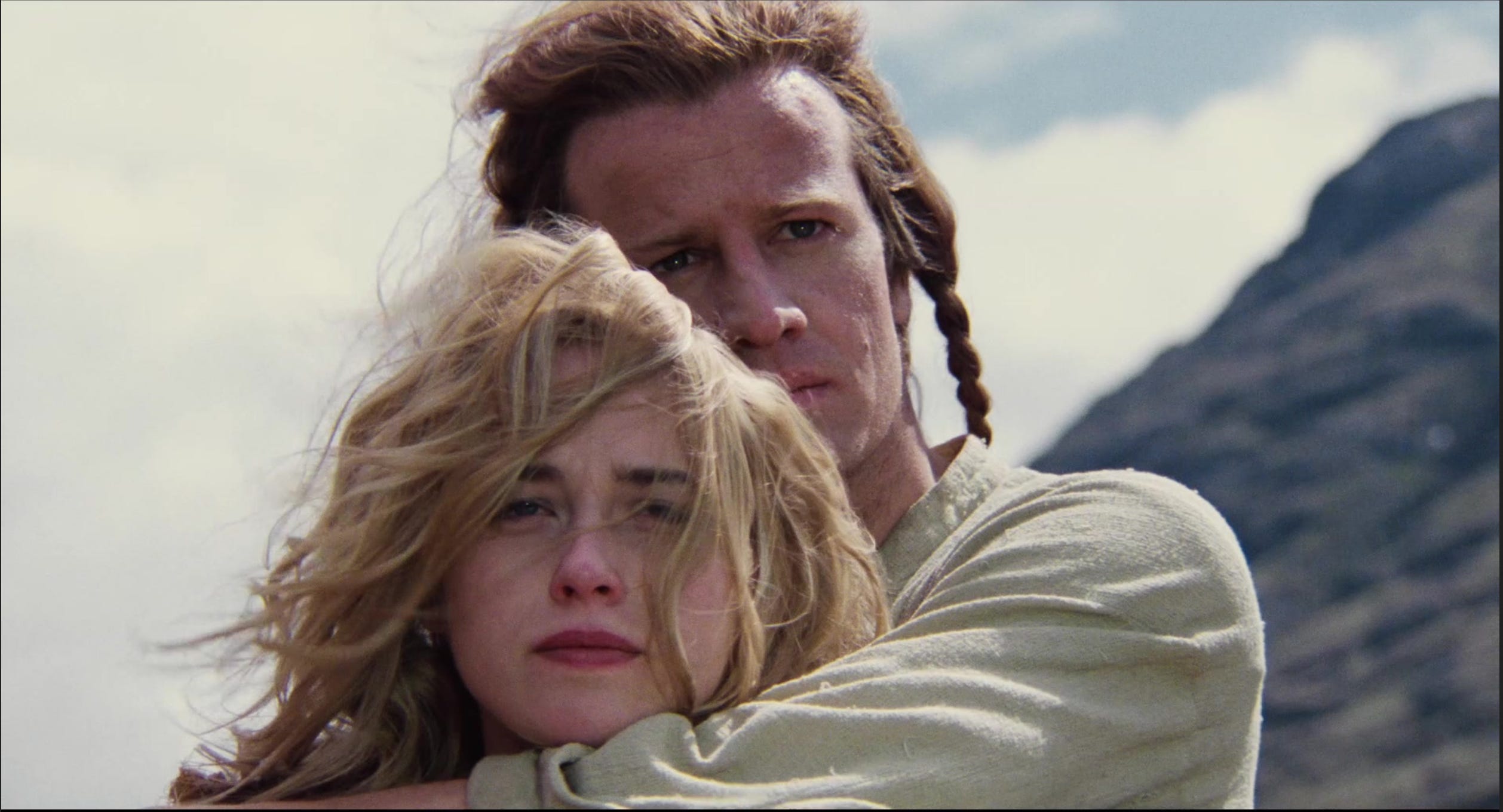
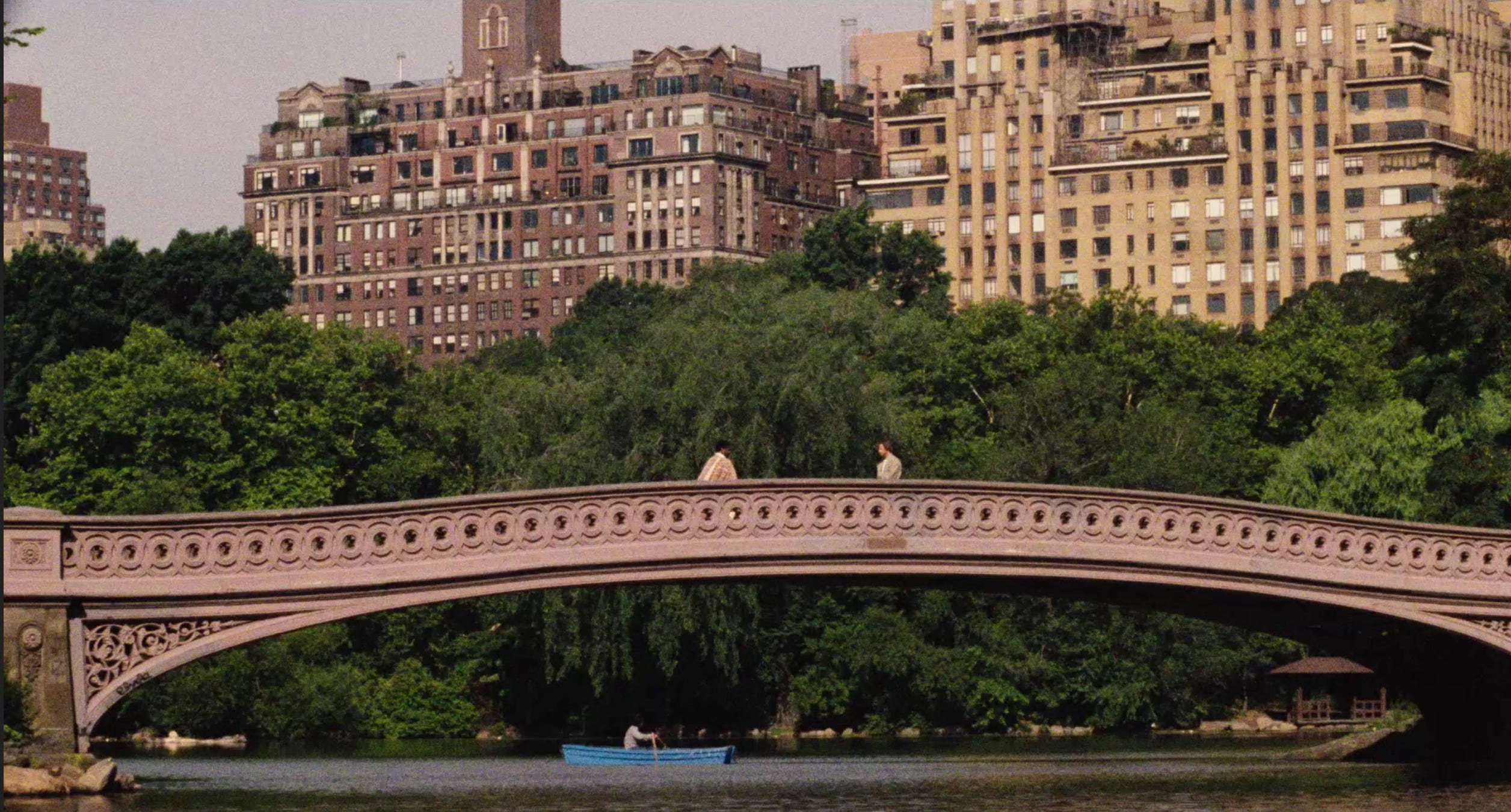
Back in London, the church where MacLeod and Kurgan parlay was filmed in St. Augustine’s Kilburn. America was further spoofed in England, with MacLeod’s drunken duel (said to take place at Boston Commons) filmed outside Brocket Hall in Hertfordshire. When Coney Island became cost prohibitive to shoot the climax, the filmmakers settled on the rooftop of Silvercup Studios in Queens, which was topped with a magnificent, red and white neon-lit sign and offered views of the Queensboro Bridge and Manhattan skyline. The production built a ⅔ scale version of the front side of the sign in London, shooting the back side in Queens for its views of New York. Unable to get inside Madison Square Garden or obtain permission from the NHL to film a hockey game, the filmmakers settled for shooting an AWA wrestling match at Meadowlands Arena, home of the New Jersey Nets. In the wrestling contest, the Fabulous Freebirds (Michael Hayes, Terry Gordy, Buddy Roberts) face off against Greg Gagne, Jim Brunzell, and the Tonga Kid. One of the few sequences actually shot in New York was Krugan’s vehicular rampage, filmed on Canal Street alongside Broadway in Lower Manhattan. Central Park provided the most memorable location in the picture, Bow Bridge used for the scene with MacLeod meets the friendly neighborhood Immortal played by Hugh Quarshie.
To record a theme song, the producers of A View To A Kill (1985) had already snared Duran Duran at what would be their commercial peak to write and perform a song for the new James Bond film, but fortune may have been smiling on Highlander when all four members of Queen accepted an invitation to attend a screening of the film in London. Russell Mulcahy had visited the set of Flash Gordon (1980) and was familiar with how well the science fiction fantasy had incorporated the rock band’s sound. To his surprise, Queen didn’t agree to contribute a song, but an album’s worth, each member of the band writing at least one. Freddie Mercury penned the opening title track, “Princes of the Universe.” Brian May wrote “Hammer To Fall” (which would be included in Queen’s historic Live Aid set in July 1985) and the film’s main theme, “Who Wants To Live Forever.” Bassist John Deacon contributed “One Year of Love” and drummer Roger Taylor “A Kind of Magic” and “A Dozen Red Roses For My Darling.” To score the film, Peter Davis & William Panzer commissioned Michael Kamen, the composer and conductor having worked with the producers on Stunts.
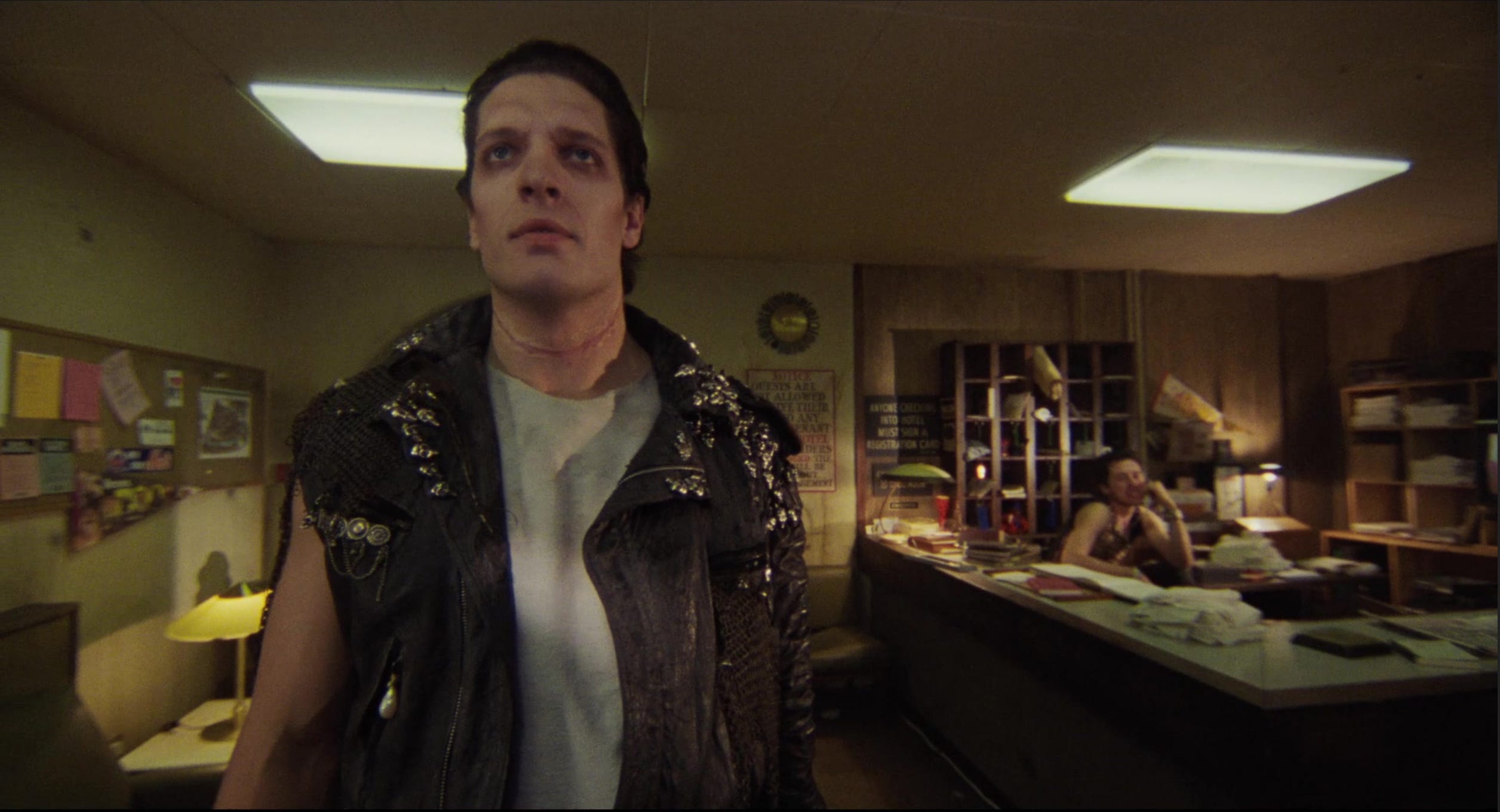
Film editor Peter Honess, who’d cut Electric Dreams (1984) and Plenty (1985), was responsible for dialing Highlander into a picture audiences the world over could access. The U.S. and Europe would initially see slightly different cuts. At 111 minutes, the version of Highlander that would screen in the States was missing scenes or shots that would be preserved overseas. Two scenes were chopped: MacLeod rescues a girl from the SS during World War II (later revealed to be his secretary in the present day) and later, visiting the Central Park Zoo with the antiques expert Brenda, the Immortal talks about losing his wife four hundred years ago, Kurgan lurking in the background. Moments considered too weird for the American palette were excised: flashbacks to a Scottish battlefield in the 16th century intercut with the wrestling match in the present, MacLeod’s parking garage opponent Fasil (stuntman Peter Diamond) doing backflips, MacLeod enduring extended physical abuse while being driven from his village, and Kurgan licking a priest’s hand. The 116-minute European version of Highlander is the one now available for streaming, while the U.S. version has been relegated to the dustbin of history.
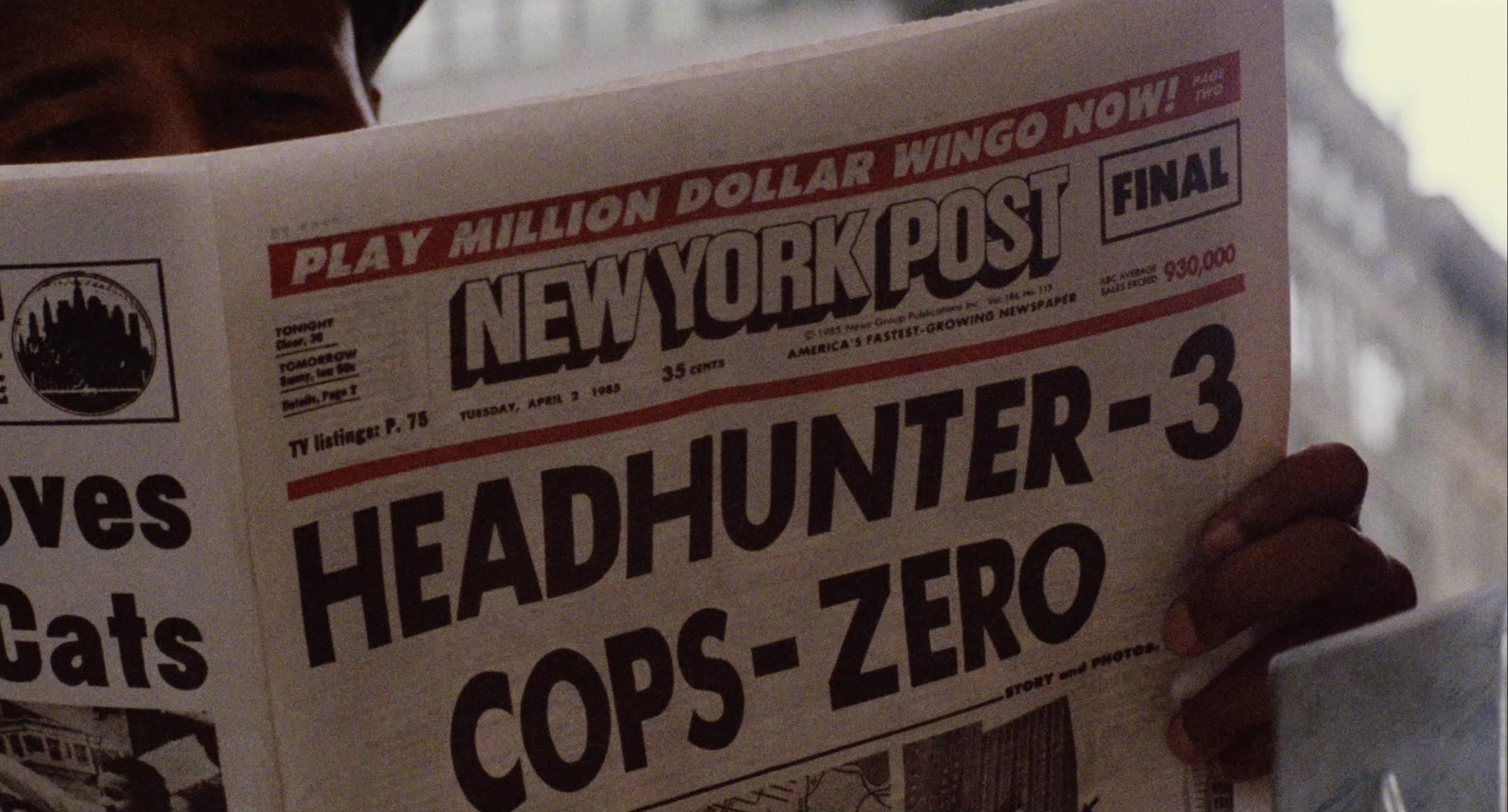
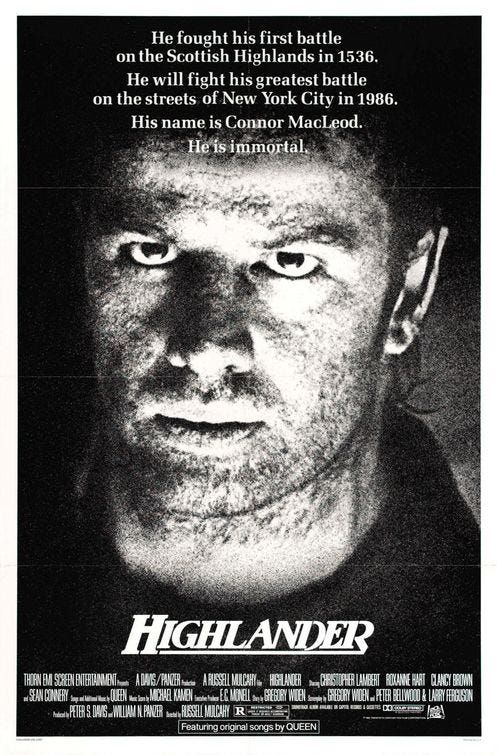
At Fox, these cuts weren’t nearly enough to excite the studio. Peter Davis & William Panzer had struck their distribution arrangement with then vice-chairman Norman Levy, who in September 1984 resigned. Levy alleged that Denver oilman and studio owner Marvin Davis had reneged on promises of a bonus and a 5% ownership stake in Fox, awarding those to chairman Barry Diller. Levy filed a lawsuit, which Fox responded to with discovery motions looking into Levy’s business dealings at the studio, including those with Davis-Panzer Productions. There’s no evidence that Highlander was test screened or performed poorly at those screenings, but Fox punted on the picture. Interviewed for the Projection Booth podcast airing December 6, 2016, Russell Mulcahy responded, “It didn’t do well in the U.S. One, because … have you ever seen the poster? The U.S. poster? It’s probably the worst film poster I’ve ever seen. It looks like a serial killer film, a cheap sort of like, I don’t know what it looks like, it had nothing to do with the film. And then you see the French posters and the other posters and they tell a story, they give you an idea of the genre. That black and white poster killed the film. I think. And the complete zero lack of publicity.”
Fox declined to screen Highlander for critics, opening it March 7, 1986 on 1,040 screens in the U.S. Critical reaction there was strongly negative. Roger Ebert didn’t review the film, but when his television partner Gene Siskel filed a report for the Chicago Tribune, he didn’t pull his punches. “Oh, how one wishes for some human moments in Highlander. If these are indeed the people who are going to save our planet, as the film suggests in quick conclusion, well, maybe it’s a good time to consider buying an acre in Montana or someplace else remote. The Highlanders in this film are the kind of superheroes who would want to make swordsmanship mandatory in grammar school.” He gave the film one-and-a-half stars out of four. Walter Goodman, backup film critic at the New York Times, was no more accommodating. “But the movie is not especially funny, and of course it is not serious. What is it? There is no point asking for much of a rationale for this sort of exercise, and there is nothing necessarily wrong with a farfetched premise or with hyped up effects, as long as they make us believe, for a while, that it matters. Since none of the characters makes sense even on the movie’s own terms, Highlander keeps on exploding for almost two hours, with nothing at stake.” Michael Dare with the LA Weekly was brutal. “Mulcahy directs not just like a man who’s only directed rock videos but like a man who’s never seen anything but rock videos. Whenever the music swells, you expect Freddie Mercury to step out from behind a rock. Mulcahy’s a generic von Stroheim, taking time-honored effects and bleeding them out by raising questions and ignoring answers.”
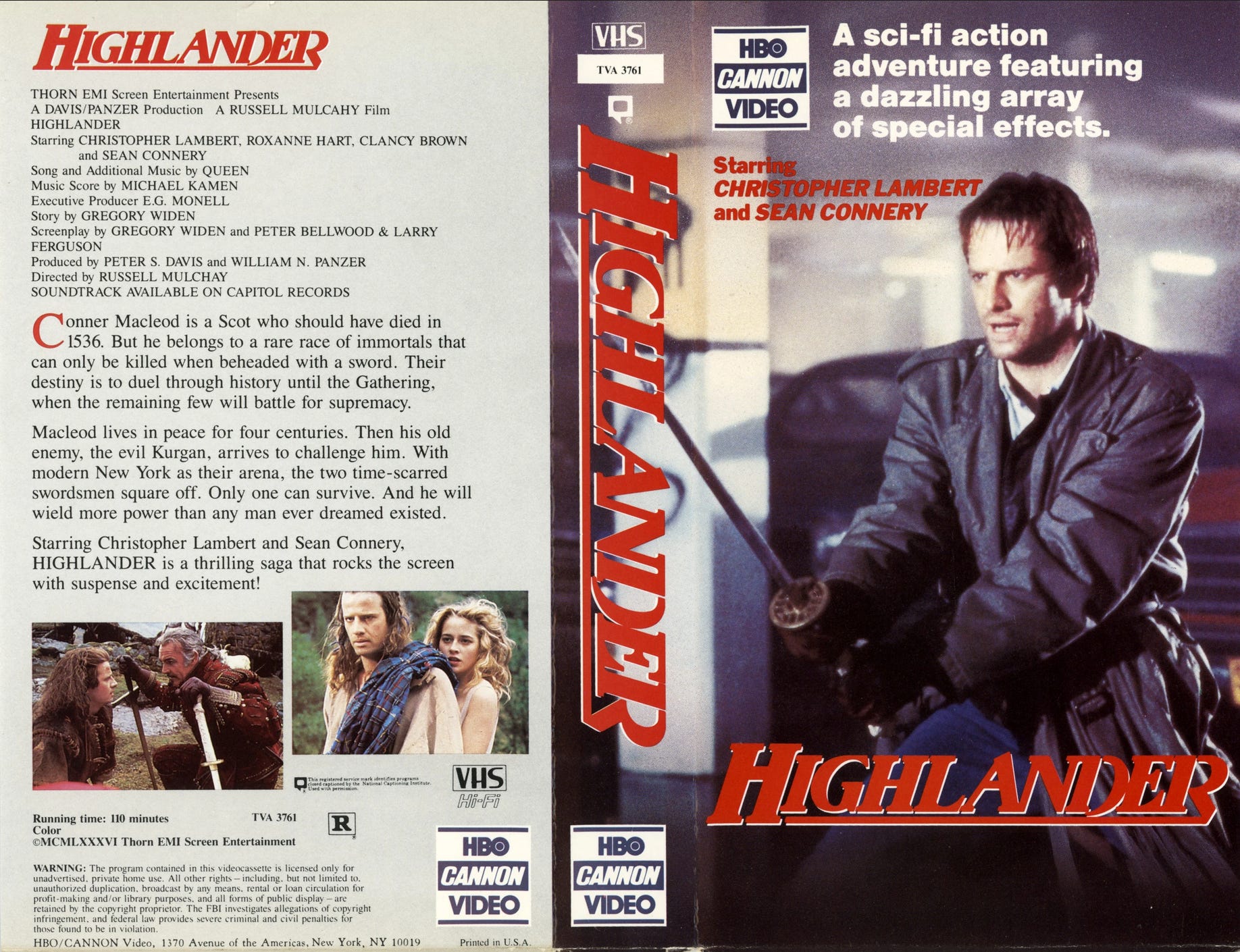
With Pretty In Pink and House atop the box office in their second weekend of release, Highlander opened at #7. By its second weekend, it had fallen out of the top ten. Opening in the U.K. in August 1986, Highlander received a kinder reception from British critics, and in France and Belgium, where Christopher Lambert was a star, box office was far better than it had been in the States. The film’s home video distributor–HBO/ Cannon Video–packaged it as an A-class version of a Chuck Norris or ninja movie, and video is how Highlander caught on in popularity. Investors came running to Davis & Panzer for a sequel. Written by Peter Bellwood and directed by Russell Mulcahy, Highlander 2: The Quickening (1991) reunited Lambert and Connery, but the decision to film it in Argentina (with a British crew arriving soon after the Falklands War) was a fiasco, and Mulcahy was kept out of the editing suite. Highlander 2 alienated nearly everyone familiar with the original, Lambert going as far to promote it as a decent movie, but warning Highlander fans that it wasn’t a sequel. The series should have died a quick death, but fans wanted more. Highlander: The Series debuted in 1992, Adrian Paul playing MacLeod’s clansman Duncan for five seasons in syndication. (Xena: Warrior Princess actually followed on the coattails of Highlander, running for six seasons beginning in 1995). The success of the series spawned a spin-off, Highlander: The Raven, that lasted one season (1998-1999). Christopher Lambert returned for two more feature films, Highlander III: The Sorcerer (1994) and with Adrian Paul for Highlander: Endgame (2000). A short-lived comic book was published in 2006, and many licensed novels followed it.
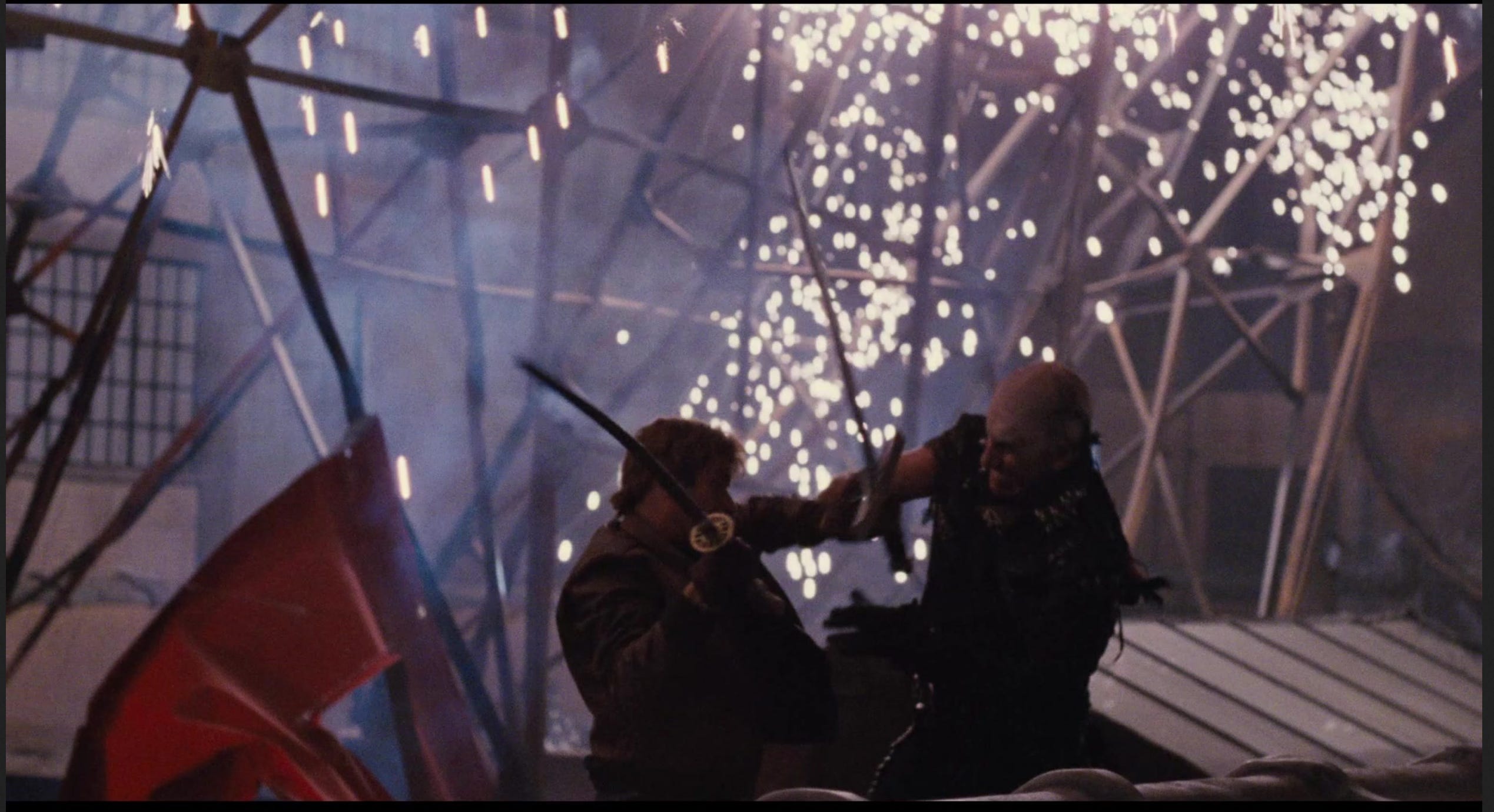
Highlander was conceived during the peak of the Dungeons & Dragons gaming craze, the success of The Sword and the Sorcerer (1982) and its lavish neighbor Conan the Barbarian (1982) fueling the sword and sorcery sub-genre on the big screen for five years. Most, if not all, of those films boiled down to a well-oiled He-Man swinging a broadsword around a magician named something like Skeletor, this being the foundation of Hasbro’s Masters of the Universe toyline and the animated series that promoted it. By opening in the familiar present, Highlander immediately sets itself apart visually, aligning itself with Anne Rice’s gothic vampire novels more than another B-movie about mazes and monsters. It is half cast superbly. Clancy Brown–who the James Bond producers missed out on booking as a heavy–stabilizes Kurgan as an ancient bad penny and sustains his character through a script that isn’t worthy of Brown and a director who didn’t really care what his character wanted. The goodwill Sean Connery brings to the picture can’t be overstated. Highlander began a fifteen-year wave in which the tide of several movies rose considerably due to Connery’s transition from action hero to mentor. Not many actors other than Morgan Freeman could lay claim to becoming cooler with age, but Connery could. He is the chief reason to see the movie.
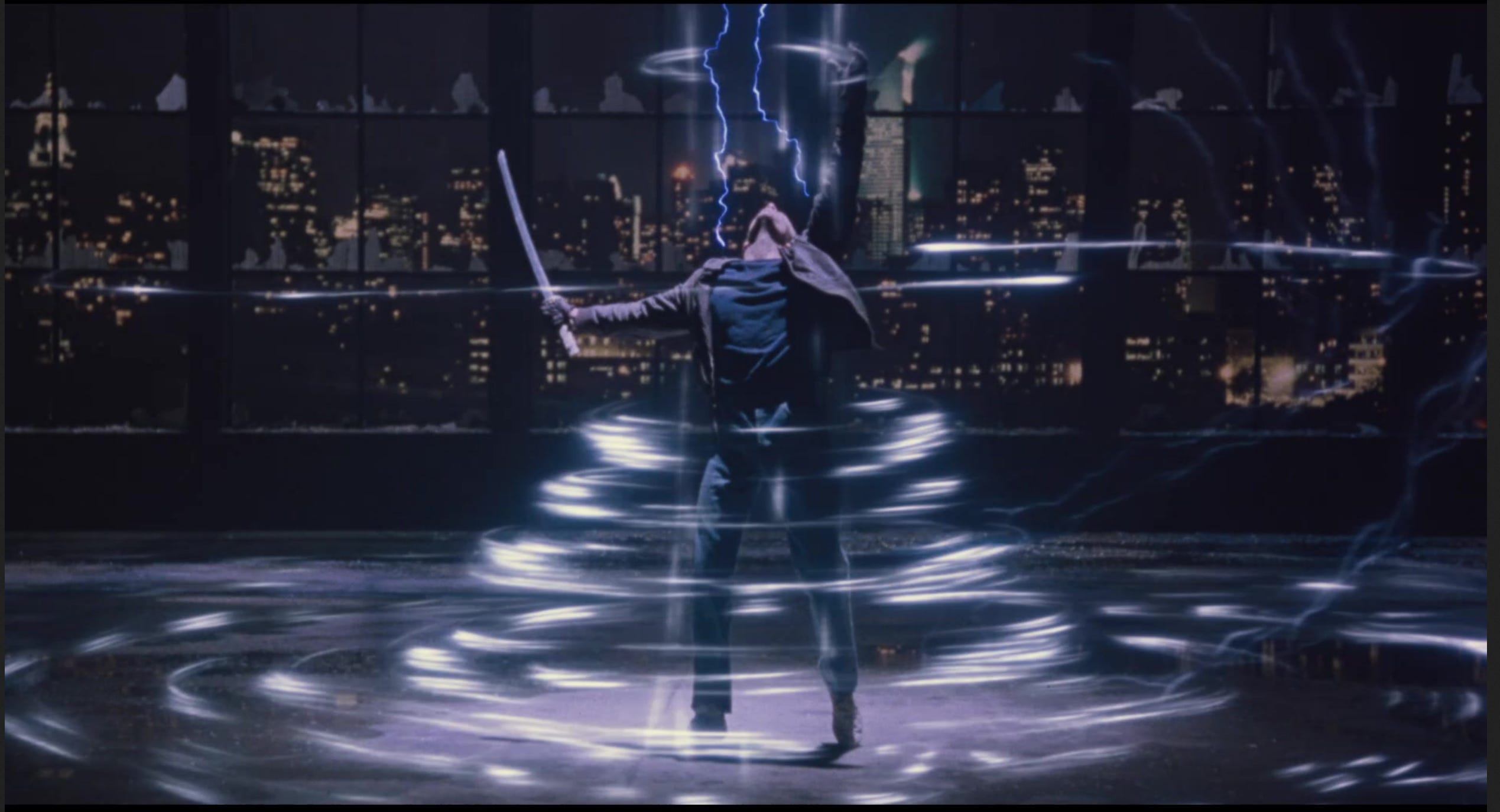
The rest of the cast don’t deserve Highlander. Christopher Lambert has a suitably alien quality, but beyond his utility as a model, isn’t a credible film star, unable to rise above whatever material has been given to him. For a few years, his contemporary was Viggo Mortensen, and long before The Lord of the Rings trilogy, he was the sensitive warrior both Greystoke and this series needed. Roxanne Hart comes off more as a department store manager than a sword expert. Her character calls for an athlete/ scholar like Joanna Cassidy. The less said about the actors cast as New York cops–the Dennis Franz school of smug policemen wasn’t consulted–the better. The screenplay spends too much time invested in its police subplot, wasting time considering that the poster has already solved the case for us. Opportunities to explore what abilities an otherwise normal man would develop after 500 years–knowing what people are going to do or say, or having read 500x the number of books–are squandered. The swordfighting is more ridiculous than MacLeod or Ramirez’s accents. The Prize is neither tangible nor ultimately compelling, looking more like whatever possesses Michael Jackson in one of his music videos. The subdued pop music sound by Queen–a clear reflection of Freddie Mercury’s declining health–isn’t simpatico with the hyperkinetic energy Mulcahy injects into his film’s pace.
Video rental category: Fantasy
Special interest: Sword and Sorcery
Thanks to Jonathan Melville, author of A Kind of Magic: Making the Original Highlander, his 2020 book documenting much of the film’s production history that might’ve otherwise been lost to time.
Well, Joe, as always, your background information and analysis illuminated why I really didn’t like this movie… Except for Sean, Connery, who is always just so fun to watch and listen to, nobody (in terms of the actors) made me invest or resonate with any of the characters… As always, your research is always so fascinating and entertaining… Great job! Peace! CPZ