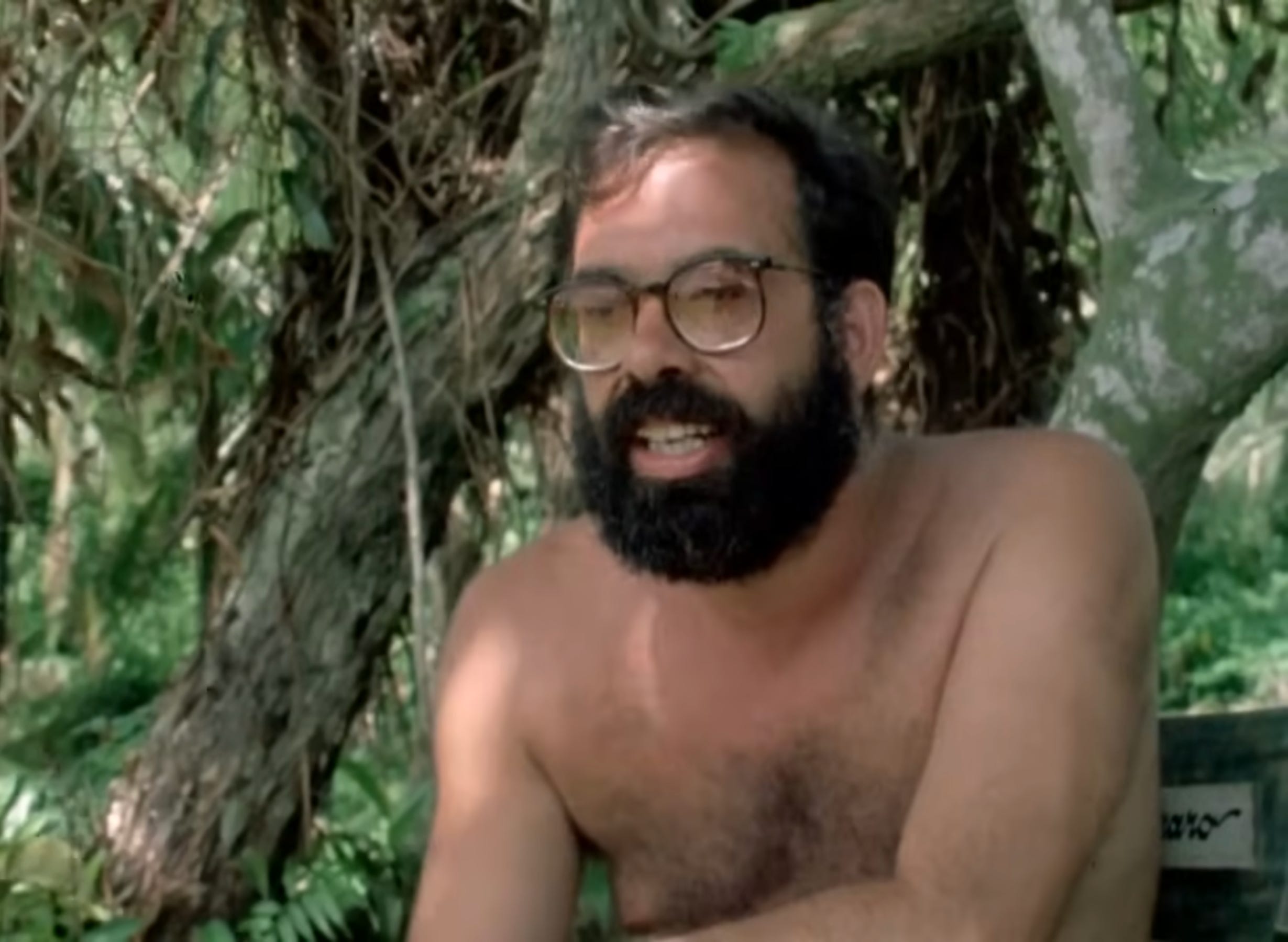

HEARTS OF DARKNESS: A FILMMAKER’S APOCALYPSE (1991) is something like a documentary inside a Matryoshka doll. This makes it a sublime companion piece to one of the best directed movies of all time, if not best movies: Apocalypse Now (1979). The documentary involves archivists in 1990 using film and sound they scrounged from 1976-77 documenting the production of a movie about the corrupting abuse of power and madness, which Joseph Conrad depicted at the turn of the 20th century in his novella Heart of Darkness. A constant across generations is that everyone who adapts this material seems to come out of it changed.
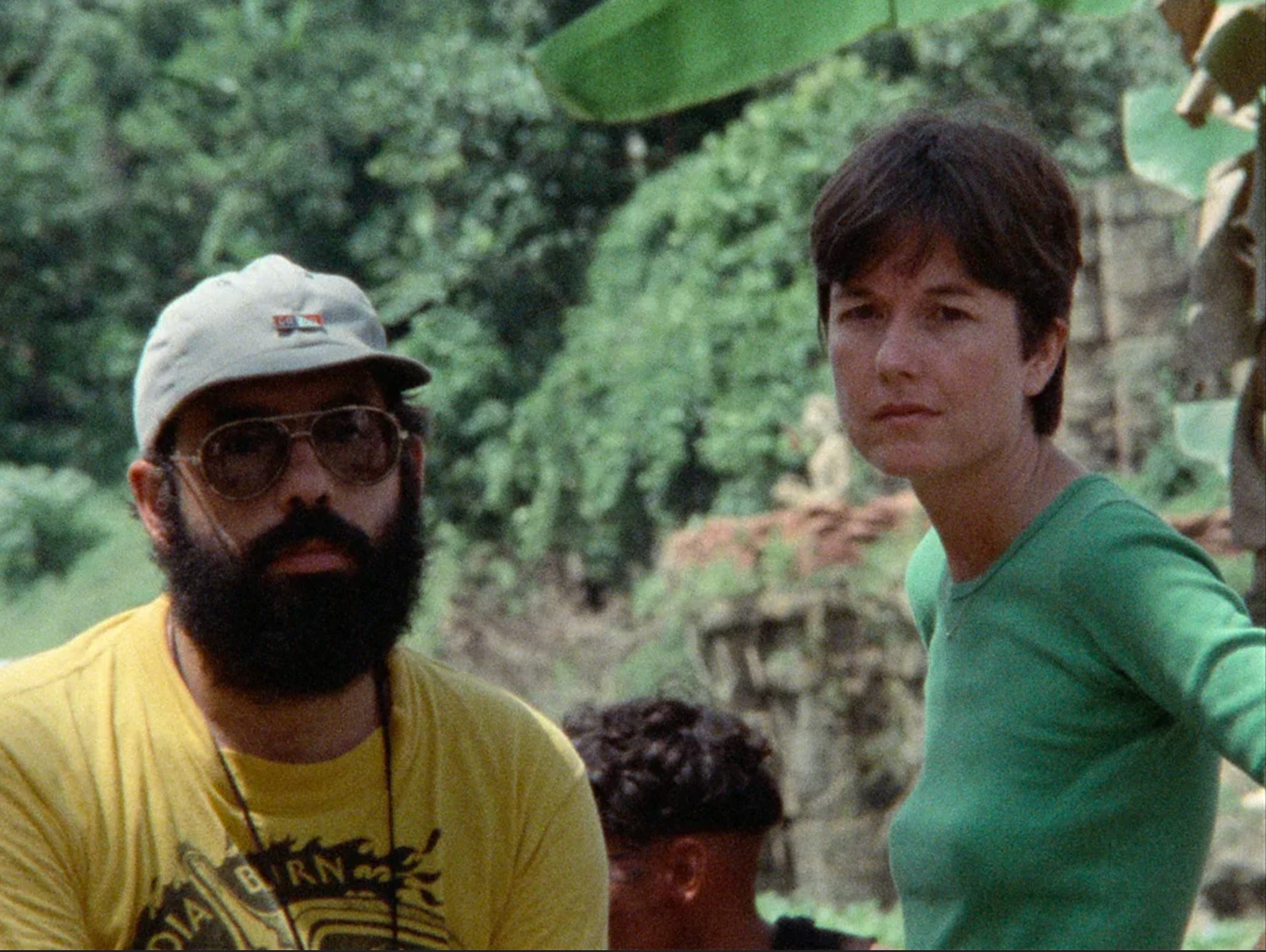
George Zaloom and Les Mayfield were producers of electronic press kits and Fax Bahr was a director Zaloom had employed to direct a couple of them, Bahr interviewing cast and crew of The Great Outdoors (1988) and Tap (1989) on set. They knew that Eleanor Coppola had, at the request of her husband, director Francis Coppola, shot hours of 16mm footage behind the scenes of his Vietnam war epic Apocalypse Now. The picture was loosely based on Joseph Conrad’s novella Heart of Darkness, published originally as a three-part serial in Blackwood’s Magazine from February to April 1899. Seventy-five years later, the average shooting schedule for a studio motion picture was somewhere between 60–80 days. Due to typhoons, political instability, firing of the lead actor, and the new lead suffering a mild heart attack, production of Apocalypse Now stretched over 238 days in the Philippines. Eleanor, who’d met Francis when she was an assistant art director on his film Dementia 13 (1962), came along on the journey with their children, Gio (12), Roman (10) and Sofia (5). United Artists had inquired about sending a professional crew to record enough behind-the-scenes footage to generate a five-minute promo for television, but Coppola gave the job of documenting the production to Eleanor. She not only ended up with much more access, but returned to the States with at least 60 hours of footage.
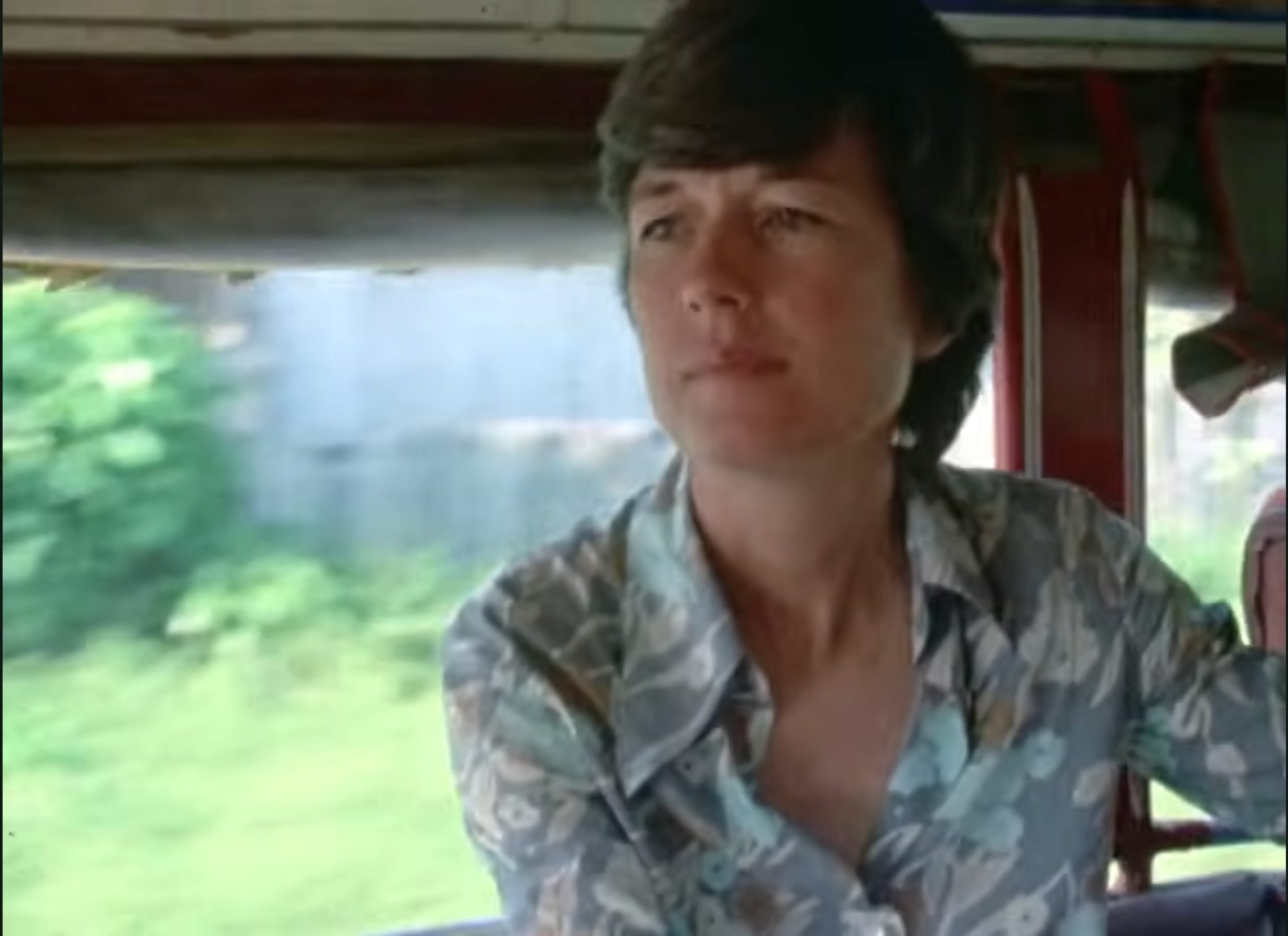
Assembling a “making-of” short for the European sales market was one option. Directing a documentary about her experience in the Philippines was another. Neither Eleanor or editors who’d examined the footage, which the Coppolas owned, really knew what to do with it, and the film remained in storage in Napa Valley. Eleanor instead published a production diary, titled Notes, in 1979, composed of letters she’d written to friends while living in the Philippines. Having read her book, Zaloom, Mayfield and Bahr all knew about the footage Eleanor had shot. In an unrelated meeting with producer Doug Clayborne (formerly Francis Coppola’s assistant), Zaloom inquired about the film reels. Clayborne put Zaloom and Bahr in touch with Eleanor Coppola and Apocalypse Now co-producer Fred Roos, who screened roughly three hours of footage for the archivists. Zaloom and Bahr quickly realized they had terrific material for a behind-the-scenes look at the making of Apocalypse Now and with the cooperation of the Coppolas, Les Mayfield was able to sell Steve Hewitt, VP of programming at Showtime, on financing what they were calling Apocalypse Now Revisited.
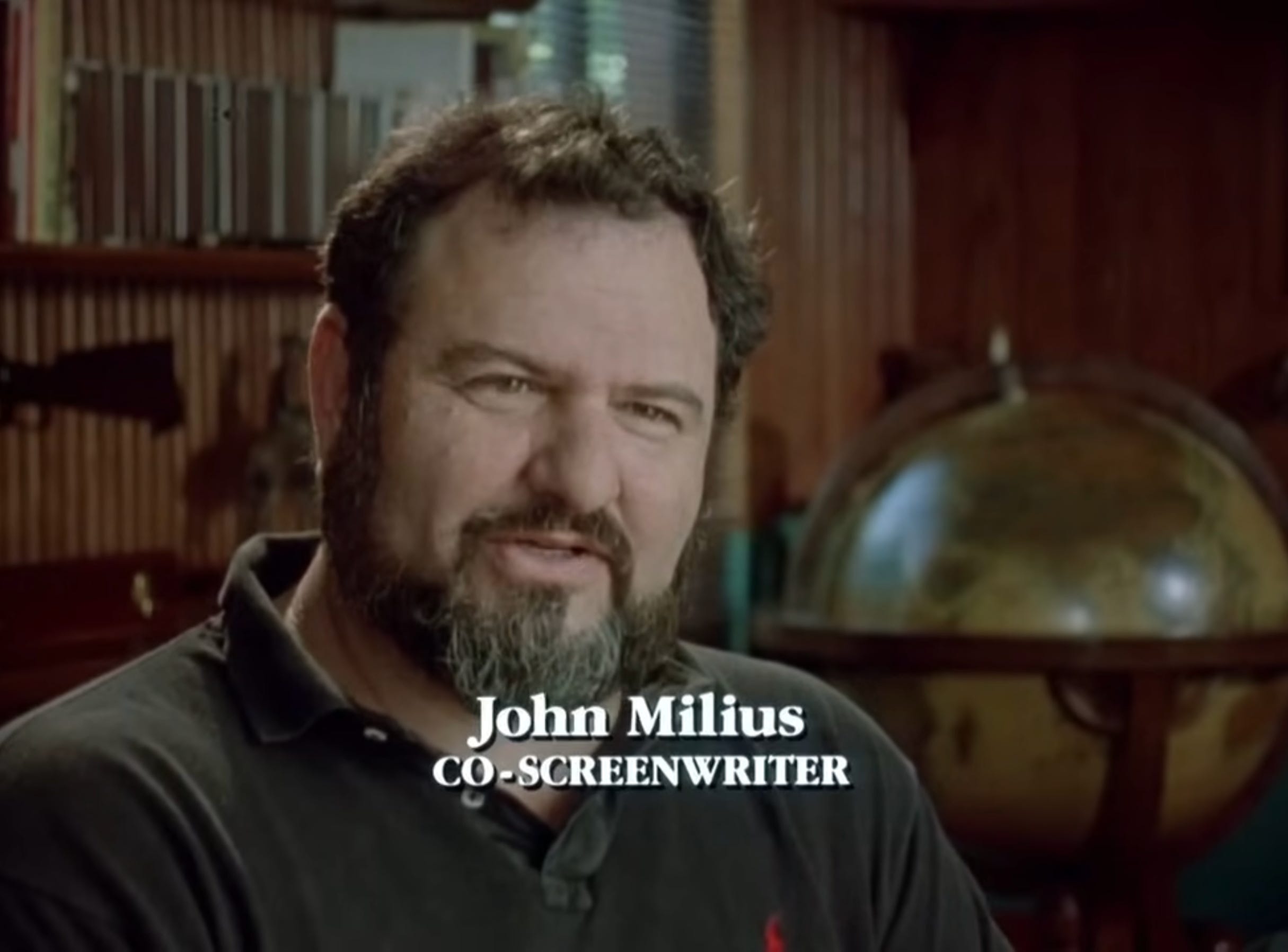
At that time, Zaloom and Mayfield’s ambition was to air their Apocalypse Now documentary on cable television in time for the film’s ten-year anniversary, in 1989. Bahr began lining up cast and crew members for retrospective interviews. Thirty would consent, and eighteen interviews would make it into the documentary—a cross-section of the film’s creative tempest, including Francis Coppola, Eleanor Coppola, Martin Sheen, Robert Duvall, Dennis Hopper, John Milius and George Lucas, the latter being Coppola’s protégé who’d been slated direct Milius’ screenplay guerilla style in Vietnam in 1969. There were holdouts. Bahr took a job doing the press kit for The Freshman (1990) specifically to get access to Marlon Brando. Making his pitch as Bahr followed the 20th century acting institution to his trailer one day, Brando told him, “Kid, I do my shit and go home.” Harvey Keitel, who’d been cast as Willard and spent three weeks working in the Philippines before Coppola replaced him with Sheen, wanted to see the documentary and assess how he felt about it first. Screened a cut on videocassette months later, Keitel declined to sign a release that would’ve at least permitted outtakes and behind-the-scenes footage of him to be used. The filmmakers had to recut the movie around the actor.
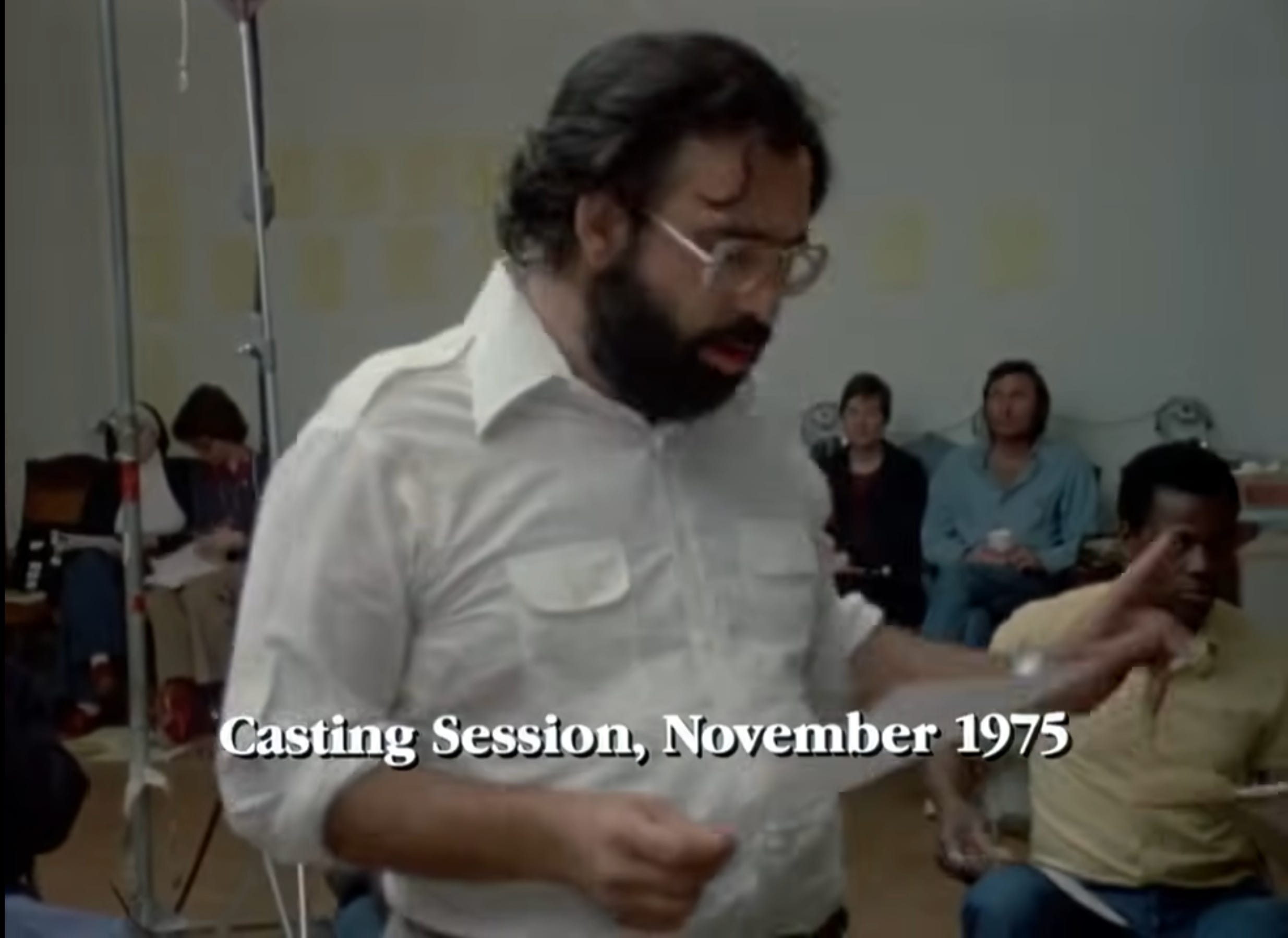
Realizing they needed help in the cutting room, Zaloom hired George Hickenlooper, director of two documentaries about moviemaking that had aspired to more than a press kit. Art, Acting and the Suicide Chair (1988) was about Dennis Hopper attaching dynamite to himself in 1980 and with Rice University students as witnesses in Houston, lighting the fuse for what he considered an art exhibit. Hickenlooper followed with Picture This: The Times of Peter Bogdanovich in Archer City, Texas (1990) about the cast and crew of The Last Picture Show (1971) reuniting twenty years later for a sequel, Texasville (1990). Hickenlooper didn’t care to participate in the “making-of” of a movie that had been released ten years ago, but having read Notes, he proposed using Eleanor Coppola’s correspondence as a narrative thread, in effect, making her the documentary subject. Despite initial hesitation from Eleanor Coppola and resistance from Showtime, Hickenlooper proposed a documentary feature at twice the budget the cable network had allotted.
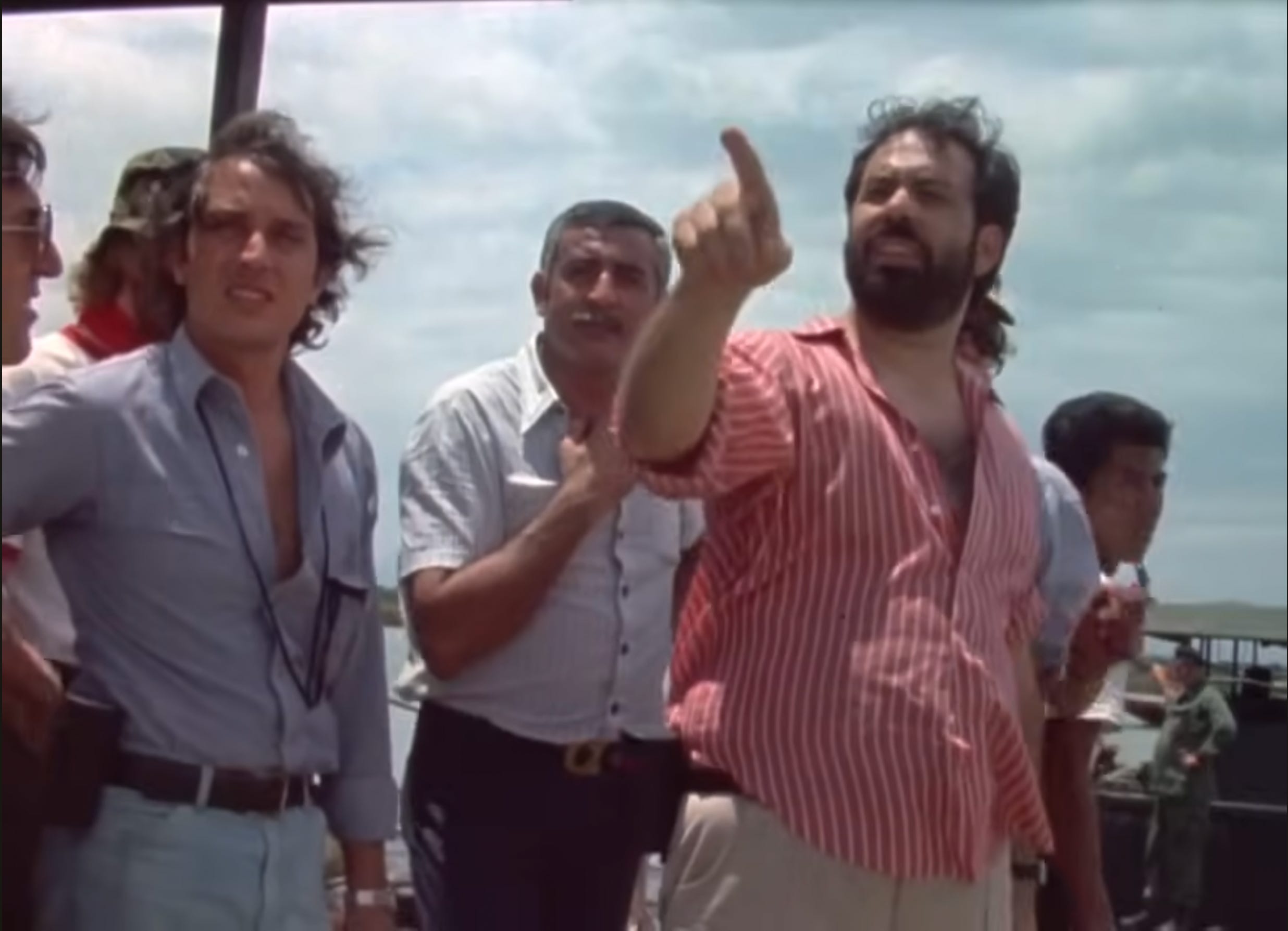
According to Hickenlooper, he was the one who–rummaging through Zoetrope’s boxes–discovered audio tapes that Eleanor had made of her husband while he was on the telephone in the Philippines, often conducting damage control or trying to prevent his picture from being shut down. While Eleanor hadn’t tried to hide the fact that she was recording him, she hadn’t asked her husband for permission either. In the interest of supporting the filmmakers–as long as truth is what they were after–Francis Coppola consented to the tapes being used, on the condition that Hickenlooper disclose in a title card that the director’s conversations had been taped without his knowledge. Hickenlooper and editors Michael Green and Jay Miracle spent a year at Universal Studios in Los Angeles cutting the film. Fax Bahr had taken a job as a writer on the Fox sketch comedy series In Living Color in 1990. Addressing a baffling credit on the poster which would state, “Written and Directed by Fax Bahr with George Hickenlooper,” Hickenlooper would clarify in an email to entertainment reporter Jeffrey Wells that his co-director spent three weeks with them in the editing room over the course of a year.
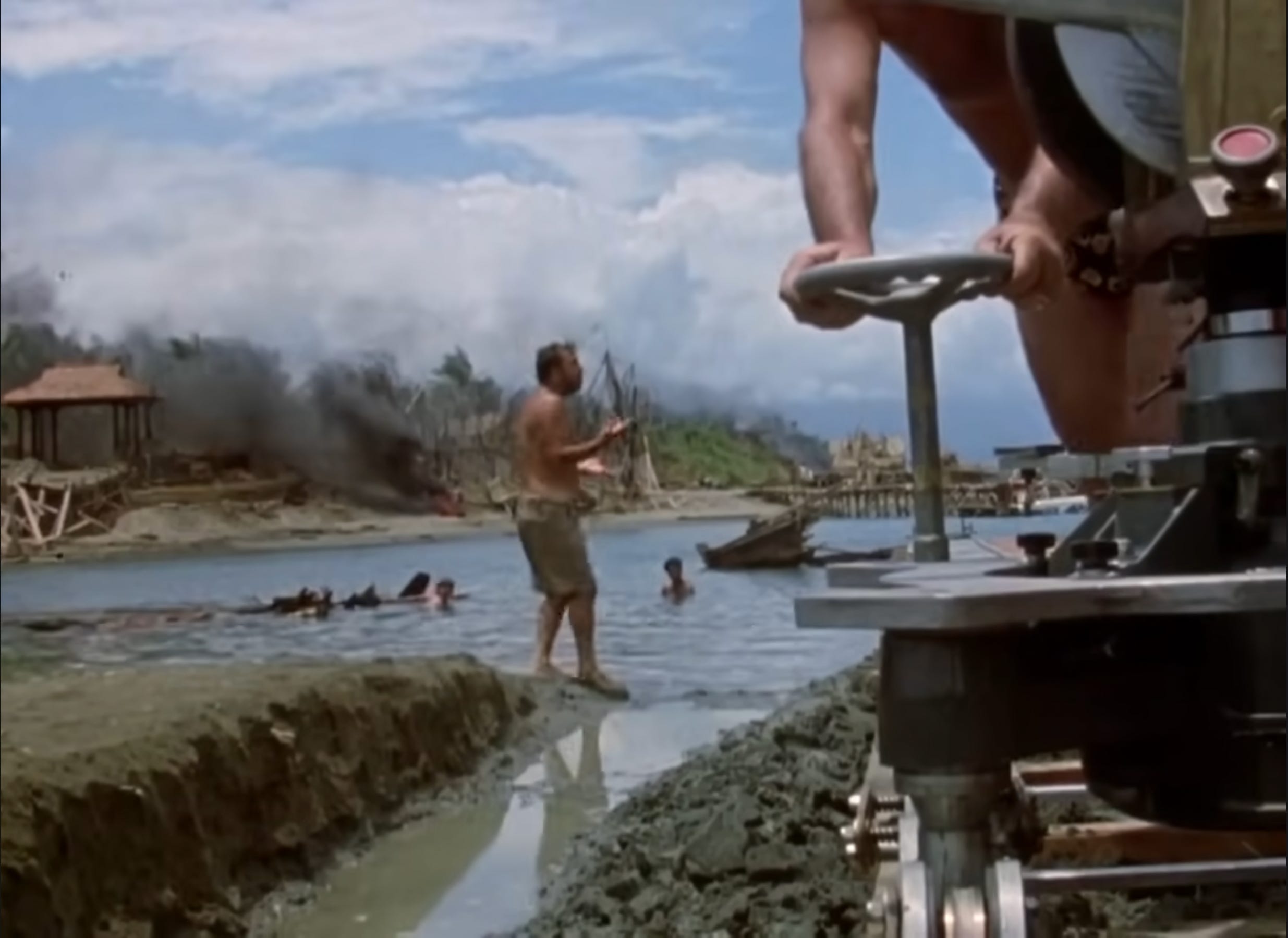
Running 96 minutes, Hearts of Darkness: A Filmmaker’s Apocalypse debuted October 1991 on Showtime. A limited theatrical release in November–buoyed by rave reviews–grew to as many as 28 theaters in the U.S. Critics didn’t simply recommend the documentary , many heralded it. Compiling his list of the year’s ten best films for the Chicago Tribune, Gene Siskel ranked it #1. “Using outtakes and new interviews with the participants, we have one of the best records of the creation of a major film. And the oddest thing occurs: There is so much drama that we actually fear that the movie might not get finished even though, obviously, it was released in 1979.” Hearts of Darkness didn’t factor into Roger Ebert’s annual ten best list, but writing in the Chicago Sun-Times, he gave the film 3 ½ stars out of 4. “It strips Coppola bare of all defenses and yet reveals him as a great and brave filmmaker. It also reveals the ordeal he put his actors and crew through, on location in the Philippines — and what he endured at their hands.” Writing for the New York Times, Janet Maslin added, “Even allowing for the aggrandizing nature of a film largely shot by his wife, Mr. Coppola emerges for this portrait in legitimately heroic terms.”
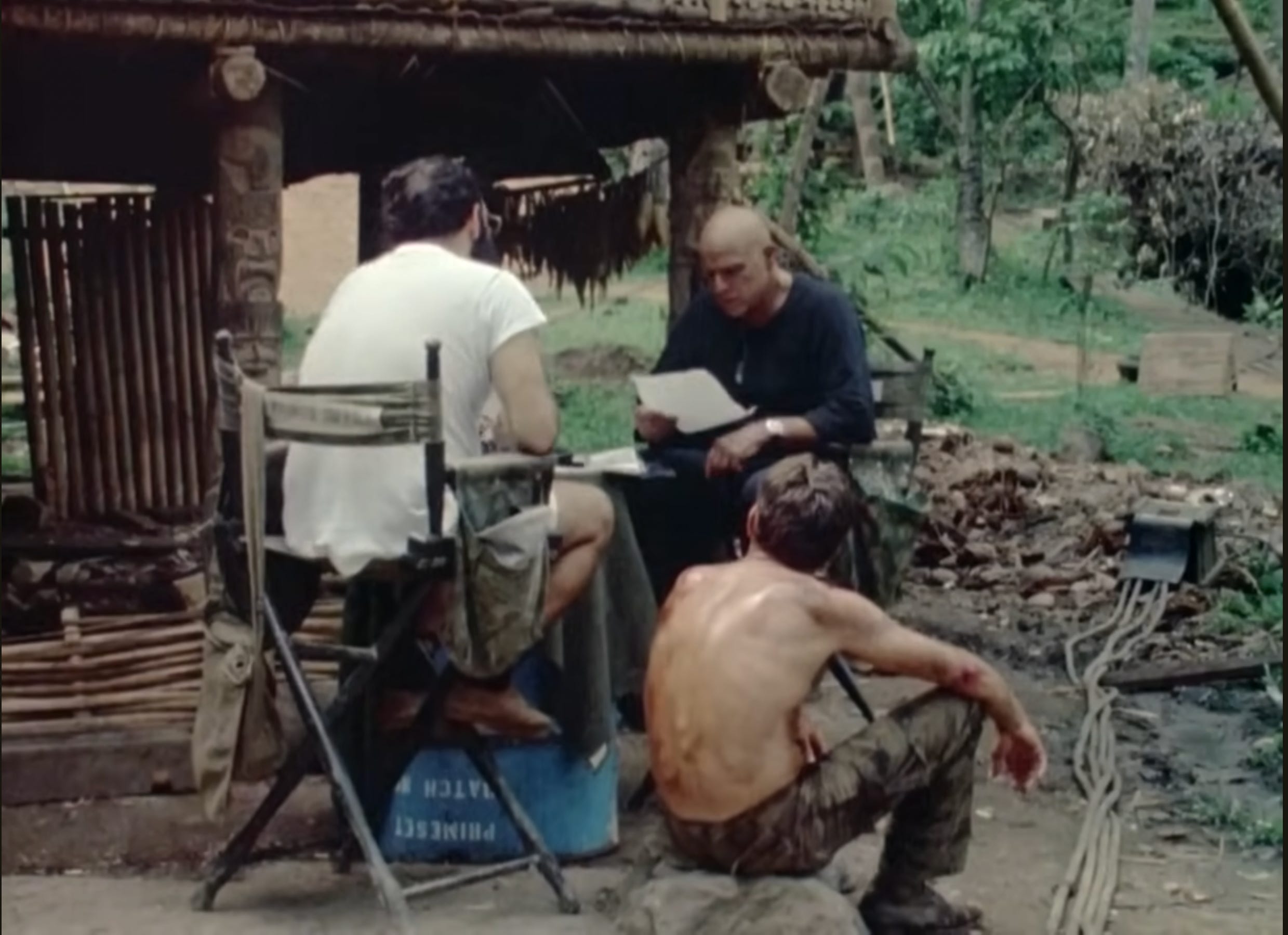
Hearts of Darkness is a breathtaking film-school-in-a-box. Not many movies have been made in the conditions Apocalypse Now was made, fewer with a director as skilled as Francis Coppola, and fewer still recording their making as thoroughly as this. The documentary reveals the finesse that comes from being a director who can also write, with Coppola making adjustments at the typewriter based on what his actors and locations were giving him. In spite of his finesse, we also watch how fallible even Coppola is, at the mercy of bureaucracy, weather, and the casting decisions he’d whiffed on. The largest gap in the documentary is Harvey Keitel’s refusal to participate. Though it isn’t addressed, Coppola has stated that he made the decision to replace Keitel when he realized that, as a character actor, Keitel was attracting attention to his performance, but the role of Willard was meant to be an observer through which the viewer needed to experience the story.
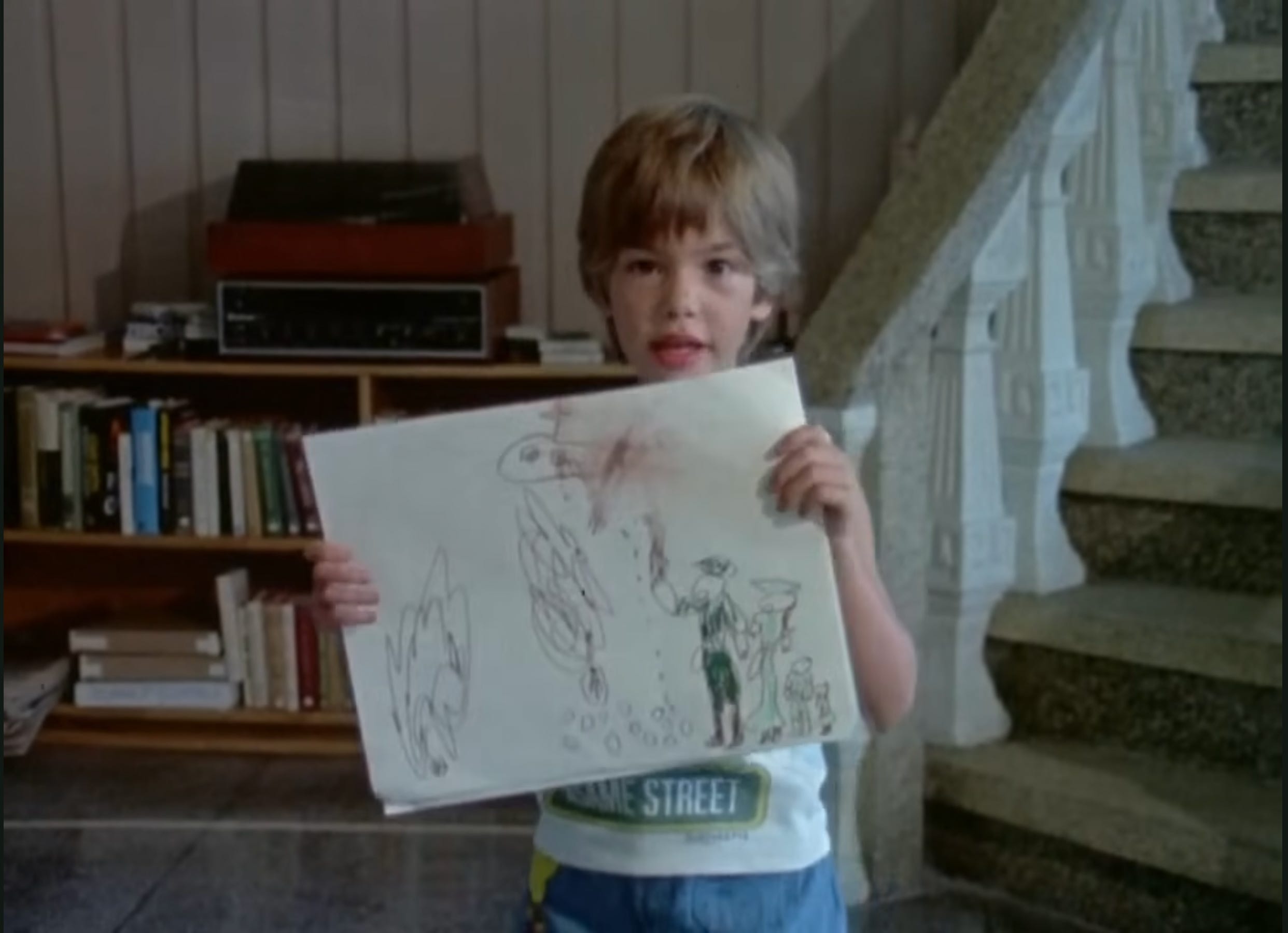
What makes Coppola one of the great film directors of the 20th century is his facility with actors, Marlon Brando, Martin Sheen, and Dennis Hopper, who have nothing in common in terms of their preparation, energy, or health. Coppola’s understanding of drama and the needs of actors is beautifully reflected by Sheen as he remembers expressing befuddlement over who his character was, and Coppola reassuring him, “He’s you. Whoever you are. Whatever we’re filming at the time, you are that character.” What’s fascinating about Hearts of Darkness: A Filmmaker’s Apocalypse is that its title is ambiguous about which filmmaker it’s referring to. We assume it’s Francis Coppola, but Eleanor Coppola shot the 16mm footage we’re watching, recorded the phone calls we hear her husband making, and her book Notes serves as the spine of the documentary. That’s her voice we hear narrating the picture. Archivists Fax Bahr and George Hickenlooper place Eleanor—not her husband—at the center of their film in a way it’s very unlikely she would have if directing or editing it herself. In that regard, she gets the respect she deserves as a documentarian. As opposed to a “making-of” feature that goes behind the scenes of a movie, Hearts of Darkness goes behind the scenes of a wife. It tells the story of a woman observing her husband and the future of their family walk a tightrope, and while his mood and emotional health fluctuate, hers appear to remain steady. How she does this is one of the enticing mysteries of the film. The documentary leans into anti-climax and might have used more interviews exploring how each participant changed, Coppola directing several more pictures in an experimental fashion but with instincts dulled by his experiences in the Philippines. The outtakes that Hickenlooper pulls out of the bag are harrowing—Sheen intoxicated and splitting his thumb open in an improv in which he punches a mirror—while Eleanor’s narration pulls us back there as all of this is happening.
Video rental category: Documentary
Special interest: Performing Arts