

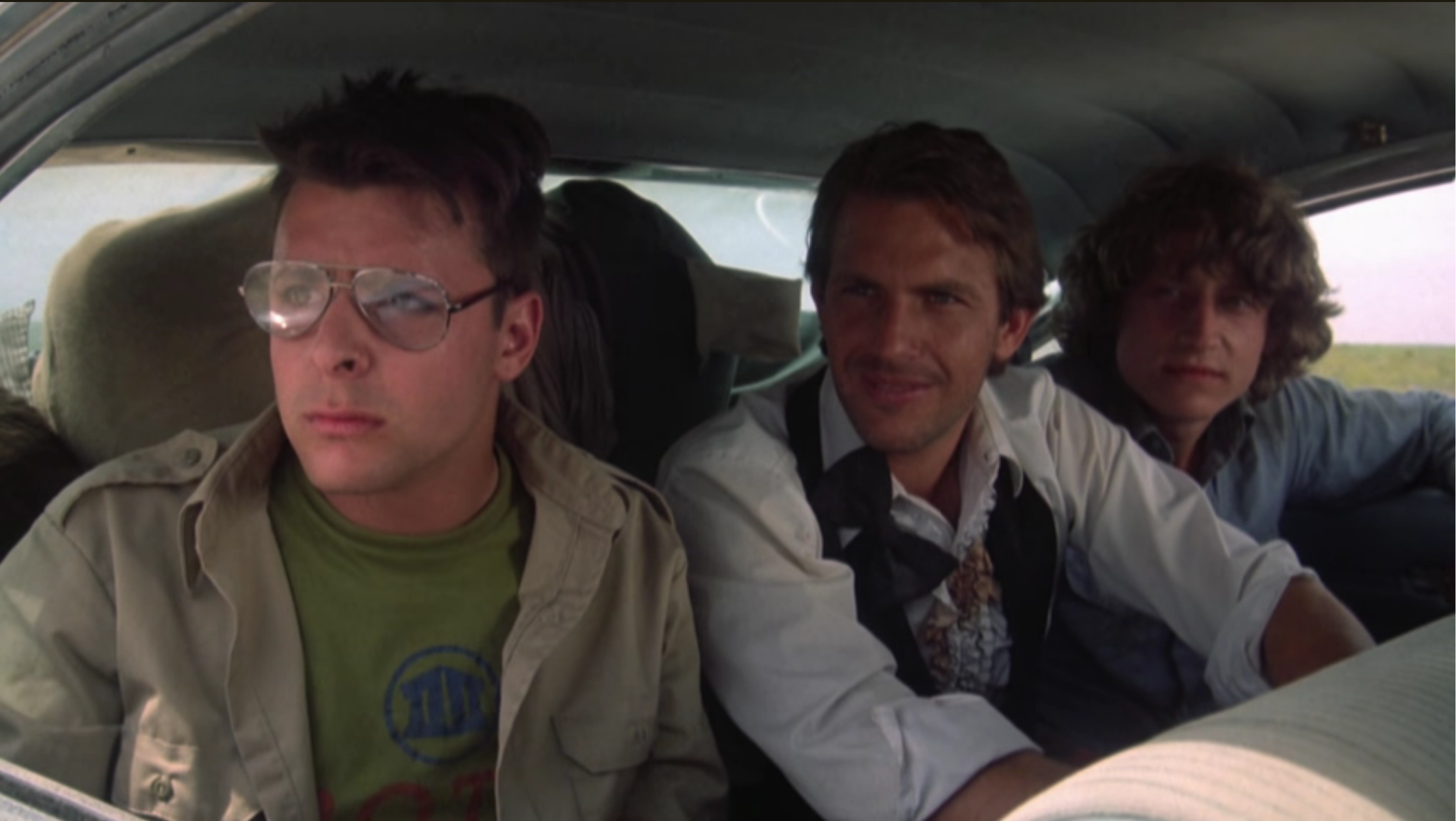
FANDANGO (1985) is like a man who’s never worn a tuxedo, dressed up and placed in a strange social environment. It’s awkward, quietly observant and faking its way through a big event. A coming-of-age tale that takes its show on the road, it’s the work of a rookie writer/director just trying to survive the experience. Unlike most drives across the Big Bend region of West Texas, the film isn’t in a hurry to get anywhere, treating the emptiness of the landscape as its most memorable character.
Kevin Reynolds spent a good portion of his youth in Waco, Texas. His father, a twenty-year veteran of the U.S. Air Force, began his career at Baylor University in 1956 as an assistant professor of aerospace studies. Kevin, a self-described Air Force brat, graduated from the University of Texas at Austin in 1974 with a degree in history. Needing what was then considered a solid vocation, and with his father now executive vice-president of Baylor, applying to law school there didn’t take much convincing. With a law degree in hand, Reynolds returned to Austin to work for Secretary of State and future governor Mark White as a staff attorney specializing in election law. In an interview with Leonard Klady for the Los Angeles Times published on September 18, 1988, Reynolds didn’t hold back about his legal career. “I truly hated law school. Friends kept on assuring me that once I was out in the real world, things would be better. The truth, for me, was I became increasingly more miserable the longer I practiced.” Reynolds found himself in movies, a passion that had taken root when he discovered favorites like Lawrence of Arabia (1962) and Dr. Strangelove or: How I Learned to Stop Worrying and Love the Bomb (1964) at the Hogg Memorial Auditorium while attending UT.
Law did offer Reynolds a steady income and significant free time. He returned to UT to enroll in film courses in the evening. For the price of tuition and his own film stock, Reynolds was given access to equipment and editing facilities at the state school, and began developing his filmmaking craft. Among his instructors was Edward Dmytryk, the Academy Award-nominated director of Crossfire (1947) starring Robert Mitchum and Gloria Grahame, as well as The Caine Mutiny (1954) with Humphrey Bogart. Dmytryk had been blacklisted, along with the rest of the Hollywood Ten, for initially refusing to name Communists to the House Un-American Activities Committee, a stance he abandoned after four and a half months in federal prison, agreeing to cooperate. When Reynolds told him that he wanted to be a film director, Dmytryk, who’d earned the right to discourage him, called directing the toughest job in the world. Reynolds persisted. With a letter of introduction from Dmytryk, he was accepted into the film program at the University of Southern California. For two and a half years, Reynolds lived and breathed writing and directing movies. He assumed he’d return to Texas to carve out a career as an independent filmmaker, and set two goals while studying in Los Angeles: write a screenplay he could sell, and direct a short film he could circulate as a demo reel.
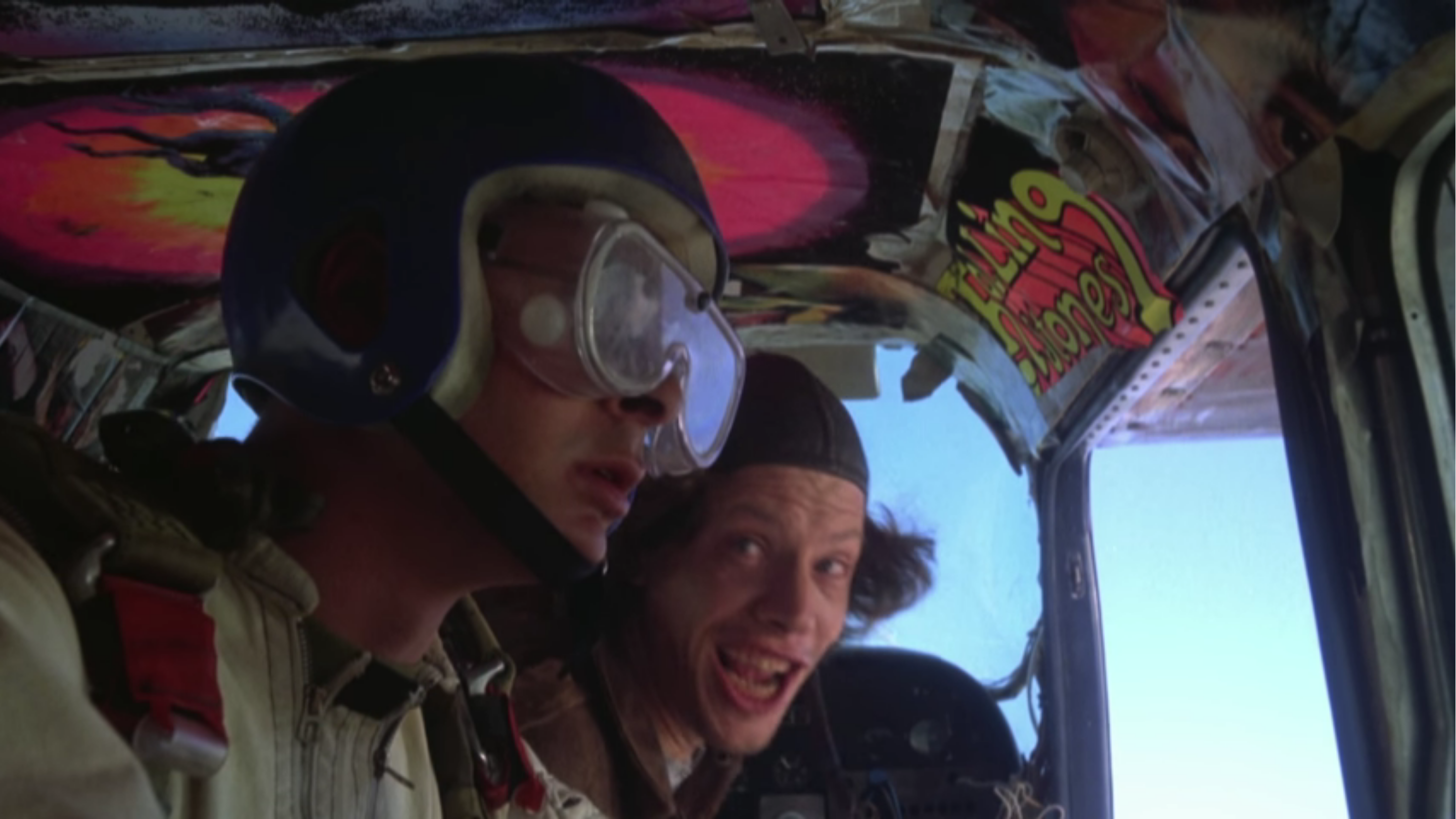
In the early eighties, the United States and Soviet Union were the closest they’d been to World War III since the Cuban Missile Crisis. Reynolds, alarmed by what he considered dangerous rhetoric, wrote Ten Soldiers. The screenplay imagines teenagers in small-town America mounting a guerrilla resistance against Soviet and Cuban occupiers. MGM/UA purchased the script. By the time he graduated from USC in 1981, Reynolds had also written and directed a 22-minute short film. Titled Proof (1980), it was about a college student named Philip who jumps out of a perfectly good aircraft to prove his manhood. Reynolds had a good friend named Mark Illsley who was a certified pilot. Serving as production manager, Illsley loaded Reynolds and his cast into a Winnebago and drove them to an airfield in the desert near Lancaster. There, they rented a plane for the weekend and, without asking permission, shot their film. Reynolds operated the camera, Illsley piloted the plane. The film looked and felt like something far bigger than a student project. Reynolds knew a UT alum named Mike Simpson, who’d risen from assistant to agent at the William Morris Agency. Simpson took Reynolds on as his first client. They figured they had nothing to lose by sending Proof to the biggest director on the planet: Steven Spielberg.
Two weeks later, on the USC campus, Reynolds was flagged down by Mort Zarcoff, co-chairman of the Film & Television department. Zarcoff told him that someone from Spielberg’s office was calling. Kathleen Kennedy, Spielberg’s then-assistant, told Reynolds that the director of Jaws (1975) and Close Encounters of the Third Kind (1977) had screened Proof and wanted to meet its director. Spielberg had plenty to occupy his attention at the time. In the spring of 1981, he started production on Poltergeist (1982) as a writer/producer. In a few months, he was scheduled to begin shooting a movie under the working title A Boy’s Life that had something to do with children and an alien. Meeting at his office on the MGM lot, Spielberg, who’d directed a student short of his own titled Amblin’ (1968), asked Reynolds what he wanted to do next. Reynolds gave the same answer he’d given Edward Dmytryk. He wanted to direct. Within days, Reynolds received a call from Kennedy at his crummy apartment in Studio City with news that Spielberg was making arrangements for him to expand his student film into a feature. This would require Reynolds to write a screenplay from the inside-out, using the skydiving sequence from Proof as a centerpiece and adding an hour and a half of character and worldbuilding around it.
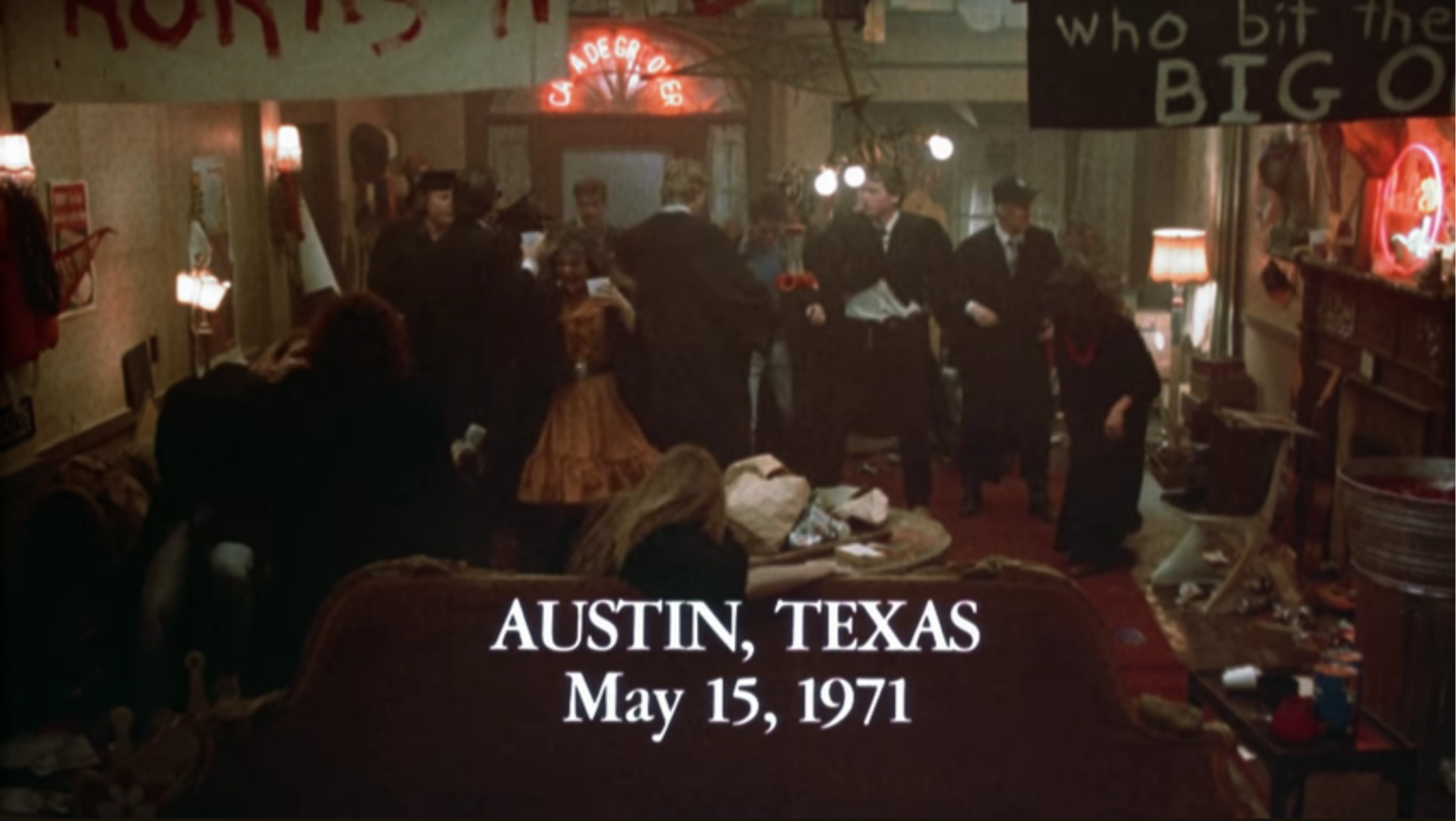
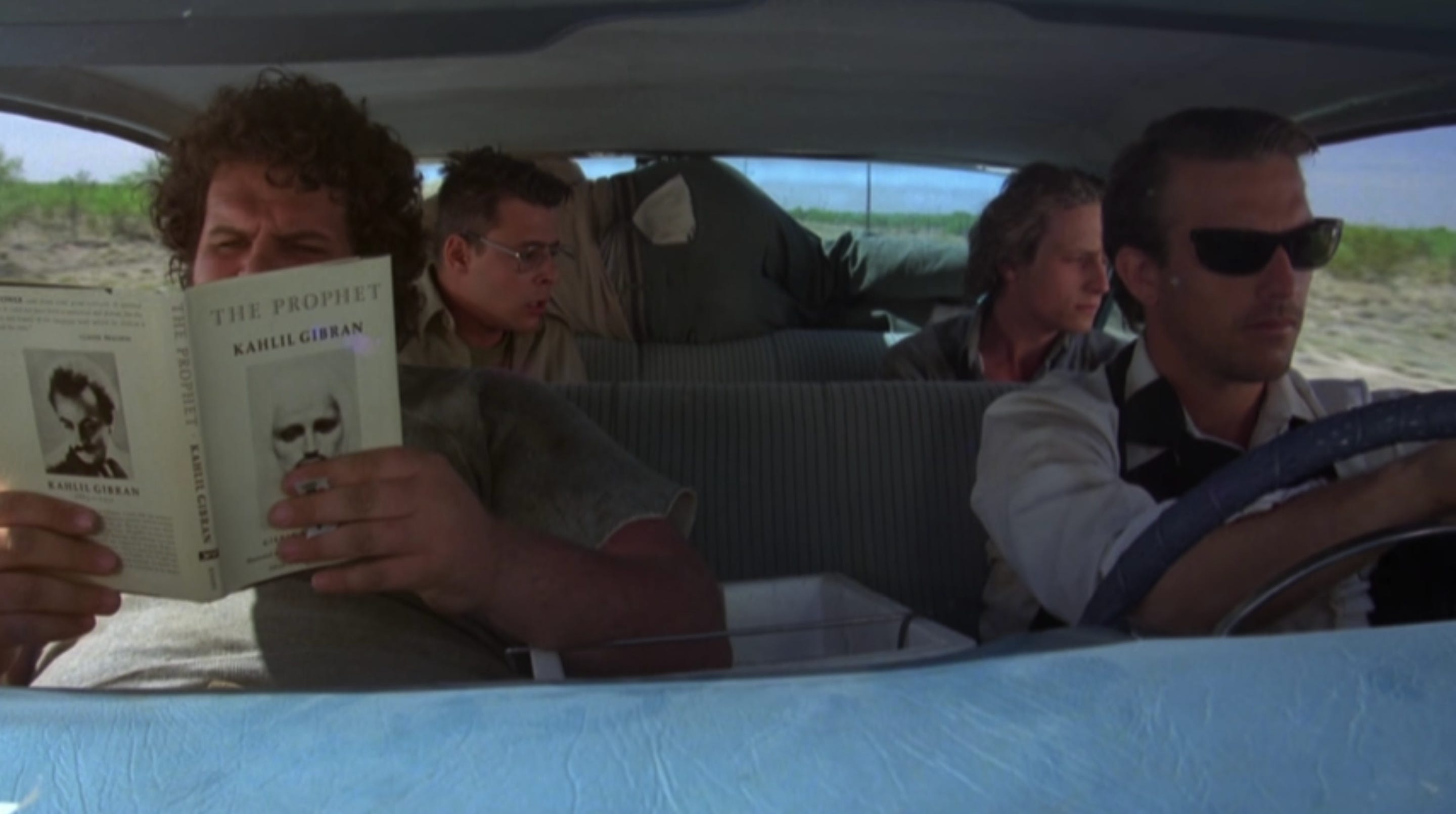
Reynolds recalled, “Fandango is largely autobiographical, though some of the events actually didn’t happen. I had some fraternity buddies who called themselves the Groovers, like in the film, and I think our draft numbers together totaled 16. Fortunately the draft was abolished before we were called. I kind of mixed together their characters in my head.” To get Philip to the airfield, Reynolds leaned on an idea so native to Texas college students it was practically a rite of passage: the road trip west. He added, “I guess everybody in school went on road trips. These trips always turned out to be horrible. Later, you look back and laugh. We’d always do that. It’d be twelve at night and we’d pile into a car and say, ’Let’s go to Mexico.’”
Poltergeist marked Spielberg’s debut as a hands-on producer. The idea for the haunted house thriller was his. He co-wrote the script, assembled a cast, storyboarded shots and shaped the film in post-production. The extent of Spielberg’s involvement led to conjecture in the press that he, not Tobe Hooper, had directed the movie. Spielberg would adopt a lighter touch as a producer moving forward, offering input but leaving decisions to the directors he wanted to work with. This approach would become a cornerstone of Amblin Entertainment, which Spielberg co-founded with Kathleen Kennedy and Frank Marshall in 1981. Kennedy was ready to make the leap from Spielberg’s assistant to his producing partner. Marshall had already done so, working his way up from an assistant to directors Peter Bogdanovich and Walter Hill to producing Raiders of the Lost Ark (1981).
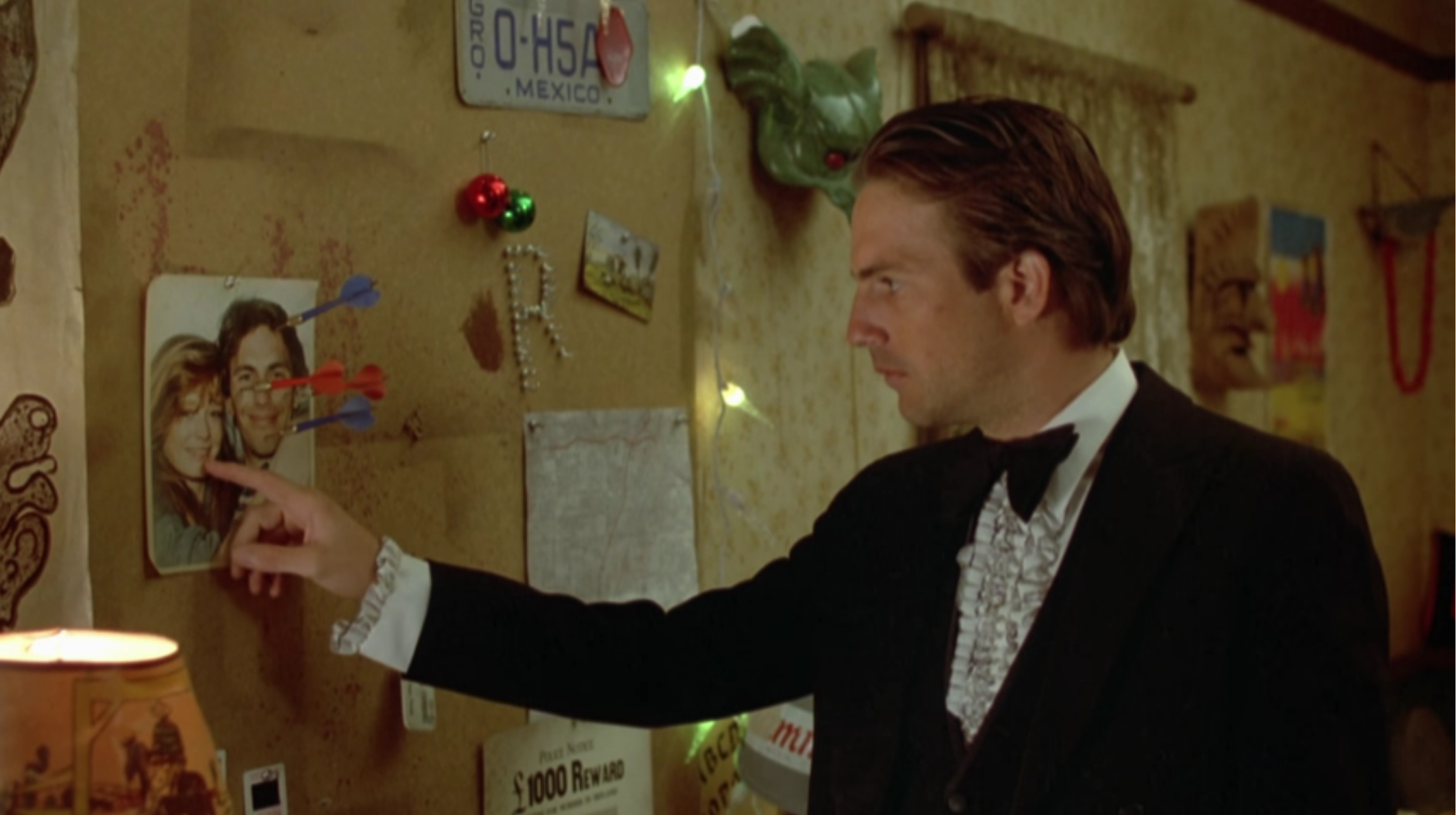
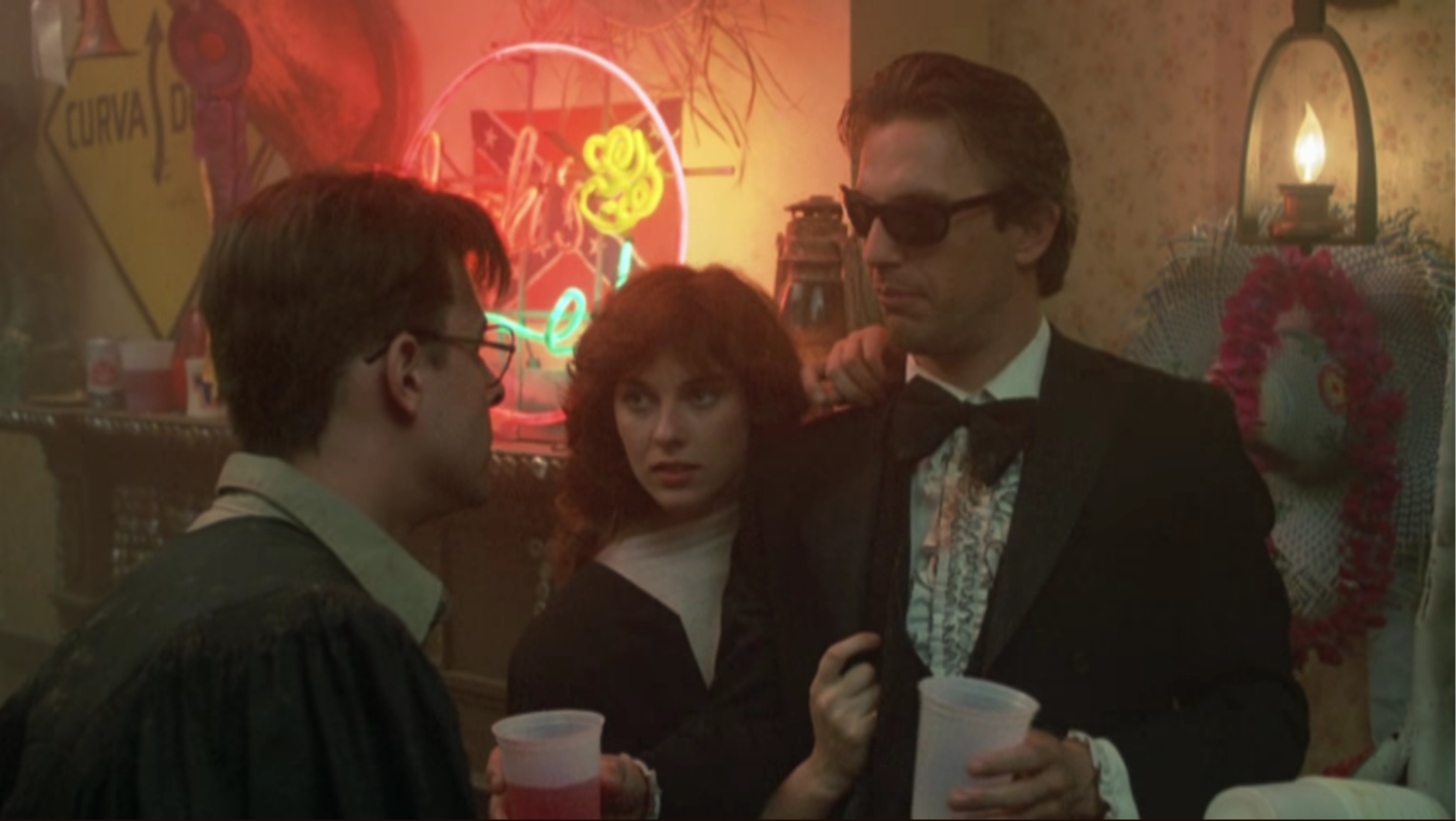
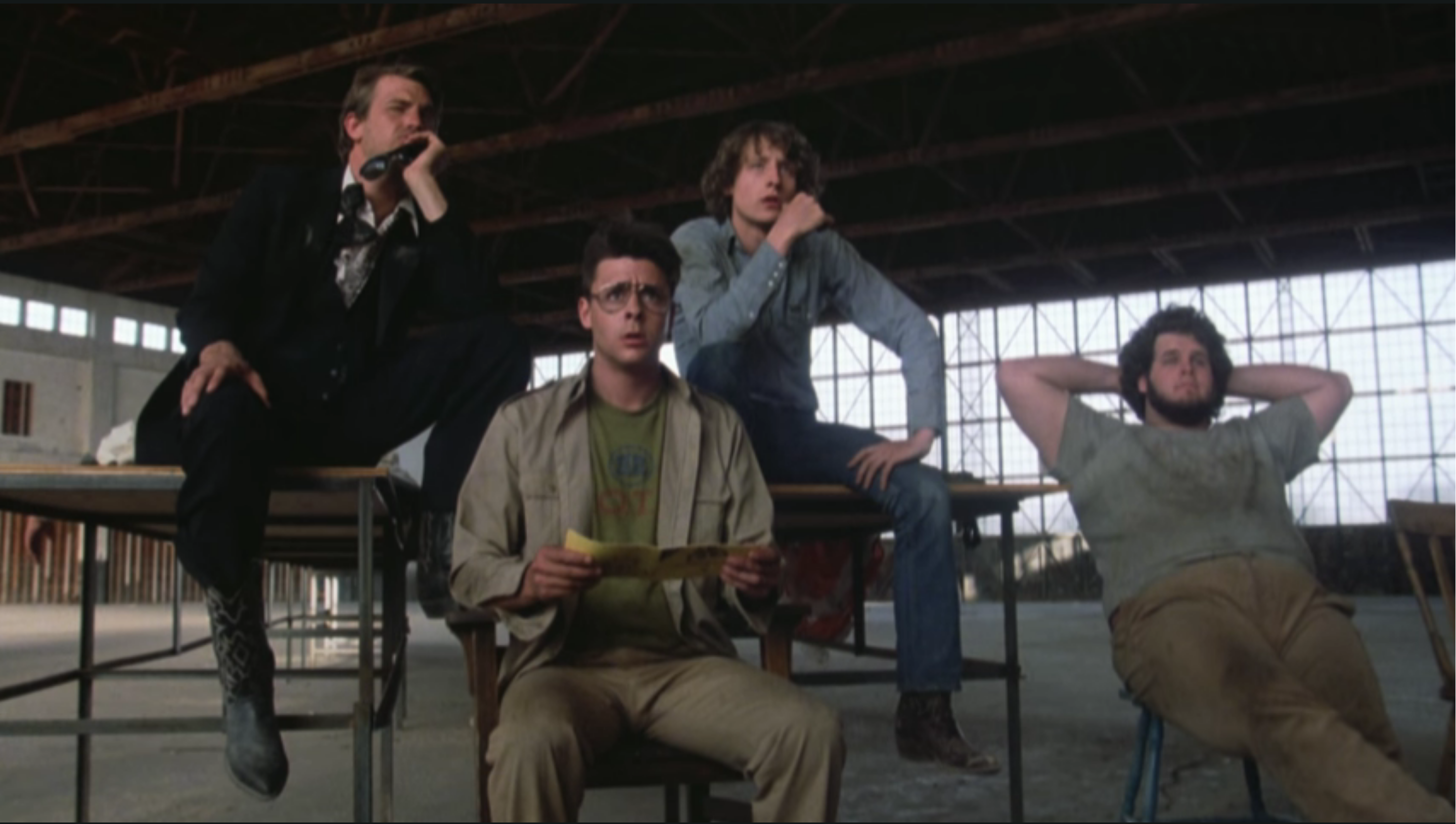
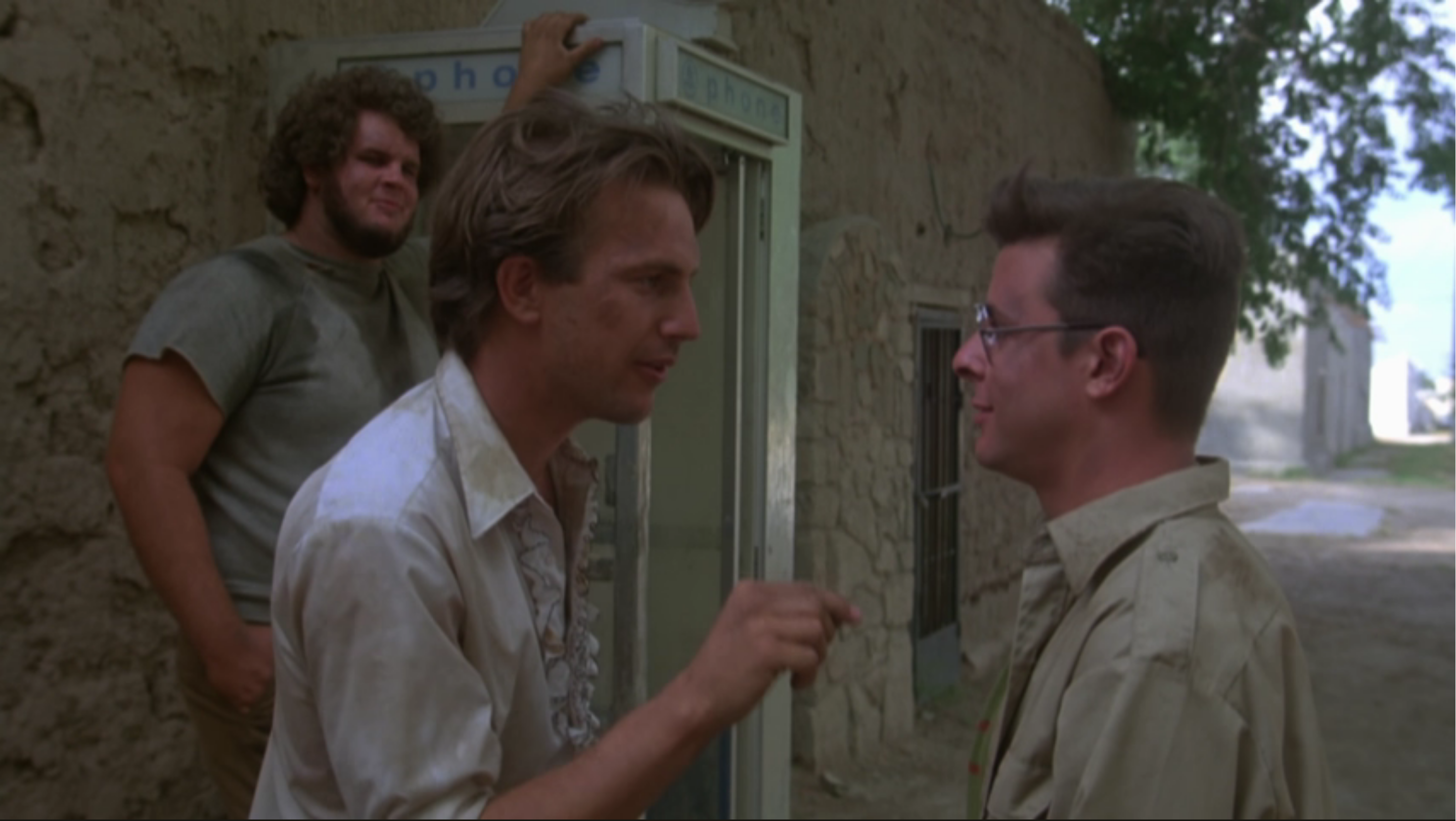
Warner Bros. Pictures agreed to finance and distribute a pair of Amblin projects. Their commercial prospects were so shaky the studio would have passed had anyone but Spielberg presented them. One was a horror comedy to be directed by Joe Dante titled Gremlins (1984) at an estimated production cost of $11 million. The other was Fandango, written and directed by first-timer Kevin Reynolds as a $6 million expansion of his student short. Tim Zinnemann was appointed producer of the latter. He’d built his career as a first assistant director before moving into producing, where he developed a track record for coaching first-time directors, including Michael Mann on The Jericho Mile (1979) and Tim Hunter on Tex (1982). Sticking with what worked in Proof, Reynolds brought back Marvin J. McIntyre to reprise his role as zoned-out bush pilot Truman Sparks. One of the actors who’d auditioned for a role in Proof was a young Kevin Costner. By the time he returned to audition for Fandango, Costner had booked what looked like a career-making role in The Big Chill (1983). Director Lawrence Kasdan would reduce him to a corpse in the funeral scene, his face and voice cut entirely. Costner had appeared on screen before, but Fandango was his first real introduction to audiences, walking and talking as Gardner Barnes, leader of five University of Texas fraternity brothers in 1971 who call themselves the Groovers.
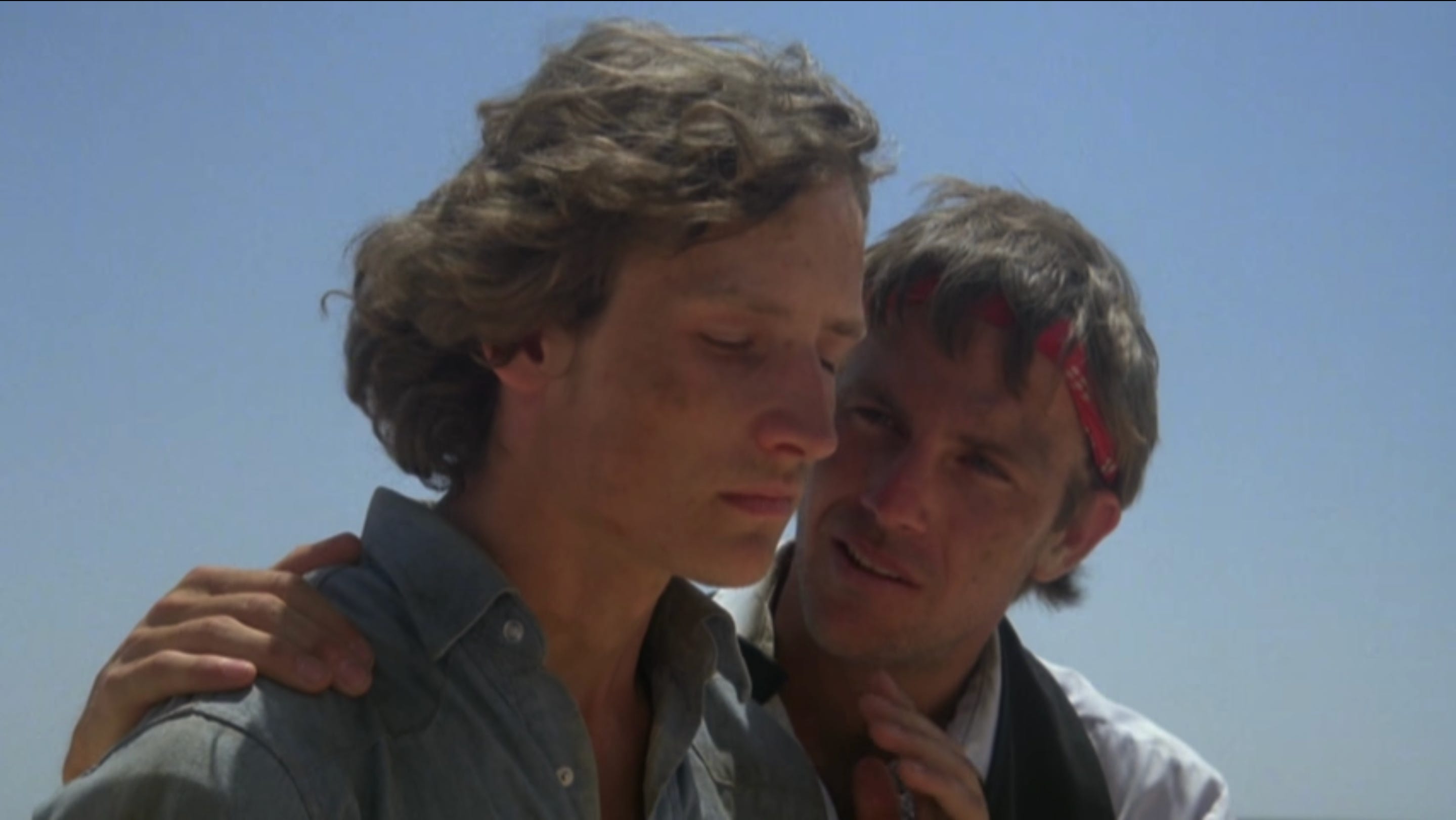
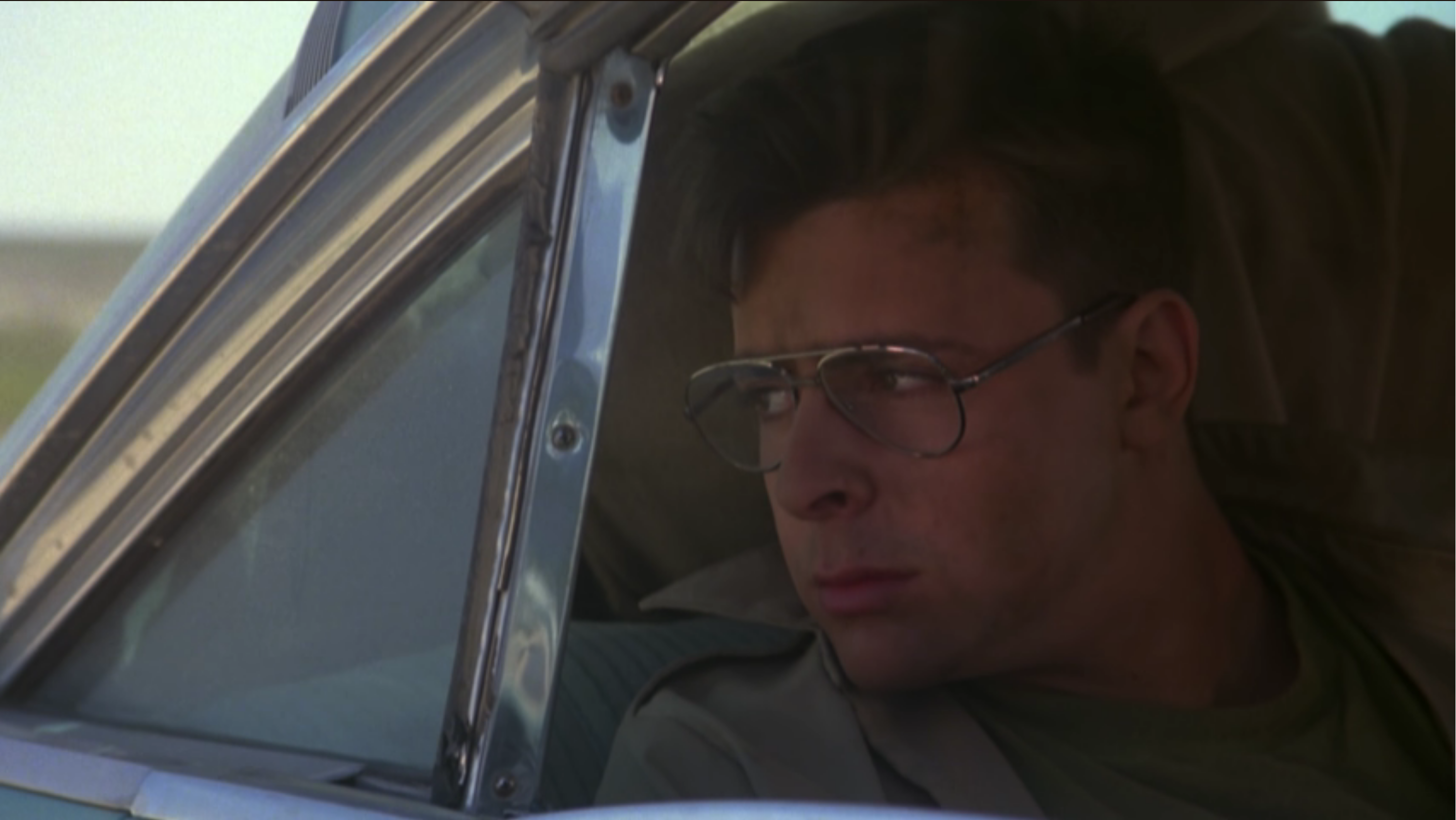
Judd Nelson was cast as Philip. Taunted as a “weenie” by Gardner, his character dives out of a plane to prove otherwise. Nelson had almost played the punk rock romantic lead in Valley Girl (1983) before a scheduling conflict took him out of the running. Fandango was his first film or television role of any note. Sam Robards, son of actors Jason Robards and Lauren Bacall, won the part of Kenneth. His character’s decision to call off his wedding sends the Groovers on their road trip. Reynolds centered his search for the other cast members in Austin. Brian Cesak was a finance major at UT who answered an ad in the Daily Texan headlined, “Do You Want To Be a Star?” His character, Lester, needs to be portable enough to be carried from place to place, spending nearly the entire film comatose. With one month before graduation, Cesak dropped out of college to take the part. Chuck Bush was discovered at a local 7-Eleven. At 6’7” and 365 pounds, he was a security guard at Dillard’s department store, with aspirations to study osteopathic medicine. He’d stopped at 7-Eleven at midnight for a soda. Walking in were Reynolds and his now-assistant Mark Illsley, days away from principal photography and scouting bars on Sixth Street for fresh faces. Bush recalled Illsley jogging out to the parking lot to ask if he wanted to be in movies. He dropped everything to go to West Texas for nine weeks to film his role as Dorman. Billed as “The Girl,” Suzy Amis was a model from Oklahoma City making her film debut. She wouldn’t stay an ingénue for long. Amis went on to star in the low budget western The Ballad of Little Jo (1993) and play the granddaughter of Old Rose in the present-day scenes of Titanic (1997).
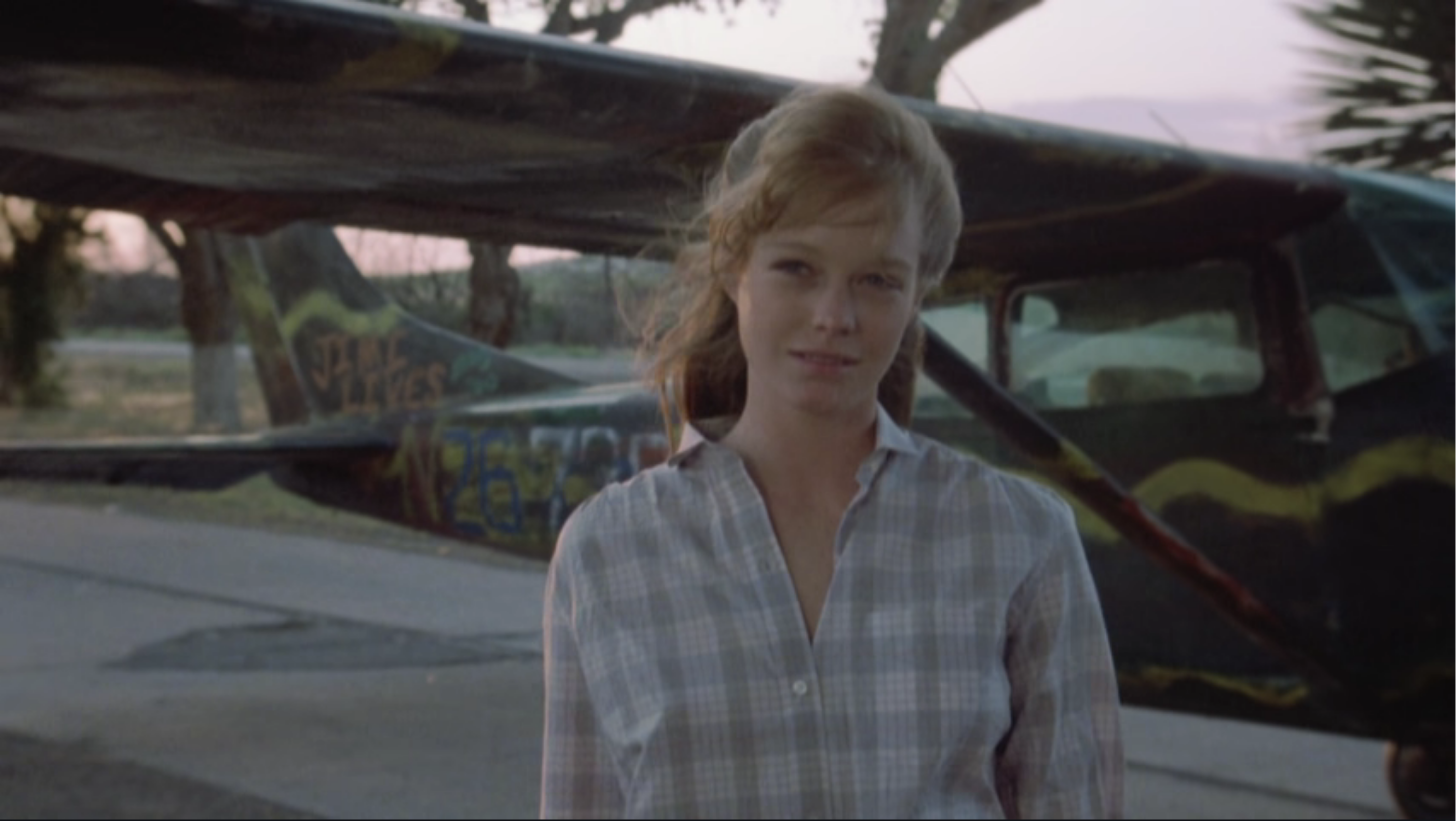
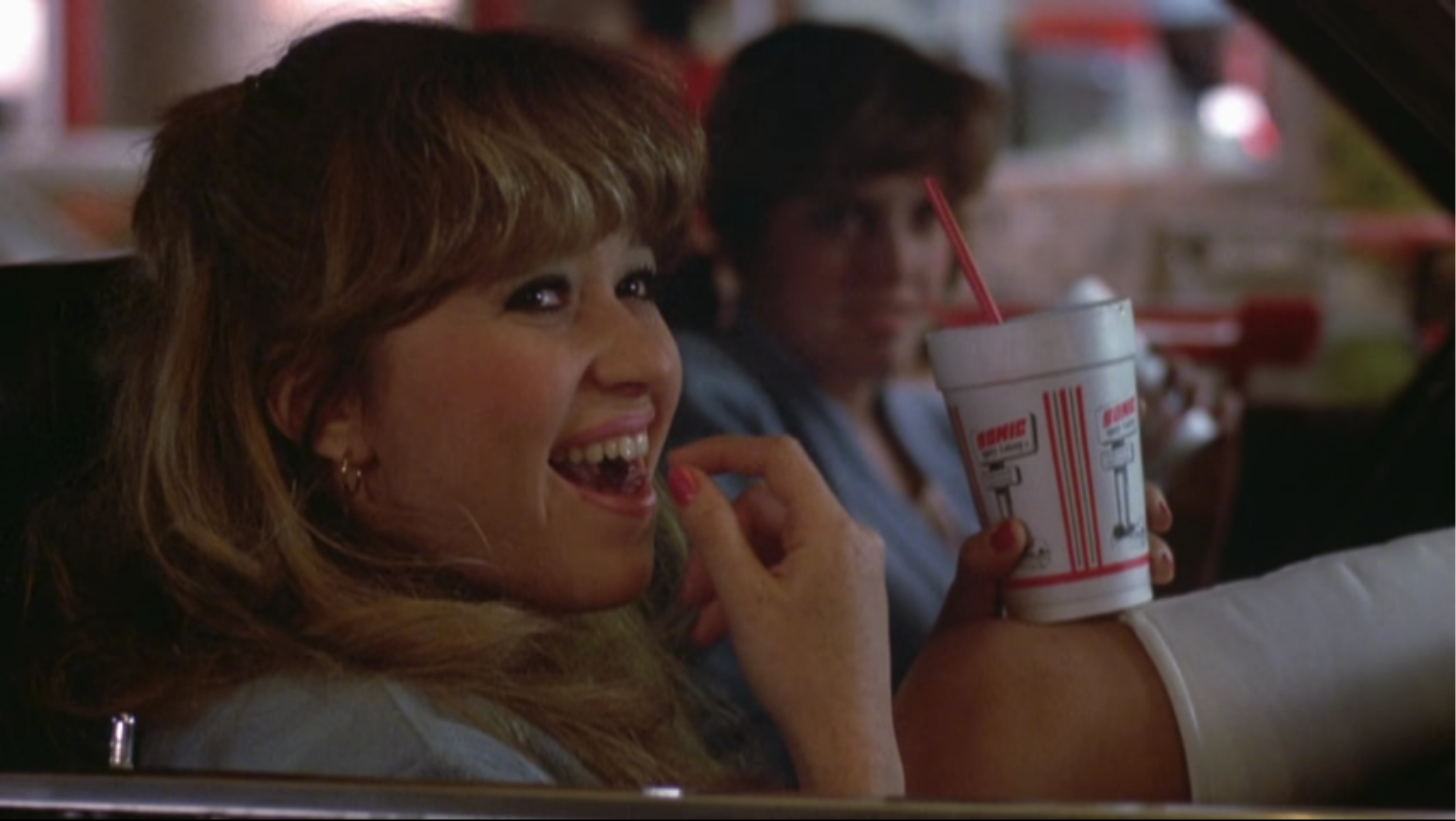
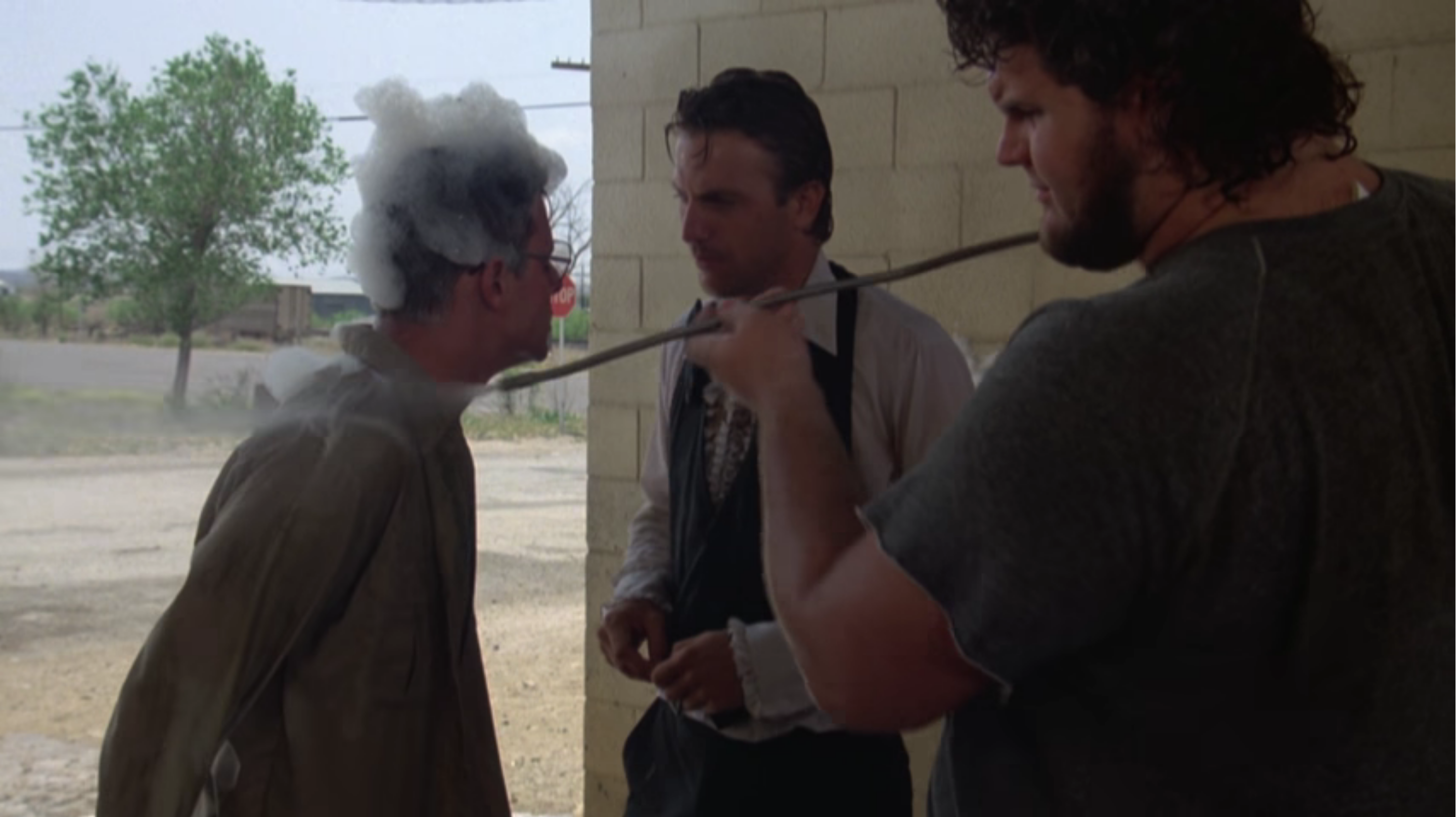
Fandango commenced shooting in April 1983 in West Texas. The production would crisscross the Big Bend region, the highways, ranches and towns of the Trans-Pecos serving as a backlot. The auto garage where the Groovers take Philip’s ’59 Cadillac for a front-end alignment was filmed in Marathon. Outside Marfa, on the Evans Ryan Ranch, the Reata Ranch exterior from Giant (1956) still stood, myth decaying in the brush. The epic starred Rock Hudson, Elizabeth Taylor and James Dean. The location served as the Groovers’ campsite. Marfa Cemetery hosted the scene where two local gals (Elizabeth Daily, Robyn Rose) engage the Groovers in a bottle rocket war. They were supposed to meet in Marfa at Dairy Queen, the fast food stand as fixed in small-town Texas as pickup trucks. Denied permission, Reynolds shot the scene in Alpine at Sonic Drive-In. The terminus of the Groovers’ road trip, where their “friend” Dom is buried, was filmed between the towns of Lajitas and Presidio off FM 170. Border residents refer to the stretch hugging the Rio Grande as the “River Road,” home to some of the most spectacular geological formations in the state. The sequence of Truman en route to retrieve the Girl was set to film near Love Field in Dallas. Refused clearance to land an airplane on the freeways of Texas, the filmmakers turned to Zinnemann’s contacts in Oklahoma, where he’d made Tex, and the sequence was shot on a section of OK-64 west of Sand Springs. The wedding that climaxes the picture returned to Texas, filmed in the town center of San Elizario, near El Paso.
While Reynolds and Zinnemann had hoped Fandango would pave the way for Reynolds to direct Ten Soldiers next, MGM/UA had neither the patience to wait for them, nor agreement on the movie the studio wanted. They hired John Milius to direct, granting the co-writer of Jeremiah Johnson (1972) and Apocalypse Now (1979) license to rewrite Reynolds’ script. Studio vice-chairman Frank Yablans settled on the title Red Dawn (1984). Asked for his thoughts on the film in 2021, Reynolds was candid on the Indie Film Hustle podcast. He stated, “John Milius took it and I think he made it a little more jingoistic — I don’t think he did, he did — he made it more jingoistic than what I intended it to be. What I wrote was more like Lord of the Flies. And John was trying to make more of a political statement. I just wanted to show, this is what war does to people, this is what it would do to you if it happened here.” The Writers Guild of America would award screenplay credit to John Milius and Kevin Reynolds, from a story by Reynolds. To score Fandango, Reynolds wanted music that felt quirky and unhurried, ideal for small town Texas. His initial choice was Pat Metheny. The jazz guitarist didn’t have room in his schedule for a motion picture score, opening the door for Amblin to hire a conventional composer. Alan Silvestri, composing his first fully orchestrated film score, got the job, with Metheny contributing guitar solos that Reynolds worked into the picture.
Fandango was scheduled to open a few weeks after Red Dawn, in the fall of 1984, a release that might have generated buzz for Reynolds’ directorial debut. That plan fell apart when Spielberg got a look at Fandango. Rather than deviate from his brand, he was building Amblin to extend it, with Gremlins, The Goonies (1985), Back to the Future (1985) and Young Sherlock Holmes (1985) driven by wonder and spectacle. Proof suggested that Reynolds could deliver an outrageous action comedy that would have fit neatly into Amblin’s model. The filmmaker had his own ideas. In 2025, on the Film Stories with Simon Brew podcast, Reynolds confided, “Unfortunately, I think Steven expected it to be more like [National Lampoon’s] Animal House, which is sort of the quality, a little bit of Proof. But I guess at the time, I wanted to do something a little more soulful. And like so many filmmakers, my first film was a sort of quintessential coming-of-age story that everybody has to get out of their system before they can move on to something else. And that’s sort of where I found myself as I sat down to write it. And I think it was more soulful, which I don’t think was a bad thing. But I think it was not necessarily what some people expected it to be.” Kathleen Kennedy and Frank Marshall kept their executive producer credits, but Spielberg removed his name from the film and its advertisements.
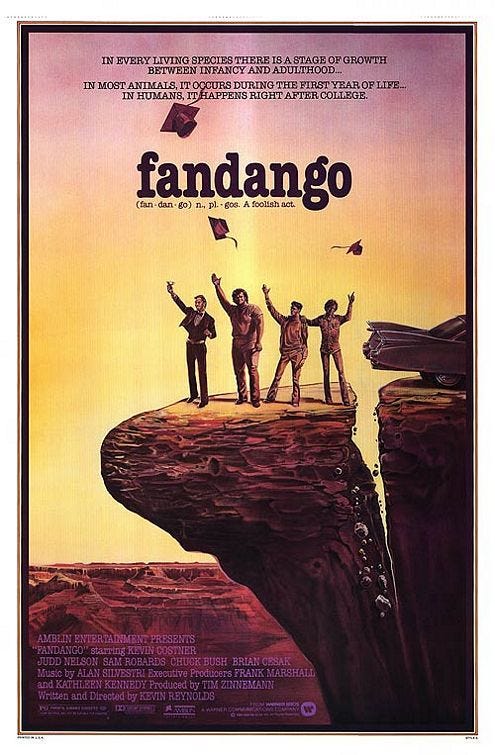
When test screenings confirmed Fandango wasn’t what audiences expected either, Warner Bros. dumped its release to January. This was a month in which distributors dumped surplus product with the least fanfare or shame. February, August and September saw their share of dumping as well, but not to the degree of January, a dismal month to release a movie without an awards campaign. Moviegoers were recovering from Christmas spending, students were back in school, and inclement weather depressed attendance in many markets. Fandango opened in 27 theaters in only a handful of cities, including New York and Fort Worth, on January 25, 1985. Early reviews offered some praise. In the New York Times, Janet Maslin wrote, “The note of hip nihilism on which Fandango begins is eventually balanced out by sentimentality … Mr. Reynolds isn’t adroit with this sort of thing, but he does have a way with the sight gags and off-the-wall humor that make this a notable debut. He brings a good deal of feeling to the moments in which the film’s twin specters — Vietnam and maturity — intrude upon the frantic festivities.”
By the time Warner Bros. opened the picture in L.A. on April 26, 1985, reviews had soured. Kevin Thomas of the Los Angeles Times wrote, “ … Fandango overreaches badly and sinks under a heavy weight of symbolism, bathos and sheer preposterousness that no amount of humor and incident can redeem. Alas, Fandango sparks unwanted memories of Arthur Penn’s ill-fated, overheated Four Friends.” Having praised Proof, Michael Dare panned the feature-length expansion in LA Weekly. “It’s like Porky’s without any of the jokes. Reynolds’ direction is infinitely better than his writing (he also wrote Red Dawn — unforgivable!), but his characters have so little personality that most become indistinguishable. There are exceptions. Judd Nelson as the wimp who actually has to jump out of the airplane gives a wacky performance that’s a complete about-face from his streetwise tough in The Breakfast Club, and Marvin McIntyre is hysterical as the blissed-out owner of the parachute school with the attention span of a kitten on speed. I hate to say it, but the middle third of this film is really worth seeing. Just come in late and leave early.”
Audiences stayed away. Fandango never troubled the top ten grossing films at the box office. Supergirl (1984) sold more tickets in its tenth weekend of release than Fandango did in its first. Kevin Reynolds later acknowledged that if Kevin Costner hadn’t been his leading man, Fandango never would’ve aired on television. Despite the film’s poor performance, Spielberg, creator and executive producer of Amazing Stories for NBC, thought well enough of Reynolds to send him a teleplay he’d co-written for the show in 1986, asking him to direct it. Reynolds accepted the job on the condition that he could rewrite the script, titled “You Gotta Believe Me.” Charles Durning played a man who has a premonition of an airplane, of all things, crashing into his home.
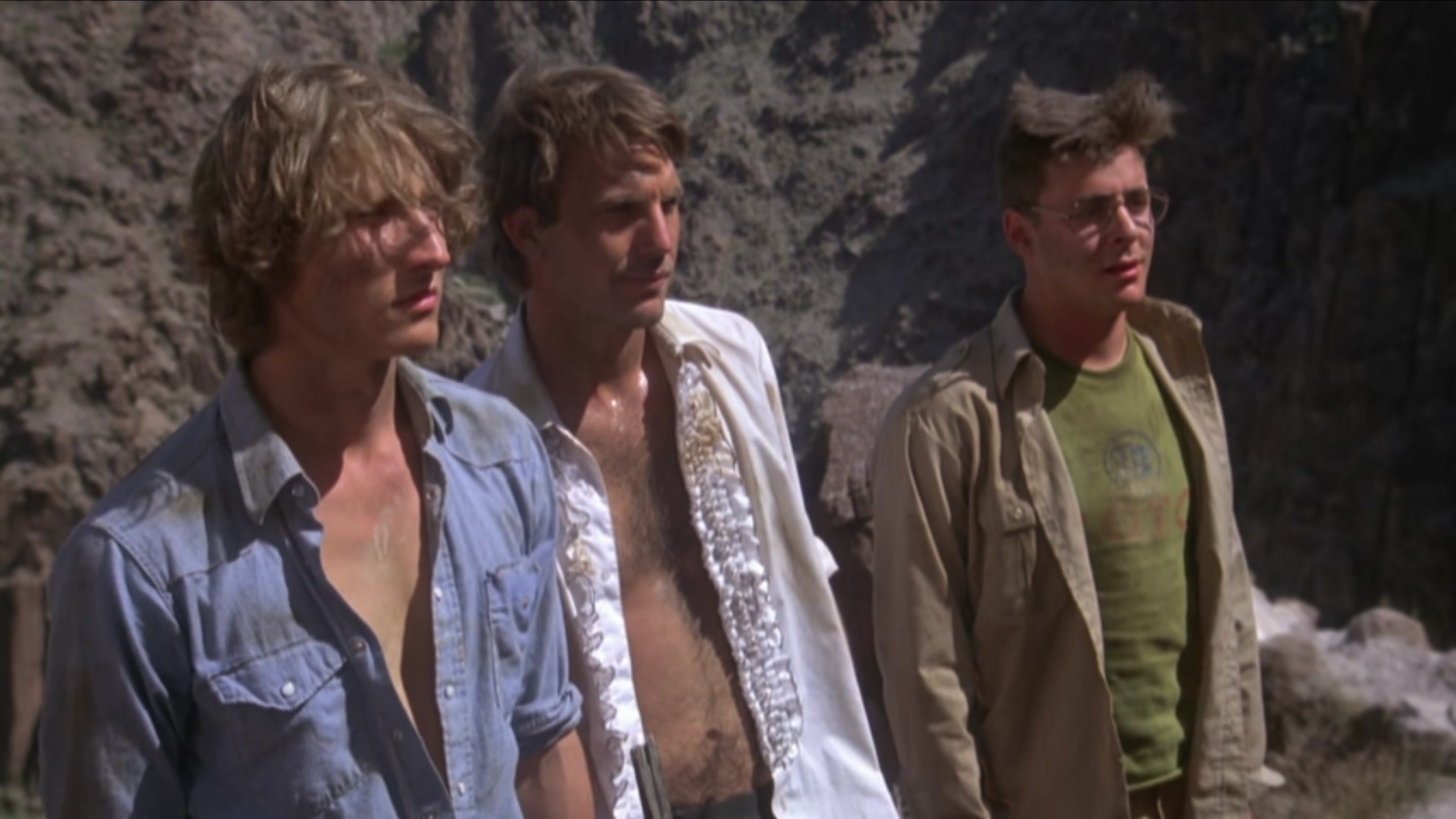
Days of Heaven (1978) was Terrence Malick’s poetic meditation on ill-fated love in the Texas panhandle. If anyone in Hollywood had pitched “Animal House meets Days of Heaven” and been taken seriously, the result would be Fandango. For that, filmgoers can be at least a little grateful. Fandango anticipated Dazed and Confused (1993), without the drug use and at a fraction of the scale. Both films are about young men from Austin with a full tank of gas, some groovy tunes and a lot of beer. Out of school and running more on energy than direction, they go forth in search of something to happen. While Dazed and Confused spans twenty-four hours with an unforced ease, Fandango is a shotgun marriage of outrageous action and lyrical melancholy. Something about the Lone Star State the film captures well is the tradition of boys heading west in the night until they reach the end of the line. Once there, they realize that people, at least in small towns, are more compassionate than they assumed. Their nihilism has been fostered by clashes with parents and rejection by women. Taking both out of the center of their lives, the boys take a step closer to becoming men. This closes the loop with Dazed and Confused, which Richard Linklater conceived as something much smaller than the ensemble film it became: three or four guys who never leave a Pontiac Le Mans, cruising Texas and listening to ZZ Top on an 8-track cassette, an idea closer in spirit to the road trip in Reynolds’ film. Ironically, the ZZ Top album Linklater imagined playing on a loop in his film was titled Fandango!
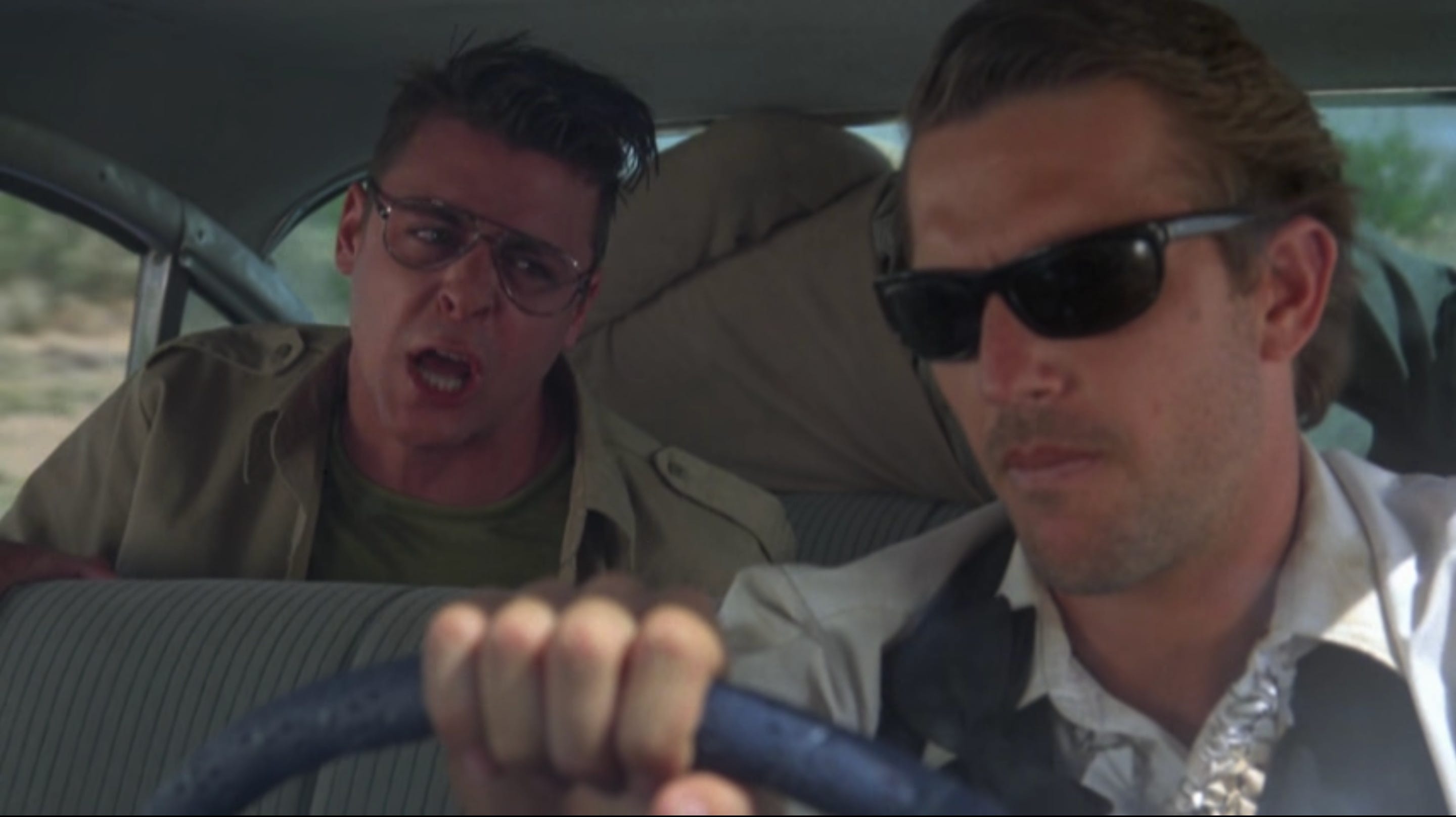
Fandango isn’t confused about its genre so much as it is about its own ambitions, caught between two different directors: the student who made Proof and the professional drawn to the visual poetry of Days of Heaven. Both directors are promising, but even in a state as big as Texas, there’s not enough room in one movie for them both to grow. This tension runs through the casting of Kevin Costner in what often behaves like a raucous college comedy, as well as Marvin J. McIntyre flying away with a movie Reynolds wasn’t interested in making. It’s a tension that shows up as much in the writing as the direction. Reynolds shows resourcefulness shooting on found locations in West Texas, but is too self-conscious about criticizing his characters. Returning to his fraternity, he struggles to relate to the people there, a distance the film never quite closes. Reynolds reveals that the Girl, who Gardner is still hung up on, is now engaged to Kenneth, yet Reynolds doesn’t explore that love triangle. He doesn’t seem to know who his characters are. The Girl doesn’t even get a proper name. The gaps in the script are apparent in how much Costner is allowed to yahoo his way through his performance for lack of anything else to do. Fandango resists getting up close and personal, and too often remains at a stiff remove from the viewer.
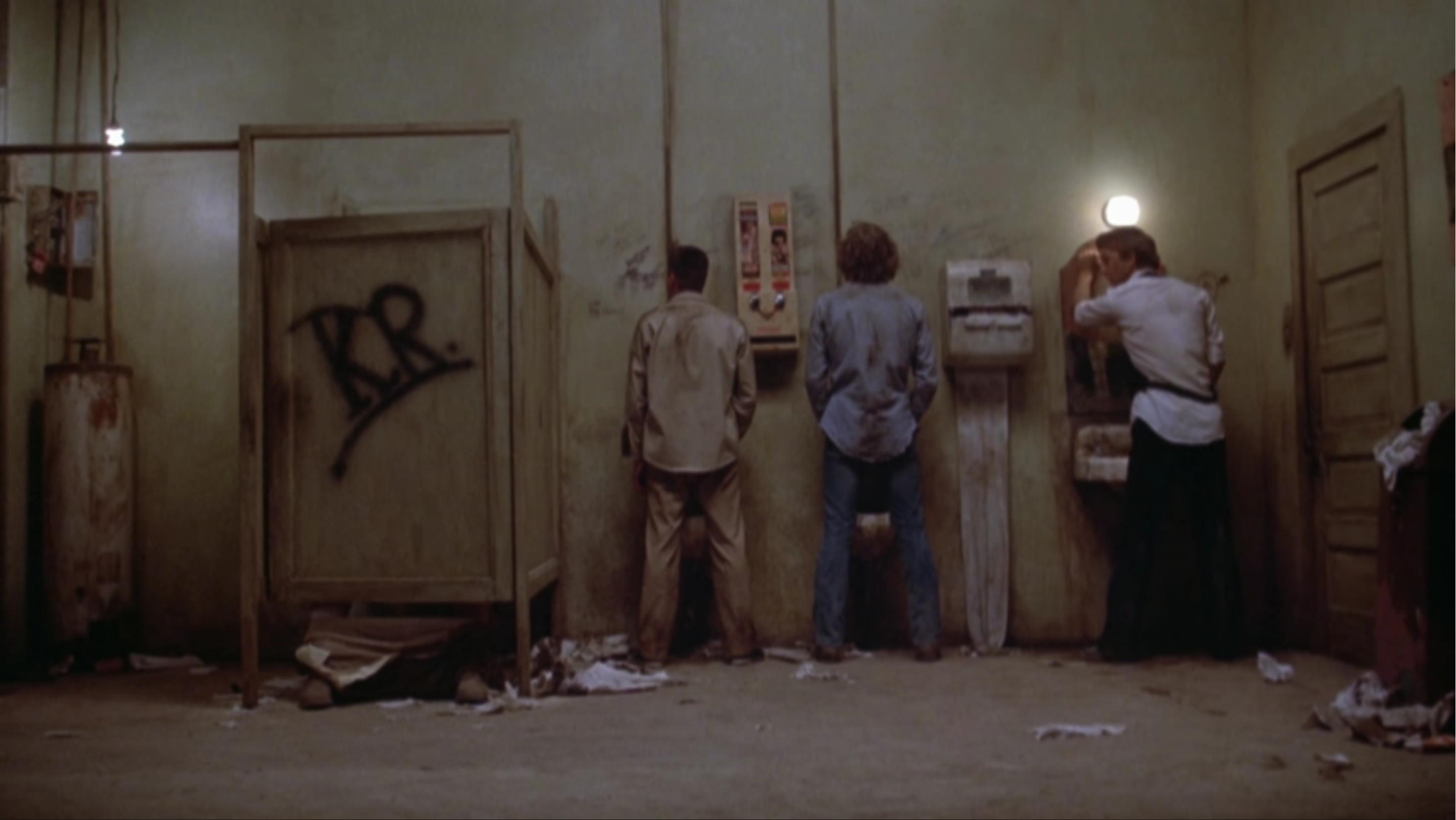
McIntyre pulls off one of the greatest movie steals ever, playing a groover so authentic that the self-described, city-bred Groovers have to stand back in fear and admiration. While Reynolds is savvy enough to bring Truman Sparks and his aerial antics back for the climax, McIntyre is such a discovery, owning all of the laughs, that he warrants his own film. That Reynolds had zero interest in making that film is commendable, even if the one he chose only works in spurts. Music is the one area where the two directors Reynolds is caught between are in harmony, and no film he’d direct would have a richer soundtrack. Alan Silvestri’s rousing orchestral cues, echoing his score for Back to the Future, are tempered with mellow compositions like “It’s For You” by Pat Metheny, Lyle Mays and Nana Vasconcelos. Blind Faith’s acoustic rock tune “Can’t Find My Way Home” caps the film in heartfelt fashion. Reynolds refused to soften Fandango into something marketable, or to become a cooperative factory director. It paid off. The same instincts that made Fandango a tough sell kept Kevin Costner in his corner as the actor ascended to superstardom. They’d reunite as director and leading man on two more feature films and one television mini-series. Costner also co-produced a passion project Reynolds rewrote and directed, Rapa Nui (1994). Fandango, the film that looked like it might end his career before it began, turned out to be a terrific calling card.
Video rental category: Comedy
Special interest: On the Road
Three years after Fandango struggled to find its audience, Steven Spielberg would not only remove his name from another off-beat youth comedy — Three O’Clock High (1987), directed by UCLA Film School grad Phil Joanou in his feature film debut — but peel the Amblin label completely off it.
Production history supplemented by Lou Lumenick’s interview with Kevin Reynolds in the New York Post (January 27, 1985) and Robert Denenstein’s in the El Paso Herald-Post (February 7, 1985)
Hey Joe, once again, a movie I remember hearing about, but have never seen… And as always, your research and analysis is so entertaining… So much so, that now I wanna see the movie … I trust that you’re giving it your recommendation. Great job! Peace! CPZ