
Standup comic/ actor/ writer/ director Woody Allen was born on November 30, 1935 in the Bronx, NY. To celebrate his 90th birthday, Video Days returns to his third decade of work this month with ten films from the master filmmaker.
ALICE (1990) is the perfectly acceptable middle chapter of three comic fantasies written and directed by, but not starring, Woody Allen. Not as efficient as The Purple Rose of Cairo (1985) or as captivating as Midnight In Paris (2011), it is an engaging comedy that doesn’t need to employ Allen as a cast member. More than a decade before filmmaker Wes Anderson created his own sub-genre–not necessarily comedy, not quite fantasy, but “whimsy”--and the film industry realized adults would pay to see them, Alice is tuned to some of the same notes.
Woody Allen would recount the genesis of his twentieth film in an interview with Roger Ebert in 1990. It all started with a sty in the filmmaker’s eye. “They’re not fatal, but you have to have them lanced, and it’s a very unpleasant thing, and when you get one, you tend to get a wave of them. I tried everything, and then someone told me that she was seeing this tremendous acupuncturist downtown, at the dingy little place. He was giving her herbs every week in little bags, and I noticed she’d go into the kitchen sometimes and pour these things together and drink them before going out to dinner, and I figured, gee, this guy’s making a fortune!” Allen continued, “It didn’t work at all. It was a totally meaningless thing, and when I told my eye doctor about it, he said, ‘Jeez, don’t let this guy place cat’s whiskers in your tear ducts because it’s not going to help you any, and it could create a problem.’ This guy was totally fraudulent, but it stayed with me because it was such a funny story. The guy was here, my friends were here, and they were laughing hysterically, but to the best of my knowledge he still runs an incredibly thriving business in a dive in Chinatown, and rich women still go up the rickety stairs to see him.” Allen concluded, “It doesn’t hurt. Everybody, including me, is always searching for something, but nobody ever helps you–that’s the problem.”
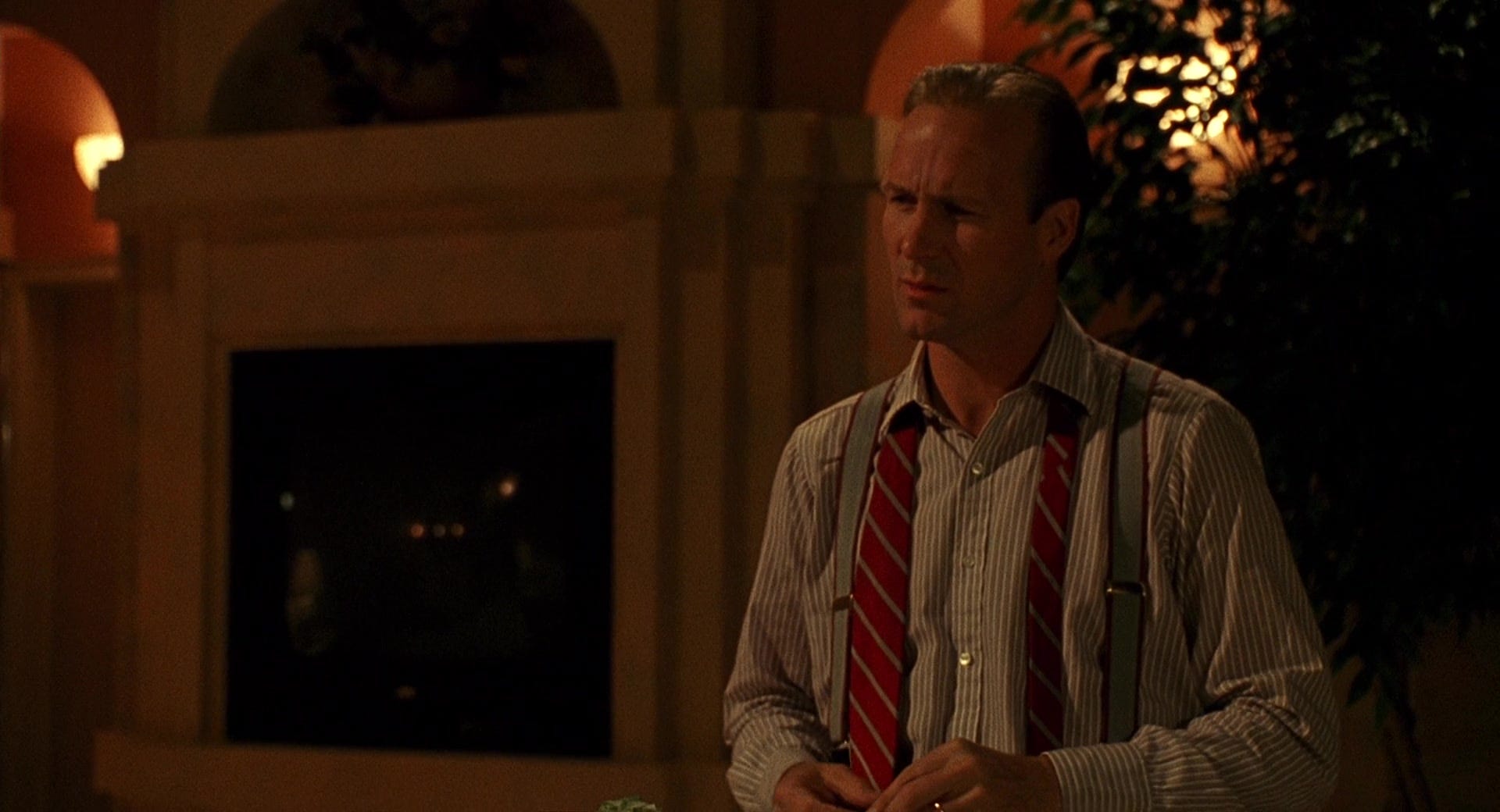
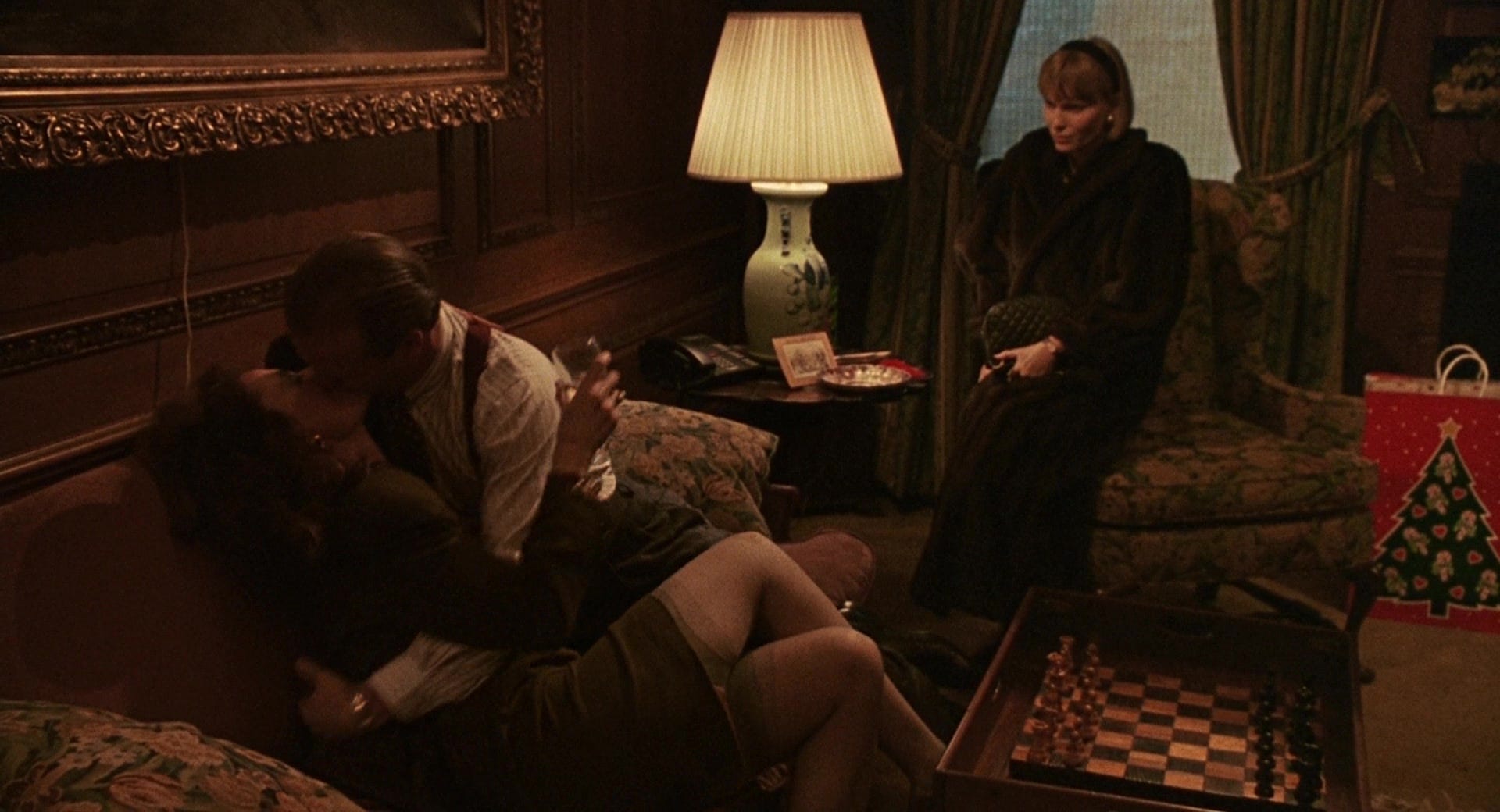
Allen drew up a story focusing on Alice Tate, an unfulfilled housewife and mother of two who married an investment banker and came into such obscene wealth that her sister can no longer relate to her. (Allen was genuinely amused by the mothers of Fifth Avenue he’d observed wearing floor-length mink coats and their hair still in curlers when they dropped their children off at school on the Upper East Side). When she complains of back pain, a friend suggests Alice visit Chinatown to see Doctor Yang, the sort of physician who accepts cash only. He contends that Alice’s problem isn’t in her back, but her mind and her heart. Staring into a revolving pinwheel and slipping into hypnosis, Alice confides that she’s begun to fantasize about a divorced father named Joe she met dropping her children off at school. Doctor Yang prescribes herbs which loosen Alice’s tongue enough for her to invite Joe to meet her at the penguin exhibit at the Central Park Zoo, but she comes to her senses in time to cancel. Alice’s pain persists, so her physician provides supplements which when digested, conjures the ghost of Alice’s ex-lover, and next, her muse. Alice enters into an affair with Joe, and takes a step toward changing her life when a potion Yang prescribes grants her the power of invisibility, allowing Alice to investigate her husband’s fidelity. Joe partakes in the potion as well, but choosing to eavesdrop on the therapy session of his ex-wife, learns she still has feelings for him.
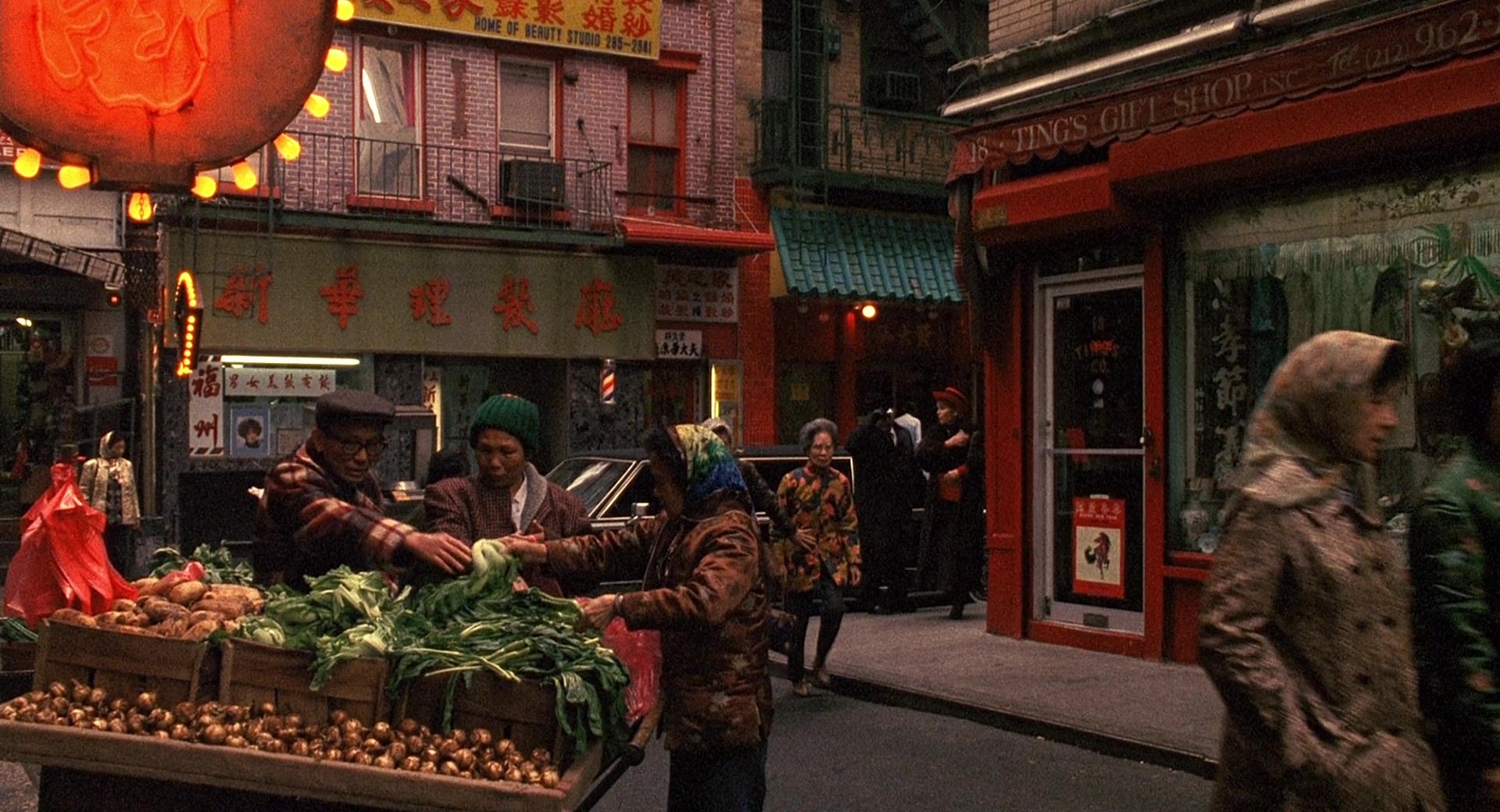
Woody Allen Fall Project 1989 went into production in November 1989 with an all-star cast. As Alice Tate, Allen gift wrapped Mia Farrow her biggest, most versatile, and perhaps best role in one of his films. William Hurt accepted the part of Alice’s husband Doug and Joe Mantegna as her lover, Joe. Also featured were Keye Luke as Doctor Yang, Blythe Danner as Alice’s sister, Alec Baldwin as the spirit of her ex-lover Ed, Bernadette Peters as the Muse, and Judy Davis as Joe’s ex-wife. Interiors for Alice and Doug’s apartment were filmed at Kaufman Astoria Studios in Queens. The school where Alice and Joe meet was shot at the House of the Redeemer, the historical landmark and event space in Central Park West. The penguin tank at the Central Park Zoo played itself. Alice and Joe take their kids to the Big Apple Circus, which was in season at Lincoln Center, while Valentino Boutique and Polo Ralph Lauren on Madison Avenue were used as the swanky stores Alice or her friends shop. By July 1990, Allen arrived on the title Alice. Working with his frequent director of photography Carlo Di Palma, production designer Santo Loquasto and costume designer Jeffrey Kurland, Allen was well aware that the version of New York in his comic fantasy was one only privileged New Yorkers had access to, or others dreamed about when they fantasized about the magic of the city.
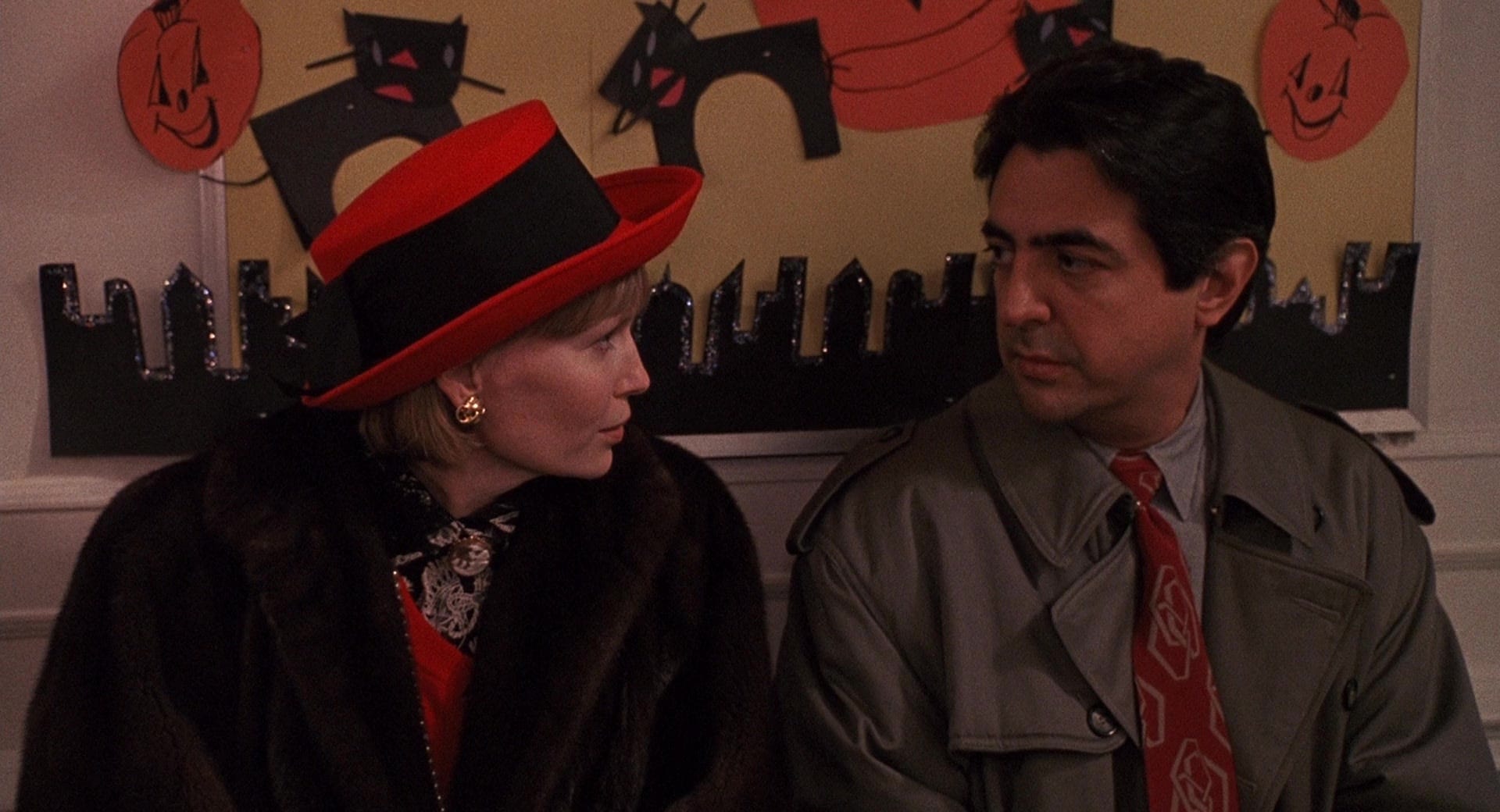
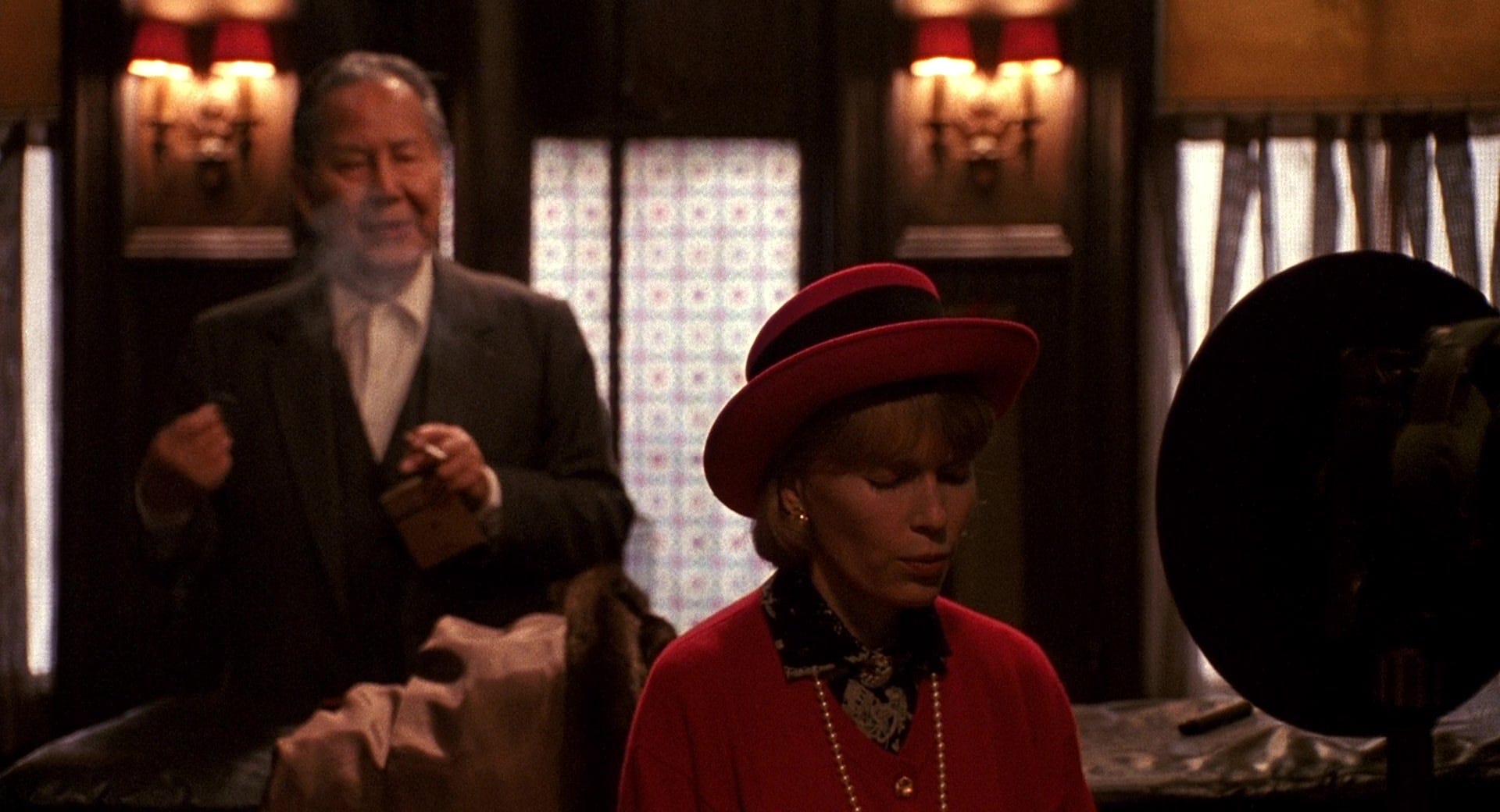
Allen said, “Alice is the only one that I ever did where we stylized it so much that if you look at Alice and turn the sound off and just look at the color and the pictures, it’s quite pretty.” (Alice’s red, coach derby hat with black bow, by a young New York milliner named Eric Javits, functions like weaponry or armor forged by the Greek gods, seeming to give Alice her power). Orion Pictures opened Alice as a specialty release on December 21, 1990 on three screens in New York and Los Angeles, in order to qualify it for the awards pageants in the coming weeks. Orion expanded the release to 325 screens on February 1, 1991 in a very crowded market that was dominated by two of the biggest blockbusters of the previous year, Home Alone and Dances With Wolves. The romantic comedy Green Card and a comedy pairing Cher and Winona Ryder titled Mermaids found commercial appeal among adults, but Alice never crossed over to a general audience, failing to crack the top ten grossing films any week it was in release. Its fate was shared by a comic fantasy titled Almost An Angel that opened over the Christmas 1990 weekend on 1,373 screens in an attempt to expand Paul Hogan’s appeal in North America beyond “Crocodile” Dundee, and failing to declare itself a comedy or a fantasy until it was almost over, audiences ignored it too.
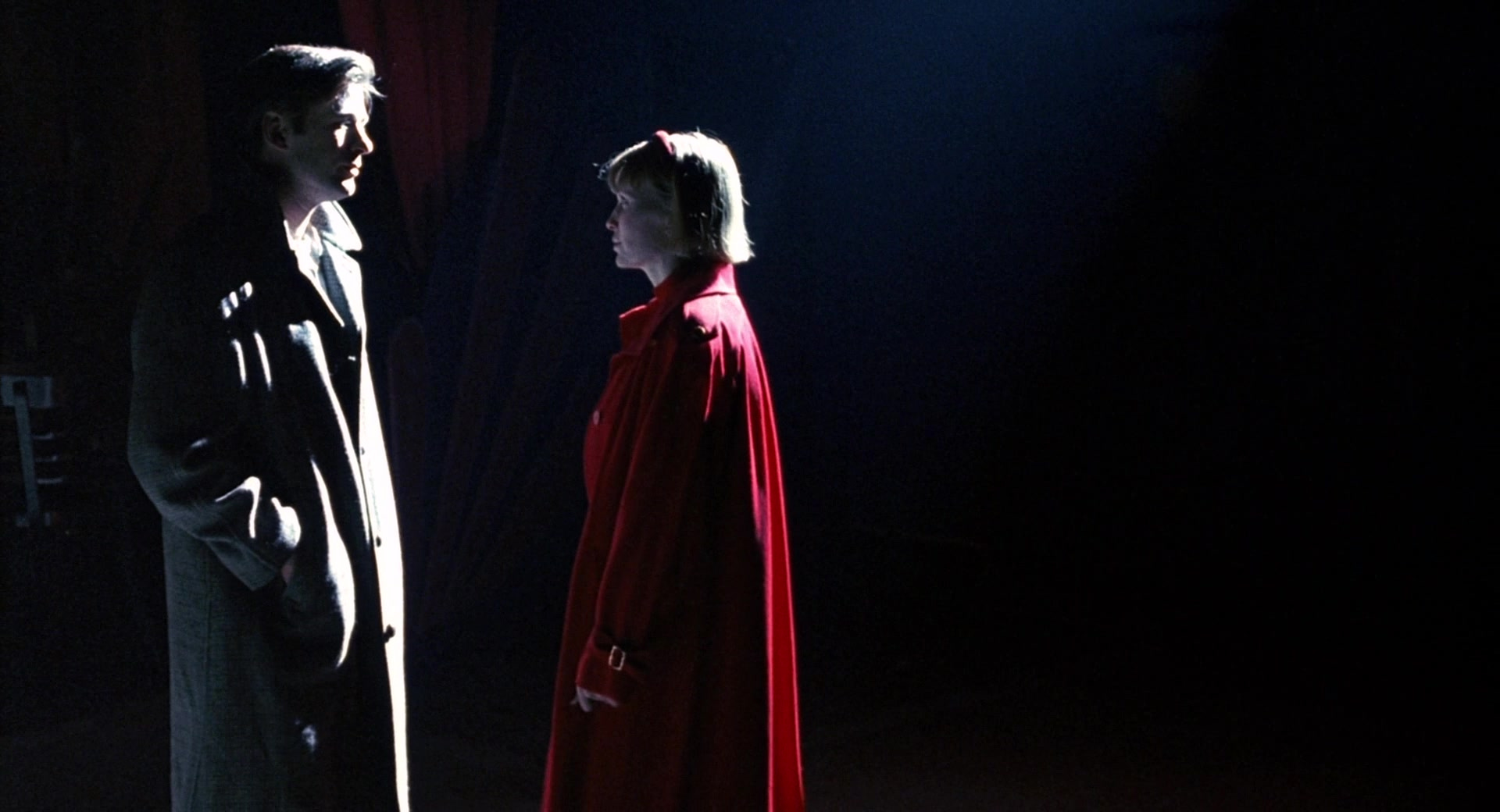
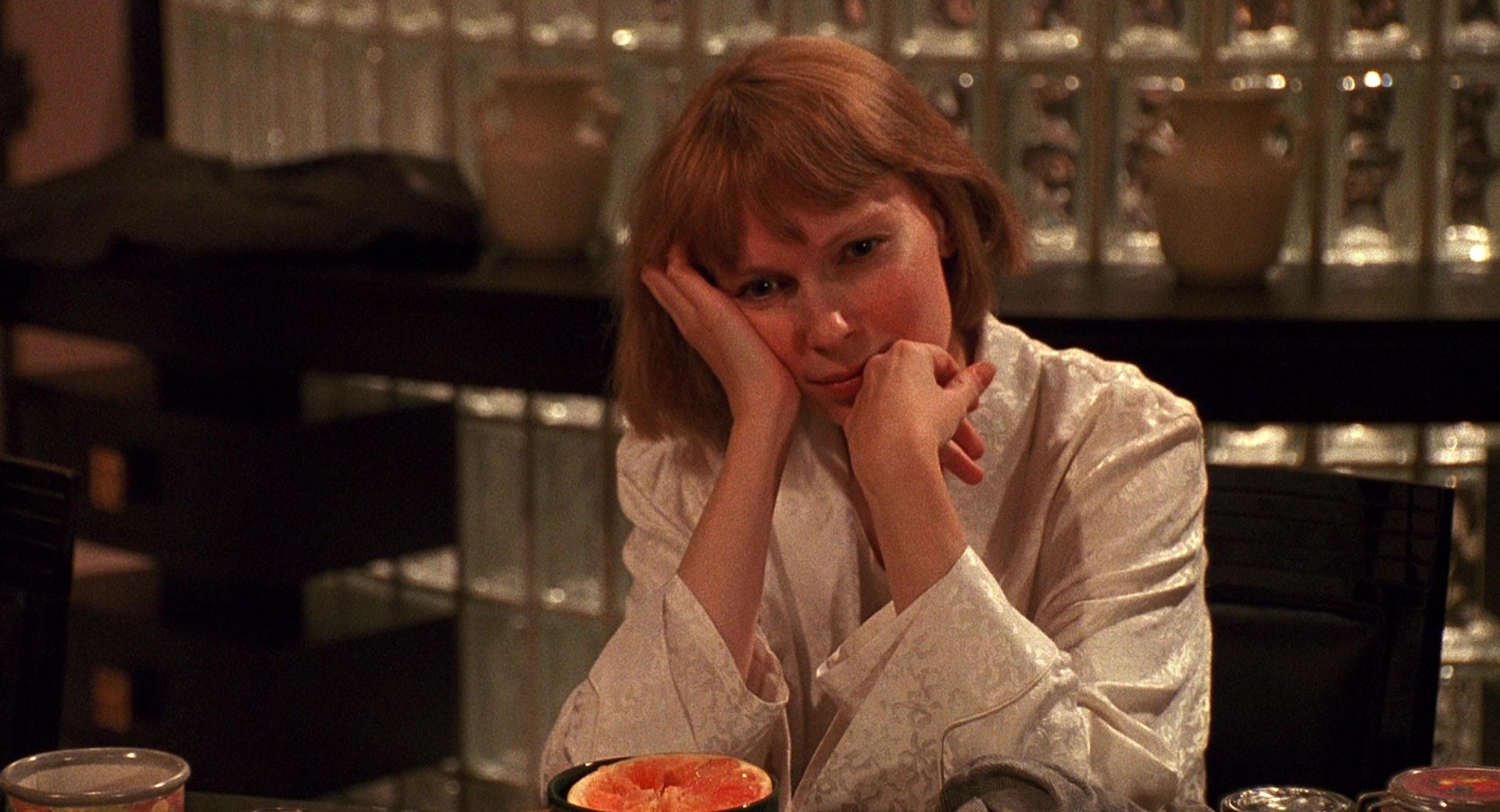
As is sometimes the case when Woody Allen was ready to start shooting before he had good material to shoot, the cast of Alice lifts the picture on their shoulders and carries it. Judy Davis, who would’ve been electric in the title role, has two terrific scenes as a marketing director whose mind and spirit are at odds over her ex-husband. Alec Baldwin is sent up from Central Casting as the exciting yet totally unreliable ex-boyfriend who, even as a ghost, refuses to stay in one spot for very long. Needing an actor to play an attractive woman in one scene, Allen’s prestige landed the second greatest fashion model of her generation, Elle Macpherson (Cindy Crawford might not have been very believable shopping in public). Mia Farrow has what appears on the surface to be a familiar role, introduced as a twitchy New Yorker who might be spooked by an ice cream jingle. Through magic, Alice is allowed to change form, and her character defies gravity with it. Farrow’s seduction of Joe Mantegna’s character at their kids’ school is richly acted, a highly strung housewife and a cocksure saxophone player switching roles. As a magician, Allen only has so many parlor tricks he can pull out of his hat to fill a feature film (at 106 minutes, Alice overstays its welcome by at least 15 minutes).
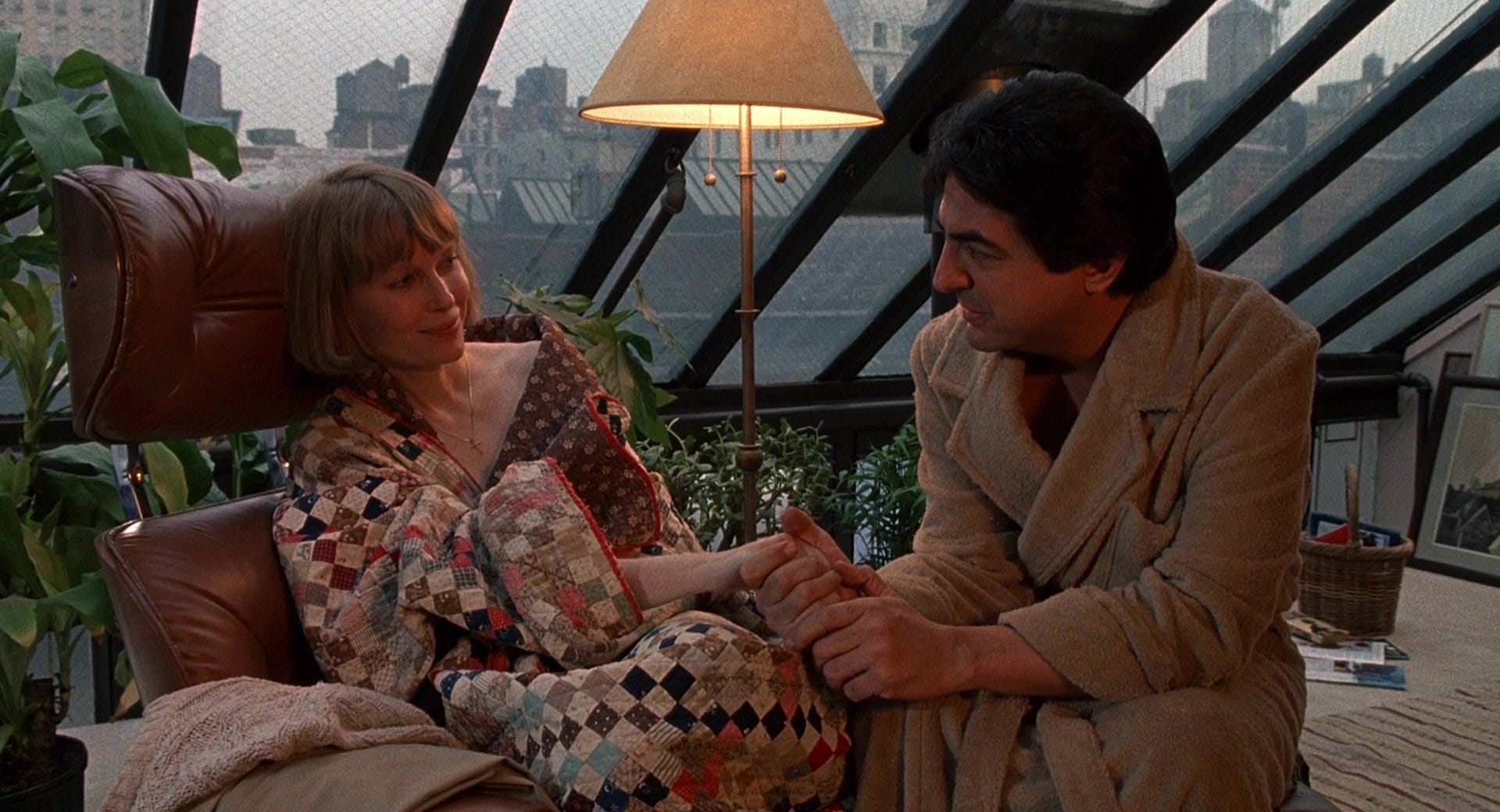
To fill the holes, Allen digs in the wrong spot by incorporating flashbacks of Alice’s youth, exploring her Catholic upbringing, her estranged relationship with her sister and their late mother (Gwen Verdon). Allen drew inspiration from Mia Farrow’s childhood, in which she was raised Catholic, went through a spiritual phase with thirteen years of convent education before settling into adulthood as a cultural, non-practicing Catholic. None of that is terribly compelling, and drags the film down when it was begging for more magic to propel it up. The arc that Farrow’s character travels, while straining belief, works for an urban fantasy, and reaffirms the power of minimizing life to its essentials, something anyone in a position of wisdom tries to convince Alice of. A comedy about uptown characters who meet downtown for ancient remedies to the modern burdens they’ve created for themselves might have made for a fuller and funnier comic fantasy, but Alice is delightful in enough doses to work. Jeffrey Kurland earned his lunch money, costuming Mia Farrow in a Fifth Avenue housewife look as colorful as it is formidable. If more people knew this movie, Alice Tate would make a riotous costume for Halloween parties, without being mistaken for Anna Wintour.
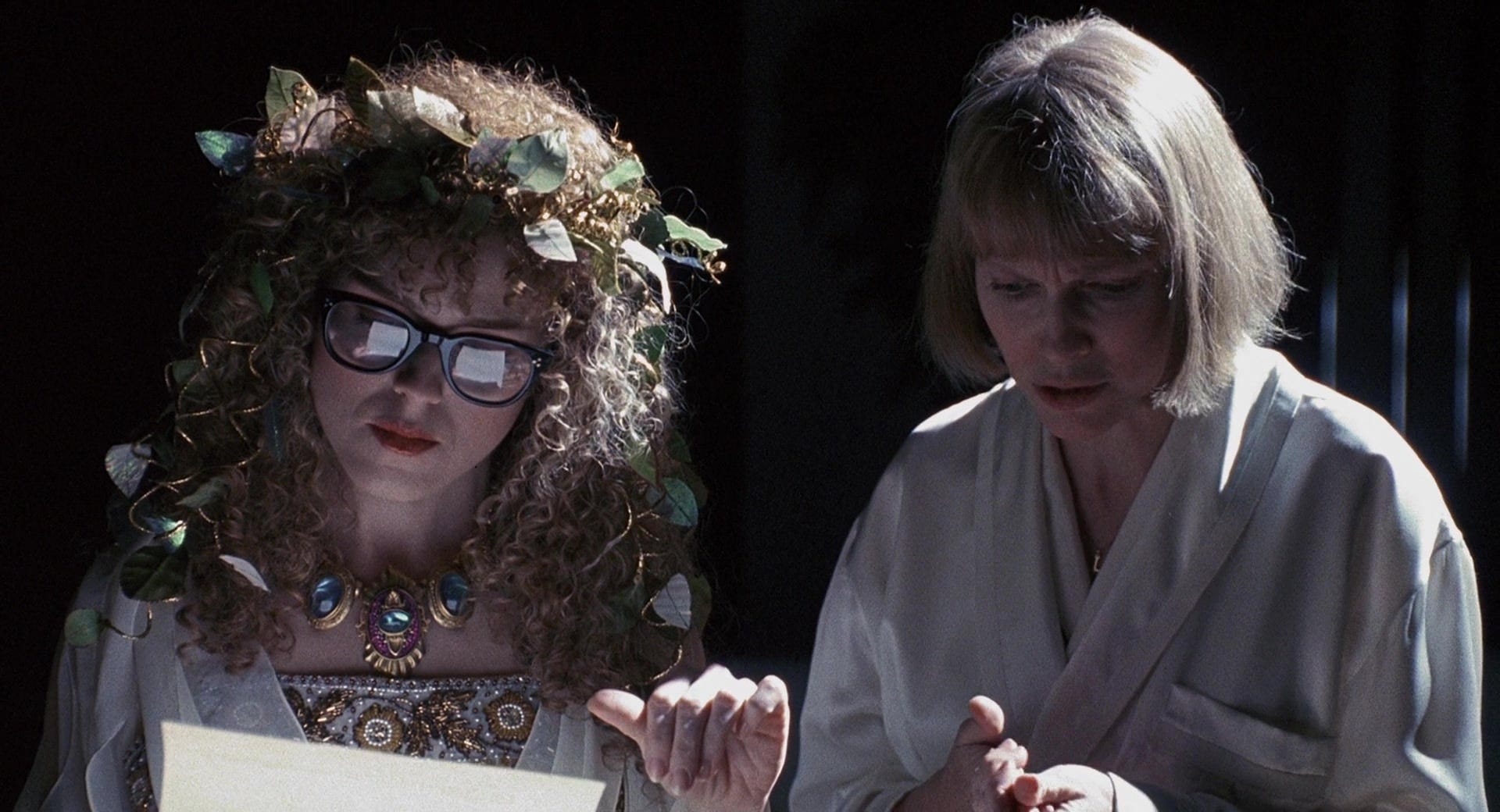
Woody’s cast (from most to least screen time): Mia Farrow, Joe Mantegna, William Hurt, Alec Baldwin, Blythe Danner, Keye Luke, Bernadette Peters, Judy Davis, Robin Bartlett, Cybill Shepherd, Diane Salinger, Bob Balaban, James Toback, Gwen Verdon, Elle Macpherson, Julie Kavner
Woody’s opening credits music: “Limehouse Blues,” Jackie Gleason & His Orchestra (1960)
Woody’s closing credits music: “Alice Blue Gown,” Wayne King & His Orchestra (1940)
Video rental category: Fantasy
Special interest: Desperate Housewives